
The first notification came after 9:30 on a Thursday night. Lucas Witer, M.D., had just come home from celebrating his birthday with his girlfriend in a Charleston restaurant.
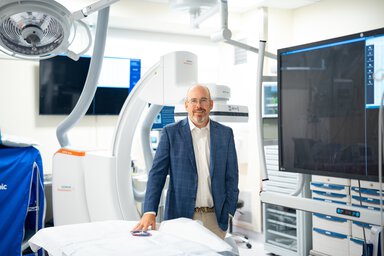
“Then I got a transplant page,” the heart surgeon said. A donor heart had become available for a patient who desperately needed one at MUSC Health, which has the only heart transplant center in the state.
“We coordinate our logistics, and we accept the organ based on blood type, size, and we look critically at the conditions under which the organ became available. And then we say, ‘OK, it's a good organ for this recipient.’ We started that. So that was at 10 p.m.,” Witer said.
“Then at 10:30 p.m., we got another call. We got a second organ. So I tried to coordinate. ‘OK, one on Friday. One on Saturday.’”
But the night wasn’t over. “Friday morning at 2:30, we got a third call.” Another heart was available.
A fourth call came in the next day. Four heart transplants in one weekend? It would be a challenging first for MUSC Health, a team that felt equipped to handle it. After all, they’d recently done the first successful combined heart-liver transplant in state history, a highly complex procedure.
They’d also successfully transplanted a heart into a patient who was being kept alive by extracorporeal membrane oxygenation, or ECMO, another procedure requiring a high level of skill and expertise.
Ryan Tedford, M.D., serves as medical director of the heart transplant program. “In South Carolina, we're fortunate to have one of the largest volume transplant programs in the country with outcomes near the very top. And we have the ability to be nimble. We can do cutting-edge treatments like this. We're in a good place to take care of our patients,” he said.
Patient from Murrells Inlet
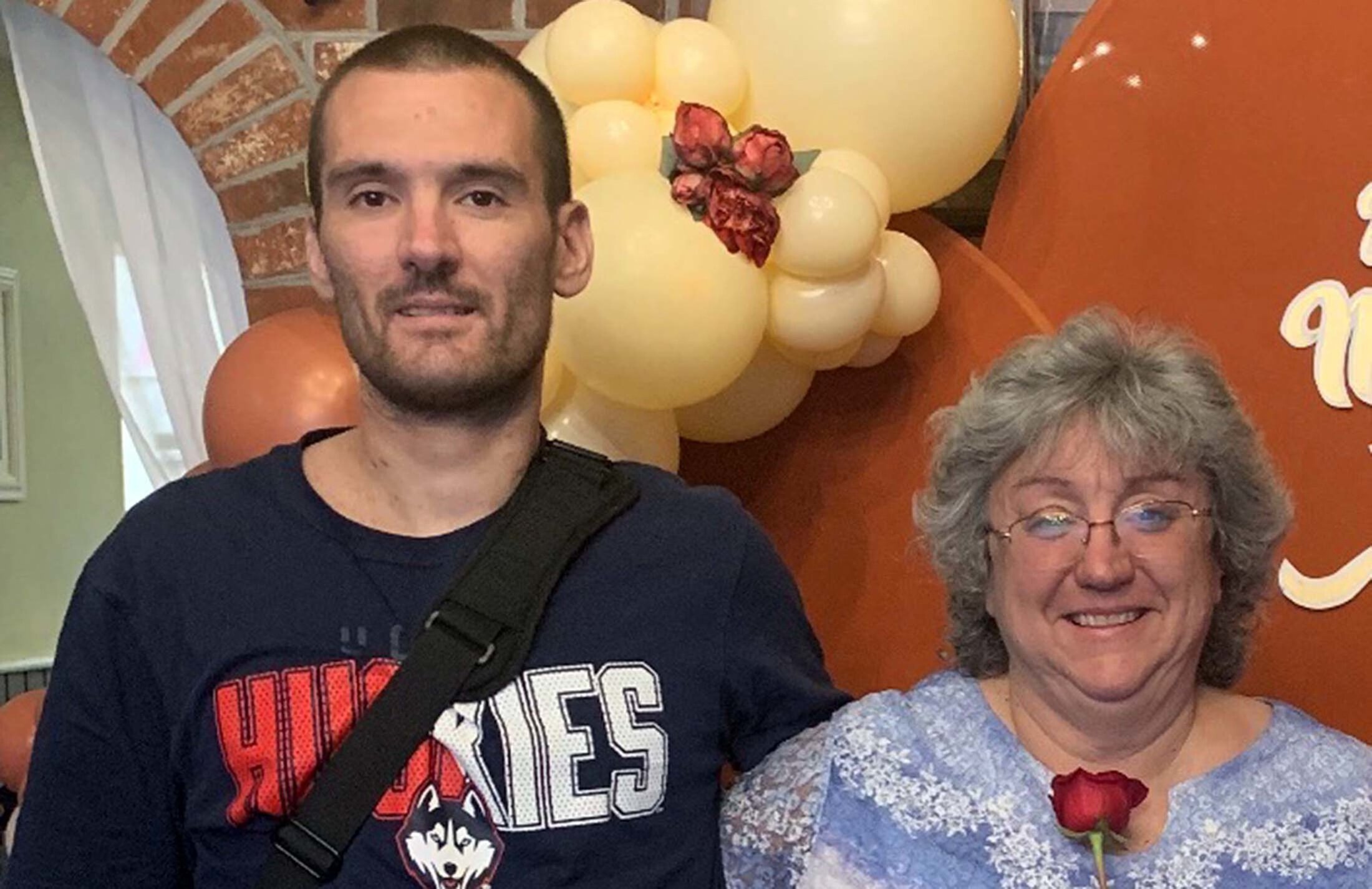
Those patients included Kevin Nicola, 32, one of the four to receive donor hearts at MUSC Health in a single weekend. The Murrells Inlet man had been athletic before his heart began to fail. “I played two men’s league hockey games the day before I had my heart failure. I scored three goals,” he said. “I knew something was wrong during the second game.”
That feeling got a lot worse the next day. “I lost feeling in my leg, and I started throwing up blood. I went to the doctor, and they said I needed to go to the emergency room immediately. They flew me out in a helicopter, which I don't remember. I knew it was something real serious.”
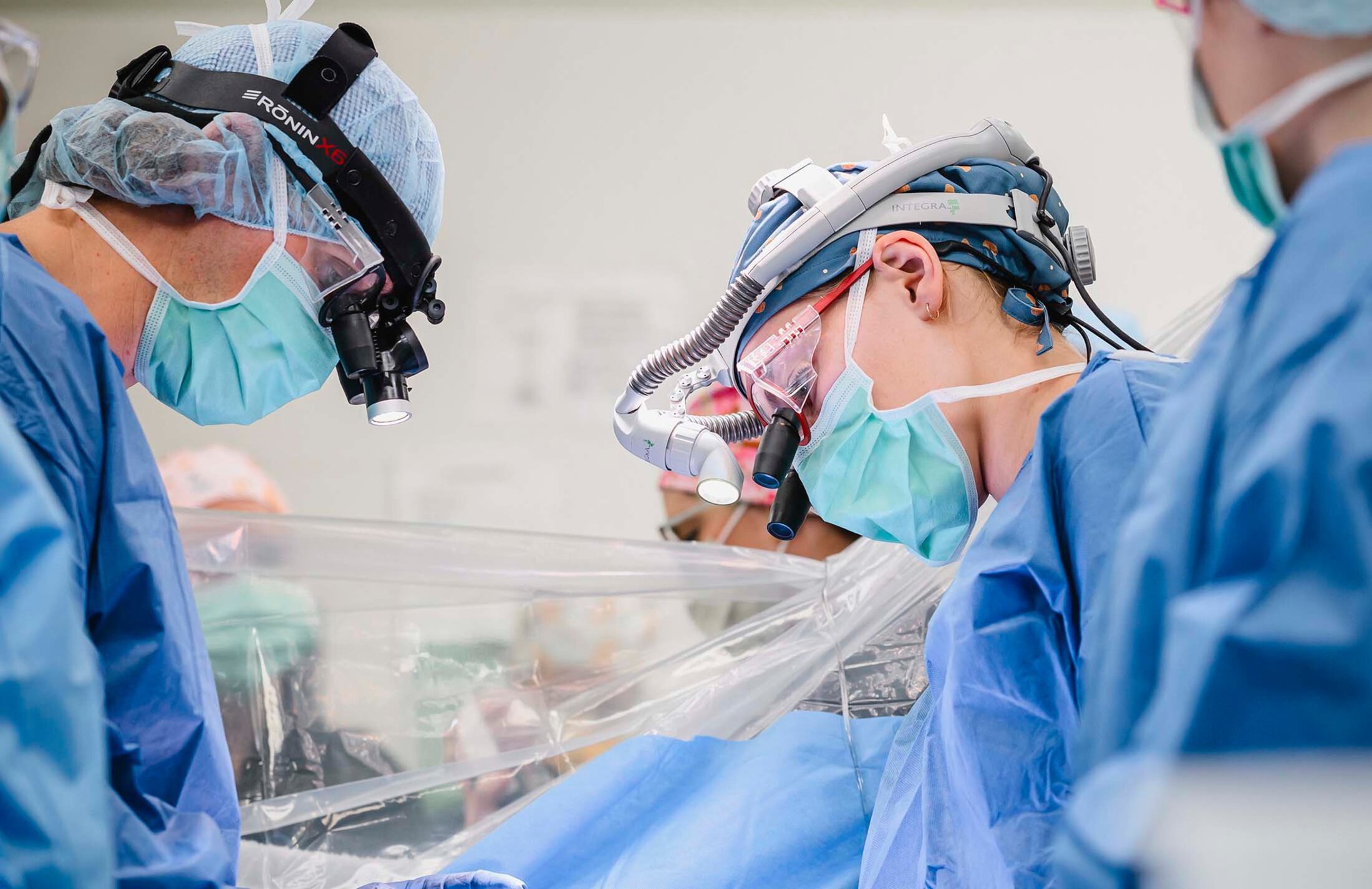
“I remember operating on him. He came in incredibly sick,” Witer said. “He was on mechanical support with biventricular failure,” meaning both sides of Nicola’s heart were in trouble.
Witer put in a left ventricular assist device, or LVAD, a pump that improved Nicola’s heart function. Then, Nicola developed what’s known as a driveline infection – an infection in the place where the LVAD’s power cord goes into the skin. Tedford, the heart transplant medical director, said Nicola’s infection became more and more resistant to treatment.
“He was on antibiotics I had never even heard of by the time he finally got transplanted. So we requested emergency high status on the transplant list because of the resistance that had grown with antibiotics. And we were granted that, and then he waited in the hospital until he got a transplant.”
That hospital has plenty of experience with such surgeries. It now has one of the larger heart transplant programs in the country, Tedford said. “We did our thousandth transplant this year at MUSC. We're continuing to grow and expand and make sure that when a patient has end-stage heart failure, they're being considered for these lifesaving therapies whenever possible.”
The four-transplant weekend
Finding out that a donor heart has become available sets a lot of things in motion. First, somebody needs to travel to get the heart and bring it back to MUSC Health. “Short notice, a lot of coordination. We utilized one of our surgeons to go get one of the hearts with a transport team, and then we used two commercial groups that procure hearts,” Tedford said.
While that was happening, the transplant team pulled together to prepare for the operations. “We had several cardiologists on call, four surgeons, then the whole staff in the cardiovascular ICU and multiple people in the operating room. Probably at least 50 people involved,” Tedford said.
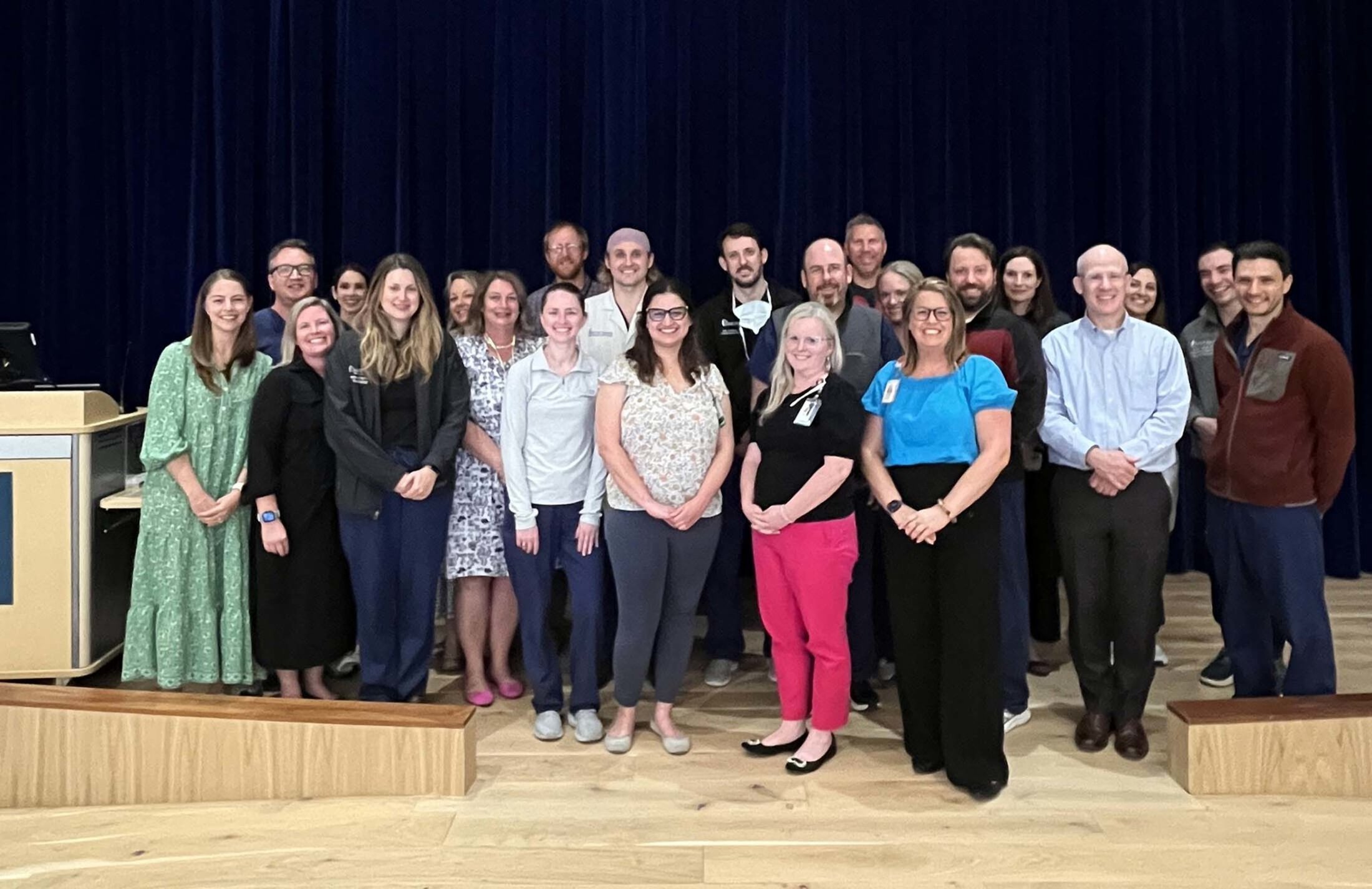
Witer, Walker Blanding, M.D., and Marc Katz, M.D., were the transplant surgeons who operated that weekend. They did so with the support of that large team Tedford outlined, including care team members who came in on their days off to help pull off the remarkable feat.
They were well aware of how unusual the situation was, Witer said. “We had three heart transplants that were going at the same time, which is unheard of for MUSC. It's our first time that we've done that.”
All three were successful. So was the fourth transplant the next day.
“We're able to do things like this because we have the infrastructure. We have the experience. We have the right people; we have the support from the institution to do those type of things,” Tedford said.
“Those four transplants are doing exceedingly well. Honestly, that weekend could not have gone better.”
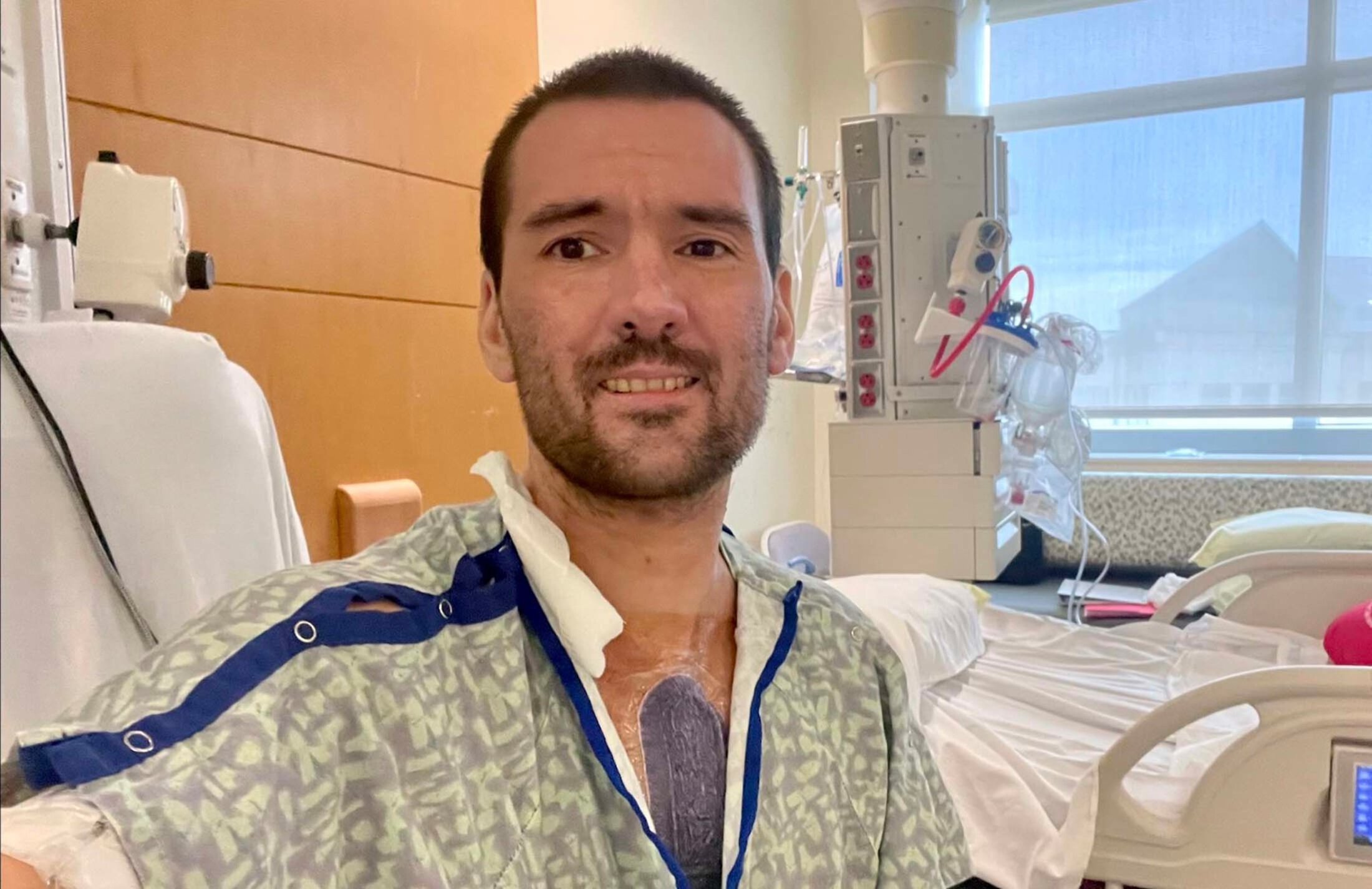
Nicola, the hockey player from Murrells Inlet, is back home with his family. “They do a great job at MUSC. They have great surgeons. The doctor that I had, Dr. Witer, I think he's one of the best. He saved my life,” he said.
Nicola hopes to shift from working in irrigation installation and maintenance to getting his commercial driver’s license. “It’s given me a really positive outlook on my future. I have a new chance. I get a second shot.”
Witer was happy to see him up and around again. “My hope for Kevin? Play hockey again,” he said.
He also talked about what it’s like to help patients like Nicola. “It's caring for the human condition. I think there's really something magical about seeing people when they come back to clinic after transplant. It's an indescribable feeling, to be honest with you.”
Helen Adams
Recent Heart & Vascular Care stories