
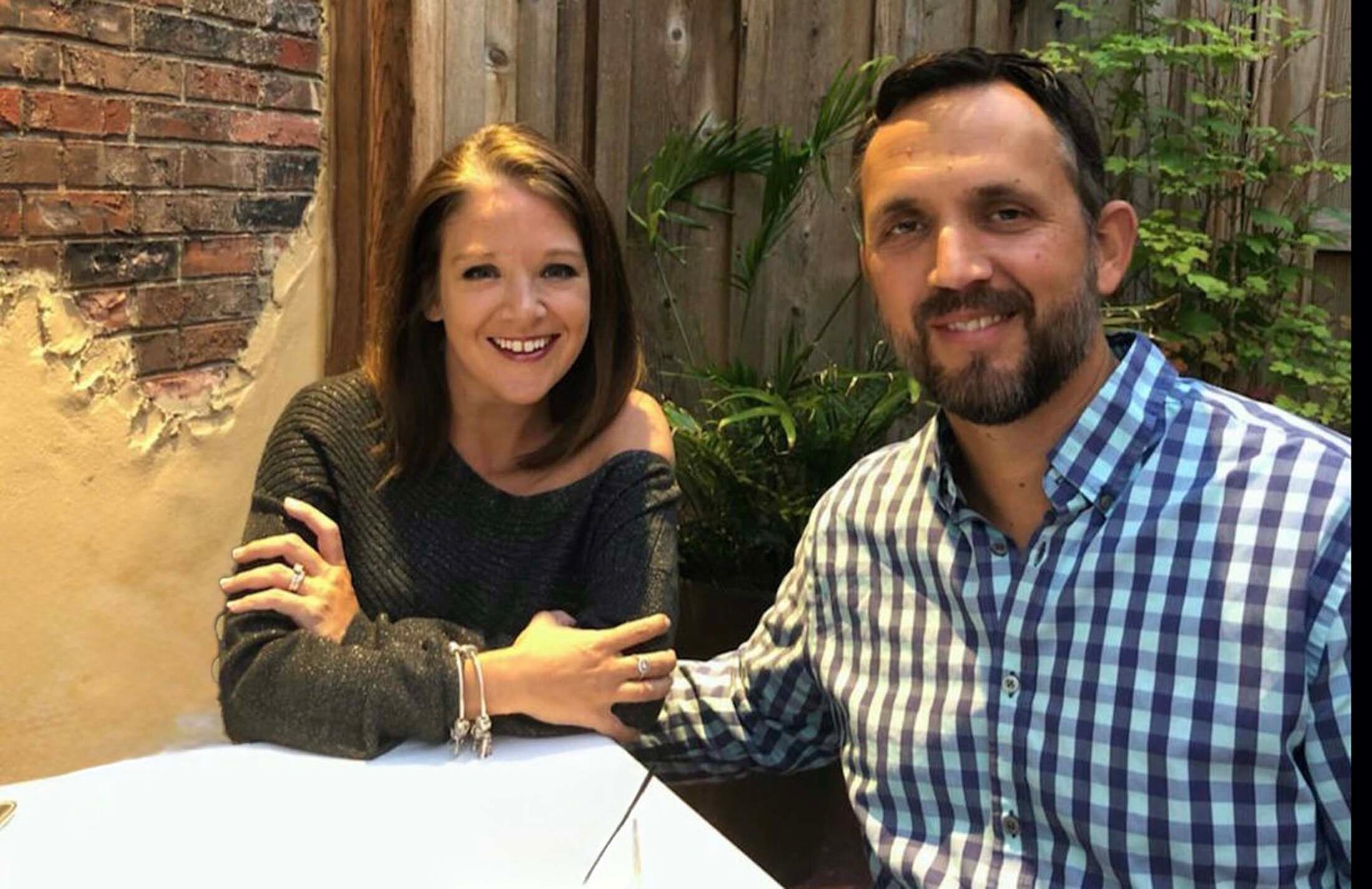
When Myrtle Beach accountant Cristy Webb came to MUSC Health in Charleston for an anemia treatment, she hoped she’d be home again in no time. “They were just going to give me a blood infusion.”
Anemia, usually caused by iron deficiency, was making her tired. She was looking forward to feeling better.
But she and her doctors knew that Webb’s anemia was likely linked to a heart condition she was born with, so the care team monitored her closely. That turned out to be a lifesaving decision. Going home would have to wait.
“My heart went V-tach three different times that night,” Webb said, referring to ventricular tachycardia. The heart beats so quickly that it keeps the heart’s chambers from filling during contractions, which can be life-threatening.
“My body and my heart said, nope, we’re done.”
Born with a severe form of heart disease
It was a moment she’d spent a lifetime preparing for. Fortunately, it happened while she was surrounded by health care providers. And she was in a place that was ready to offer the complex transplant operations she needed in what became a first for South Carolina.
Heart transplant surgeon Lloyd "Mac" Felmly, M.D., explained how Webb got to that point. “A normal heart has two functioning sides: one that pumps blood to the body and one that pumps blood to the heart. She had a severe form of congenital heart disease that left her with only one functioning side of her heart,” he said.
So when she was a baby, Webb underwent four open-heart surgeries. One, which would later play a key role in her health crisis, was called a Fontan procedure. It directed blood that usually returns to the heart directly to the lungs to get oxygen.
“While this type of circulation helps babies with congenital heart disease survive and live into adulthood, it can lead to other problems such as liver disease,” Felmly said.
As an adult, Webb came under the care of David Gregg, M.D., with the MUSC Health Congenital and Lifelong Heart Care team. “I have followed her for almost 20 years,” he said.
Webb settled into married life with her husband, Ashley Webb. She spent time with her close-knit family and friends. And she advanced in her career at Horry-Georgetown Technical College. But signs were emerging that she was facing serious health issues.
“She started to decline a little more and was having increased rhythm problems and what we thought was symptomatic anemia on top of Fontan-related heart failure, Fontan liver disease and fast-and-slow rhythm issues,” Gregg said.
“We have known all along and discussed that Fontan circulation fails, often at around her age; she progressed to needing a transplant. She had numerous procedures as an adult. It’s a lifelong disease, and while punctuated with ups and downs, and the actual day of decline wasn’t known, we knew this was coming around the time it did,” Gregg said.
Complex procedures
The night Webb’s heart went into V-tach was a turning point. It became clear that she needed a new heart and liver. She wouldn’t leave the hospital for three months while she waited for donor organs.
Webb said her support system sustained her during those long days. “Thank God for my family and friends. We were very blessed to have them.”
Meanwhile, the transplant team prepared to do the first successful combined heart-liver transplant in South Carolina in someone who’d had a Fontan procedure. Felmly described the complexity of that situation.
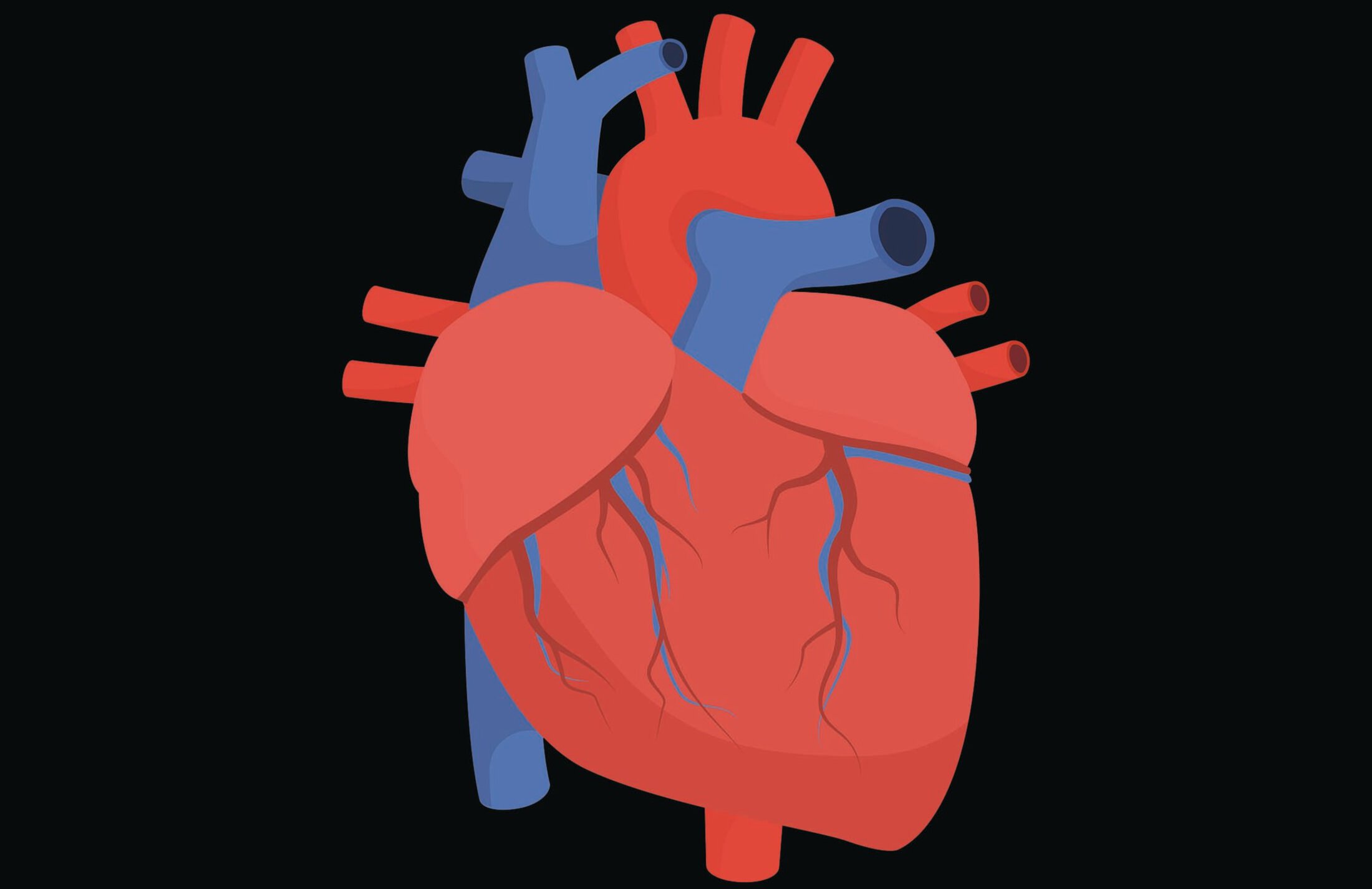
“Transplanted hearts are vulnerable to taking on lots of fluid. That can send them into acute failure. Patients with Fontan who get heart transplants are already predisposed to bleeding because they have scar tissue from prior open-heart surgeries. And then if you add on top of that a liver transplant that could expose them to the higher risk of bleeding, you can get into a vicious cycle,” he said.
“So undertaking this required two operative teams that knew what they were doing,” he added, “and then also had clear communication and were able to coordinate this in a way that was safe for the patient to get them through it.”
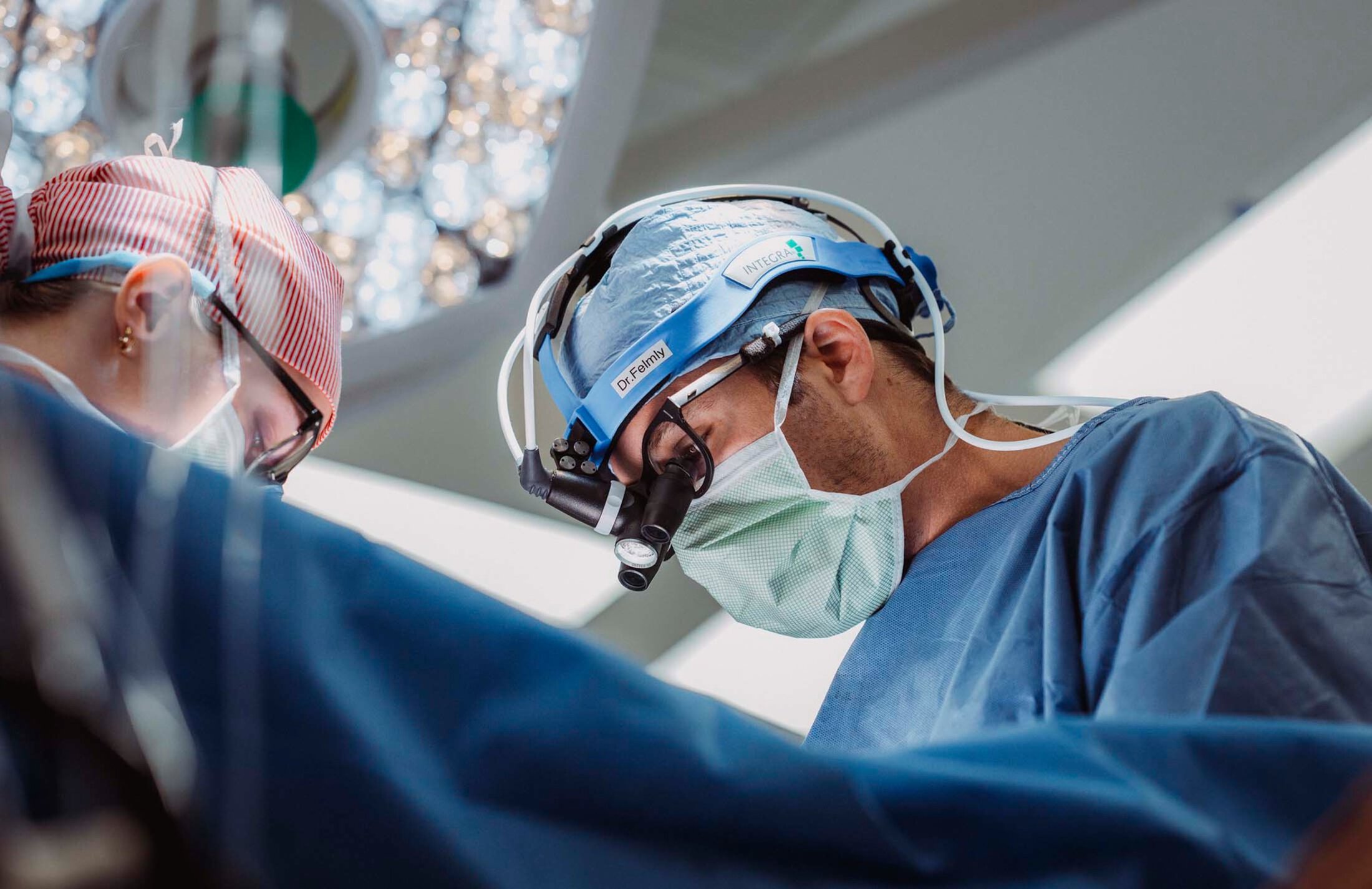
Felmly’s team went first, implanting the heart. MUSC Health has the only heart transplant program in South Carolina, so Felmly said its experience and expertise helped to ensure that the procedure went smoothly.
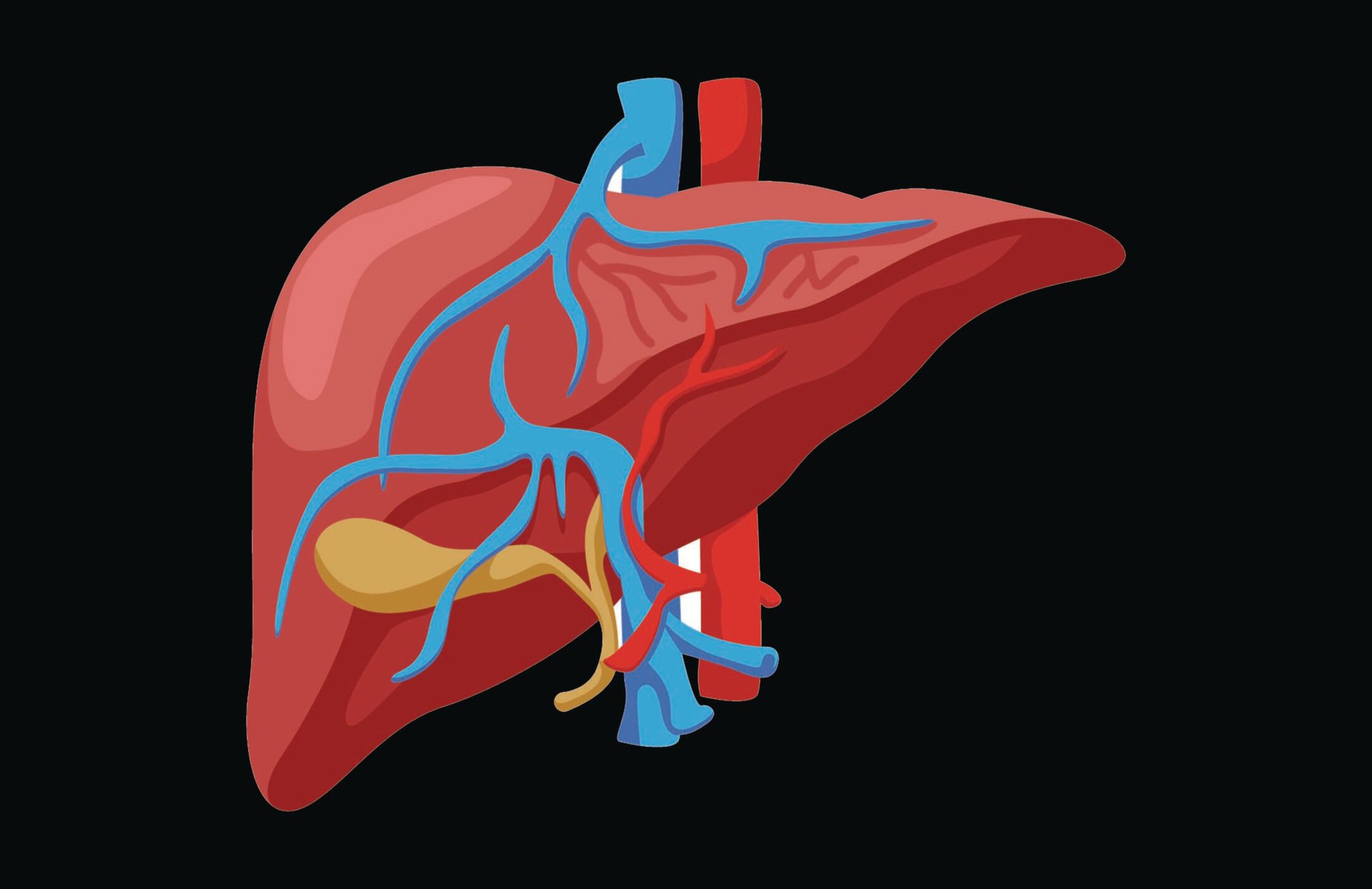
“After the heart transplant, the patient went to the intensive care unit. We left the breastbone open because it can maintain some stability initially, and she was going to stay asleep. Five or six hours later, she went back for the next part of her surgery. The heart team made sure she was OK, not bleeding. Her heart looked good. And then the liver surgeons put the liver in.”
Felmly said that went well, too. “And her recovery was actually quite good. She was in the hospital for less than a month, which, for a combined heart-liver transplant, is pretty good. We're proud of her because it's the first successful heart-liver transplant for Fontan-associated combined heart-liver disease in the state.”
These days, Webb is back home in Myrtle Beach. “I recently passed my six-month anniversary post-transplant, which I’m told is a huge milestone, as most issues, including rejection, tend to occur within the first six months. Thankfully, all is looking good based on my last tests a few weeks ago. I have returned to work and am attending cardiac rehab three times a week.”
She’s also staying in touch with Gregg, her cardiologist at the Congenital and Lifelong Heart Care team – even though, as she noted, she no longer has a congenital heart defect. “He still calls me to check on me.”
Webb has some advice for others facing serious medical decisions. “You have to have trust in the physicians. If I hadn't trusted them, I would have not gone through the surgery. You have to have trust, faith and a really strong support group because it makes it possible.”
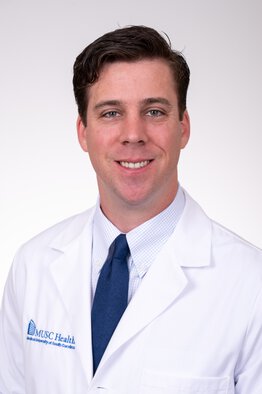
Lloyd (Mac) Felmly, M.D.
Lloyd M. Felmly, M.D., is a fellowship-trained pediatric cardiac surgeon specializing in repairing congenital heart defects.
Dr. Felmly's clinical interests include neonatal and infant heart surgery, with an emphasis on Tetralogy of Fallot and pulmonary atresia. He specializes in procedures to create new pulmonary arteries in patients with major aortopulmonary collaterals (MAPCAs) and to relieve blockages in pulmonary arteries due to peripheral pulmonary stenoses (PPAS). He also has significant experience in aortic and mitral valve repair, heart and lung transplantation, the treatment of anomalous coronary arteries, and double switch operations for patients with congenitally corrected transposition of the great arteries (CCTGA), and other disorders such as heterotaxy.
He received his M.D. from the MUSC College of Medicine, and completed his residency training in cardiothoracic surgery, also at MUSC. He then completed two years of pediatric cardiac surgery subspecialty fellowship at Stanford University under Dr. Frank Hanley. There he learned to care for some of the most complicated congenital defects in the world and developed a strong interest in pulmonary artery reconstruction and complex biventricular repair.
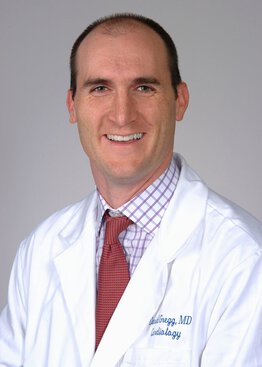
David Gregg, M.D.
Dr. David Gregg is an academic cardiologist specializing in adult congenital heart disease and non-invasive cardiovascular imaging. He is board certified in internal medicine, cardiovascular disease, and adult congenital heart disease, and is widely recognized for his contributions to clinical care, program development, and the advancement of adult congenital cardiology.
Dr. Gregg completed his residency in internal medicine with additional training in cell biology and cardiovascular genomics at Duke University Medical Center. He subsequently pursued fellowship training in cardiology at the University of California, San Francisco, focusing on adult congenital heart disease and advanced non-invasive imaging.
Since 2006, Dr. Gregg has led the Adult Congenital Heart Disease Program at the Medical University of South Carolina, which he founded in collaboration with pediatric cardiology. In addition to coordinating comprehensive inpatient and outpatient care for adults with congenital heart disease, he maintains an active general cardiology practice with a particular interest in valvular heart disease.
Helen Adams
Recent MUSC News stories