
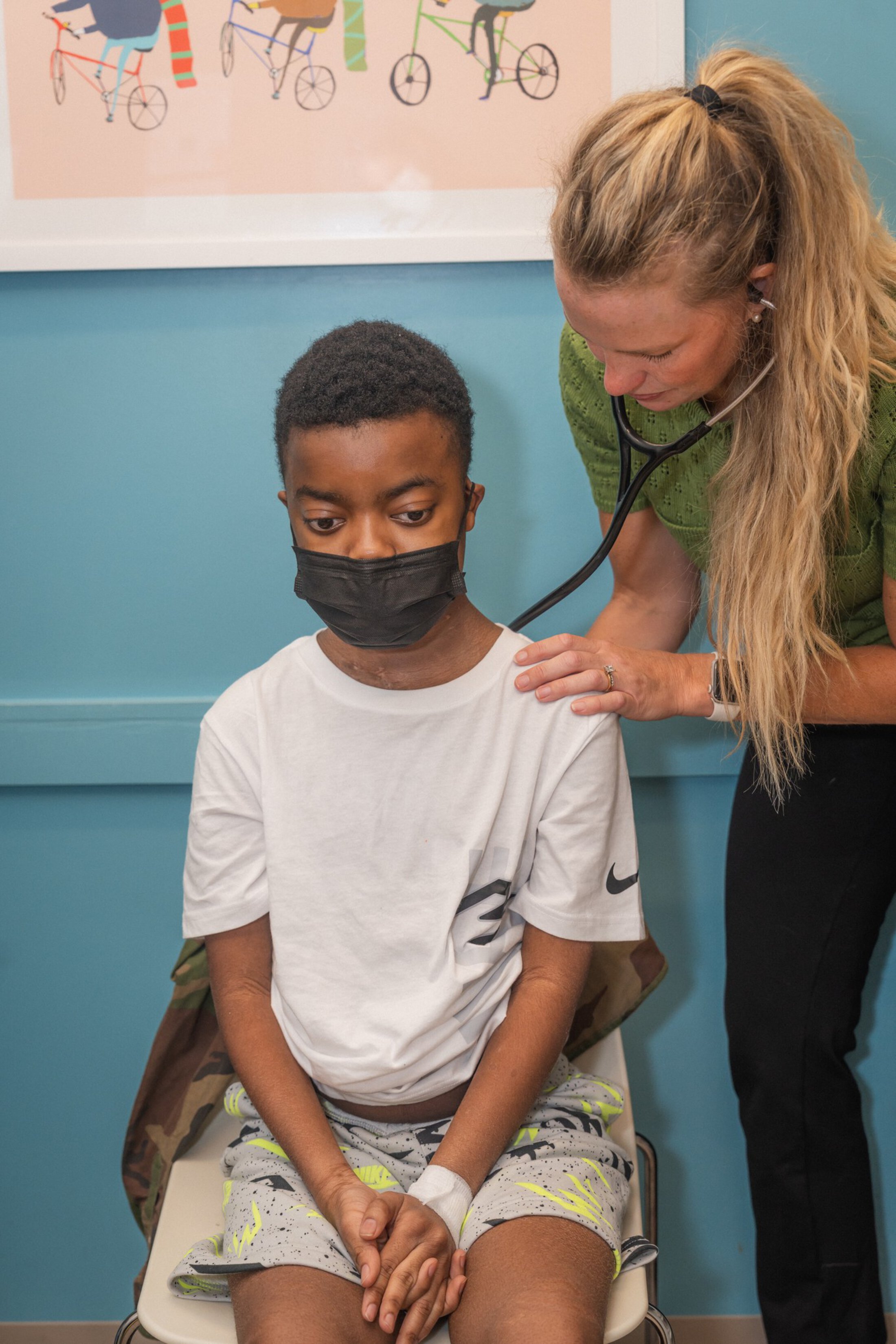
A 13-year-old from North Myrtle Beach, described as an old soul by his mom and his doctors, has become the youngest person in South Carolina to get a second heart transplant. “It was a lot to take in at first,” Salanda Jones said of learning her son Bryson’s first transplanted heart needed replacing.
“I had no other choice but to trust in God right now because this was too big for me.”
Bryson had the complex, life-saving transplant at the MUSC Shawn Jenkins Children’s Hospital, whose heart program is ranked No. 4 in the country by U.S. News & World Report. It was the first pediatric heart re-transplant in the state.
A strong-willed fighter
It went to a rising high school freshman who will be home-schooled for his first semester while he recovers. “I want him and his heart to bond. He's such a strong-willed fighter,” Bryson’s mother said.
His care team has seen that strength. “Bryson knows what he wants. He's not afraid to tell you what that is,” said Heather Henderson, M.D., medical director of the Pediatric Heart Failure and Transplant Program. “He’s a great kid.”
A great kid who loves food. He Door Dashed ribeye steak to the hospital and developed a taste for hospital meatloaf.
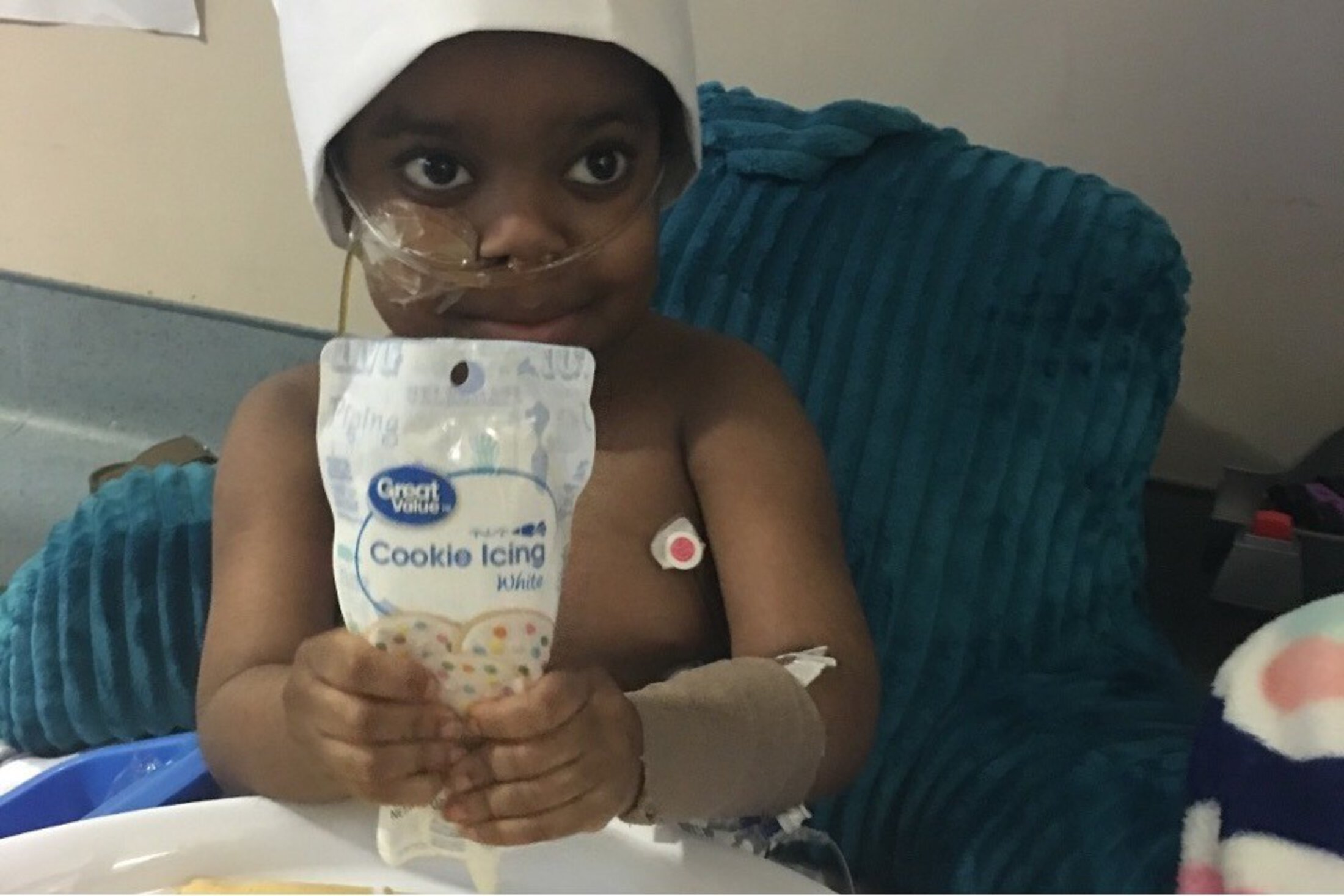
And a kid with an entrepreneurial streak. During one hospitalization, Bryson sold pizza slices and lemonade to nurses to make some cash. “He learned the value of money at the age of 4,” his mother said.
That probably came in handy playing one of his favorite games, Monopoly, which Salanda Jones said he loves. He also likes playing chess and doing crossword puzzles.
His doctors noticed that Bryson loves music as well. “He’s a big Beyonce fan,” Henderson said.
But he’s also a kid who has dealt with more health challenges in his 13 years than many people will face in their lifetimes. Bryson was diagnosed with cardiomyopathy at a young age. It’s “a disease of the heart muscle that makes it harder for the heart to pump blood to the rest of the body,” according to the American Heart Association.
Series of shocks
The cause, in Bryson’s case, is unknown. But that didn’t keep it from wreaking havoc early in his life. Salanda Jones described a series of shocks for the family as Bryson’s heart struggled to function before his first transplant, which he got at the age of 5.
“He was throwing up and couldn’t keep anything down. When we went for our appointment, they were like, ‘He's gone into heart failure,’” his mom said.
“And so then the next day it was like, ‘We're going to need to put him on a ventilator.’” That machine would help the little boy keep breathing.
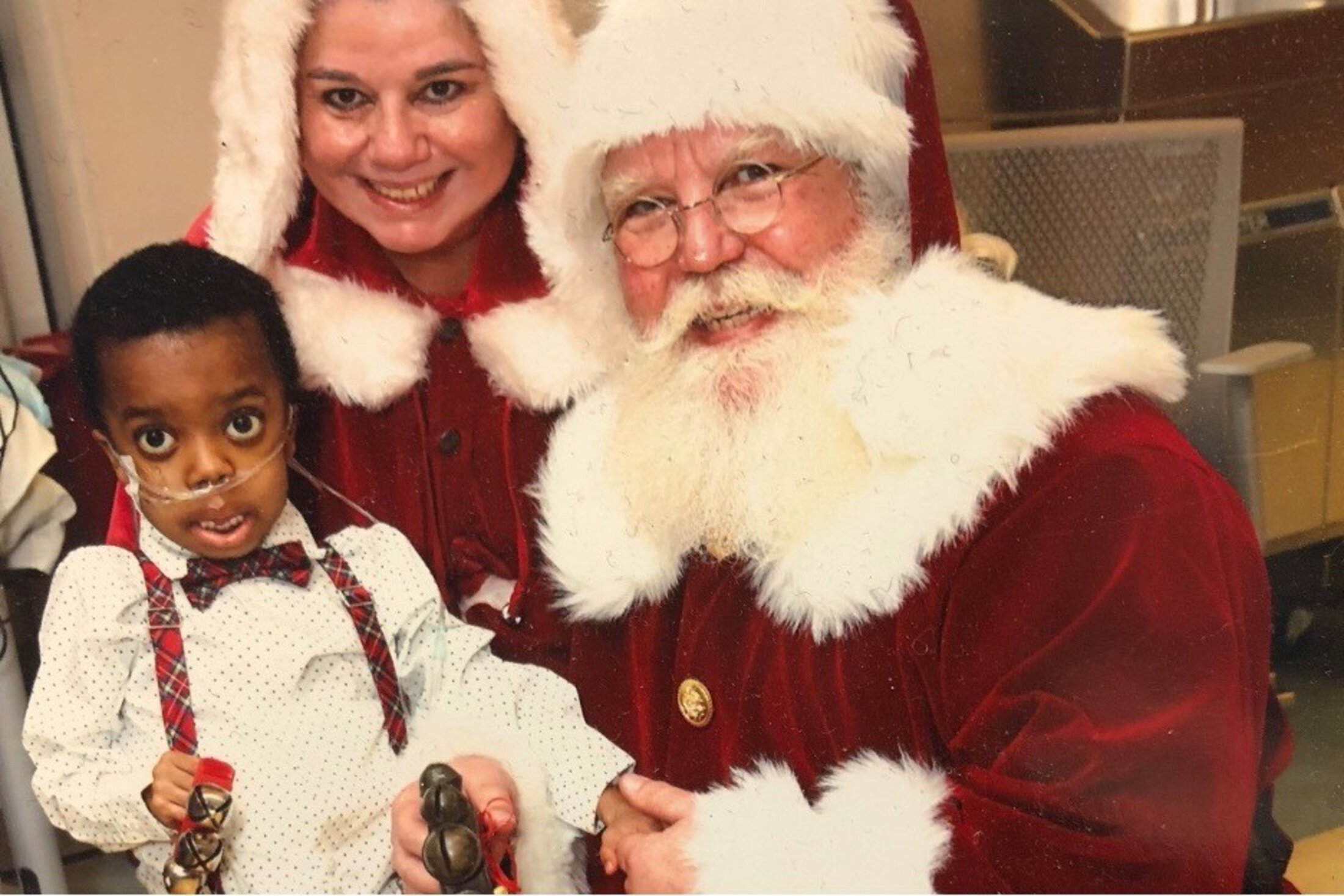
“And the next day, ‘We're going to put him on ECMO.’” That meant surgery to connect him to an extracorporeal membrane oxygenation machine as a temporary life support measure.
“And then I'm filling out the paperwork for the Berlin pump,” Jones said. The electrically powered pump was a longer-term form of life support.
“And I'm filling out paperwork for a transplant. It was literally like, boom, boom, boom, boom, boom.”
At one point before that first transplant, she turned to her son. “I said, ‘Buddy, do you want to pray?’ And he said, ‘God already told me he was going to heal my body.’ And those were the last words that I had from him for a while.”
Coronary allograft vasculopathy
Bryson got that heart transplant eight years ago. Then, last year, came news that the donated heart was in trouble. Bryson had coronary allograft vasculopathy, the most common reason for re-transplants.
Andrew Savage, M.D., serves as medical director of Outpatient Medicine at MUSC Children’s Health. “The way that I explain it to families with coronary artery disease is that your body is very smart, and it recognizes that the donor heart is not its own. And so it begins a lifelong battle of trying to get rid of it,” he said.
The way that I explain it to families with coronary artery disease is that your body is very smart, and it recognizes that the donor heart is not its own. And so it begins a lifelong battle of trying to get rid of it.
“One of the ways it does that is by cutting off the blood supply to that heart. So we try to pick the right immunosuppression medication. We try to do everything to keep the immune system at bay. But sometimes the body wins. It begins to reject or reduce the blood vessel size to that heart, to the point where it can cause serious problems like passing out or eventually leading to his heart completely stopping.”
Old enough to take part in the discussion
That’s just what doctors saw happening to Bryson. Fortunately, they had the expertise to catch it early. Unfortunately, it meant he needed another transplant. This time, Bryson was old enough to be part of the discussion about it.
Cardiologist Katerina Boucek, M.D., said the team knew another big operation was a lot for him and his family to consider. “As a teenager coming in, it can be really emotional for these kids. Having multidisciplinary care with our pediatric psychologists to help, especially with adolescents during this challenging time, is a really great addition to our program.”
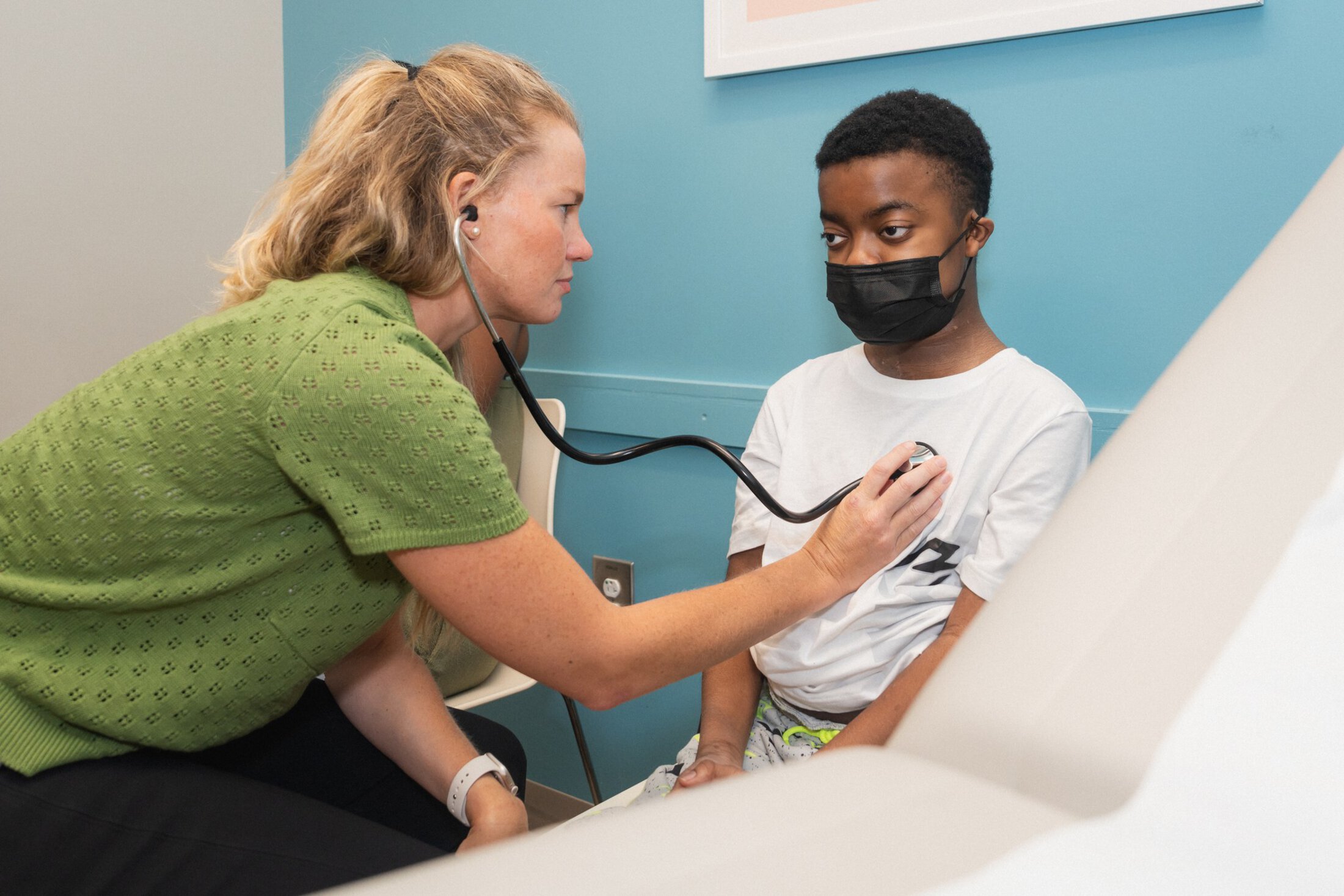
A scary heart incident at home in North Myrtle Beach helped Bryson and his family decide to move forward. “Bryson passed out in the shower. So that really was like ‘OK, well, we don't have time to wait,’” his mom said.
Risky period
Savage said Bryson had reached the point where he was at high risk of sudden cardiac death, so he was admitted to the hospital for monitoring while they waited for a donor heart.
Salanda Jones prayed during that difficult time. And when another child waiting for a heart in the same unit as Bryson got one while the Joneses waited, she helped the child’s family celebrate. “I went out and bought him balloons. It’s not going to make me sad that he got a transplant while we were still waiting.”
Dr. Savage calls and he's like, ‘Hey, how are you doing? You remember how you wanted that birthday present?’ I couldn’t do anything but cry.
News that Bryson would be getting his own transplant came on April 24, the day before his mother’s birthday. “Dr. Savage calls and he's like, ‘Hey, how are you doing? You remember how you wanted that birthday present?’ I couldn’t do anything but cry,” Jones said.
Now that a donor heart was available, the clock was running. Transplant surgeon Mac Felmly, M.D., prepared for the operation. It would be complicated by the fact that Bryson had undergone previous operations, including his first heart transplant.
“The more times you go in, the more scar tissue that gets accumulated, and the more challenging it is to get back in,” Felmly said.
And transplant operations tend to create more scar tissue than other heart operations. That can prolong the operation in a situation where time is of the essence. “We want to get the heart from the donor to the recipient in less than four hours. Four hours is our cutoff where we start to get worried about the function of the heart,” Felmly said.
The many challenges that come with re-transplants are reflected in the statistics. “When you look at heart transplants in the US, there are between 4,000 and 5,000 transplants done every year. When you look at how many re-transplants are done, it's around 100. So it's a very small number compared to the overall number of transplants because the risk is higher. The complexity is higher,” Felmly said. “It can be hard to get good outcomes in these patients.”
I want this to be his forever heart.
To get a good outcome for a re-transplant, it’s important to find the right donor heart, Felmly said. “And then the next thing is you need to know the recipient’s anatomy, because the big challenge technically in doing these procedures is getting back in and getting through all that scar tissue and then dissecting the heart out from the surrounding tissue.”
Felmly and his team did that complicated removal and re-transplant in about 12 hours.
Bryson was soon home again in North Myrtle Beach with his family. “He’s doing really good,” his mom said. “I feel like the first six months – those are the trying months, trying to adjust with medication and just everything.”
So Bryson is planning to wait to start high school in person until after the winter holidays. In the meantime, he’s taking ownership of the responsibilities involved with maintaining a healthy heart.
“I feel like Bryson appreciates this heart even more because he understands what he went through. He looks at it differently. He wants to do everything he can so he doesn’t have to go through this again,” Jones said.
“I want this to be his forever heart. This one gets him through life - through the journey of his teenage years, his college years, his life with his family. All of it. That's what I want for him. I want normalness for him.”
Helen Adams
Recent MUSC News stories