

Our campus should be a place where people enjoy being; a place that they are drawn to live and do meaningful work.
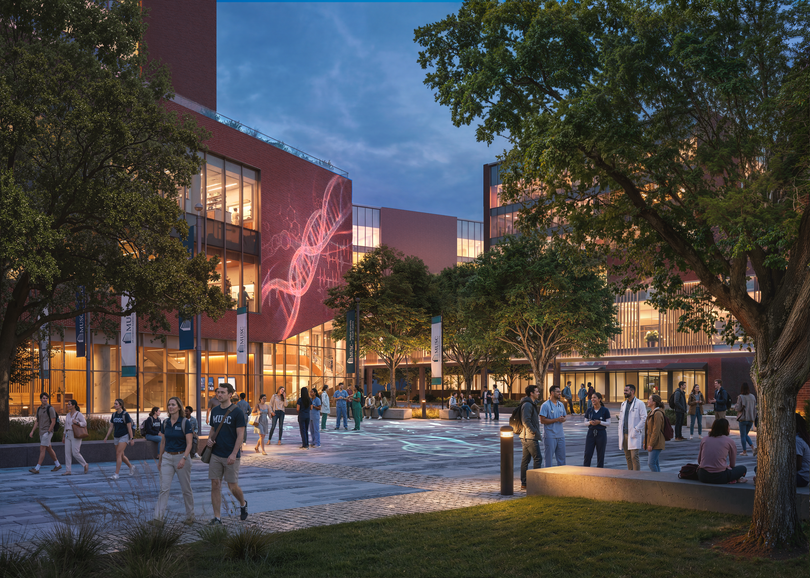
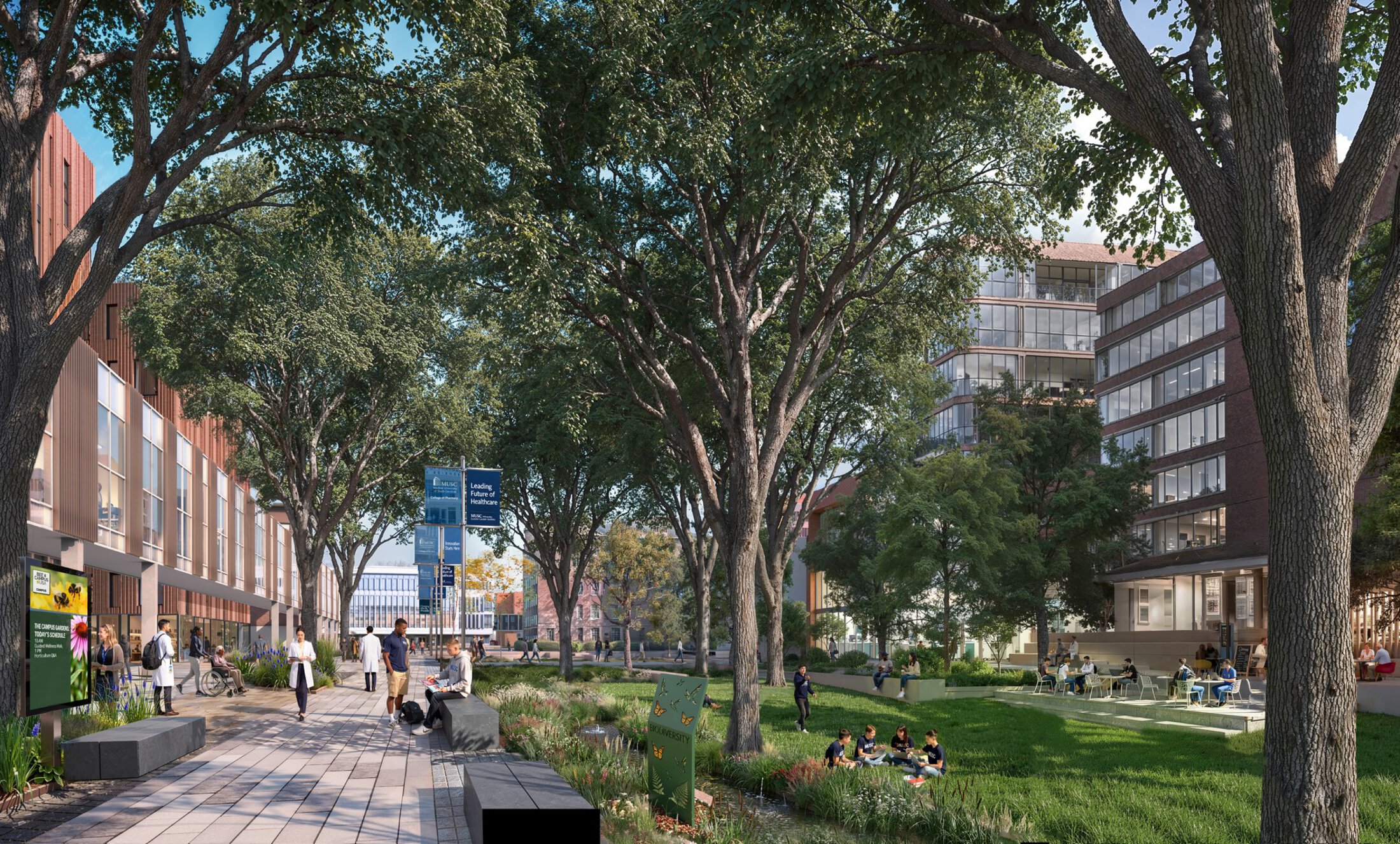
The Downtown Charleston Campus Master Plan brings together facilities, infrastructure and thoughtful urban design into a single framework to guide community-focused, phased decision-making to support MUSC’s mission over the next 20 years.
Our campus should be a place where people enjoy being; a place that they are drawn to live and do meaningful work.
MUSC’s Downtown Charleston Campus Master Plan was created to ensure its historic campus can continue serving patients, students and communities responsibly—both today and for generations to come. As South Carolina’s only comprehensive academic health system, MUSC must plan not only for current needs, but for the way needs will evolve over the next 20 years.
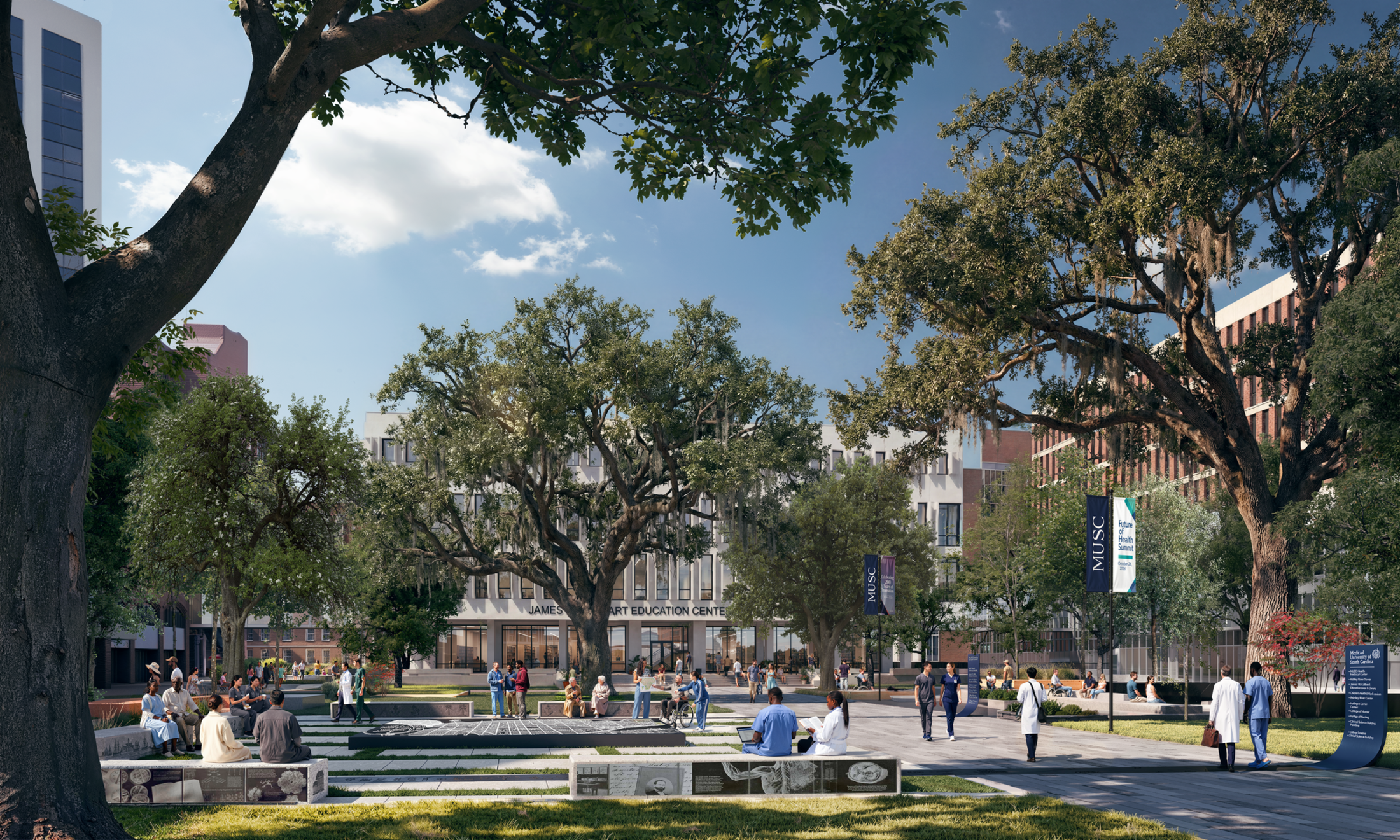
This plan creates a coordinated framework that aligns exceptional patient care, nationally recognized education, and research. It reinforces downtown Charleston as the state’s hub for complex and specialized care, while supporting MUSC’s ability to expand access to primary care and research across the state. At the same time, the plan prioritizes safety, long-term investments in stormwater mitigation—a critical consideration for a downtown coastal campus—and quality of life, all while respecting the surrounding neighborhoods and community character.
Importantly, this master plan is not a construction schedule or a list of approved projects. It is a guiding vision that allows MUSC to plan responsibly, transparently and holistically as future needs and opportunities evolve.
The Downtown Charleston Campus Master Plan guides how MUSC’s physical campus may evolve over time, shaping facilities, infrastructure, and spaces to support care, education and research.
Now that the Board of Trustees has approved the campus master plan framework, MUSC will begin the careful work of continued study and refinement. The plan itself does not authorize construction, set timelines or determine costs. Instead, it provides a long-term roadmap that informs future decisions.
Any proposed projects that may emerge from this framework would be brought forward individually, reviewed thoroughly and subject to appropriate approvals and funding decisions. Throughout this process, MUSC is committed to ongoing communication with employees, patients and the broader community.
No. The master plan is a long range planning tool, not a construction timeline. Any future projects would be phased and subject to further review, approvals and funding decisions.
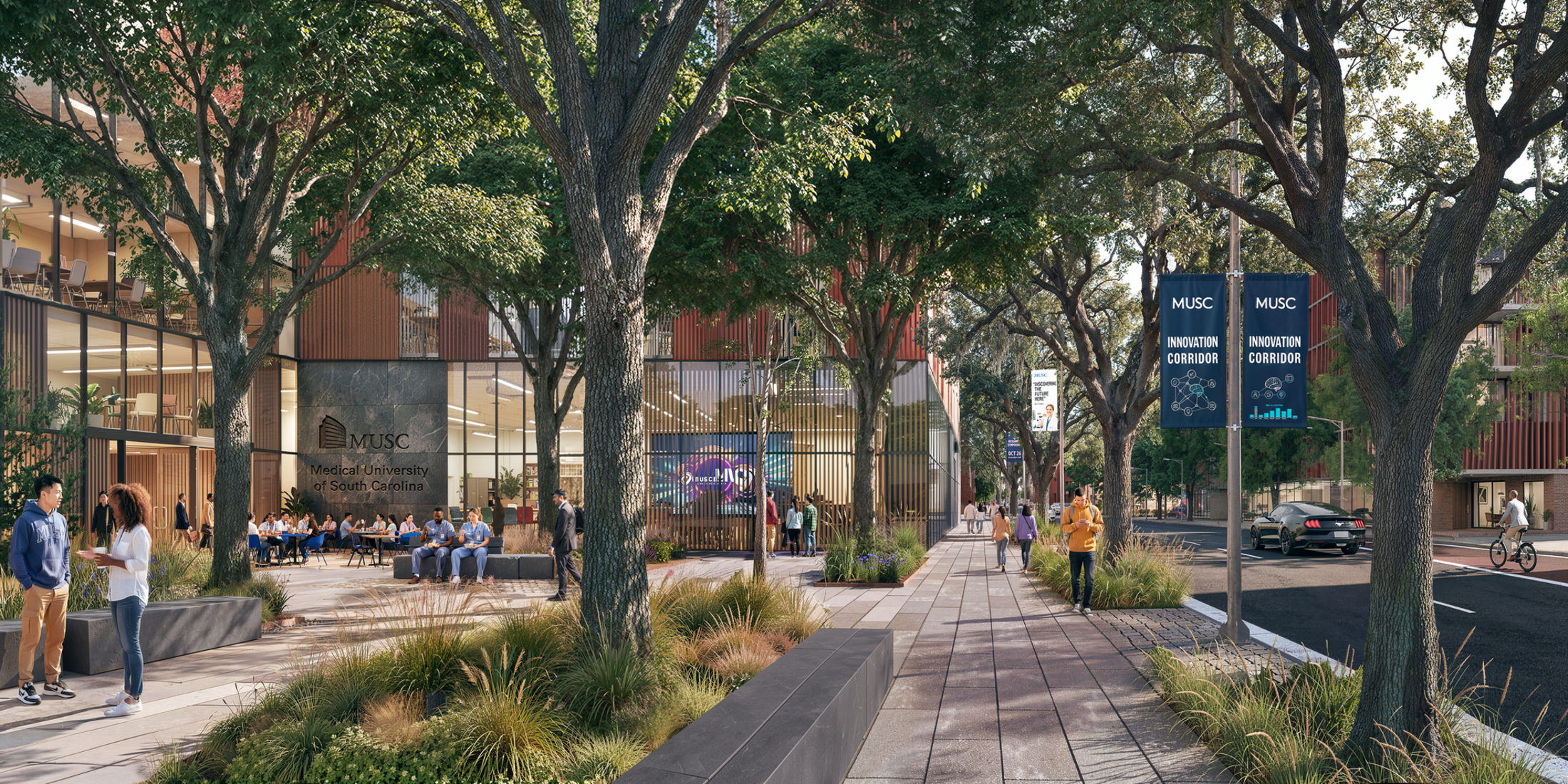
The plan includes major initiatives already underway, such as a new College of Medicine building, a comprehensive cancer hospital and a medical office building and ambulatory surgery center at 334 Calhoun St. It also identifies opportunities to strengthen research and clinical adjacencies across campus. Additionally, the master plan outlines strategies for green space inclusion, storm water mitigation, parking requirements, energy requirements, infrastructure needs and more.
Yes. The master plan addresses all aspects of the downtown Charleston campus, including clinical, academic and research facilities, as well as infrastructure, green space, parking, along with energy and resiliency considerations.
The plan positions downtown Charleston to continue serving as South Carolina’s center for complex and specialized care. While the plan looks ahead over a 20 year horizon, MUSC is still in the very early stages, and future relocation plans for services will be communicated to staff members and patients well in advance of any changes taking place.
Resiliency planning was a key component of the master plan’s development. It includes considerations for stormwater mitigation, infrastructure resilience, sustainability and environmental impacts.
Yes. Parking, safety and environmental impacts are recognized as critical considerations and will remain key priorities as planning continues.
As MUSC expands primary care capabilities and access to clinical trials statewide, the plan ensures the downtown campus remains focused on complex care, discovery and education—benefiting patients and communities across the state.
At this stage, no costs have been determined. The plan establishes a vision and framework, not project budgets.
The plan was created by Perkins & Will, a global interdisciplinary architecture and design firm, in collaboration with McMillan Pazdan Smith and MUSC.
MUSC will share updates through traditional and digital communication channels as planning evolves. Please check this site for updates in the coming months.