So many other women had to fight hard for acceptance in their field. Thanks to their determination, they made it possible for women like me, and I’m benefiting from their hard work.
Dr. Mindy Engevik associate professor in MUSC’s Department of Regenerative Medicine and Cell Biology 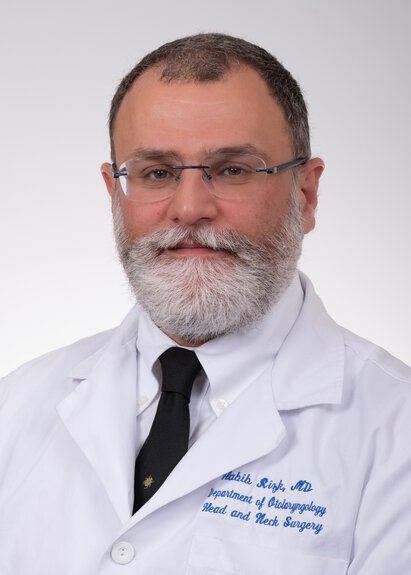

MUSC News
Read about the education, research and clinical advancements happening across the MUSC academic health system. Discover how our experts are empowering healthy communities, driving innovation and health transformation and reshaping the future workforce for South Carolina and beyond.
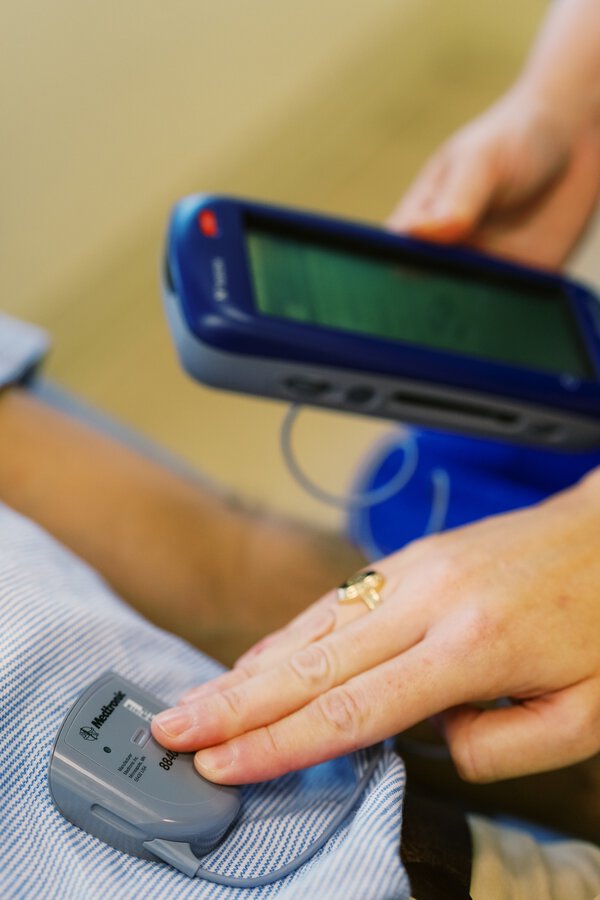
MUSC uses electrical stimulation to treat debilitating gastroparesis
Diane Hall of Hanahan, South Carolina, had two seemingly contradictory problems. She had trouble eating – but at the same time was so bloated that she felt like she’d gained 35 pounds.
“A lot of nausea and vomiting and just an upset stomach,” she said. “I didn't know what it was, and I went to my regular doctor. She said, ‘Your vitals are great.’”
But something was clearly wrong. A gastrointestinal specialist diagnosed Hall with gastroparesis and referred her to Mary Kate Bryant, M.D., at MUSC Health.
Bryant described gastroparesis, a condition that affects about 10 men and 40 women out of every 100,000 people. “Gastroparesis means that the stomach does not empty in an appropriate amount of time. So usually, when you eat a meal, there are two ways your stomach deals with liquids or solids,” she said.
Recent News Releases
Nearly a decade of research strengthens case for vitamin D in pregnancy
MUSC Shawn Jenkins Children’s Hospital ranks No. 5 in Southeast, No. 1 in South Carolina
Kiawah Island Club’s fifth annual HEARTest Yard Celebrity Classic raises record $400,000
MUSC names Terri Warholak next College of Pharmacy dean
MUSC Board of Trustees re-elects chairman, elects new vice chairman
MUSC celebrates topping out of new College of Medicine building
Topics
Podcasts

Ep 24: Dr. Lisa Kerr, Professor, CAE/Writing Center, Director, Office of Humanities
Health Focus: Strategies to help quit smoking
Health Focus: Recent advances in pancreatic cancer treatment
Health Focus: Health benefits of walking and fast walking
Episode 23: Dr. Ragan DuBose-Morris
Health Focus: Understanding palliative care
Events
College of Health Professions Campus Tour
calendar_today Monday, Sept. 21, 2026
In Our DNA SC - Lancaster
calendar_today Monday, Sept. 21, 2026
Career Series: Charting the AI Frontier, Ethics, Evidence, and Everyday Use.
calendar_today Tuesday, Sept. 22, 2026
Furman University Recruitment Visit
calendar_today Tuesday, Sept. 22, 2026
Master of Science in Cardiovascular Perfusion Virtual Information Session
calendar_today Tuesday, Sept. 22, 2026
Lander University Career & Graduate School Fair
calendar_today Wednesday, Sept. 23, 2026
College of Health Professions Campus Tour
calendar_today Wednesday, Sept. 23, 2026
Social


Stories
More MUSC news
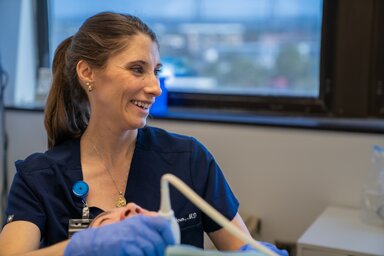
Diabetes and Endocrinology + Cancer Care
New thyroid treatment gives patients an alternative to surgery
News Releases + MUSC News
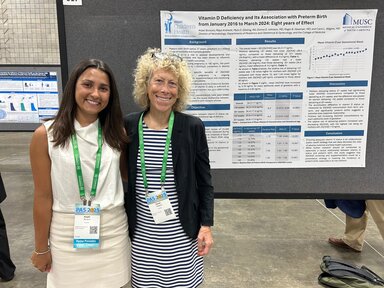
Nearly a decade of research strengthens case for vitamin D in pregnancy

News Releases + MUSC News
Kiawah Island Club’s fifth annual HEARTest Yard Celebrity Classic raises record $400,000

MUSC News + Enterprise
Pro athletes are in good hands with MUSC doctors

MUSC News + Education
Building trust in the AI era: MUSC creates Acceptable Use Framework

Cancer Clinical Trials + Cancer Research
Can making tumors glow improve surgery for head and neck cancer?

MUSC News + College of Medicine
Storm Eye Institute celebrates 50 years of care
Cancer Clinical Trials + Cancer Patient Journeys
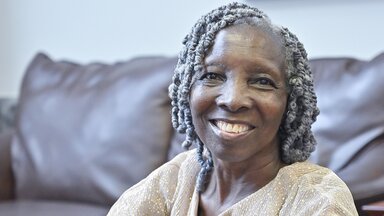
Her ovarian cancer treatment could shape care for future patients
MUSC News + Childrens Health
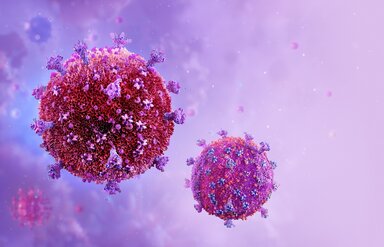
Lowcountry teen with HIV is happy with easier new treatment
MUSC News + College of Medicine
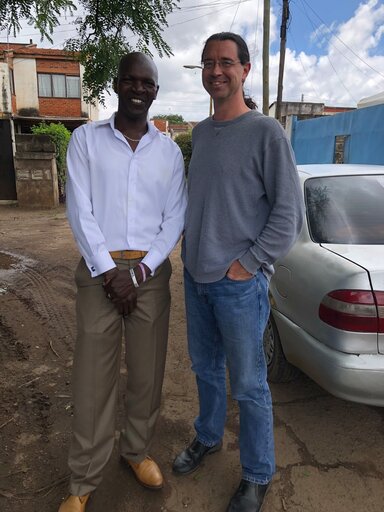
From classroom to Kenya: Center for Global Health grant expands MPH student’s perspective
MUSC News + Research Matters
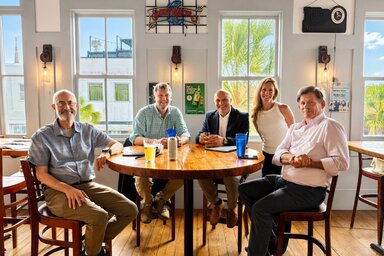
Science Cafe brings the public to MUSC research

MUSC News + Enterprise
Six officers. One fateful day. And 25 years later, lessons of 9/11 live on at MUSC