
At a time when buying weight loss medication can be just a click away, a doctor at the MUSC Health Florence Medical Center is sharing a cautionary tale. Opeyemi “Ope” Komolafe, M.D., helped take care of a patient who accidentally took a double dose of a drug he bought online and wound up in the hospital.
“Upon first sight, the patient appeared exhausted. On clinical examination, he had impressive evidence of dehydration,” Komolafe said.
“Our first thoughts were that this was likely a case of severe food poisoning or viral enteritis from norovirus.”
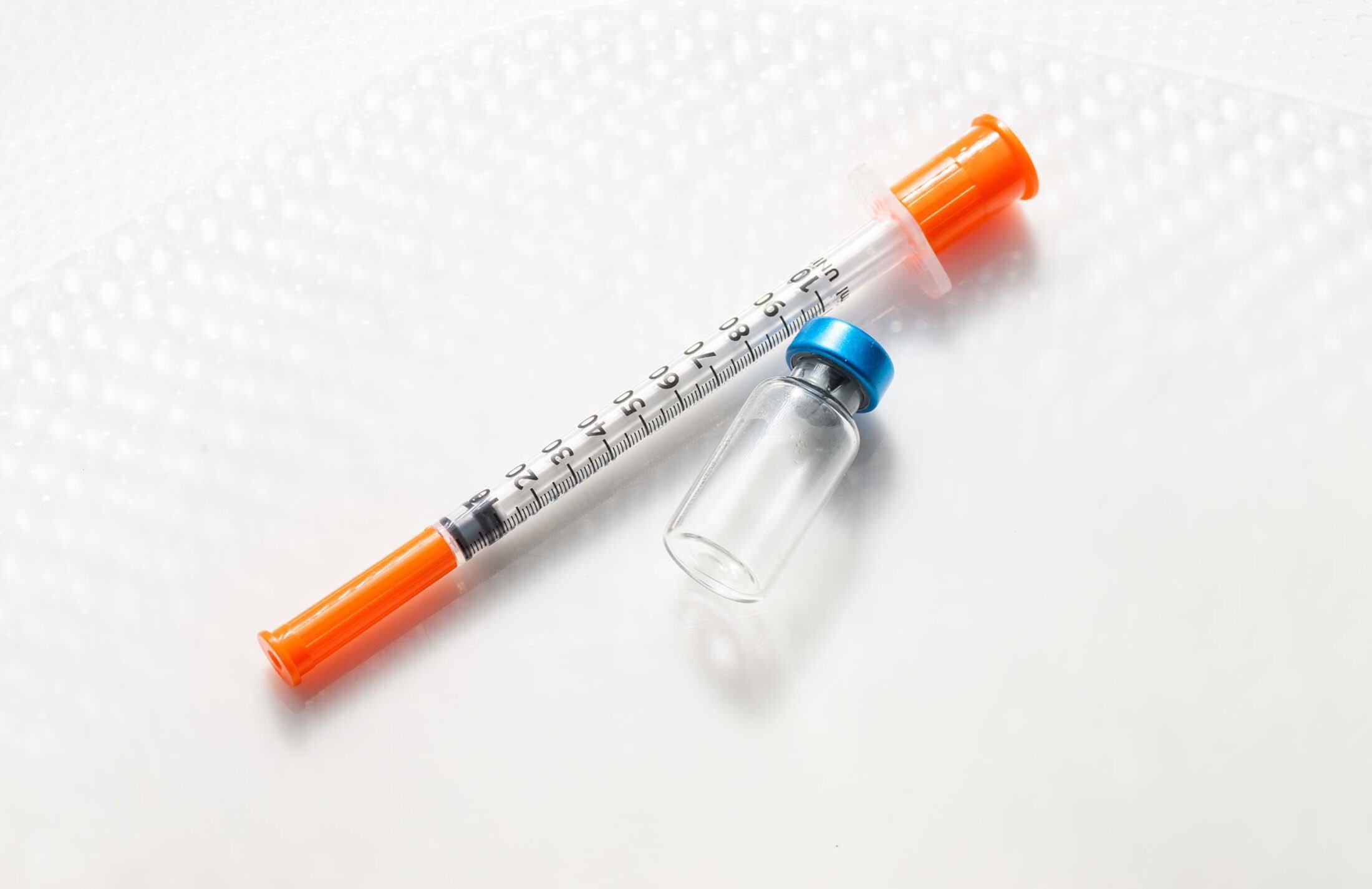
Then, the patient said he’d been taking an experimental weight loss medication that hasn’t been approved by the Food and Drug Administration. He took a dose, forgot that he’d done that and took a second dose the next day. He developed what Komolafe called intractable diarrhea – a problem that lasted for days.
Doctors tested the man for potential bacterial and viral culprits, but all tests returned negative. So they settled on the medication as the likely culprit.

If the man hadn’t come into the hospital, Komolafe said the consequences could have been serious. “In these instances, we are most concerned about complications from rapid depletion of fluid and electrolytes. This can lead to various complications including acute kidney injury, low potassium levels, which predispose to abnormal heart rhythms, and low blood sodium levels, which can cause mental status alterations, including coma, when severe.”
Before coming to the hospital, the man had been having bowel movements every 20 to 30 minutes. After he arrived, the care team gave him IV hydration, potassium replacement and anti-diarrheal medication. Over the course of a few days, his kidney function improved and his dehydration eased. He went home on the fourth day. Doctors encouraged him to see a primary care doctor to establish care and help with his weight loss concerns.
Komolafe decided to write about the case in the journal Annals of Internal Medicine: Clinical Cases to try to help others. “It was an unusual clinical presentation of complications that could arise from a group of medications that are currently in the mainstream. It really was a bare-bones report not focused on the scientific aspects of the medication but more on the public health benefit.”
He has this takeaway for the public. “Basically, it’s a message of caution that highlights the potential dangers from the use of non-prescribed medications, especially since many of these can be sourced via direct-to-consumer channels. Sometimes, the composition of these agents can be unpredictable,” Komolafe said.
“The right medicine taken in the wrong way or dose can become a poison. Patients should be encouraged to discuss any medication questions that they may have with their health care providers. Finally, patients and/or their caregivers should adopt unique strategies that ensure that the risk of double dosing on medications is considerably reduced.”
Helen Adams
Recent MUSC News stories