
Driven largely by better screening and a broader definition of autism spectrum disorder (ASD), more kids are being diagnosed with autism than ever before. In 2000, for example, 1 in 150 children were diagnosed with autism as compared with 1 in 31 children in 2022.
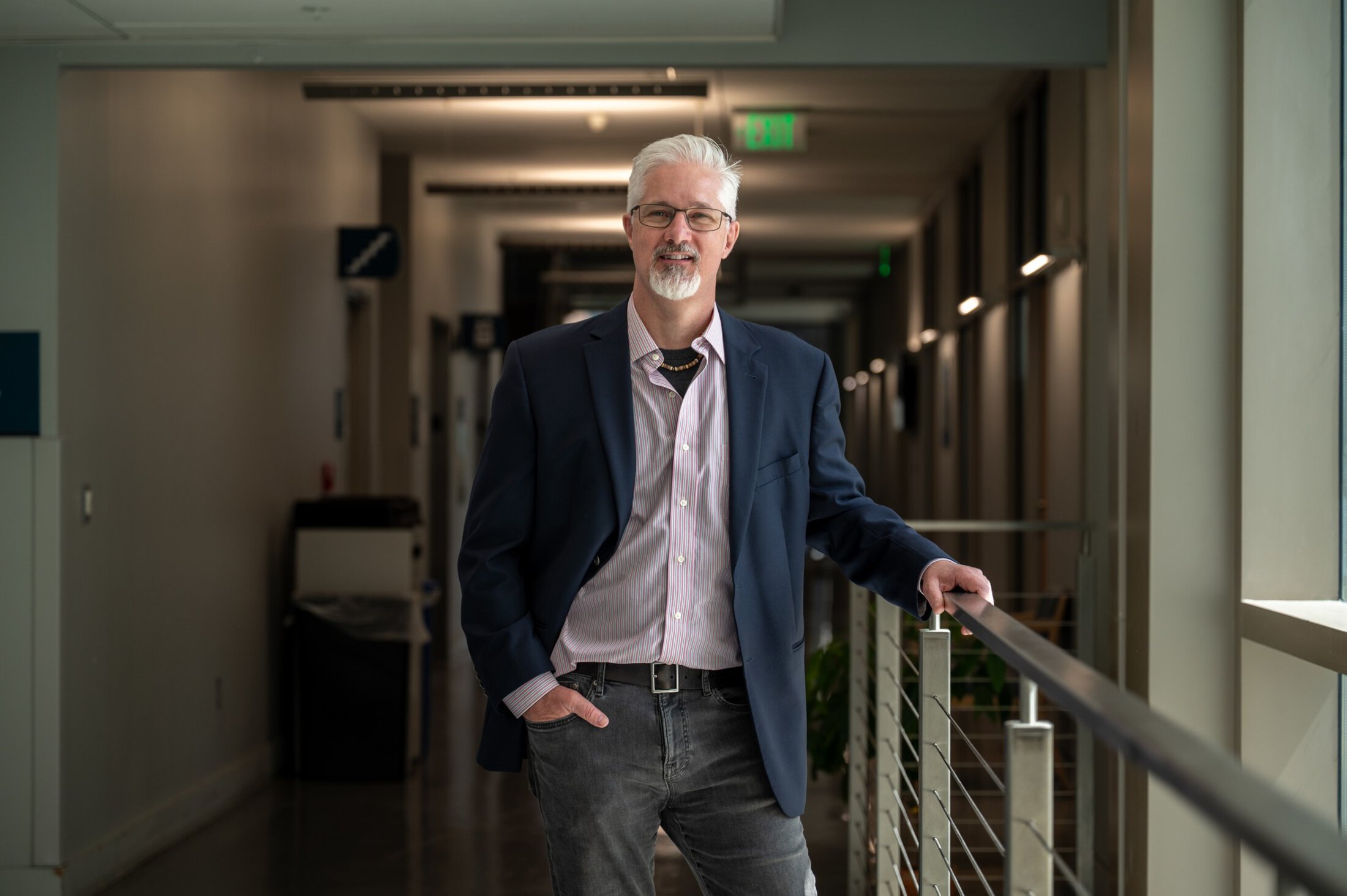
With interest in autism rising, organizations such as the Simons Foundation Autism Research Initiative (SFARI) have spent millions of dollars looking for genetic links and possible treatments for this condition. Medical University of South Carolina (MUSC) has been the recipient of SFARI’s generosity – specifically, the lab of Christopher Cowan, Ph.D., professor and chairman of the Department of Neuroscience at MUSC.
One focus of Cowan’s research, which is also funded by the National Institutes of Health (NIH) and other foundations, is single-gene causes of severe forms of syndromic autism.
“About half of my lab studies brain development, and the other half of my lab studies mechanisms involved in relapse and drug addiction,” Cowan said. “It's a really weird mix of things on the surface. Those two things don't necessarily interact, but in the end, it's all about genes and proteins and molecules in the brain and how developing and mature brains function and change in different contexts.”
Single genes
Cowan studies single-gene causes of ASD, which account for a smaller share of cases. These genetic changes are often associated with more severe forms of autism that may require lifelong, around-the-clock care and frequently include other related conditions. One such gene is MEF2C.“The Simons Foundation in New York was really one of the first groups to push the idea that we needed to have a better understanding of the genetic influences of autism,” said Cowan.
MEF2C is a gene that provides the instructions for making a protein that plays a key role in typical brain development and function. When one copy of the MEF2C gene is missing or not working correctly, it can lead to a group of related conditions known as MEF2C Haploinsufficiency Syndrome (MCHS). This syndrome is characterized by ASD, language deficits, seizures, intellectual disability, sleep disturbances, immune dysfunction and motor and sensory system deficits. More broadly, genetic variations near the MEF2C gene have also been linked to conditions such as bipolar disorder, major depressive disorder and schizophrenia.
Synapse pathology and parallel treatments
Cowan explained that the genes that increase the risk of autism are disproportionately associated with synapse function. A synapse is the point at which a nerve impulse passes from one neuron to the next.Cowan’s lab is developing two potential treatments designed to increase the amount of this critical protein in brain cells. For his contributions to autism research and push for MCHS treatments, Cowan was recently honored with a Brain and Behavior Research Foundation Distinguished Investigator grant.
One approach uses a harmless, nonreplicating virus to deliver a working version of the MEF2C gene into brain cells. Once inside, the cells can begin producing more of this critical protein, which Cowan hopes will restore normal function.
“The advantage of the viral gene therapy is that this could be a one-shot cure. Because this virus continues to work in the body, the benefits could last for years – potentially for decades,” said Cowan. “If an individual comes into the clinic with symptoms of MEF2C haploinsufficiency, we can intervene with this viral therapeutic and potentially provide long-lasting improvement,” he added.
The second strategy takes a different approach, using RNA to help cells increase production of MEF2C protein.
“We can take a small, synthesized piece of RNA that we introduce into the nervous system, and through a little bit of magic in the way that the cells regulate the protein level, we can increase MEF2C levels."
Unlike the gene-based approach, this second option would be delivered continually, similar to taking a pill every few months, which allows for the dosing to be adjusted over time to give better therapeutic control.
Both approaches are advancing at a similar pace and are expected to move into clinical trials.
Cowan thinks that these strategies could have implications far beyond MEF2C and possibly serve as a roadmap for other single-gene causes of profound autism.
“If we can make this work for MEF2C, it could open the door to treating many other single-gene causes of disorders like this. It really has the potential to be a plug-and-play approach.”

Naveed Saleh
Recent MUSC News stories