
When Patricia Jackson needs help at her horse farm in Lugoff, South Carolina, just outside of Columbia, she doesn’t have far to look. Family, friends and neighbors have rallied around her since her ALS diagnosis – often just minutes away when she needs them.
She can’t say enough about the people who have supported her. “Even though my sons now live 30 minutes away, I can have people here in a minute’s notice if I need anything – anything at all,” she said.
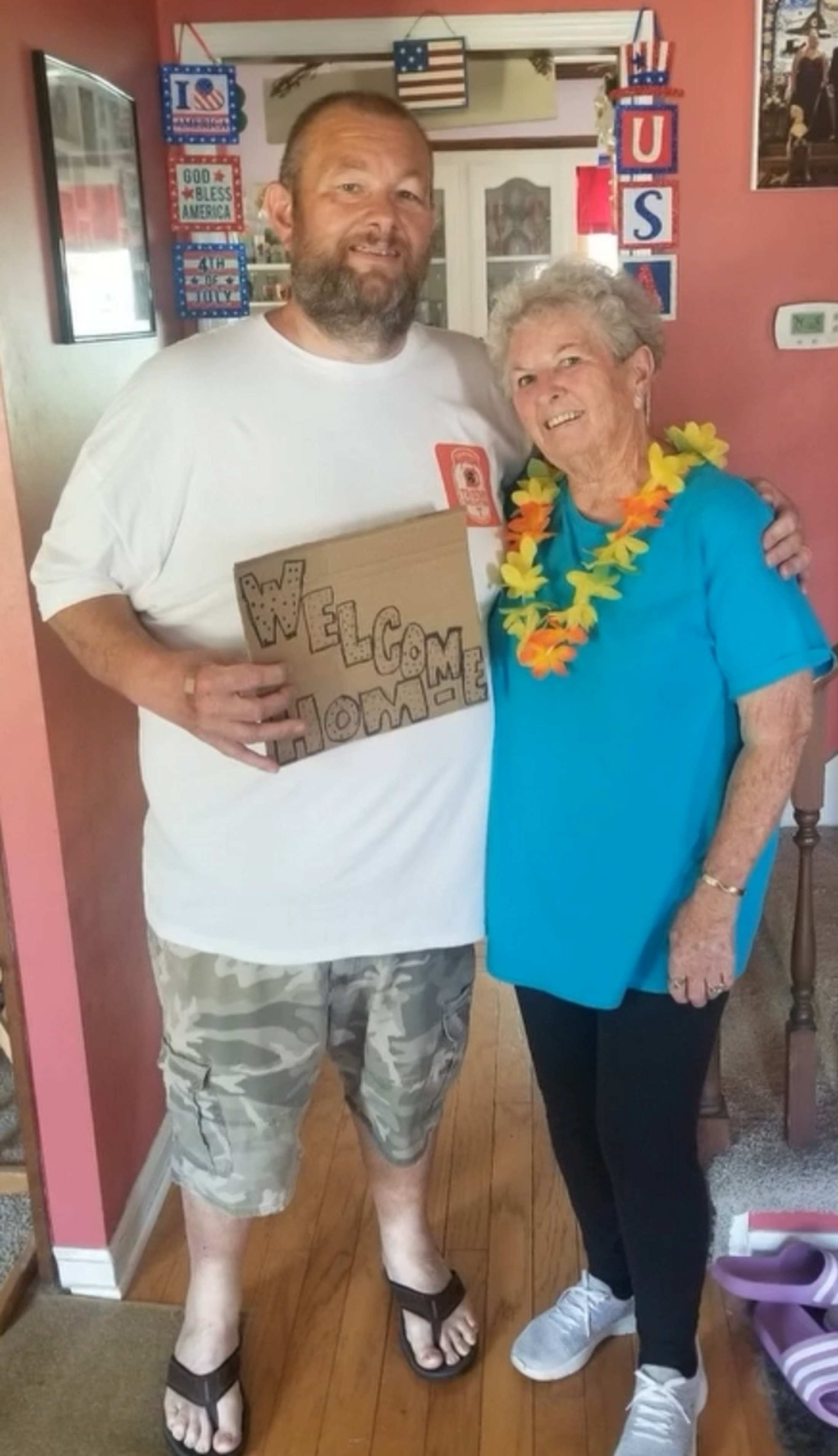
She also can’t say enough about the care she has received at the ALS clinic at MUSC Health. Being from Lugoff, it takes Jackson roughly two hours to get to Charleston for her appointments. Her son, C.J. Jackson, drives her, and they stay with a friend of his, who also happens to work for MUSC, when they are in the area.
“Everyone there is very personable,” C.J. said. “I am in touch with them a lot. In fact, I was just talking to them about a prescription for my mom.”
Jackson said that she likes how convenient they make everything. “When we come to Charleston, we are in appointments all day. Everything is scheduled together, and they don’t make you wait. If you have to contact them about something, they respond in a timely manner.”
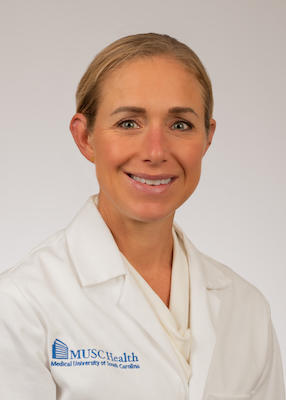
Sarah Breevoort, M.D., Ph.D., is the director of the ALS clinic in Charleston. When she talks about her patients, she beams. They inspire her both professionally and personally.
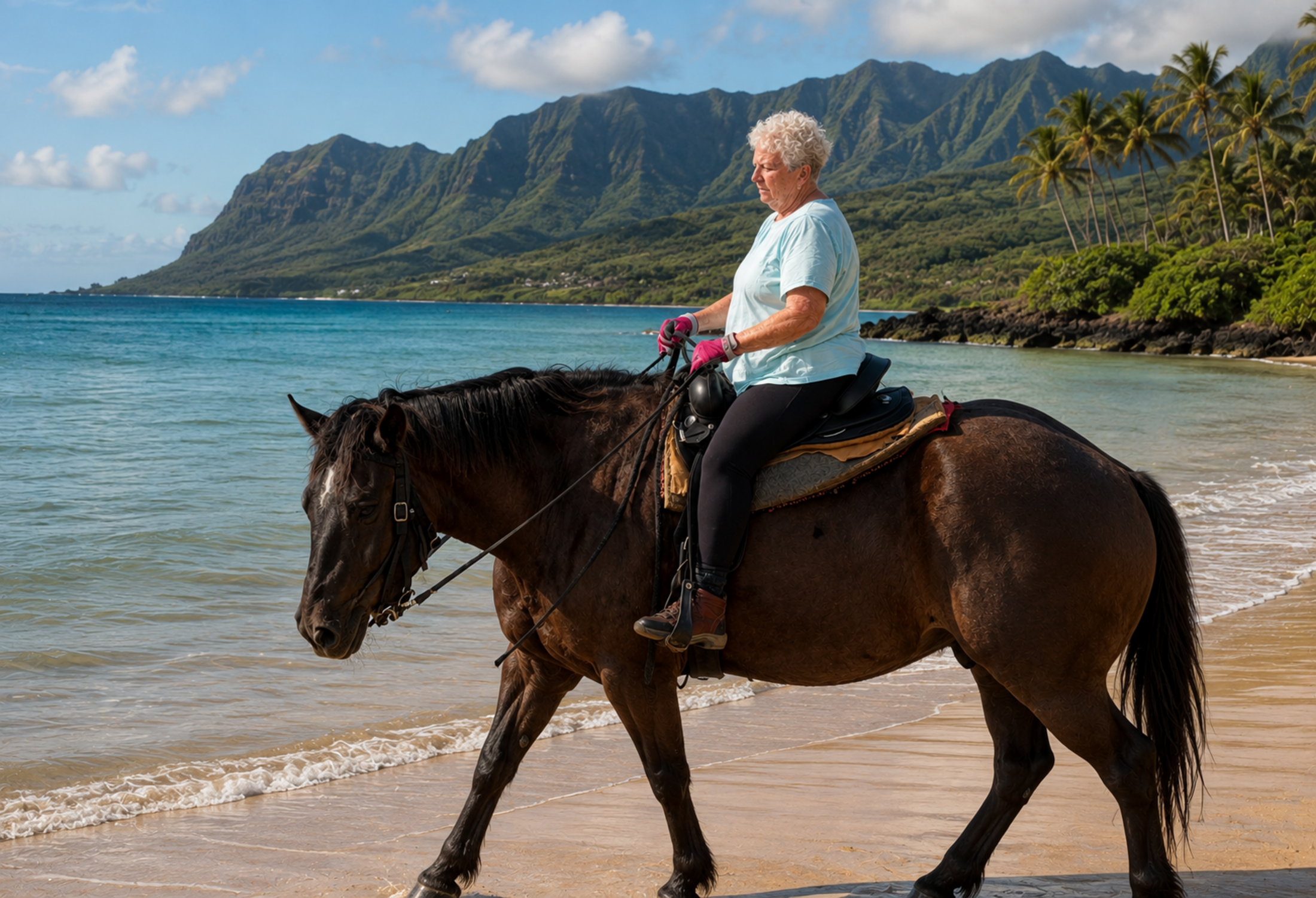
“The first day I met Patricia, she asked me if she could keep riding her horse. At that time, I didn’t realize what that truly meant for her or her history in the equestrian community,” Breevoort said.
Jackson is 74 years old and was diagnosed with ALS in April of this year. She said she has been riding horses since she was 3 years old and living on the 9-acre horse farm in Lugoff since 1982. She was married for 50 years before her husband passed away.
A lifelong avid traveler, she is closing in on her goal of riding her horse in every state in the U.S. Only Arkansas remains, and she plans to check it off the list next month.
“As long as I am mobile and I can go and do things, I am going to do it. Even if it is at a slower pace, I am going to do it,” she said.
Jackson has always been a go-getter, jetsetter and one who rarely sits still. She was a judge at the 1996 Atlanta Olympics for an equestrian jumping event, and she appeared on the mega-hit television show “Survivor” in 2002 as a contestant, which was filmed in the South Pacific.
With help from a neighbor friend, she continues to take care of horses on her farm. She has scaled back to two horses, and she takes a lot more breaks in between chores, but she’s still at it.
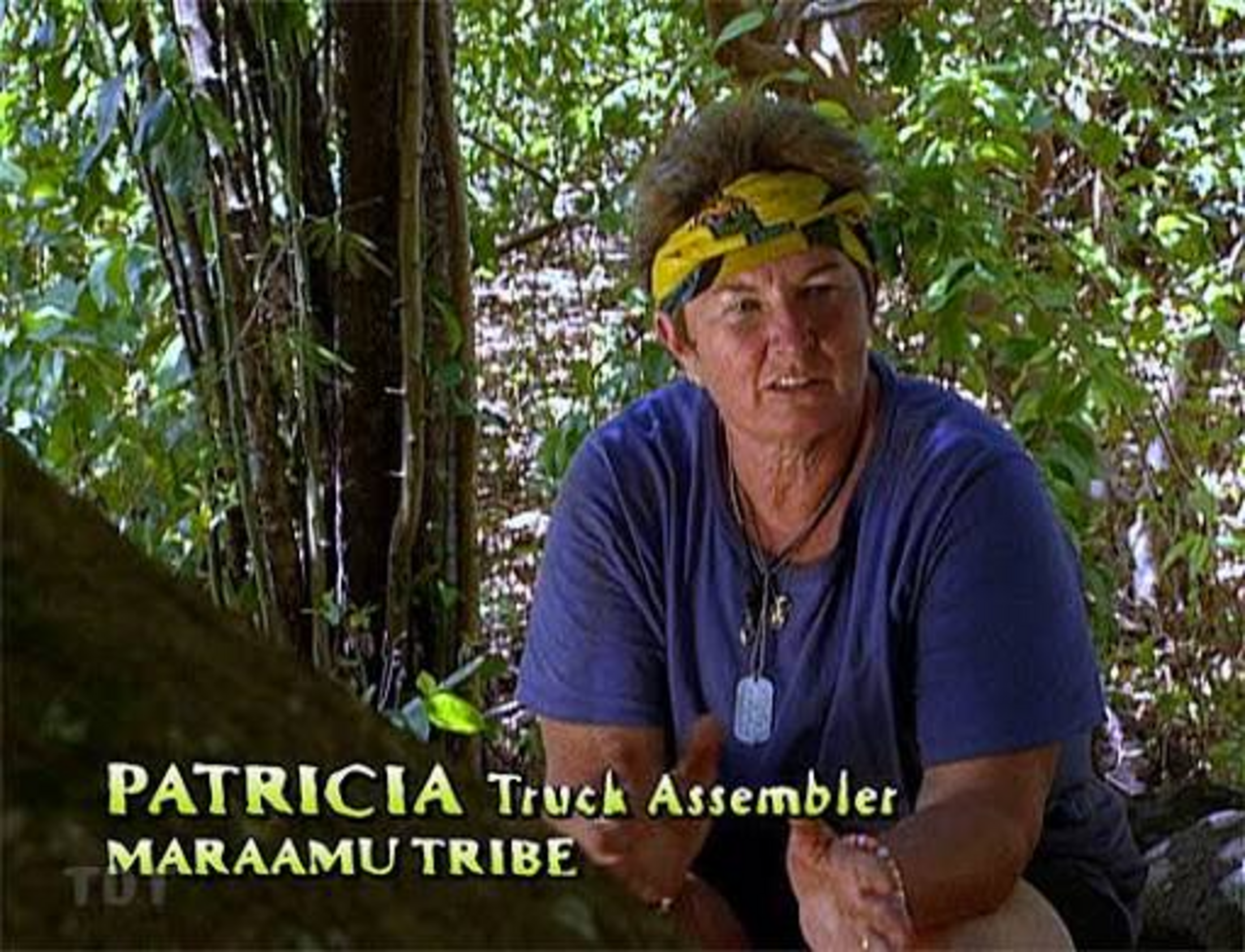
ALS is a nervous system disorder that affects motor neurons, which are the nerve cells responsible for controlling voluntary muscle movements. As the neurons fade, signals cease to the muscles, resulting in muscle weakness, twitching and eventual atrophy.
“People with ALS might be grieving changes in independence, family roles, careers, relationships and hobbies. As medical professionals, we must understand what makes each person feel alive and then help them preserve, adapt or rediscover it,” Breevoort said.
MUSC’s ALS clinic is the only ALS Association Certified Center of Excellence in the state. Its team works closely with nearby ALS centers to ensure that patients have access to the best possible care and clinical trial opportunities. The clinic in Charleston serves ALS patients throughout South Carolina as well as parts of Georgia and North Carolina.
“ALS can be physically, emotionally and financially demanding, and many of our patients travel significant distances to reach us,” Breevoort said. “That’s why multidisciplinary ALS clinics are so important. Rather than asking patients and families to coordinate numerous appointments across multiple locations, they can see their entire care team in a single visit.”
That team consists of physicians, therapists, respiratory therapists, speech-language pathologists, dietitians, pharmacists, social workers, genetic counselors and ALS Association representatives along with other specialists throughout MUSC and in the community.
Our clinic is more than a collection of specialists. We consider ourselves a family, and the families we care for become part of that fabric.
“Our clinic is more than a collection of specialists. We consider ourselves a family, and the families we care for become part of that fabric. Over the past year, as our program has grown, we’ve seen what can happen when patients feel supported, empowered and encouraged to continue living fully despite ALS. Patricia is a wonderful example of that. Her goal of riding in all 50 states is an inspiration,” Breevoort shared.
C.J. said he is extremely proud of his mom and how she has handled the diagnosis. “God put this on her, and I know she can handle it. Something good will come out of it,” he said. “She is truly an inspiration to a lot of people, and I’m incredibly proud of the way she is tackling this diagnosis head-on and continuing to live life on her terms.”
For Breevoort, some of the most important ALS care begins with understanding what matters most to each patient.
“Our team can prescribe medications, manage symptoms and provide equipment, but some of the most meaningful care begins when we ask, ‘What brings you joy? What keeps you fulfilled? And how can we help you continue doing those things?’ We may not yet be able to cure ALS, but we can help people continue to live, love, connect and remain fully themselves throughout the journey.”
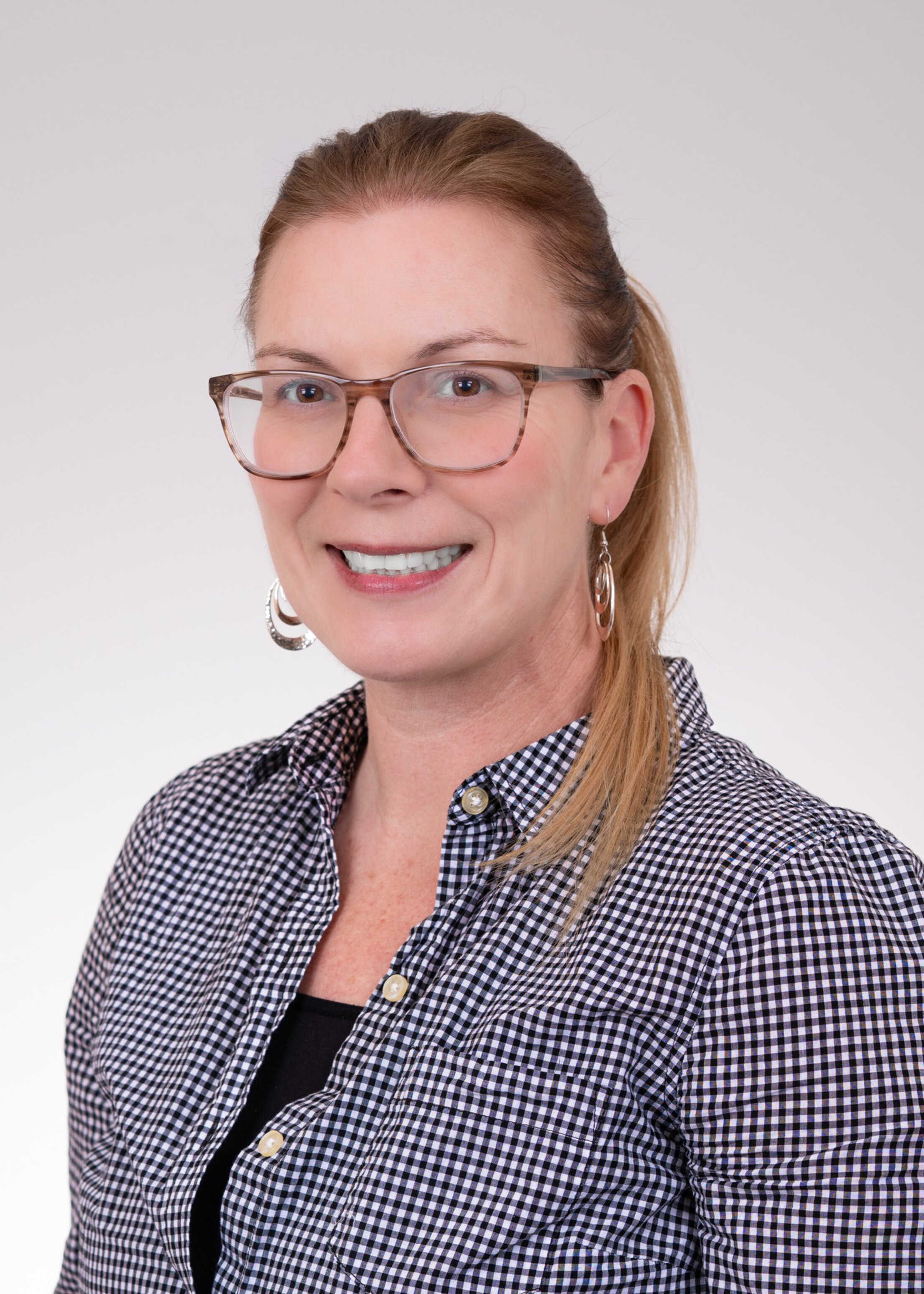
Theresa Stratford
Theresa Stratford is the editor for MUSC’s newspaper, The Catalyst. She has worked as a writer and editor for 25 years since graduating from the University of South Carolina with a Bachelor of Arts degree in journalism and mass communications. As a writer, she has worked for the federal government in cybersecurity and for the Department of Energy. As both a writer and an editor, she has worked for a variety of syndications, including national magazines, such as Vogue Knitting, as well as many local Charleston and South Carolina publications.
Recent MUSC News stories