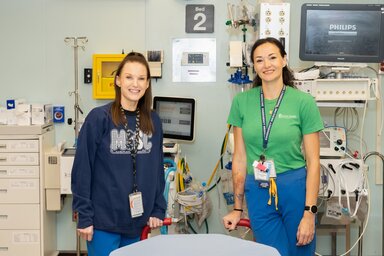

Lauren Turner, a family nurse practitioner specializing in wound care at MUSC Health, is enchanted by the young green sea turtle whose care she’s played a role in. “My team and I love animals. It’s been so sweet. We thought of her like a little princess. Then we learned from the Aquarium that she’s more of a sassy teenager.”
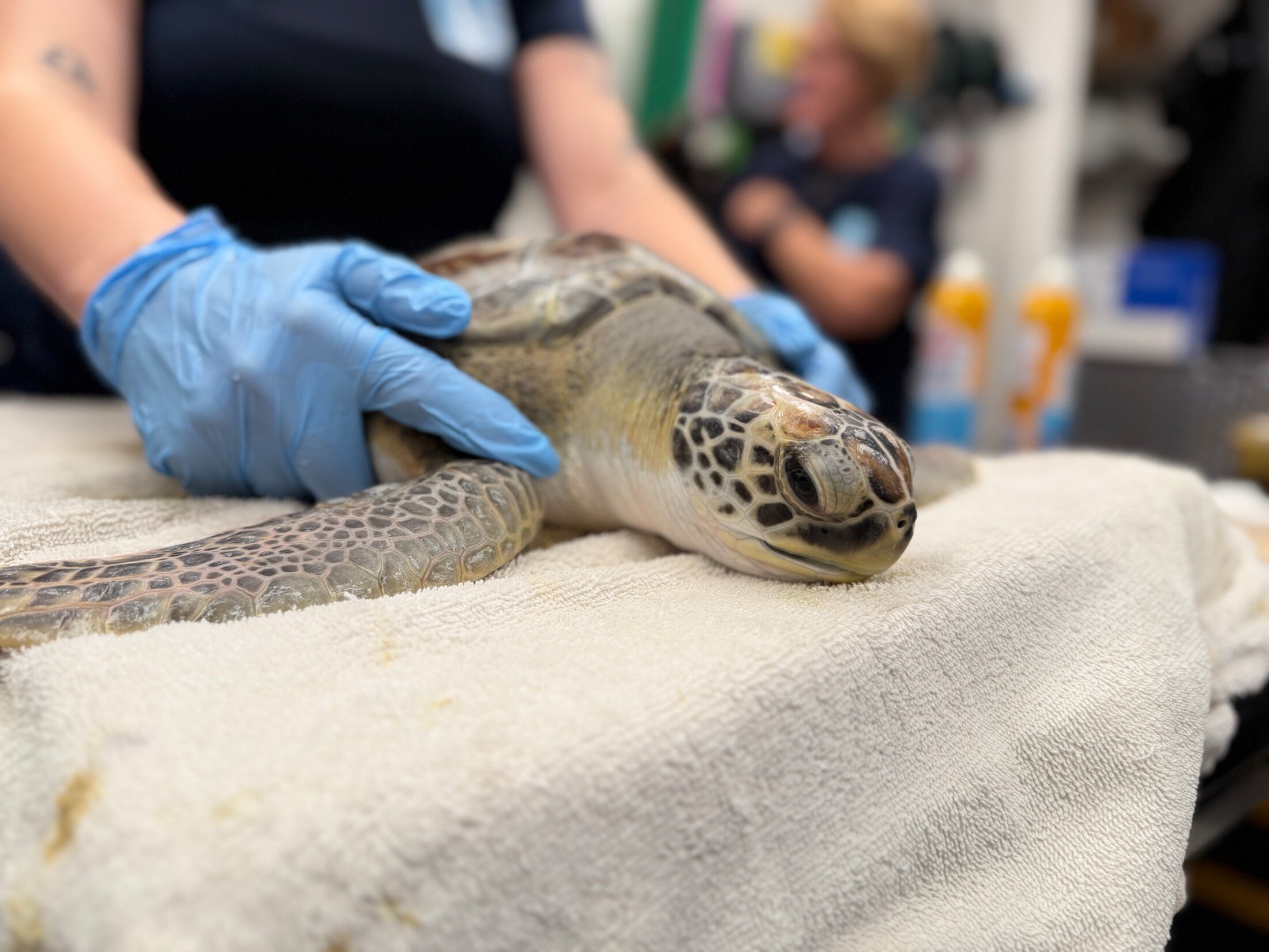
That sassiness has served Rose well. The turtle has needed all of its strength as it recovers from multiple ailments at the South Carolina Aquarium: cold stunning, pneumonia, low body weight and the development that brought her to Turner’s attention: severe damage to her carapace, the upper part of the turtle’s shell.
Rose washed ashore on Seabrook Island, a gated community near Charleston. The South Carolina Department of Natural Resources brought the turtle to the Aquarium, which has a Sea Turtle Care Center.
“Cold-stunned turtles are often very thin, just kind of debilitated all across the board,” said Aquarium veterinarian Laura Whalen.
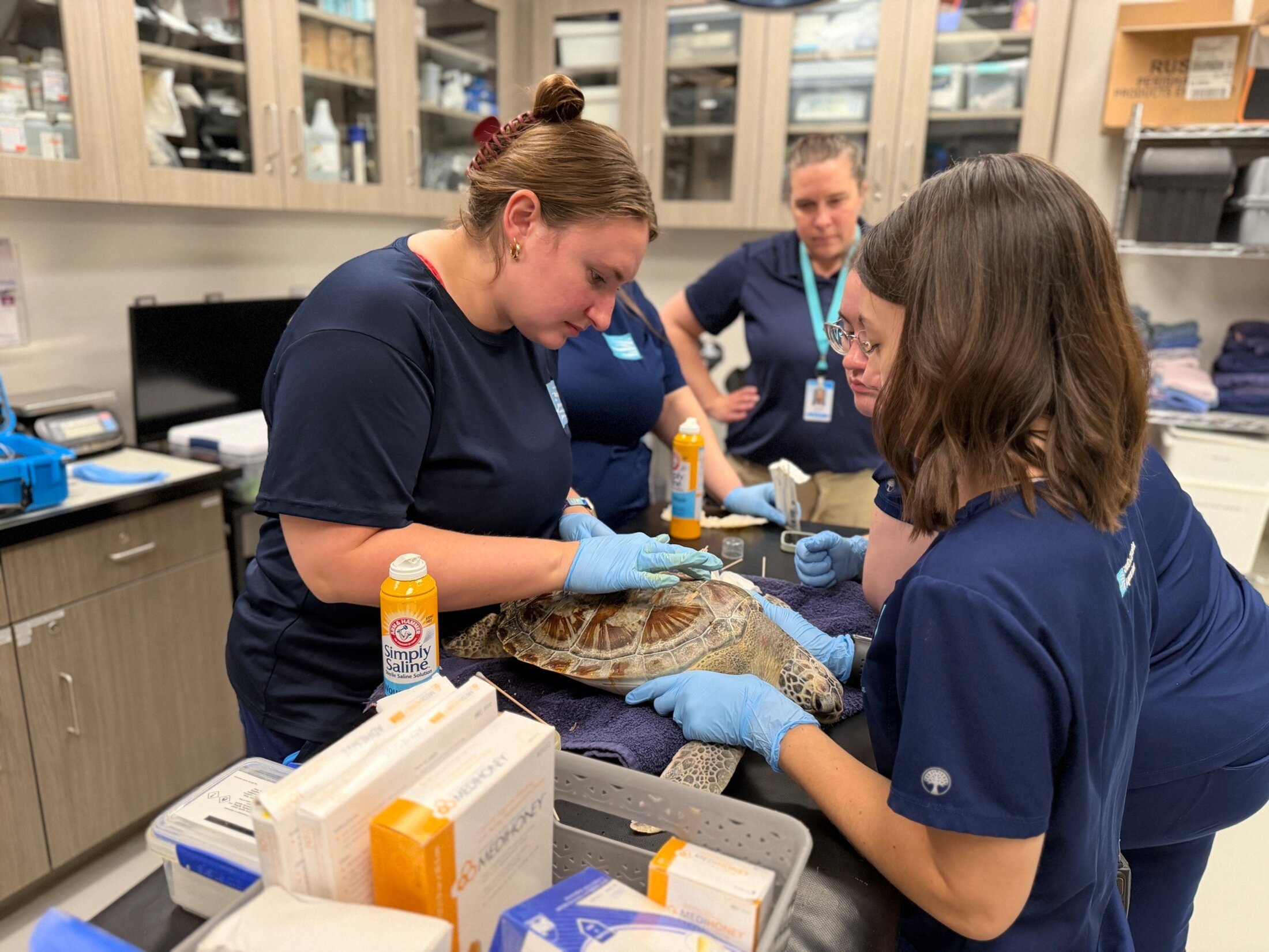
As she and her team treated Rose, the extent of the turtle’s shell damage became clear. “The carapace really, really presented a big challenge for Rose and a big uphill battle. Having the degree of spinal cord exposure, especially over the midline, is not common. It’s not something you normally see as part of their presenting illnesses, and it was very severe.”
If something happened to that exposed spinal cord, Whalen said it could make it impossible for Rose to swim. She wanted the turtle, which weighed just 8 pounds upon arrival, to have the chance to grow up. Adult green sea turtles can weigh 300 to 350 pounds and can live for at least 70 years. They swim thousands of miles in their lifetimes.
So figuring out how to protect Rose’s spinal cord was essential. The Aquarium reached out to MUSC Health, which has worked with the veterinarians in the past.
“Collaboration is huge across the board in this field,” Whalen said. “Veterinary medicine is a smaller field. And then you look at aquarium sea turtle medicine, and it gets even smaller. So by leaning on our colleagues in human medicine, and specifically MUSC, we’re able to pull knowledge, pull resources, pull experiences to provide gold standard care.”
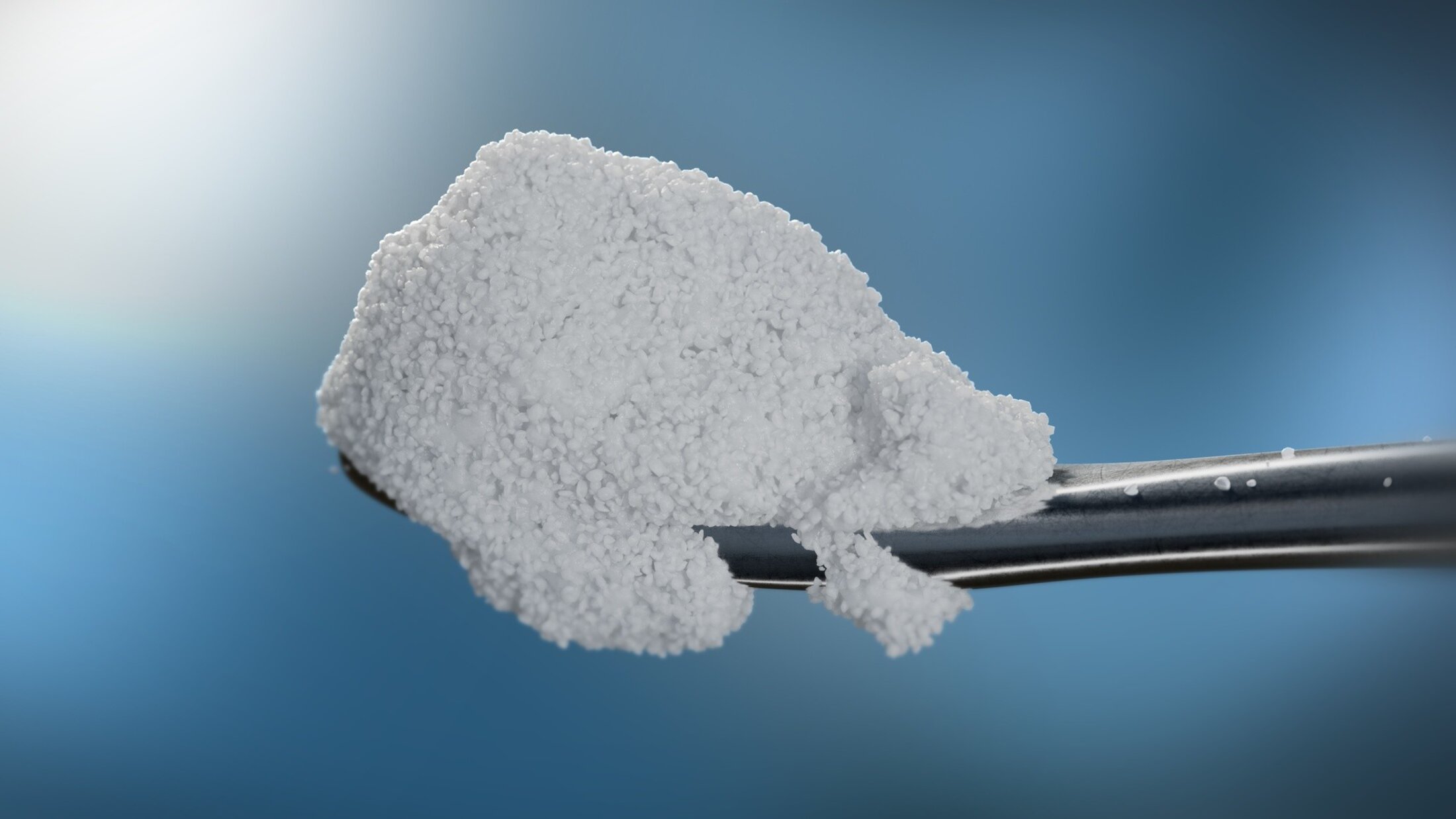
Turner, the wound care expert at MUSC Health, and wound care nurse Glenda Burnette discussed Rose’s case. They recommended a product called Restrata, which helps repair and heal tissue in humans, for Rose. The wound care team also connected the Aquarium with some local sales reps, which led to a donation of Restrata for Rose’s care.
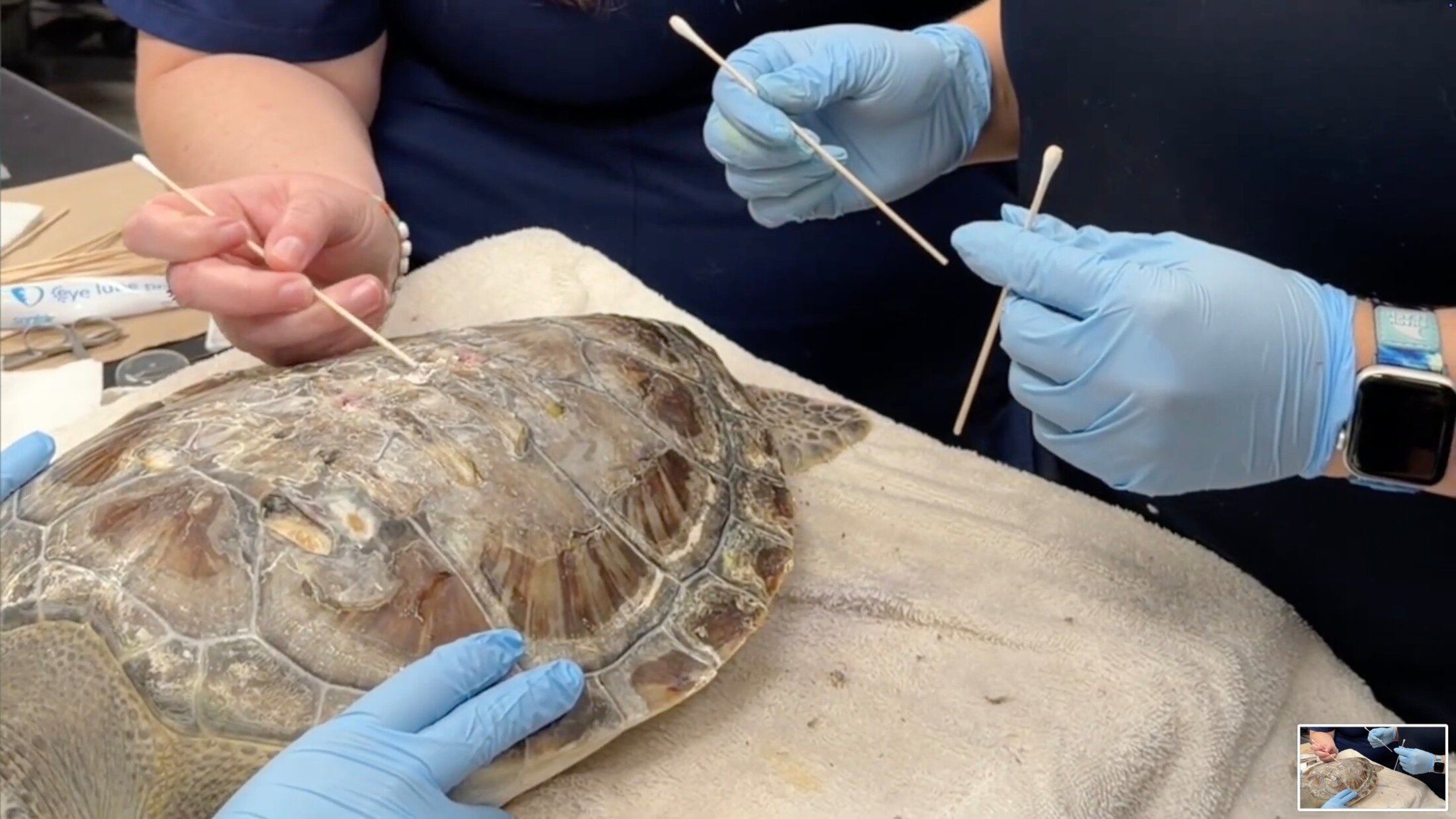
Then, Whalen and her team carefully applied it to the turtle’s back. “We placed it in the areas of concern on the spinal cord,” Whalen said.
To her relief, the tissue on Rose’s carapace is now growing. “The size of the, for lack of a better term, holes that were over the spinal cord, we’re starting to see those fill in. The hope would be that those fill in entirely so that it’s covered,” Whalen said.
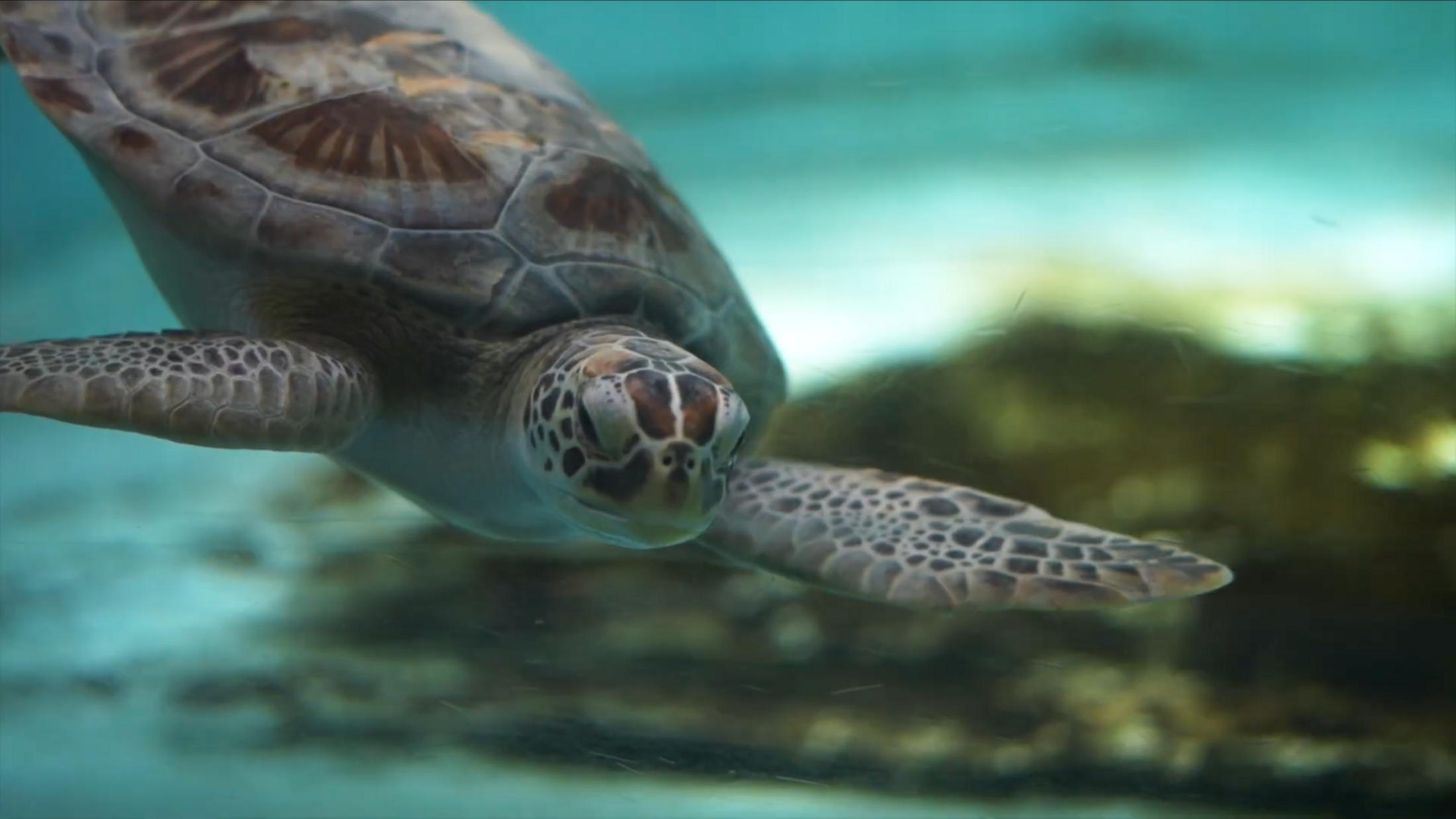
There’s no rushing the process. Rose has been at the Aquarium for almost a year and a half so far. “One thing about sea turtles is that they’re very slow to get sick, but they’re also very slow to heal, just with the way their metabolism works. So we knew it was going to be a long process. But, you know, Rose has been a fighter every step of the way,” Whalen said.
If the turtle is able to return to the ocean, the wound care team at MUSC Health hopes to be there to witness it. “There’s nothing that can stop us. It would be such a joy to see her do that,” Turner said.
Helen Adams
Recent MUSC News stories