

While many at MUSC went about their business on August 20 and 21, something special was happening within the College of Nursing (CON). The End-of-Life Nursing Education Consortium (ELNEC) hosted a two-day summit, advancing a shared commitment to improving the quality of palliative care education and care delivery in the U.S. and around the world. Timing seemed ideal as demand for palliative care continues to rise.
The rise, experts speculate, could be due to an aging population, increased prevalence of chronic disease or greater recognition of palliative care. An article in the Journal of Pain and Symptom Management estimated that there were 33,700 specialized palliative care service delivery teams worldwide in 2025, up from 25,000 in 2017. Additionally, the expansion enabled 10.4 million patients to be cared for in 2025, up from nearly 7 million in 2017. Even with this increase, the widespread need still has not been met.
The summit brought together palliative care experts, educators and clinicians from MUSC and across the country not only to advance palliative care education but also to strengthen interdisciplinary collaboration.
As a global education initiative with a mission to improve palliative care, ELNEC partners with the City of Hope Medical Center in Duarte, California, and the American Association of Colleges of Nursing in Washington, D.C. The vital training ELNEC provides extends to nursing students, practicing nurses, nursing faculty as well as other clinicians.
In July, ELNEC announced that MUSC would join City of Hope and AACN in partnering with ELNEC. As part of this collaboration, MUSC’s Carrie Cormack, DNP, APRN, was appointed ELNEC’s co-director alongside ELNEC’s founder and director Betty Ferrell, Ph.D. Cormack had been leading ELNEC’s international initiatives and serves as faculty for pediatric programming.
The summit
During the two-day summit in Charleston, which drew participants from 23 states, as well as Hungary and Greece, advanced practice registered nurses (APRNs) explored key aspects of palliative care, including critical care, pediatrics, communications and other challenges they encounter in clinical practice. The course followed a “train-the-trainer” model, equipping participants not only to apply what they learned in their own practice but also to share that knowledge with colleagues and strengthen palliative care within their organizations.MUSC provided a fitting setting for the course, with members of its palliative care team joining ELNEC faculty to share their clinical experience and expertise.
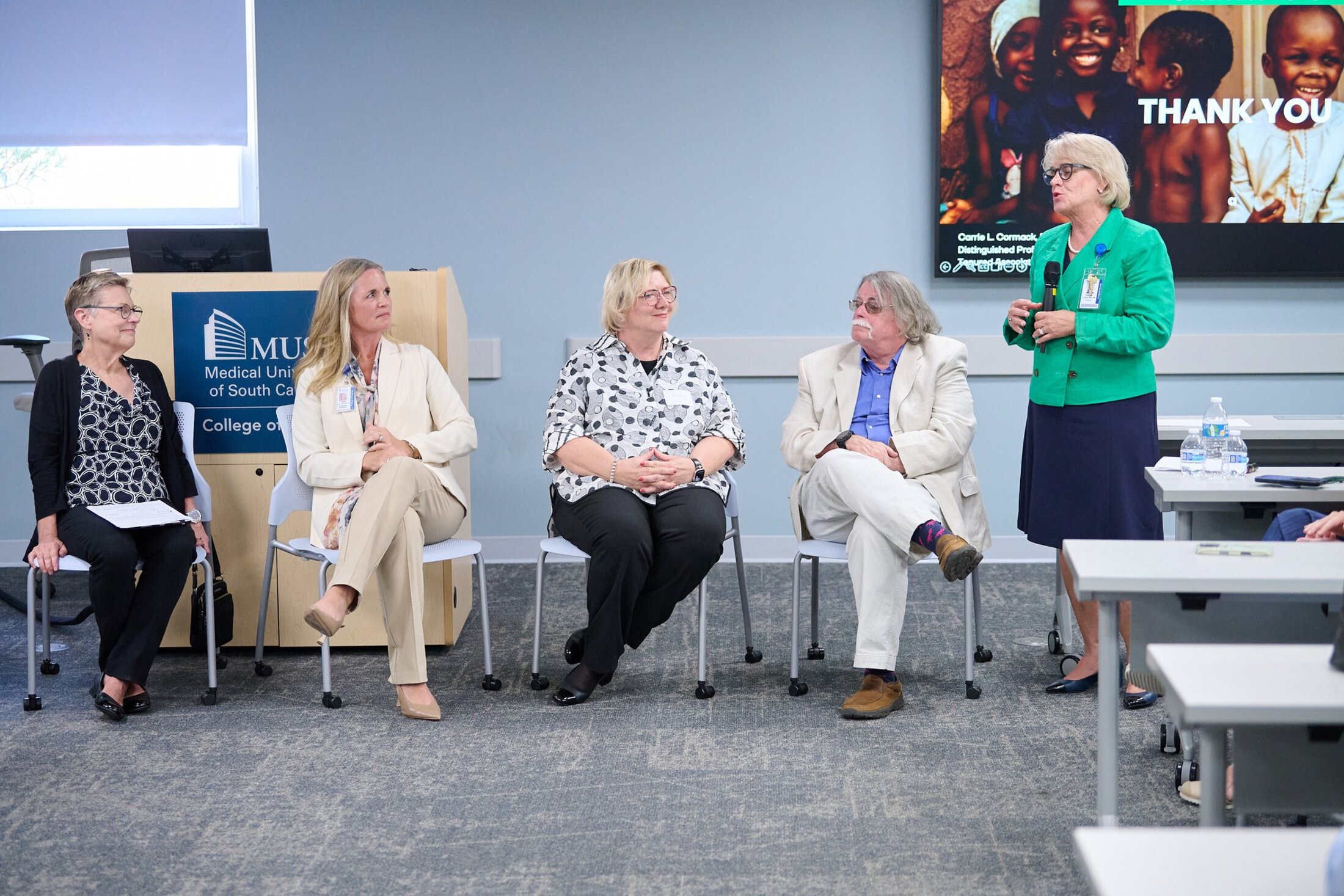
“Our courses cover several topics consistent with the U.S. national guidelines for quality palliative care. This includes pain and symptom management, psychosocial care, cultural and spiritual considerations, ethics, communication and care for patients at the end of life. Our goal for every course is that our participants return to their settings to apply the knowledge to patient care, to train others and to grow as leaders and advocates for improving care,” Ferrell said.
Jessica Bullington, R.N., a palliative care nurse at MUSC, presented at the conference as an ELNEC trainer. “The loss, grief and bereavement module is near and dear to me, both as a person who has experienced loss and a nurse who has witnessed patients and families navigating anticipatory grief and end of life in the hospital setting. Healthcare professionals aren’t typically prepared to meet the emotional needs around these events, and yet patients and families look to us regularly for support and guidance,” Bullington shared.
She added that palliative care is “human care,” and that it is designed to relieve suffering associated with serious illness and to support the patients and their families through every phase. “We hear all the time that they don’t know what they would have done without us,” Bullington said. “Everyone dealing with a serious illness deserves the level of support that palliative care offers.”
We hear all the time that they don’t know what they would have done without us. Everyone dealing with a serious illness deserves the level of support that palliative care offers.
Joan Cain, R.N., a family nurse practitioner on the MUSC palliative care team, presented an APRN course. She said that working in palliative care is everything she dreamed nursing to be. “Palliative care is exactly why I went into nursing to begin with. I wanted to help people at their most vulnerable moments. It is caring for people as a whole and their families. We help people manage their symptoms and make decisions about their health. It’s introducing the concept of a quality of life on the path they are on.”
Cain explained that palliative care nurses work with physicians, social workers, chaplains and a team that includes experts from many fields, such as massage therapists, healing professionals, artists and more. “It is a multidisciplinary team, and you won’t see that in other realms of nursing,” she said.
MUSC Health’s system executive director of palliative care Christina McDaniel, DNP, R.N., agreed with Cain. McDaniel taught sessions at the summit on both communication and teaching palliative care to others.
“Palliative care is inherently multidisciplinary, and the content learned at ELNEC resonates across a wide range of clinical disciplines. The education provided is both rich and practical. I often tell attendees that even if they do not pursue palliative care as a specialty, the knowledge gained is essential for supporting patients and families throughout the course of serious illness,” McDaniel said.
She also stressed that communication is a vital competency in palliative care. “In this module, we covered the components of effective communication, developing the skill of effective communication, how to have difficult conversations in the context of serious illness and conducting family meetings.”

Cormack, who is also a distinguished professor in palliative care, described how excited the attendees were to be there. “The energy throughout the event was incredible.”
“I kept hearing people say that they felt rejuvenated, and that they were excited to share what they learned to their teams back home,” Cain added. “It was like ‘Yes, let’s do this!’”
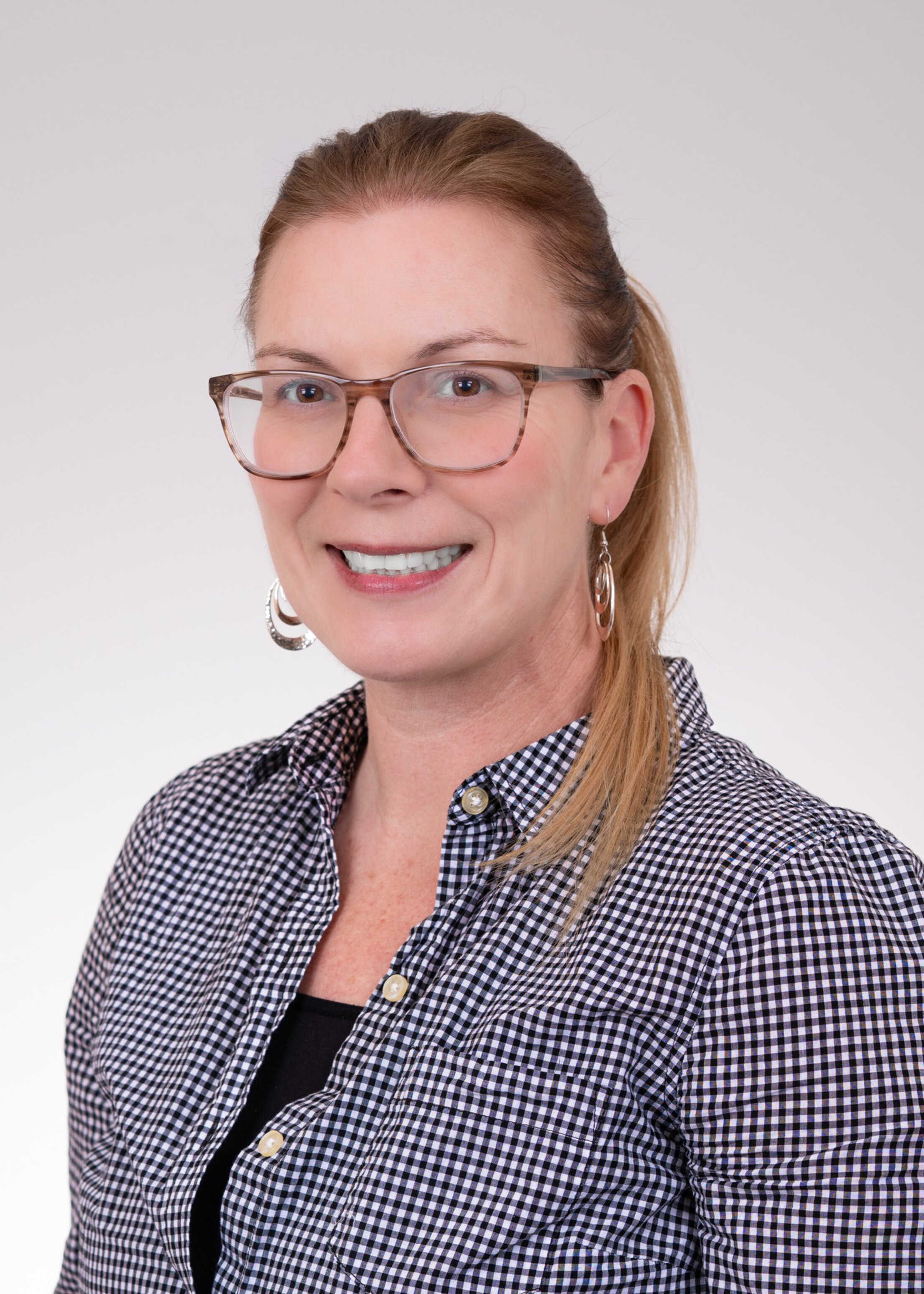
Theresa Stratford
Theresa Stratford is the editor for MUSC’s newspaper, The Catalyst. She has worked as a writer and editor for 25 years since graduating from the University of South Carolina with a Bachelor of Arts degree in journalism and mass communications. As a writer, she has worked for the federal government in cybersecurity and for the Department of Energy. As both a writer and an editor, she has worked for a variety of syndications, including national magazines, such as Vogue Knitting, as well as many local Charleston and South Carolina publications.
Recent MUSC News stories