
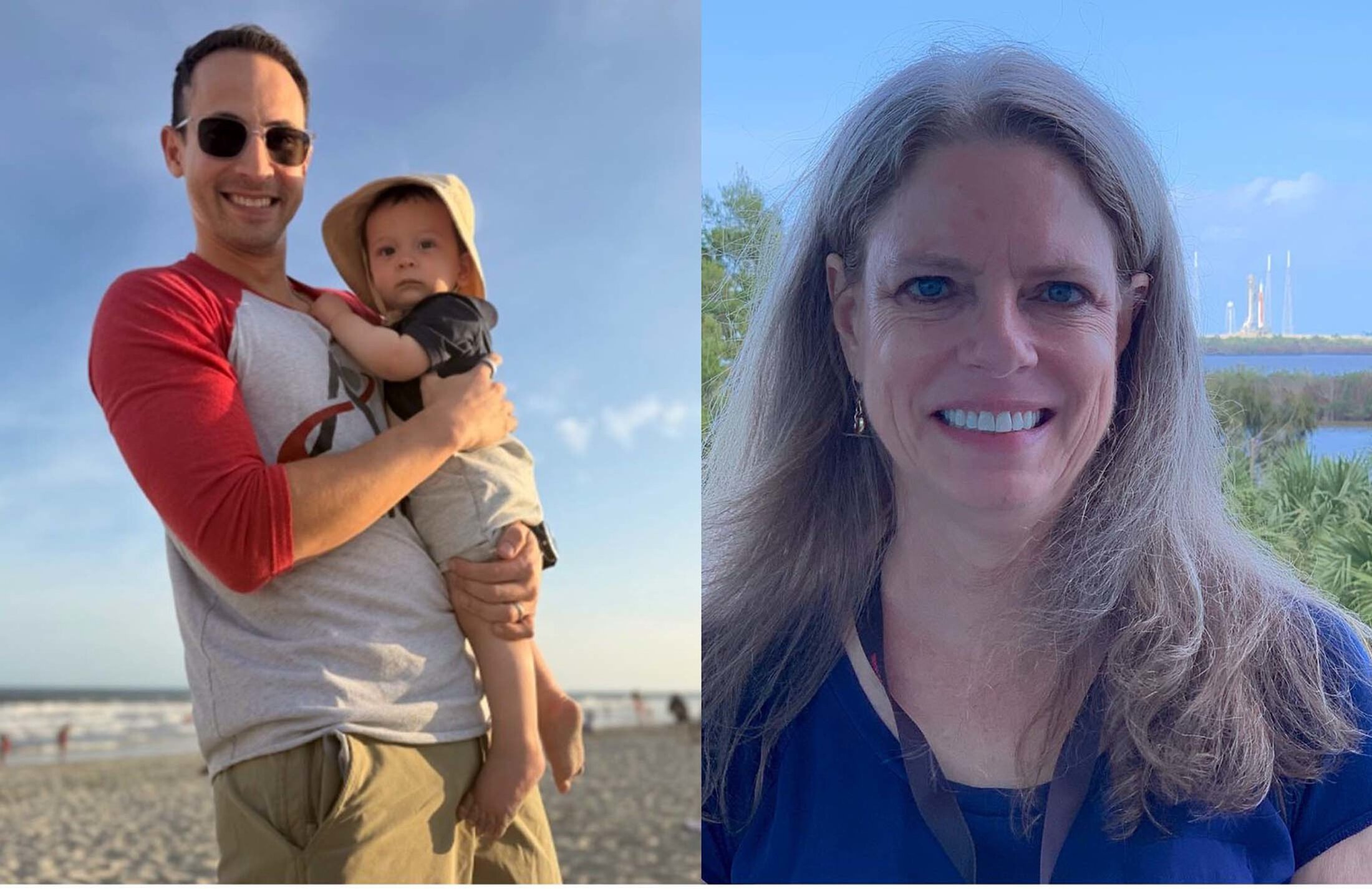
Two aerospace health specialists from the Medical University of South Carolina will be watching closely as the Artemis II travels farther from Earth than any crewed spaceflight before. They study the effects of spaceflight on the human body.
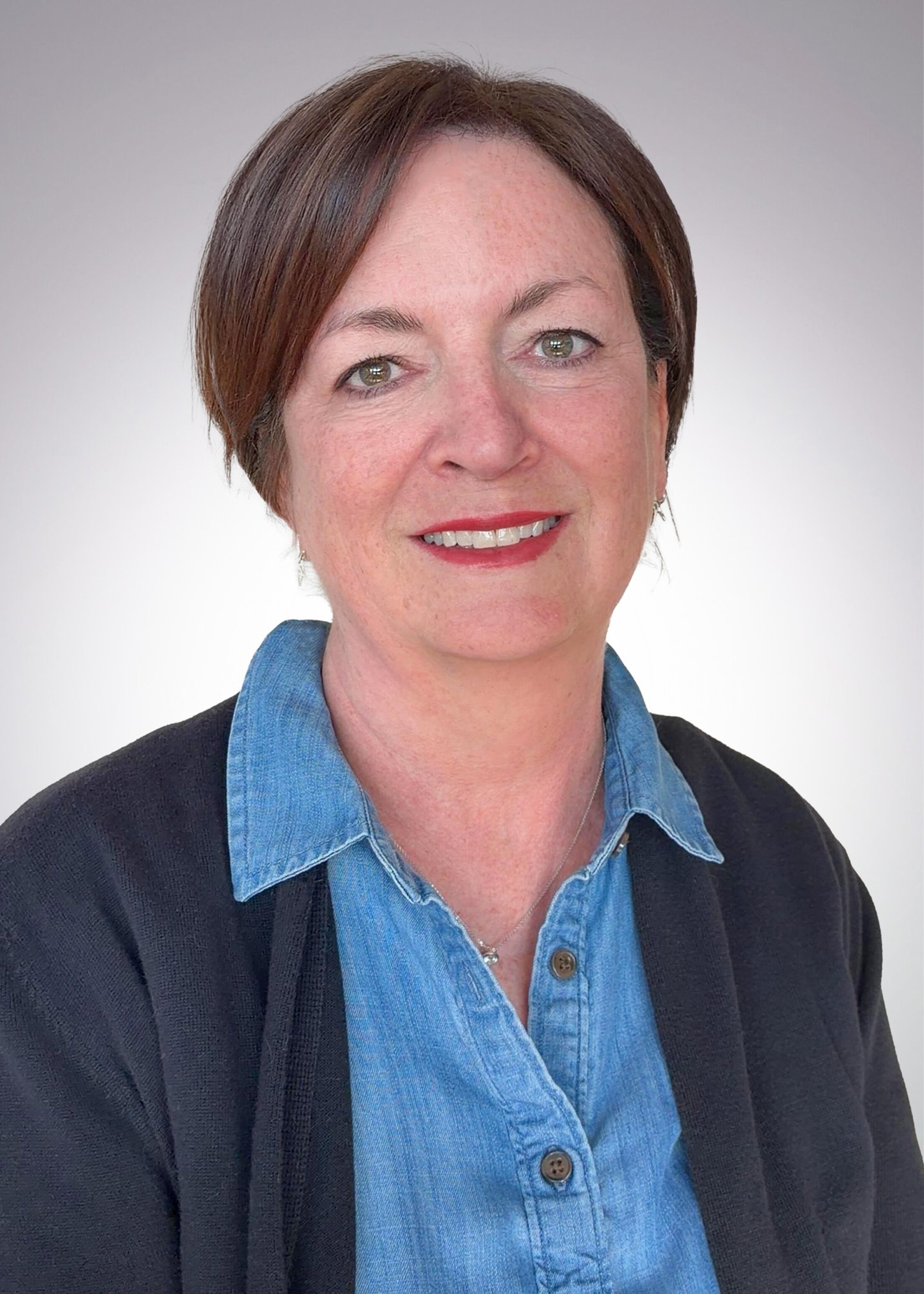
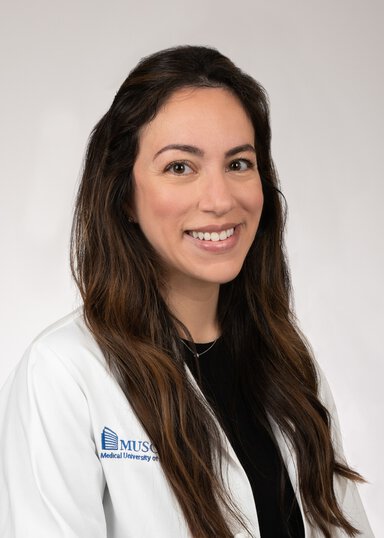
Donna Roberts, M.D., was at the Kennedy Space Center to see Artemis II take off. “I think the main thing that I want to the public to know is that America is actually sending astronauts back to the moon after 50 years,” she said from the launch site.
Roberts, in addition to serving as an MUSC professor of radiology, is the former deputy chief scientist at the International Space Station’s National Laboratory. She’s one of just a few neuroradiologists involved in commercial spaceflight research.
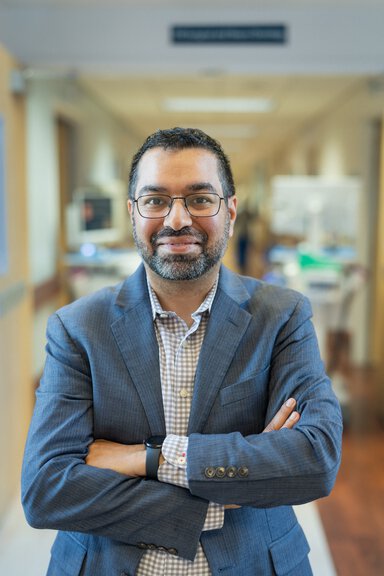
Mark Rosenberg, M.D., hoped to view Artemis II’s launch from a Charleston-area beach with his family. “It's super cool because I grew up hearing those stories from my parents. They saw the Apollo mission. And I think it will be great to be able to share that kind of experience with my son,” he said of 1-year-old Max.
Rosenberg, an assistant professor of neurology, directs MUSC’s Division of Aerospace and Human Performance in the College of Medicine. He has served as a NASA subject matter expert.
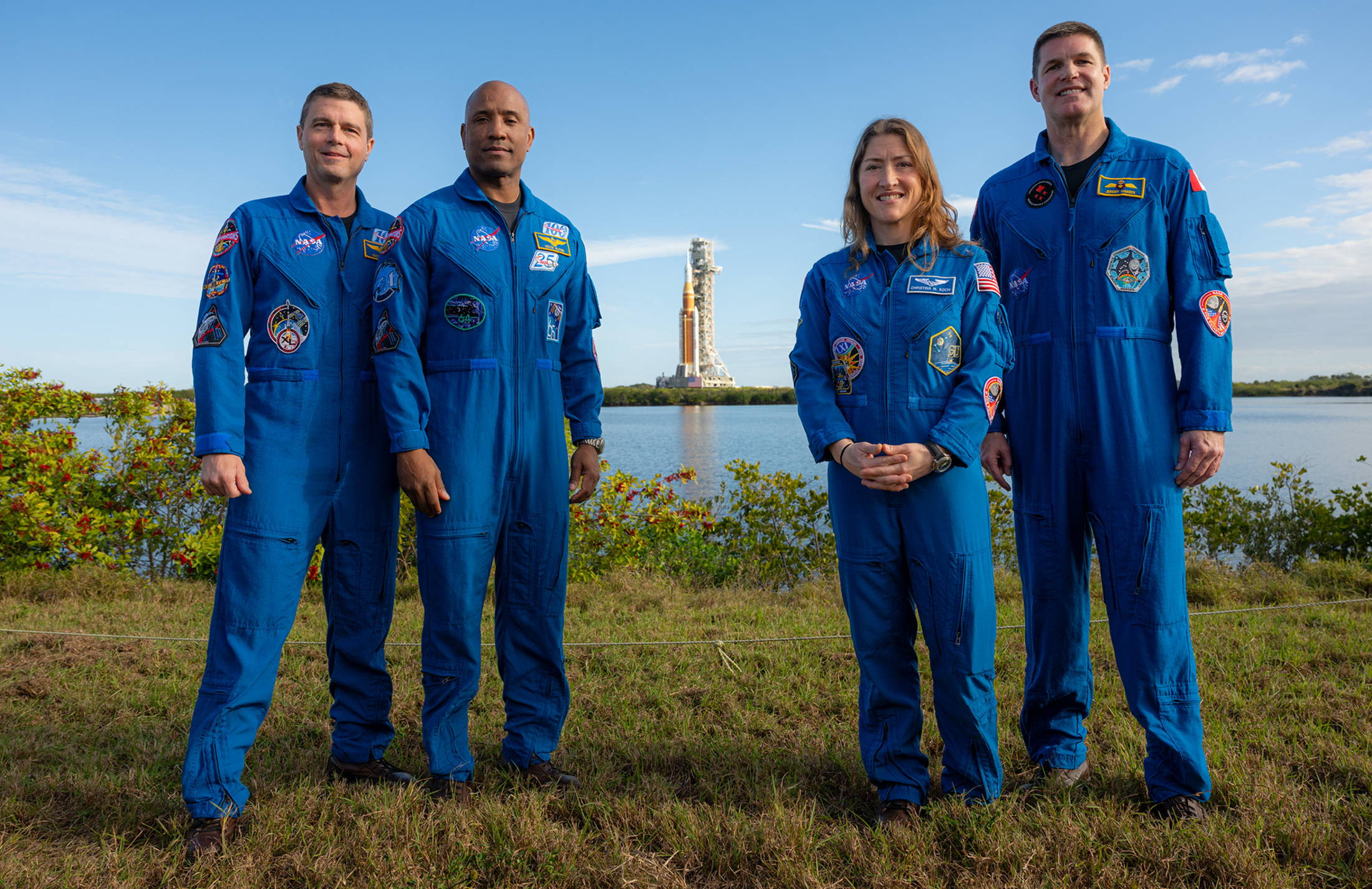
Rosenberg’s experience on the beach with Max comes as Artemis II takes what NASA calls “a key step toward long-term return to the Moon and future missions to Mars.” Its crew of four will do a lunar flyby during its 10-day mission. It’s also scheduled to set records, including traveling about 4,700 miles from Earth. The goal of NASA’s Artemis missions is to “establish a sustained lunar presence on and around the Moon.” Its chief wants that presence to become permanent by 2036.
Rosenberg put that timeframe in perspective. “Realistically, by the time my kid enters high school, there's going to be a colony; there's going to be people living on the moon, which is just a wild, wild thing to say.”
But he and Roberts have long focused on the future of spaceflight, wild as it may sound at times, with an emphasis on protecting the people who undertake it. They’ve conducted studies on spaceflight-associated neuro-ocular syndrome, aka SANS, and projects focused on the brains, stress and sleep patterns of astronauts. And they’ve emphasized the need for more protocols as spaceflight becomes more common.
They know new achievements lead to new considerations. Case in point: Artemis II’s planned distance means it could take longer to get an astronaut back to Earth if there’s a medical issue. That’s a real concern. A spaceflight had to return early in January after an astronaut temporarily lost the ability to speak. It’s unclear what caused that.
But another concern is clear. It involves a new type of territory for the astronauts, Rosenberg said. “The Earth is protected by something called the magnetosphere, which is basically an artifact of how the planet spins around this metal core that creates this magnetic ring that protects us against radiation. And the moon is within this radiation. But the further you go away from Earth, the less protection you have. So there is a theoretical increased risk of radiation exposure. But it’s a risk NASA has prepared for.”
Rosenberg knows firsthand about NASA’s preparation. He’s part of a NASA working group focused on reducing the risk of venous thromboembolisms and SANS in space. He’s headed to Houston in a couple of weeks to meet with that group to update astronaut health guidelines. The health of the Artemis II crew is likely to be discussed, Rosenberg said.
As that crew proceeds with its mission, he and Roberts said it serves as a reminder of the benefits of traveling in space. It not only brings people together to witness something amazing but also builds on scientific discoveries and technological achievements related to previous missions.
“In 25 years of the International Space Station, we’ve grown personalized tissues in space, developed new cancer treatments, advanced rapid testing and treatment for dementia and created new drugs in space. And this isn’t just research, but these products are undergoing FDA clinical trials,” Roberts said.
Rosenberg gave another example. “If it weren’t for the Apollo mission, which happened decades ago, we wouldn't have MRI technology today. It's one of the backbones that our current medical system is based on."
The Artemis II, the second of five Artemis missions, has already produced something positive, he said. “I think we need something to be hopeful for. In today's day and age, it's so easy to get bogged down in all the noise and discouraging things that are happening in the world. To have something that is high profile, that is really for the true advancement of people, is reassuring.”