
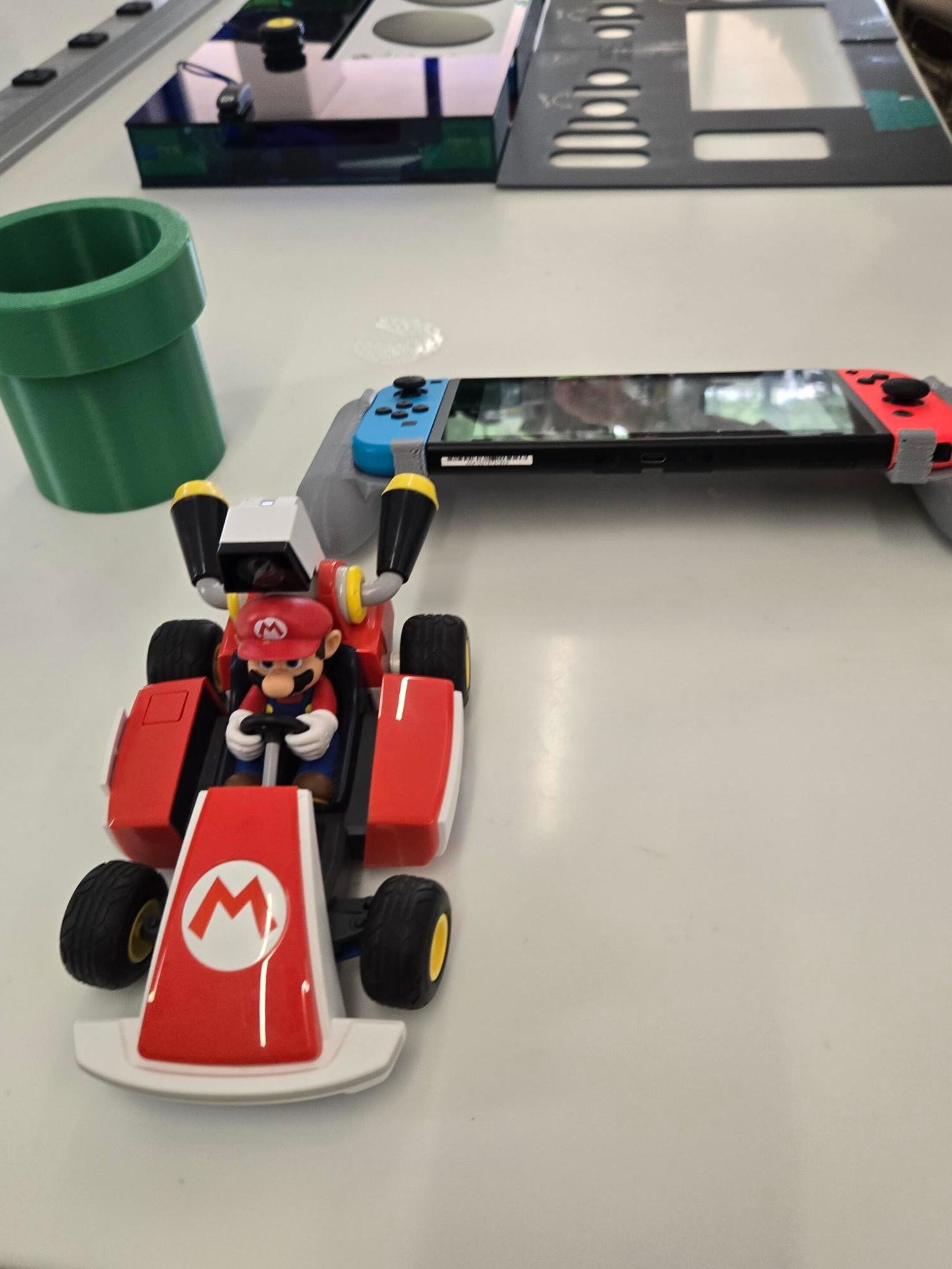
It may be unexpected to see a Mario Kart remote control car, a Nintendo Switch, LEGO pieces and even a Barbie doll as you’re strolling through the MUSC James W. Colbert Education Center and Library in the heart of MUSC’s downtown Charleston campus. But, on the first floor is the Dream Studio, and what they create there is, well, you guessed it, what dreams are made of.
This is especially true for the children hospitalized at Shawn Jenkins Children’s Hospital (SJCH). To facilitate those dreams are Cody Mathews, gaming technology specialist with SJCH, and the 3D printing staff at the Dream Studio: Sherman Paggi and Qian Chang Gallo.
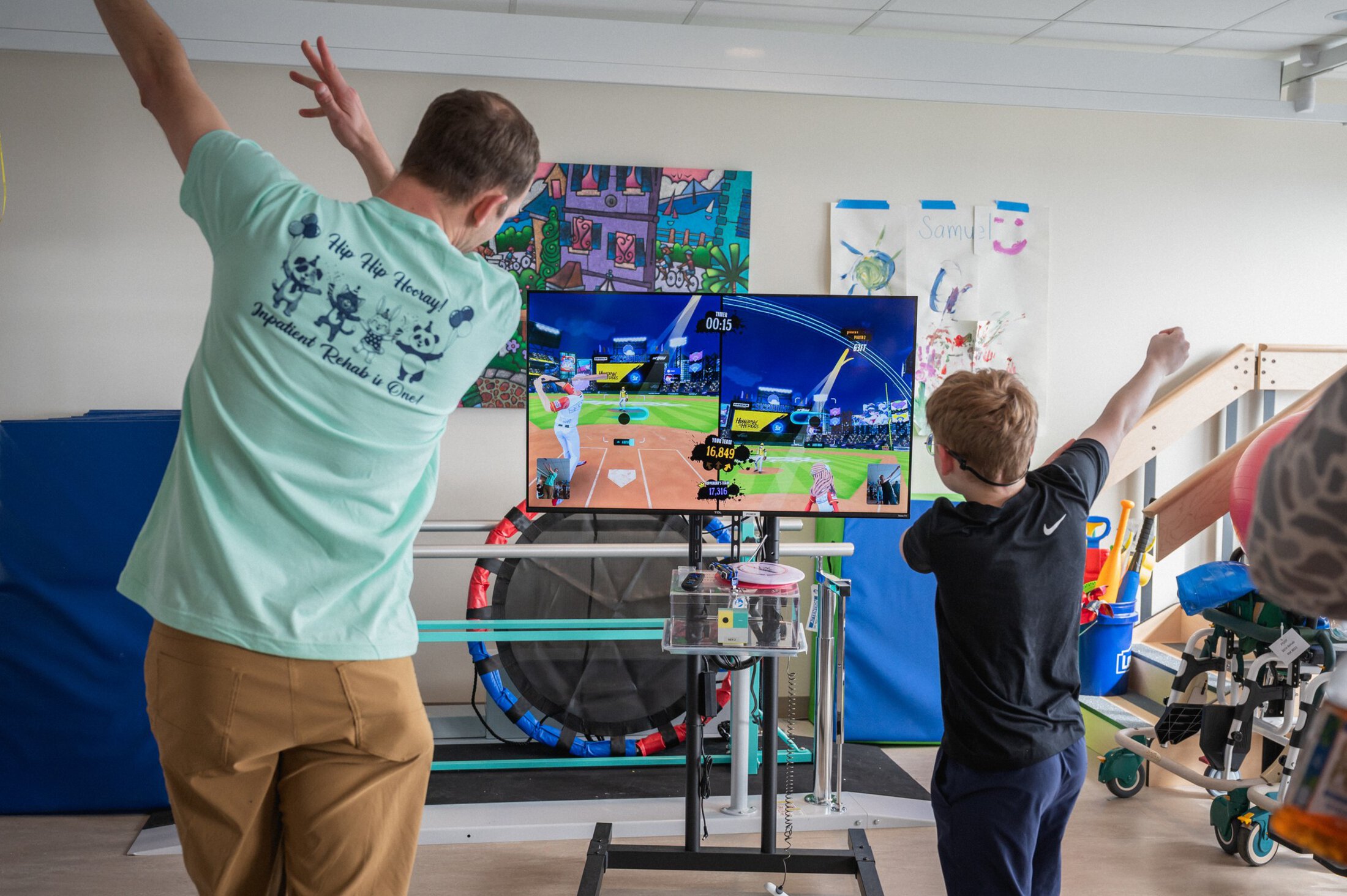
As a gaming technology specialist, Mathews isn’t just playing video games with children all day. He was hired to set them up with the ability to play video games so they could connect with other children and feel like kids again through the simple act of play. Game time for the children at SJCH is something they look forward to, which is essential to their health and healing.
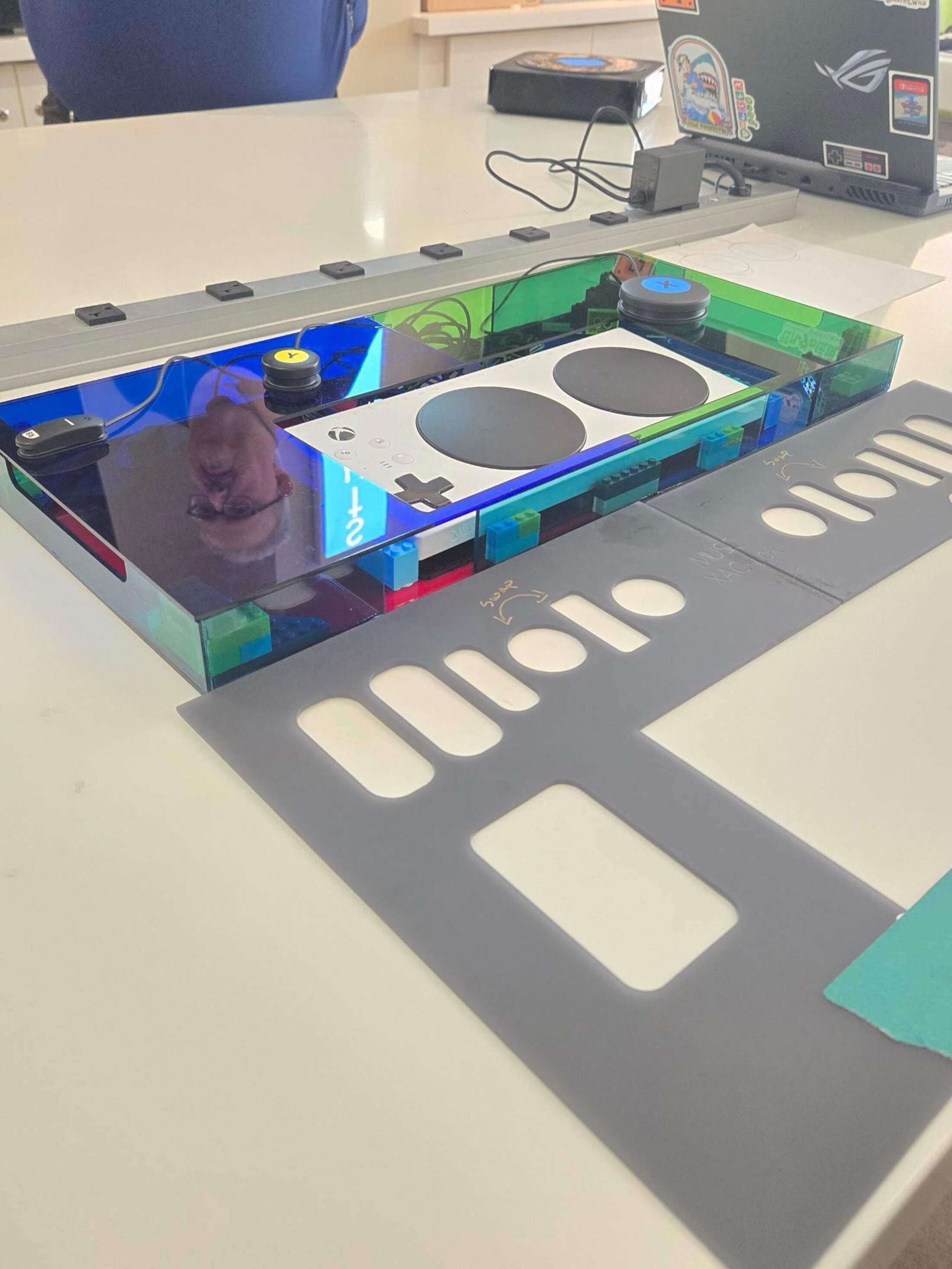
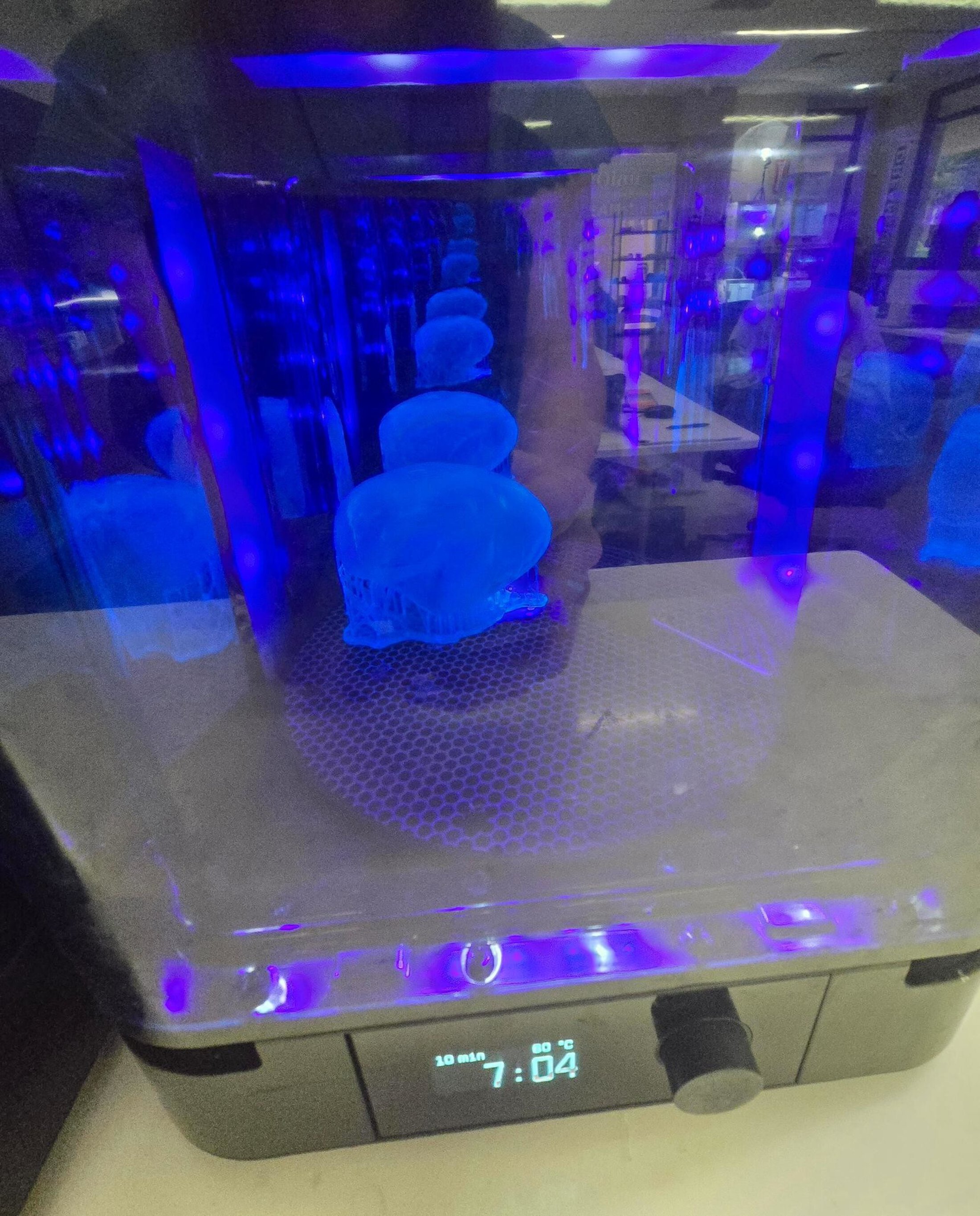
The 3D printers, including a resin printer, a laser cutter and a 3D object scanner, assist Mathews by providing things like custom prosthetics created to make the controllers easier to hold for weak hands, for example, or a console that will sit perfectly in a patient’s lap.
If Mathews can dream it, the Dream Studio’s 3D printers can make it – all for the purpose of making the lives of the children hospitalized at SJCH a little easier.
At a presentation titled “Patient Focused Creations in Gaming and Technology,” which took place at the end of Innovation Awareness Month on April 30, Mathews spoke about the importance of designing patient-focused creations in gaming and technology and the collaboration between his role at SJCH and the Dream Studio.
He explained that the purpose of his role is threefold: emotional support, physical support and accessibility and medical education.
Emotional support
When it comes to emotional support, Mathews said his role as gaming technology specialist is about improving a child’s quality of life while in the hospital. “We want the kids to feel like kids and not isolated in hospital rooms,” he said. “I listen to their interests and needs and basically normalize their childhood experience while they are in the hospital.”
Creating gaming paraphernalia, designing the child’s room to fit his or her individual tastes and assisting with celebrations are a few of the ways Mathews helps with emotional support.
With the assistance of the laser cutter for acrylic items in the Dream Studio, Mathews once successfully decorated a cancer patient’s room with memorabilia from his favorite team, the Kansas City Chiefs. Another patient was big into a game called the Ghost of Yōtei, so Mathews designed a 3D mask for him, along with some mini-figures on the resin printer.
Physical support and accessibility
Often done in collaboration with occupational and physical therapists, when Mathews creates aids for physical support and accessibility, it helps to normalize play for the children. The 3D printers can make prosthetics, accessories and gaming grips.
Accessible adaptations are often more than just physically beneficial; they also provide vital mental health support for the children.
Mathews works with medical staff and the Dream Studio to create items like gaming handles for patients with either smaller hands or weakened grips, or LEGO tools that help connect LEGO pieces when injured hands are healing. “Providing support allows for playing in more positions and removes barriers to physical needs while playing,” he said.
Medical education
Oftentimes, reducing stress and anxiety can allow patients to regain some control over their situations through knowledge and empowerment. Mathews and the Dream Studio can help with this by creating dolls showing where implants might go or even creating a heart that perfectly matches their own heart when they are facing a transplant. “They will ask if they can keep their heart somehow,” Mathews explained. “The resin printer aids in that desire. From a CT scan, we can create a model with computer software, which produces an exact replica.”
The Play-Doh molds, for example, created in the Dream Studio, can assist SJCH’s child-life specialists with educating the children about their current situations. The molds aid patients through medical play, helping to break down the diagnosis and treatment plans, which makes future medical appointments more tangible.
Mathews is partly funded by a grant through the Dunkin’ Connecting Joy program, which brings comprehensive gaming programs to hospitals nationwide. According to the website: “Gaming is not only a wonderful activity for kids of all ages and abilities, but it can also help provide them with a sense of normalcy and connection while hospitalized, providing positive distraction from their ongoing care. These grants support hospitals with equipment, staffing, connectivity and other relevant needs so that kids can enjoy gaming experiences at their bedside and even play with family and friends back home.”
Mathews is also funded and supported in professional growth through Child’s Play Charity, an organization that delivers therapeutic games and technology directly to pediatric hospitals to improve patients’ lives through the power of play.
Mathews is one of only about 70 gaming technology specialists working with children’s hospitals worldwide. The Child’s Play Charity is responsible for most of these roles.
Mathews started at MUSC Health in September of 2024, but Betsy McMillan, child life manager at SJCH, said that they began looking for the right person long before that.
We needed to find the right fit. Someone who worked well with kids, had an open mind, the technology experience and creativity.
Although Mathews has no medical experience, he has worked in early and special education and STEM instruction. Mathews explained that the role with SJCH focuses more on education and less on technology.
It’s probably his love for gaming that resonates best with the children at SJCH. Through the Dream Studio, he can spread his love for gaming by assisting each child with whatever he or she may need for successful gameplay. Either Mathews designs the prototype or he brings a ready-made design example to the Dream Studio.
The therapeutic side of gaming is still fairly new to children’s hospitals, but with help from 3D printers, there is no limit on how far the role could go.
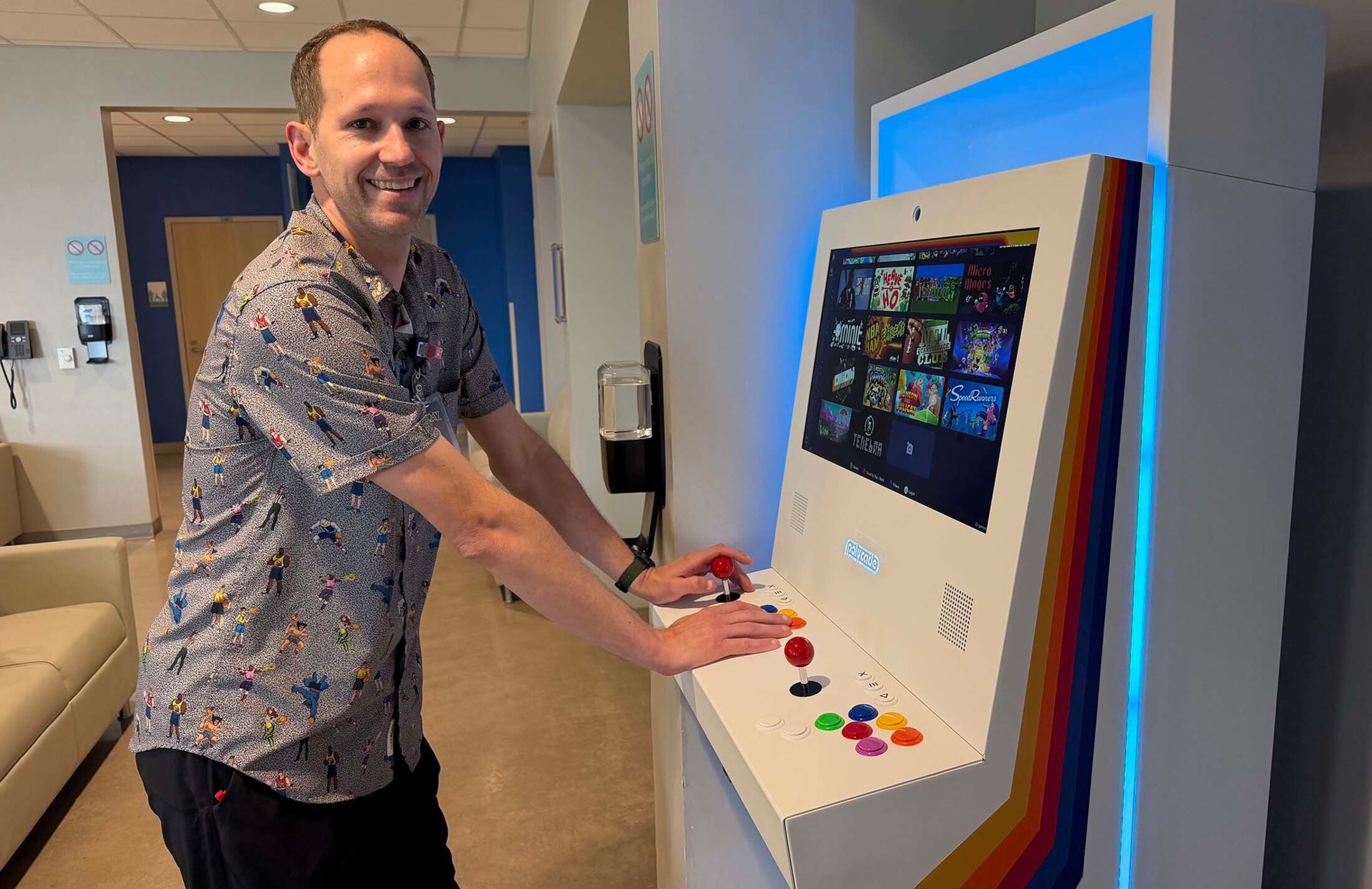
There is a frontier aspect to this line of work, which is exciting. I get to help these kids in so many ways with their health and recovery through the simple act of play. Yes, I have the greatest job.
Theresa Stratford
Theresa Stratford is the editor for MUSC’s newspaper, The Catalyst. She has worked as a writer and editor for 25 years since graduating from the University of South Carolina with a Bachelor of Arts degree in journalism and mass communications. As a writer, she has worked for the federal government in cybersecurity and for the Department of Energy. As both a writer and an editor, she has worked for a variety of syndications, including national magazines, such as Vogue Knitting, as well as many local Charleston and South Carolina publications.