

Lice, rash, fevers – no parent wants their kid around another child with any of these. But our instinctive “ick” reaction probably isn’t protecting our own children and is definitely hurting the other child’s education, according to an MUSC Children's Health pediatrician.
The American Academy of Pediatrics issued a policy statement this week, urging pediatricians to become more proactive in promoting school attendance.
“There is a stronger link between health and education than previously was thought,” said pediatric critical care doctor Elizabeth Mack, who is a local spokeswoman for the AAP.
One of the things that parents, advocates and pediatricians can do is push for updated school attendance policies, Mack said. Many day care facilities and schools have old policies that aren’t evidence-based and may, for example, over-define what constitutes a fever or refuse to admit a child if nits are found in the child’s hair, though the AAP says no-nit policies are unnecessary.
“We don’t need fear-based policies. We need science-based policies,” Mack said.
The AAP reports that 10 percent of kindergartners and first-graders miss a month or more of school, and 19 percent of high schoolers are chronically absent, which is defined as missing 15 or more days.
“That’s a huge amount of education lost. Absenteeism has quite a big impact that people may not necessarily think about or appreciate when their kids are young,” Mack said. But the report notes that “chronic absenteeism can be a better predictor of school failure than test scores.” That’s the case even if the student’s absences are excused, the report says.
“Absenteeism has quite a big impact that people may not necessarily think about or appreciate when their kids are young.”
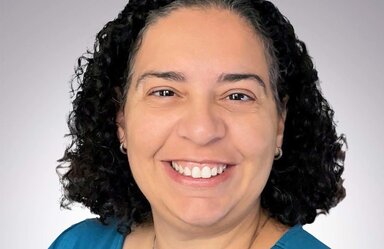
Dr. Elizabeth Mack
The report also states that there’s a link between missing a lot of school and poor health, even into adulthood. Mack said it’s hard to tell whether missing out on class time leads to a student making poor choices, like smoking, or if missing school is simply a symptom of the same socioeconomic forces that lead to poor health outcomes in adults. “Regardless,” she said, “there is a strong link.”
Students who live in poverty, have disabilities or other health issues or are bullied are more likely to have chronic absences. School suspension and expulsion policies also lead to chronic absenteeism and are more likely to affect black students and children with ADHD and behavioral disorders.
Keeping kids out of school isn’t always the right answer, Mack said. Sometimes the child might need to be in a different environment that can better meet his or her needs.
By asking about school attendance during checkups, pediatricians can encourage attendance or identify things they could do to help families – for example, working on a school action plan for children with conditions like asthma, allergies or seizures.
The children Mack sees in the pediatric intensive care unit are often too sick to deal with schoolwork. But doctors can still ask how much school their patients have missed and think about how they can help their patients get back on track. “It’s a really simple question that could be eye-opening for us,” Mack said.
Some of the AAP recommendations to pediatricians include:
- Advocate for funding for school nurses and counselors as well as school-based health services.
- Don’t write doctor’s notes if the child is well enough to attend school.
- Encourage parents to return their child to school after a doctor’s visit.
- Offer extended office hours.
- Talk about how absences can add up and how missing school can affect a child’s education.
- Help parents document a child’s medical needs or disability so the parents can get accommodations from the school.
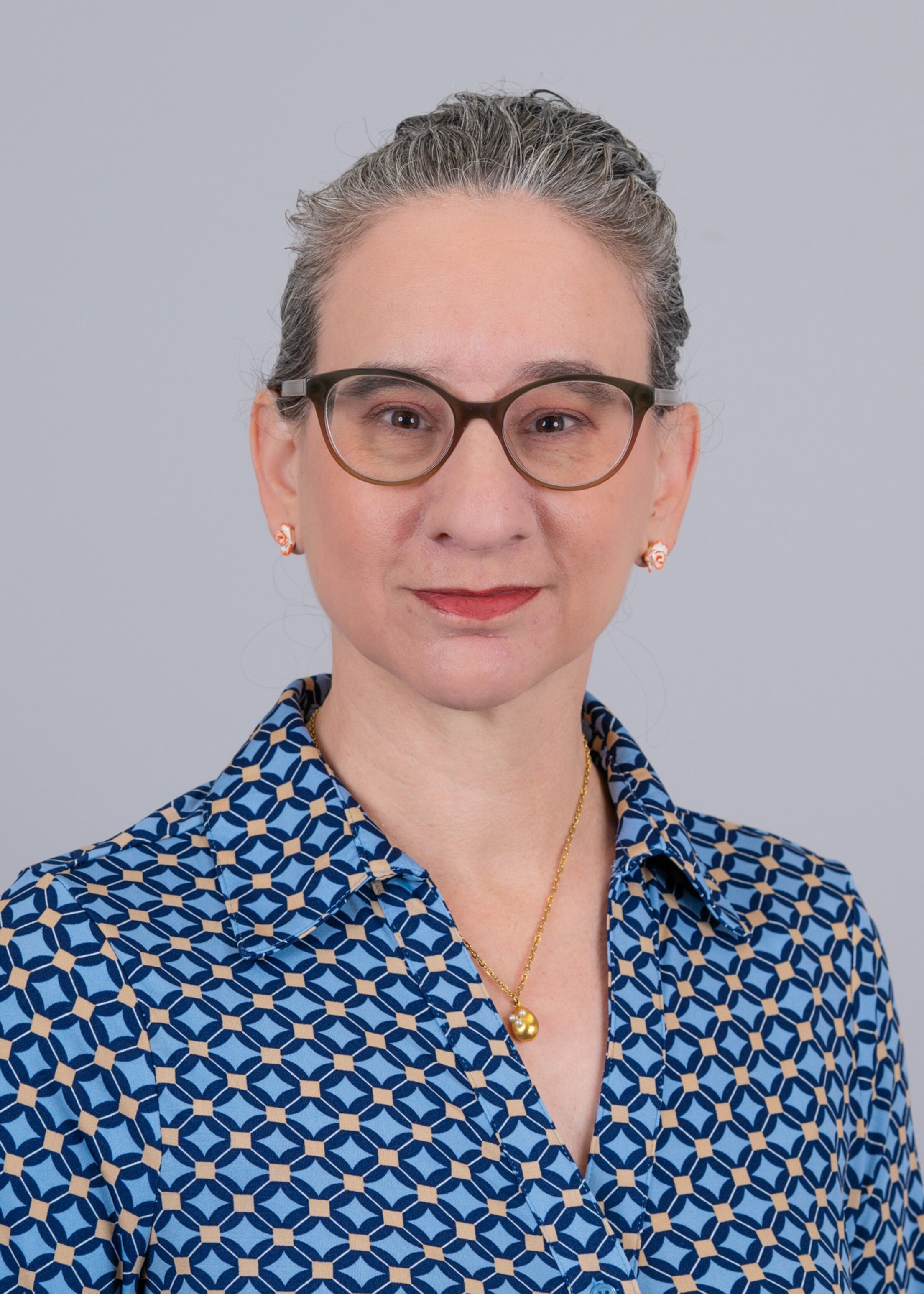
Leslie Cantu
Senior Communications Manager
Leslie Cantu is the senior communications manager at MUSC Hollings Cancer Center, where she works with researchers, clinicians and patients to tell the people of South Carolina about the innovative work being done to improve cancer care for everyone in the state. She joined the MUSC Office of Communications and Marketing in 2018 after a career as an award-winning writer, editor and producer at community newspapers and local TV news. She transferred to the communications office at Hollings in 2022, where she happily finds something new and interesting to write about every day. Her favorite stories to cover at MUSC have included Match Day, the Angel Tree Parade, a clinical trial of CAR-T cell therapy and the many patients who have agreed to share their very personal struggles and triumphs.
Contact Leslie at cantul@musc.edu.