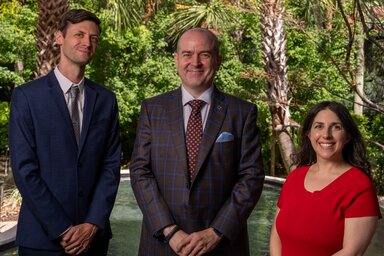

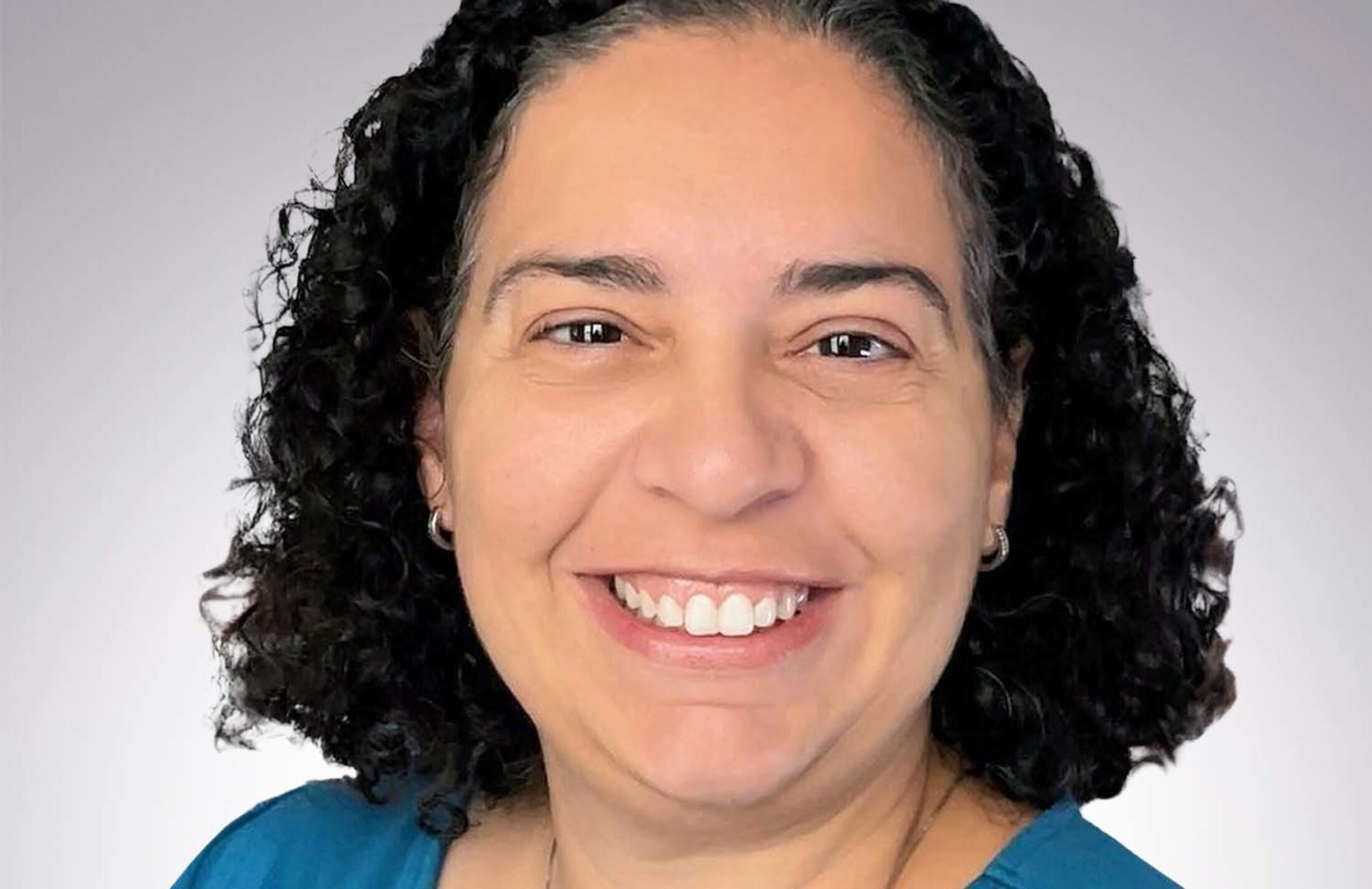
The No. 1 program in South Carolina for children’s gastroenterology and gastrointestinal (GI) surgery is expanding. MUSC Children’s Health now offers GI care in multiple locations along and near the coastline. That includes Bluffton, where Eileen McVey, M.D., recently started taking care of kids with GI problems. She said there’s a growing need.
“I feel like it's increasing exponentially. Things that used to be categorized as super rare at the beginning of my training are now constantly coming through the doors,” she said.
Benjamin Kuhn, D.O., a fellow gastroenterologist who serves as division chief for MUSC Children’s Health, said there are a couple of possible reasons for the increase. “We think we’re picking up on GI conditions earlier than in the past,” he said.
“That’s also a medical phenomenon that we call the allergic march. One generation may have had food allergies. The next has food allergies and asthma. And then the third generation has other atopic conditions like severe eczema or these GI allergy issues.” Atopic refers to an inherited tendency toward allergies.
Catching digestive disease early
Whatever the cause, it’s important to catch GI problems, also known as digestive diseases or disorders, early. That’s why the GI program is expanding, with locations in Bluffton, where McVey works, along with Charleston, North Charleston, Mount Pleasant, Summerville and Murrells Inlet.
Without specialized treatment, the inflammatory and allergic processes that lead to digestive disease build and build.
“We noticed we were having very sick children presenting through our Emergency Department, when if we were able to offer services closer to home with easier access, maybe we could have seen them sooner, figured this out and gotten them better,” Kuhn said.
“Without specialized treatment, the inflammatory and allergic processes that lead to digestive disease build and build. Sometimes, that means a much more escalated treatment plan, even surgery, because you didn’t catch it sooner.”
Warning signs
Catching it sooner means recognizing the warning signs. “It’s usually stomach pain,” McVey said, along with bloating, diarrhea and other digestive problems. If the symptoms persist, it may be a signal that something more serious is going on. Possibilities include:
- Food allergies in babies.
- Chronic constipation.
- Inflammatory bowel disease, including Crohn’s disease and ulcerative colitis.
- Gastrointestinal reflux disease, also known as GERD. It causes stomach contents to go back into the esophagus.
- Eosinophilic esophagitis, a chronic problem involving the buildup of white blood cells called eosinophils in the lining of the esophagus.
- Celiac disease, which involves the body’s immune system reacting to a peptide in gluten.
- Liver and biliary diseases. Biliary refers to the bile that the liver makes to help you digest fat.
- Short bowel syndrome, a rare condition where the body is missing at least half of the small intestine.
Complex specialty
You can tell from that list that gastroenterology is a complex specialty. Kuhn said the program, which has maintained a national ranking by U.S. News & World Report for more than a decade, offers expert diagnoses and specialized care.
“Part of our additional training is not just the recognition of underlying disease processes, but also the ability to perform procedures also falls within our specialty. So a child needing an upper endoscopy or a colonoscopy or liver biopsy, those are types of examples that fall within our area of specialty.”
The children’s GI program can also connect kids who qualify to clinical trials that study potentially cutting-edge treatments through MUSC Children’s Health.
Those options, out-of-the-ordinary features of the program, are part of what the doctors love about it.
A passion for helping kids
The other part: their resilient patients. “Kids are my passion,” McVey said. “There’s an innocence about them. They shouldn’t have to deal with medical issues. They’re supposed to play and have fun. We try to help them get past those issues and back to the joy of being children.”
Kuhn agreed. “I like working with them to figure out what’s going on and get them better. For the most part, children tend to bounce back, and then you can follow them and watch them grow up.”
Helen Adams
Recent MUSC News stories