
On Friday, Sept. 25, the South Carolina Clinical & Translational Research (SCTR) Institute and the MUSC AI Center for Health Innovation and Informatics will co-host a statewide scientific retreat with artificial intelligence (AI) as its central theme.
This fall’s retreat, chaired by Marylyn Ritchie, Ph.D., chief artificial intelligence officer for the MUSC enterprise, will be held from 8:30 a.m. to 5:00 p.m., in the Bioengineering Building, Room 110, on MUSC’s Charleston campus. With AI dominating the conversation in both healthcare and everyday life, it is a fitting time to bring together stakeholders to participate in the discussion.
Organizers felt that AI represented a natural choice for the upcoming retreat, as it is quickly reshaping the landscape of clinical and translational science.
“With these rapid changes come pressing new questions about rigor, privacy, bias and responsible use,” explained Jennifer Dahne, Ph.D., director of research innovation and integration. “This year’s retreat is a timely opportunity to bring together researchers, clinicians, students and patients to discuss these opportunities and challenges.”
With these rapid changes come pressing new questions about rigor, privacy, bias and responsible use.
Indeed, the event will serve as a valuable opportunity to unite investigators, data scientists, administrators, research staff and others, encouraging direct dialogue with one another. While these groups may work on related problems on a day-to-day basis, they may not regularly interact. Organizers hope that the gathering will give participants the chance to share diverse perspectives on AI, understand differing concerns and expectations, explore possibilities for collaboration and gain a richer understanding of real-world implementation challenges. Ritchie explained that effective AI adoption requires input from everyone affected by it.
Keynote remarks will be delivered by Lucila Ohno-Machado, M.D., Ph.D., deputy dean for Biomedical Informatics at the Yale School of Medicine, and Christopher Forrest, M.D., Ph.D., director of the Children’s Hospital of Philadelphia Applied Clinical Research Center. Talks and panels throughout the day aim to show participants how AI can transform workflows, improve efficiency, and enable new approaches to scientific problems.
“Dr. Lucila Ohno-Machado and Dr. Forrest are internationally recognized leaders whose work has helped shape the fields of artificial intelligence and biomedical informatics,” explained Ritchie, MUSC’s CAIO and the director for SCTR’s Health Informatics program. “By sharing insights from their pioneering research and leadership experiences, they will challenge and inspire our community to think boldly about the future of AI and its potential to accelerate clinical and translational science.”
By sharing insights from their pioneering research and leadership experiences, they will challenge and inspire our community to think boldly about the future of AI and its potential to accelerate clinical and translational science.
The retreat steering committee, which comprises AI innovators at MUSC and across the state, has developed an agenda focused on excellence in AI work. In addition to the keynote remarks, attendees can expect a robust poster session, a series of flash talks by the recipients of the newly awarded Southeastern Health AI Consortium grants and oral presentations by clinical and translational science researchers at the forefront of utilizing AI in healthcare.
The retreat is designed to encourage networking and cross-disciplinary conversations that lead to new partnerships and future project development. Organizers describe the networking opportunity as creating the “collisions” where new ideas emerge.
AI to inspiring researchers, promoting innovation and fostering collaborations, the event will highlight SCTR and MUSC’s growing investment in AI and the strategic initiatives that have taken shape over the past two years. These include the hiring of Ritchie as the inaugural CAIO in November 2025, the recent formation of the Southeastern Health AI Consortium between MUSC and the University of Florida, AI-focused pilot projects currently underway and the continued success of the MUSC-Clemson AI Hub. Together, these efforts reflect a broader strategy to position MUSC at the forefront of AI implementation in healthcare and research.
SCTR is approaching the opportunities presented by AI in healthcare cautiously and intentionally but with great optimism and a collaborative mindset. “AI offers tremendous potential in looking at these large data sets, but we also must learn how best to use and trust AI in this research,” explained Patrick Flume, M.D., co-PI of SCTR. “Now, investigators have the opportunity to access and work with talent beyond their own institution.”
Event details
Date: Friday, Sept. 25.
Time: 8:30 a.m. to 5 p.m.
Location: Bioengineering Building, Room 110, MUSC, Charleston, SC.
Registration: Available through the online registration form.
Deadline: Sept. 11; Registration is allowed after the deadline, but lunch is not guaranteed.
About the South Carolina Clinical & Translational Research Institute
The South Carolina Clinical and Translational Research (SCTR) Institute is the catalyst for changing the culture of biomedical research, facilitating sharing of resources and expertise and streamlining research-related processes to bring about large-scale change in the clinical and translational research efforts in South Carolina. Our vision is to improve health outcomes and quality of life for the population through discoveries translated into evidence-based practice. To learn more, visit the SCTR website.
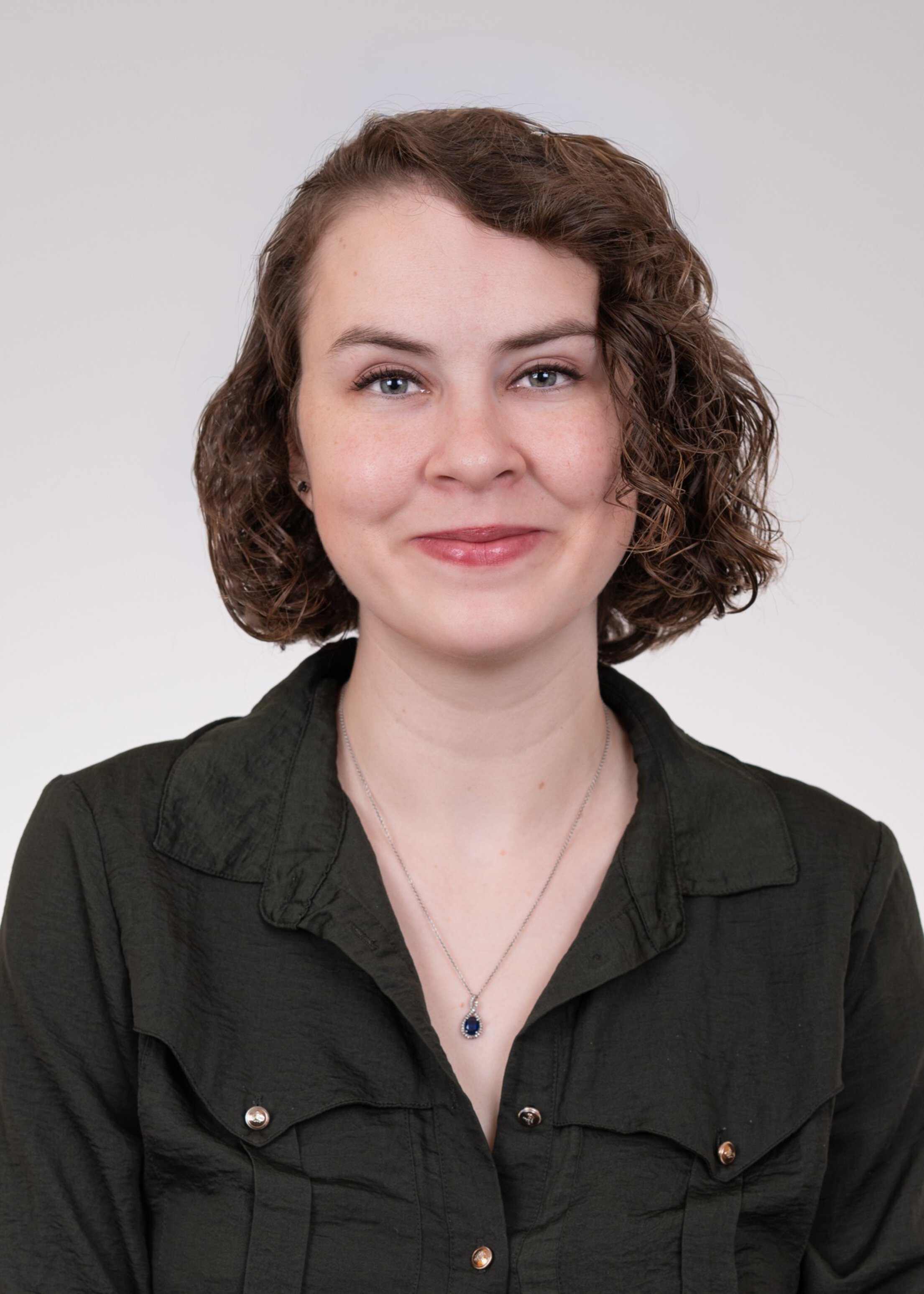
Sophia Barry Gordon
Sophia Barry Gordon is the science writing and communications program coordinator at the South Carolina Clinical & Translational Research (SCTR) Institute. She holds a Master of Science degree from New York University and is currently a Ph.D. candidate at the University of Birmingham (UK).
Recent SCTR Spotlight stories