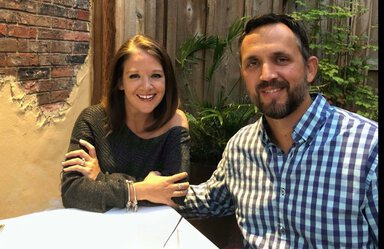

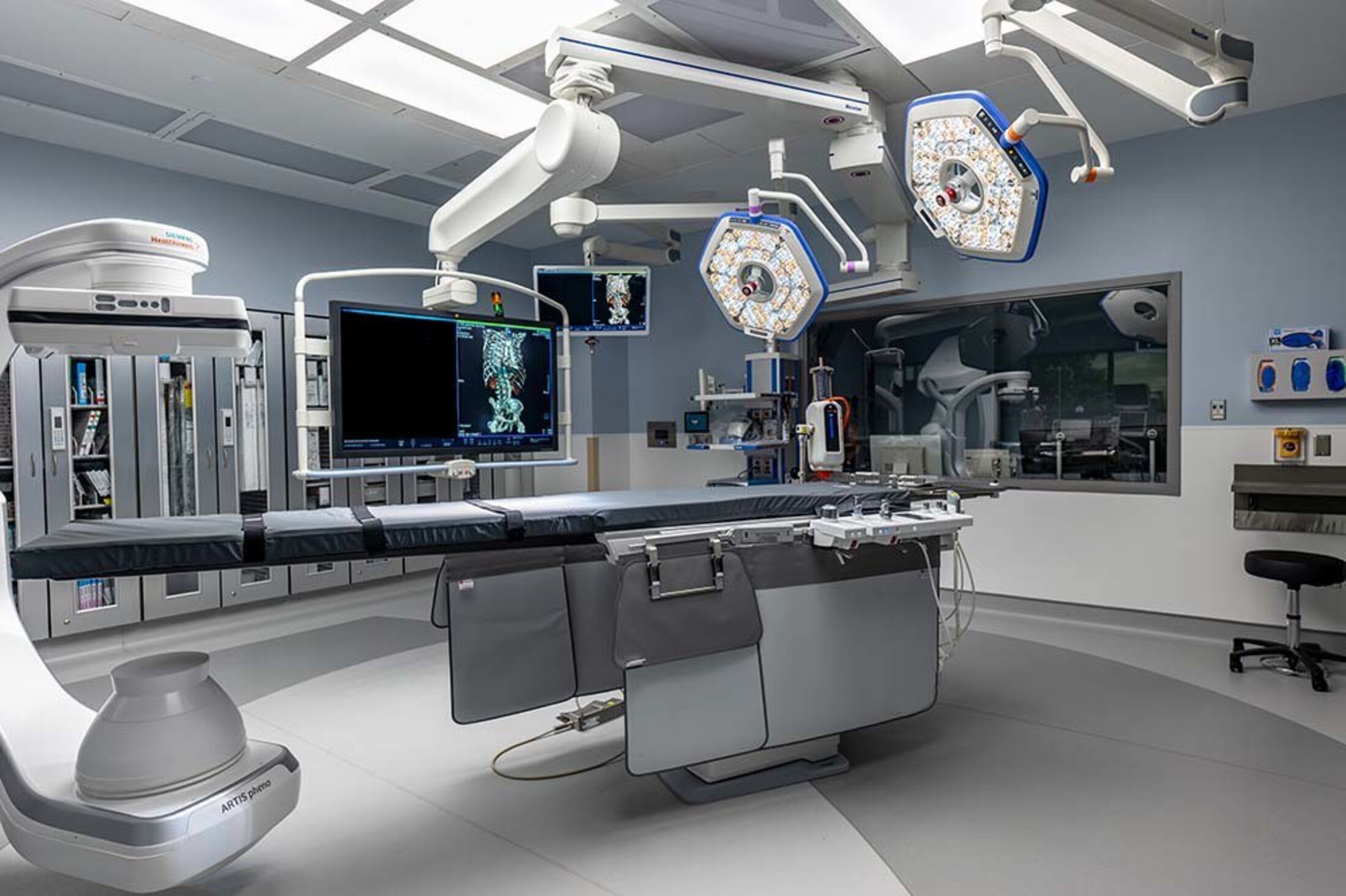
Cardiothoracic surgeon John Sutton, M.D., looks forward to taking care of complex cases in a safer and more efficient way in the new hybrid operating room at the MUSC Health Columbia Medical Center Downtown. “I've been trying to get a hybrid room built here for 12 years. MUSC came in and did it.”
The hospital became part of MUSC Health a few years ago, part of a larger effort by the academic health system to bring complex, high-quality care to people across the state.
MUSC Health’s investments in the downtown Columbia hospital include a $30 million expansion of its downtown Emergency Department. The hybrid OR suite is the latest upgrade, one that Bill Phillips, M.D., chief medical officer for the MUSC Health-Midlands Division, is pleased to see. Hybrid operating rooms mean patients who need multiple procedures can get them in one place instead of different areas of the hospital.
Phillips said the hybrid OR will be mainly used by cardiovascular surgeons, vascular surgeons and the hospital’s structural heart team. He gave an example of how it will benefit both doctors and patients.
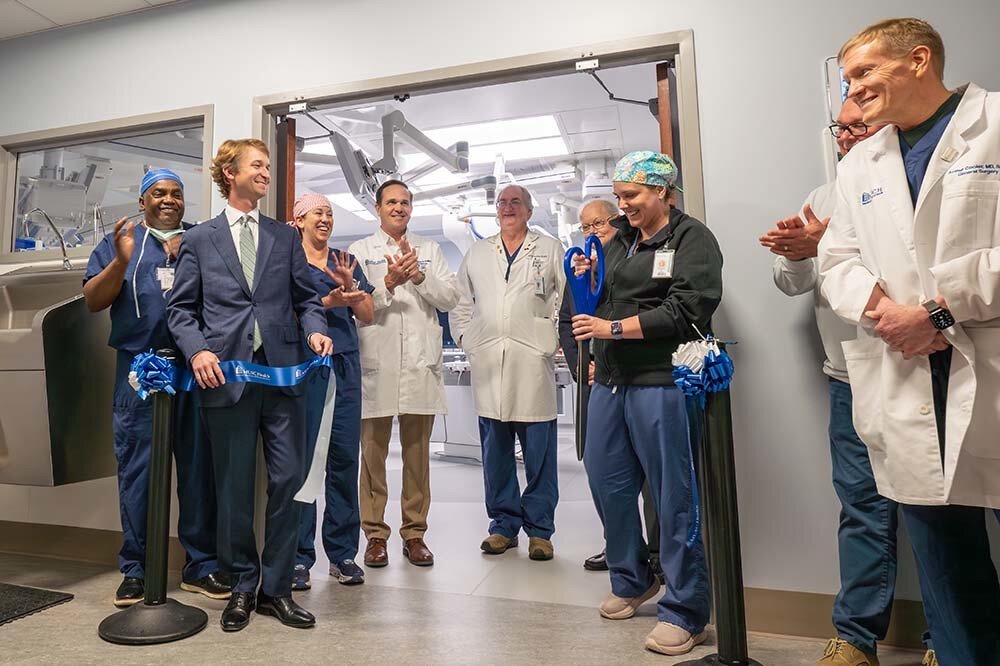
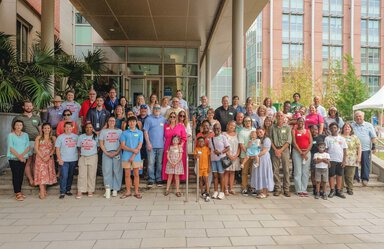
People gather for the ribbon cutting. L-R: Mike Jacobs, scrub tech; Matt Littlejohn, CEO, MUSC Health-Midlands; Melissa Prasun, RN, cardiovascular surgery clinical manager; Bill Phillips, M.D., chief medical officer MUSC Health Columbia; John P. Sutton M.D.; Mac Leppard, M.D.; Bernadette Goudreau, M.D.; Lance Coleman, chief nursing officer MUSC Health Columbia; Arthur Cooler, M.D..
“Sometimes, you have vascular cases or certain thoracic or aortic cases that involve a surgical approach and an endovascular angiography approach,” he said. Endovascular angiography is what doctors call a minimally invasive approach.
“And if you don't have both of those modalities available in the same room, you have to do the procedures separately or can't do them at all. And so to have a room where you can do an endovascular approach and surgical approach simultaneously gives us the ability to do more complex cases than you could do otherwise.”
The heart team in Columbia has been busy with other developments as well, including:
- The successful use of Barostim, a minimally invasive heart failure treatment.
- The addition of the Boston Scientific AGENT drug-coated balloon, which doctors called a big technological advance for stent patients.
- A landmark moment: the implantation of the 800th WATCHMAN, a device that prevents strokes in patients with an irregular heart rhythm known as atrial fibrillation.
- The first tricuspid transcatheter edge-to-edge repairs (TEER) in the state. They work by clipping together leaflets in the heart, allowing the heart valve to work properly.
Phillips, a cardiologist who sees patients in Columbia, said he and his colleagues are grateful for the changes. “There's a great appreciation from our local MUSC physician group for the commitment by MUSC on a system level to make sure that we have the latest and best technologies and services available for our most complex patients’ needs because that's not something that we've had before MUSC came.”
Helen Adams
Recent Heart & Vascular Care stories