
Laura Unangst remembers believing she was about to die. “I’m telling my husband, I don’t want to live on machines. I thought this was the end.”
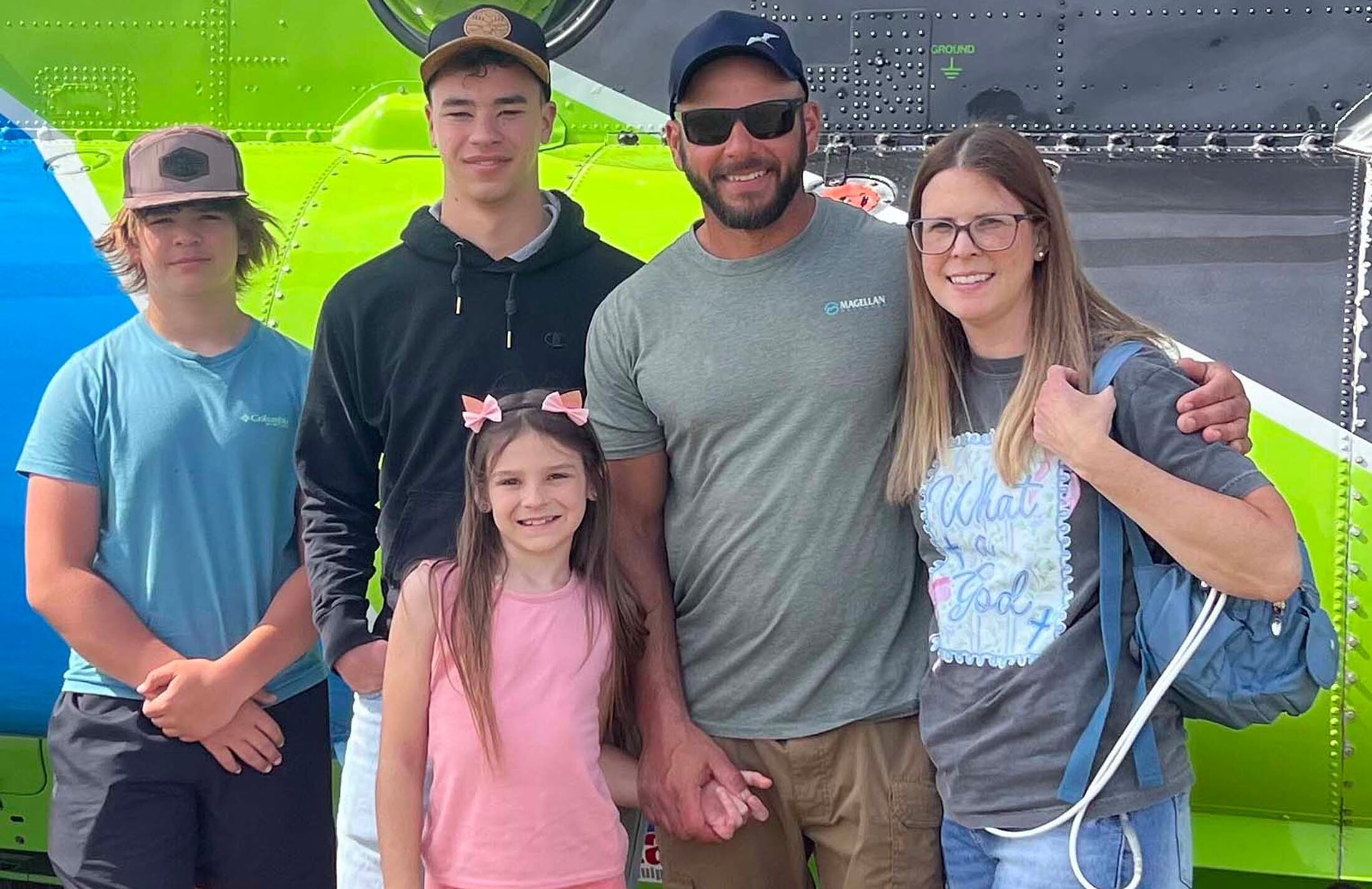
She was 41 years old. A mother of three children living in Ludowici, Georgia, married to a man she’d known since elementary school. A school bus driver who loved her job, decorating the bus for holidays and enjoying the kids’ chattering and singing.
A diagnosis of heart failure, possibly caused by a virus, was not part of her plans.
This is truly as complicated as it gets from a heart failure standpoint.
But what Unangst didn’t know was that a team of about 100 people at MUSC Health was prepared to take extraordinary measures to help her, including a first-of-its-kind procedure for South Carolina and a “needle-in-a-haystack” hunt for a new heart.
“This is truly as complicated as it gets from a heart failure standpoint,” said surgeon Lucas Witer, M.D. “But her spirit is incredibly strong.”
The first sign
That strong spirit was tested many times along the way. The first sign of trouble came while Unangst was behind the wheel one day. “I was driving the school bus, and I first noticed it felt like some weird spinning feeling in my head, like something wasn’t right.”
It happened again at home. “Even sitting down, it happened just for no reason at all. And then toward the end of December, my heart started beating faster than usual, and it didn't go down, even when I was sleeping.”
After initially being told it was probably anxiety, Unangst got a troponin test in a local emergency department. Troponin, a protein found in the blood, rises when there’s damage to the heart muscle. Hers was way up. “Finally, they found the right side of my heart was failing.”
An ambulance brought her to MUSC Health in Charleston, which U.S. News & World Report ranks as having a high-performing heart failure program. At that point, both sides of Unangst’s heart were failing. A machine called ECMO, or extracorporeal membrane oxygenation, was keeping her alive. The hope was that it would give her body a chance to rest and recover.
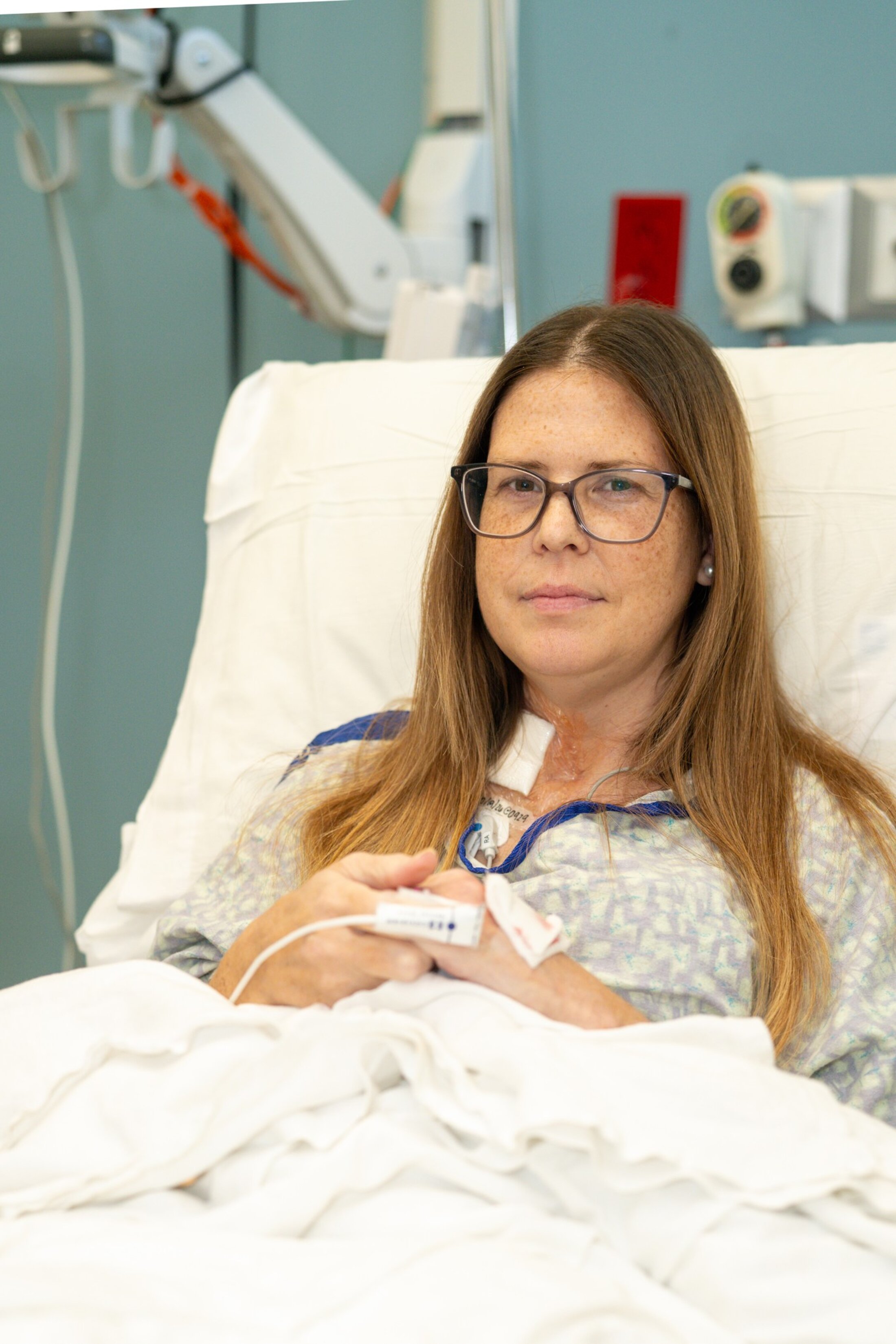
Back at home, south of Savannah, her parents and in-laws were taking care of the children while she and her husband were in Charleston. Her sons and daughter were never far from her thoughts.
“The kids are 9, 14 and 19 now. But at that time, the youngest was 7,” Unangst said.
She was not ready to leave them without a mother. Her care team at the hospital didn’t want that either. “We had a number of multidisciplinary conversations about her in terms of what to do,” Witer said.
We though the likelihood of us finding a heart was extremely low, like needle-in-a-haystack low.
“We said she will likely die if we try to go down a transplant route, and we don’t think that we would find a heart.” That’s because she had a high level of antibodies that made her body likely to reject most donor organs.
“We thought the likelihood of us finding a heart was extremely low, like needle-in-a-haystack low,” Witer said.
A South Carolina first
But there was something that could help support Unangst’s heart in the meantime: a left ventricular assist device. “We’re a high-volume LVAD center. Our overall LVAD volume right now, we’re, like, fourth or fifth in the nation,” Witer said.
LVADs are implantable. RVADs, right ventricular assist devices, are pumps that normally sit on the outside of the body, Witer said. Unangst got one of those, too. “But the problem was her right heart never fully recovered.”
That meant she couldn’t leave the hospital. Or it did, until the heart team decided to do something unusual.
“There are no FDA-approved implantable RVADs out there. It doesn’t exist. So, the off-label use is we could take the LVAD, and we could modify it,” Witer said.
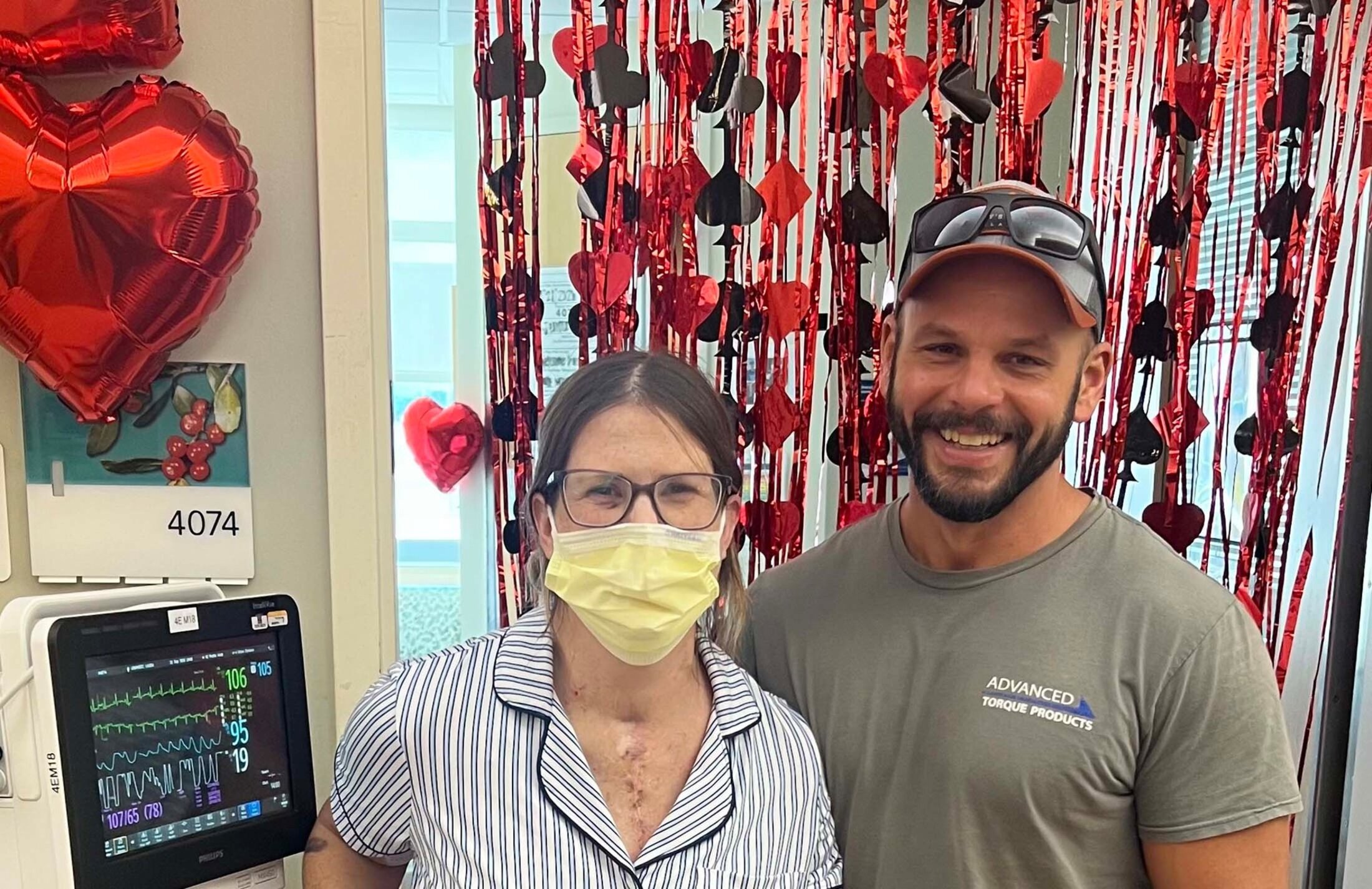
After talking with Unangst and her husband about the risks and possible benefits, Witer performed the procedure. It was a success. Unangst was able to go home with implanted devices on both sides of her heart.
It was the first time we had done this in the state, and extremely rarely, nationally, that people would do this.
“It was the first time we had done this in the state, and extremely rarely, nationally, that people would do this,” Witer said.
“We started to have these rumblings about, like, ‘OK, she’s on borrowed time, could we ever get her transplanted, knowing that now she’s arguably in a better physiologic state than she was before?’”
A new heart, after all
At a meeting of the multidisciplinary heart failure team at MUSC Health, Witer said they voted on whether to pursue a new heart for Unangst. “Everybody in the room voted for transplant, including me.”
They notified Unangst at home in Ludowici. “So I’m expecting I’m going to wait a long time for a heart. But it was only 46 days,” she said.
She got the life-changing call about two months ago, around 4:30 in the morning. “I couldn't sleep, and then my phone rings. I said, ‘There’s only one reason they’d probably call me this early on a Sunday morning.’ And the caller said, ‘We have a heart offer for you.’ I’m like, ‘Are you serious?’”
There’s only one reason they’d probably call me this early on a Sunday morning.
They were. They’d found the needle in the haystack. Transplant surgeon Walker Blanding, M.D., performed the operation. The fact that Unangst had had multiple heart procedures before and had two devices implanted in her chest that would need to be removed meant Blanding had his work cut out for him.
“As far as getting back into the chest and getting the anatomy dug back out, it was the most challenging case I’ve ever done by an order of magnitude,” he said.
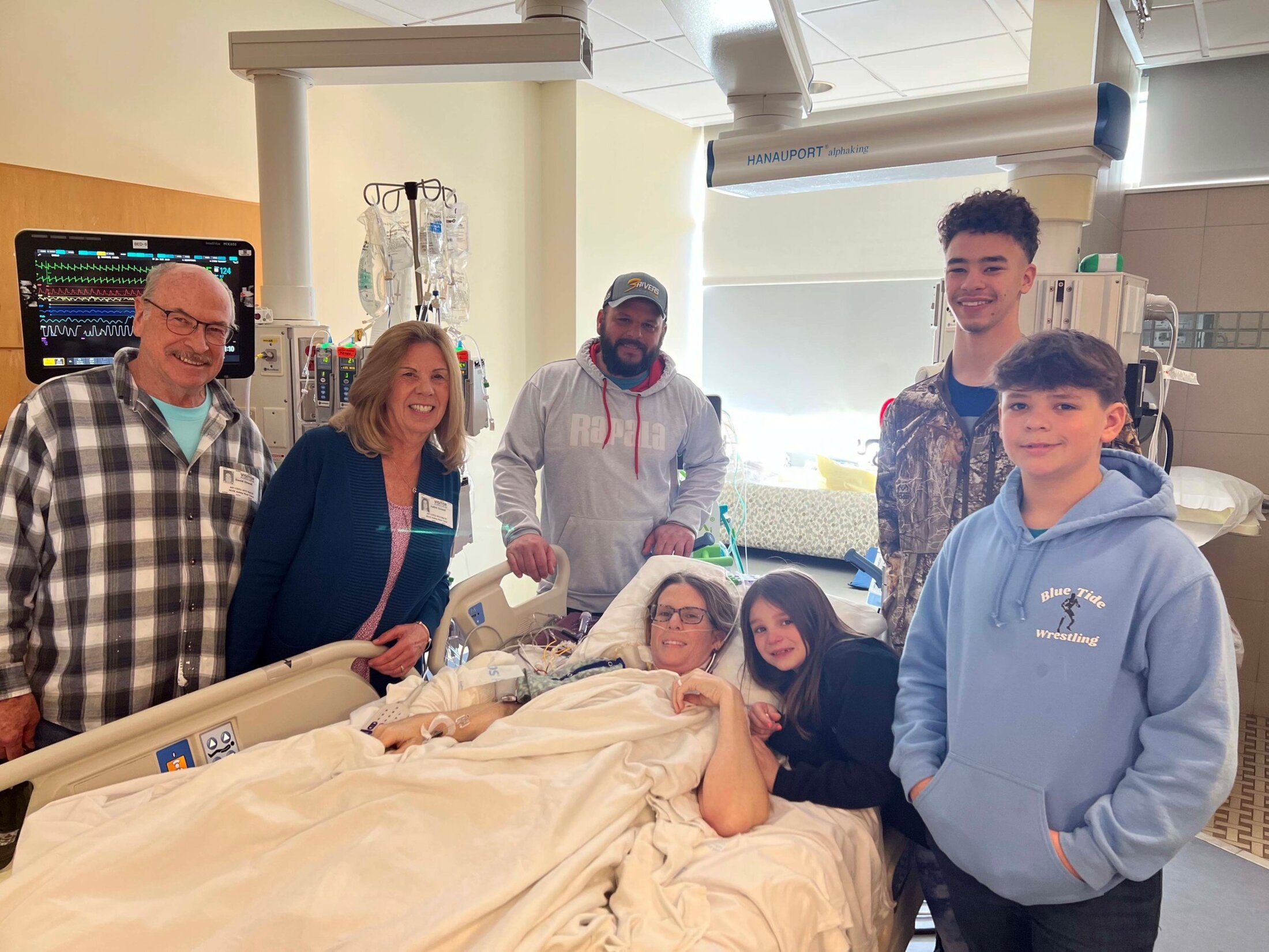
Challenging – and so worth it. Arman Kilic, M.D., serves as chief of the Division of Cardiothoracic Surgery. “I’m exceptionally proud,” he said. “These were very high-risk procedures.”
Those high-risk procedures paid off with high-reward outcomes for Unangst, who’s back home with her family. Kilic said it’s a reminder of the heart failure and heart transplant team's MUSC Health Heart & Vascular Center’s strength.
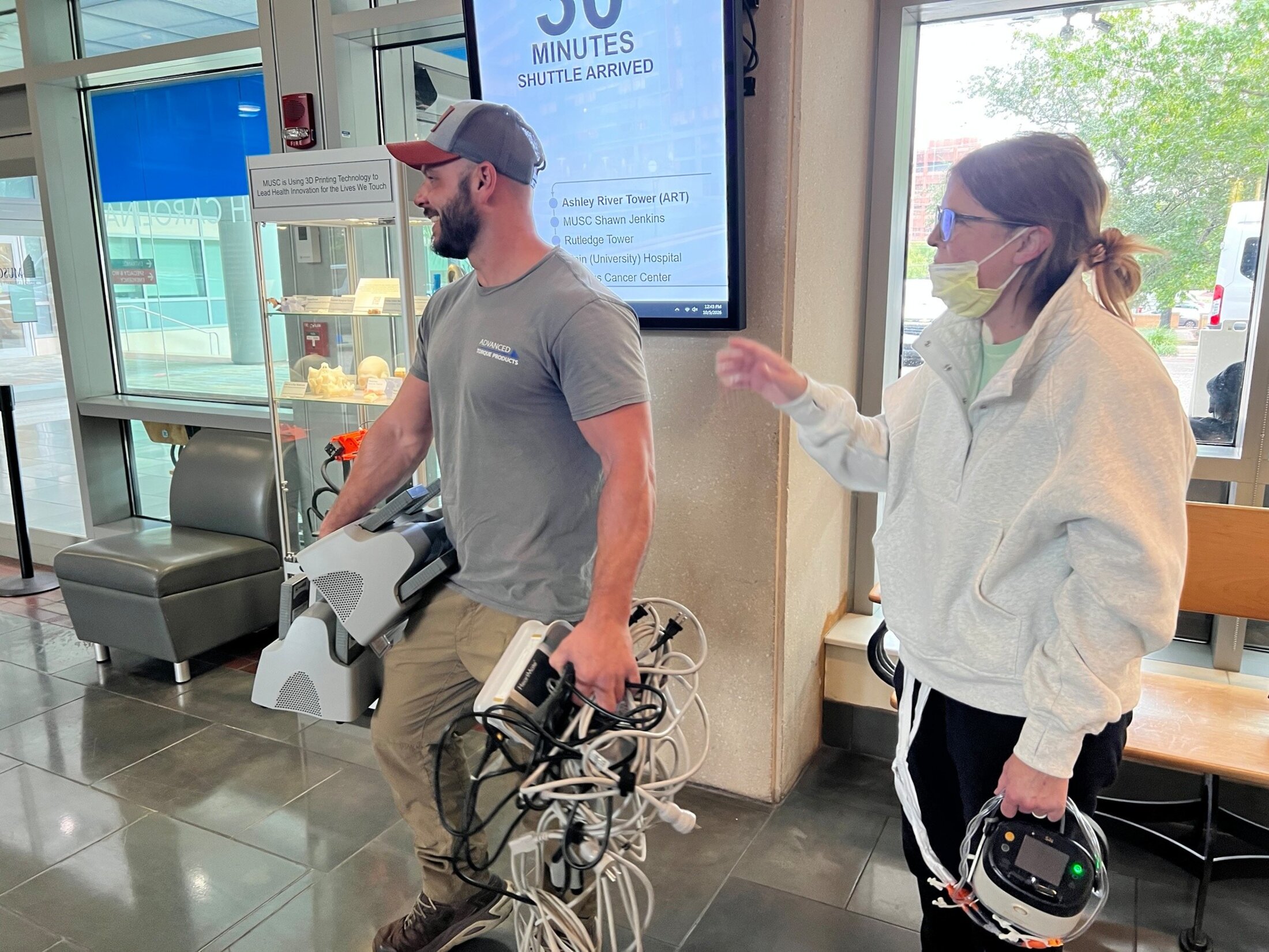
“We’re one of the busiest centers in the nation with some of the best outcomes nationally. And that’s a testament to, I think, all the people that are here – but also a testament to very intentional multidisciplinary program building and clinical operations and quality oversight.”
Unangst is just grateful for the chance to see a future for herself and her family. “I’m just looking forward to being here. These kids mean a lot to me. And I just want to be here for them and with them.”
Helen Adams
Recent MUSC News stories