
Who doesn’t love a feel-good story? Especially when it’s about making people feel better.
And MUSC Health Lancaster Medical Center has just such a story to tell.
Seven years ago, Lancaster had only a small community hospital, with limited services. Few could have imagined that it would become the site of a leading kidney transplantation program that would attract patients from across the Southeast and beyond.
The transformation began in 2019 when MUSC Health purchased Springs Memorial Hospital as part of an ambitious plan to expand healthcare to the state’s rural areas.
Soon after, MUSC Health began gearing up to establish its first kidney transplant program outside of Charleston and to expand services at the hospital.
Specialists and surgeons were recruited; a pathology lab and high-tech equipment were added; and a floor of the hospital was refurbished for transplant patients.
On July 2, 2022, surgeons performed MUSC Health’s first kidney transplantation at Lancaster Medical Center. Since then, more than 450 transplantations have been performed, and a living donor program was added in May of 2026.
We’ve built an amazing program that has made quality and access a top priority year after year.
As MUSC Health Lancaster Medical Center’s transplant program approaches its fifth anniversary, Edward McCutcheon, M.D., MUSC Health-Catawba Division chief medical officer, pointed to its growing reach.
“We’ve built an amazing program that has made quality and access a top priority year after year,” McCutcheon said. “It’s been transformational for our patients and created a halo effect. We’ve introduced new clinical services such as interventional radiology, endocrinology, critical care and infectious diseases.”
The program is the realization of a clear vision by MUSC Health leadership, said Prince Anand, M.D., director of Transplant Services-Mid-Carolinas.
Nevertheless, Rome wasn’t built in a day, and neither was the transplant program.
Getting it up and running required heavy lifting by medical and clinical staff and administration, the support of the community and close coordination with MUSC Health-Charleston Division to make sure that Lancaster had everything necessary for a successful program.
With an established program, you don’t have to start from scratch, but we had to do all those little things that people take for granted.
“With an established program, you don’t have to start from scratch, but we had to do all those little things that people take for granted,” Anand said. “We had to find space for a clinic, establish protocols and change the culture of the hospital. We had to instill the mindset that we’re no longer a small community hospital and encourage employees to start thinking like we’re a national hospital.”
McCutcheon said the biggest hurdle was recruiting staff. “Since we were new, we had to convince people to take a leap of faith to come here.”
And they did.
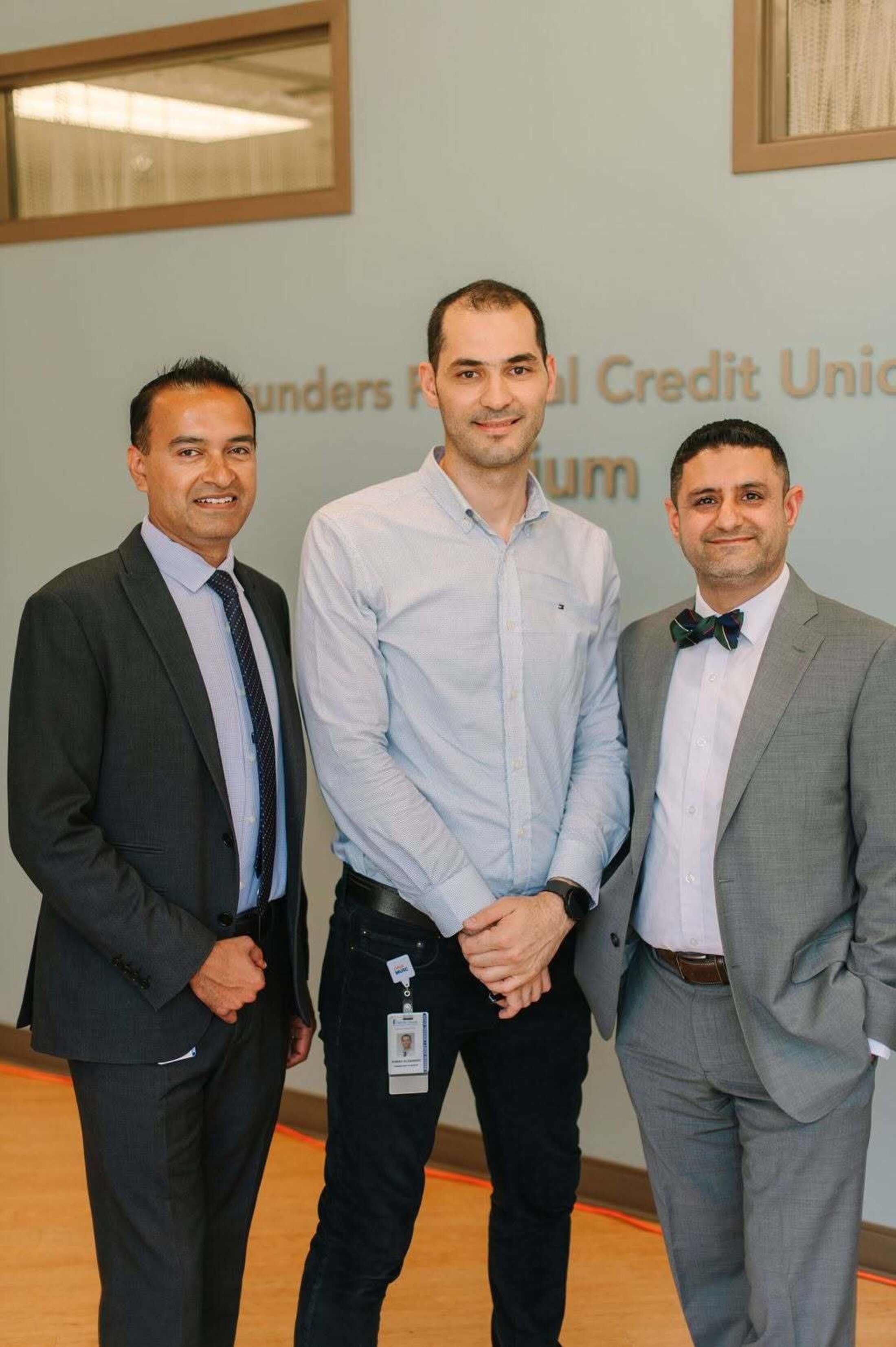
In addition to Anand, who oversaw the kidney transplant program in Lancaster, three top surgeons, Ahmad Alqassieh, M.D.; Ammar Mahmood, M.D.; and Monther Aliti, M.D., all fellowship trained in transplant surgery, joined the team.
“They are some of the best in the field and immediately elevated our surgical capabilities,” McCutcheon said.
Soon, they were joined by nurses, pharmacists, nurse navigators and other specialists.
Everyone was new, and we were a little uncertain, but we were all excited to be a part of such an impactful, significant undertaking.
Founders Federal Credit Union made a $500,000 donation to upgrade facilities and purchase equipment. “Founders understood the importance of what we were doing and continues to be an important partner,” McCutcheon said.
Natalie Wessels, R.N., nurse manager for the transplant program, had been in the transplantation field for nine years when the program was announced. “Everyone was new, and we were a little uncertain, but we were all excited to be a part of such an impactful, significant undertaking. From the outset, we were dedicated to going above and beyond to deliver the best-quality care for patients.”
MUSC Health’s vision and commitment have paid off.
The kidney transplantation program is nationally recognized, surpassing larger medical centers throughout the Southeast, for its transplant survival rates and shorter wait times for transplant.
Wessels said the kidney transplantation program combines the advanced care most people expect only at a large medical center with the warmth and familiarity of a smaller center.
“Our physicians are phenomenal,” she said. “The entire transplant team is cohesive, and we’re on a personal level with our patients. We know them, and we know their families.”
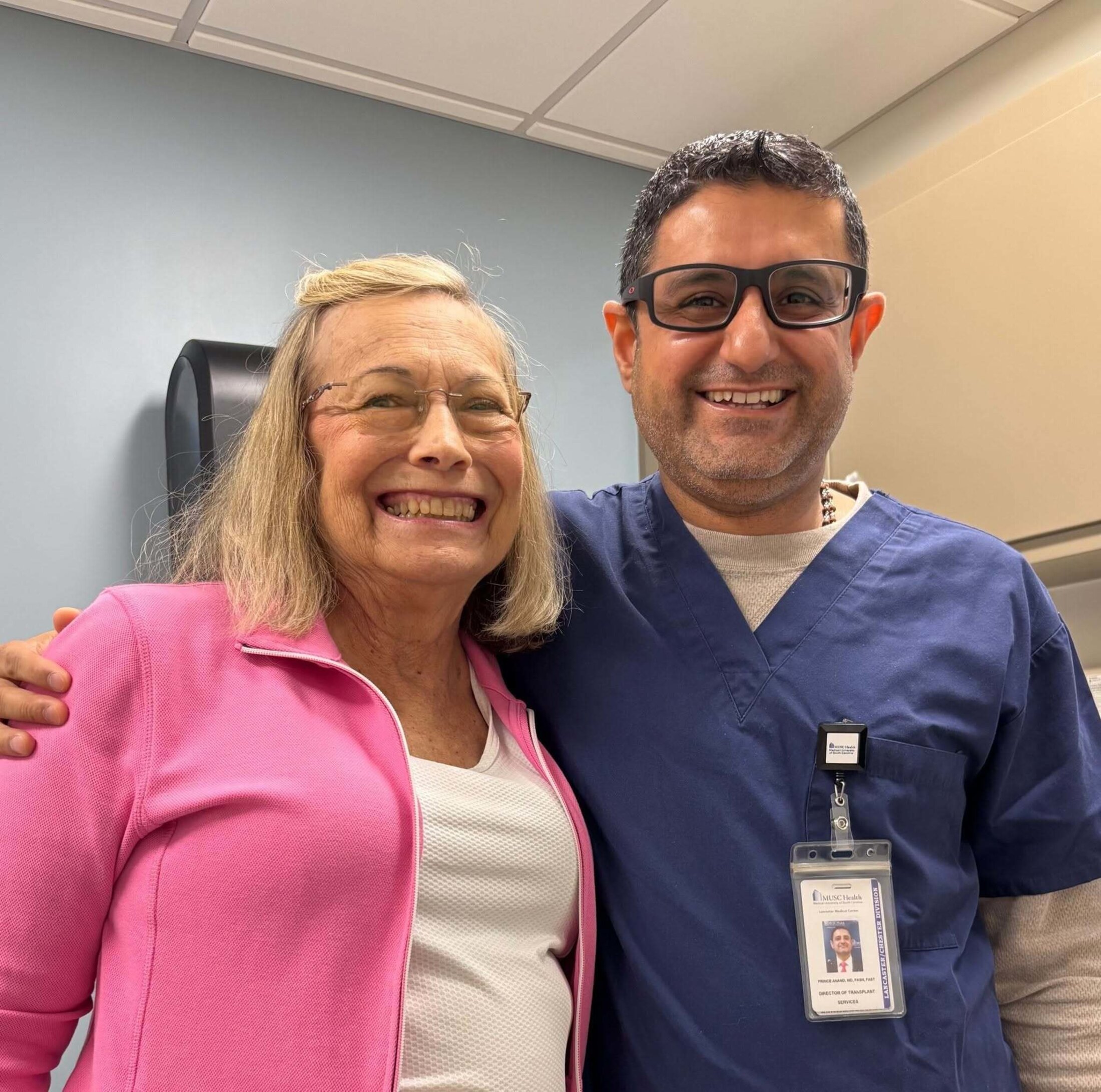
Julia Marshall, a patient who has had not one, but two, kidney transplants by MUSC Health surgeons, echoed Wessels’ words. Marshall lives in Rock Hill and had her first kidney transplant and a pancreas transplant at MUSC Health in Charleston and in 2014, a second kidney transplant at Lancaster Medical Center in 2025.
And while she was on the waitlist for both Charleston and Lancaster for her second transplant, she said the presence of Anand, who had been one of her surgeons in Charleston, along with the opportunity to stay close to home, convinced her to have the procedure in Lancaster.
The expertise, professionalism and warmth of the transplant team convinced her that she’d made the right decision.
“The service and the care are comprehensive and high quality, and that creates a strong trust factor that is often unheard of today,” said Marshall, a principal at Legion Collegiate Academy.
“From the moment I checked in until my most recent follow-up visit, everything I needed has been right there, from therapy and emotional support to wellness programs and patient education. Whether it’s the front desk, the pharmacy or radiology, staff members address me by name and inquire about my husband, John; the grandchildren; and my students at Legion. They make me feel that they really want me to succeed in my recovery.”
Patient comments like that are music to Anand’s ears.
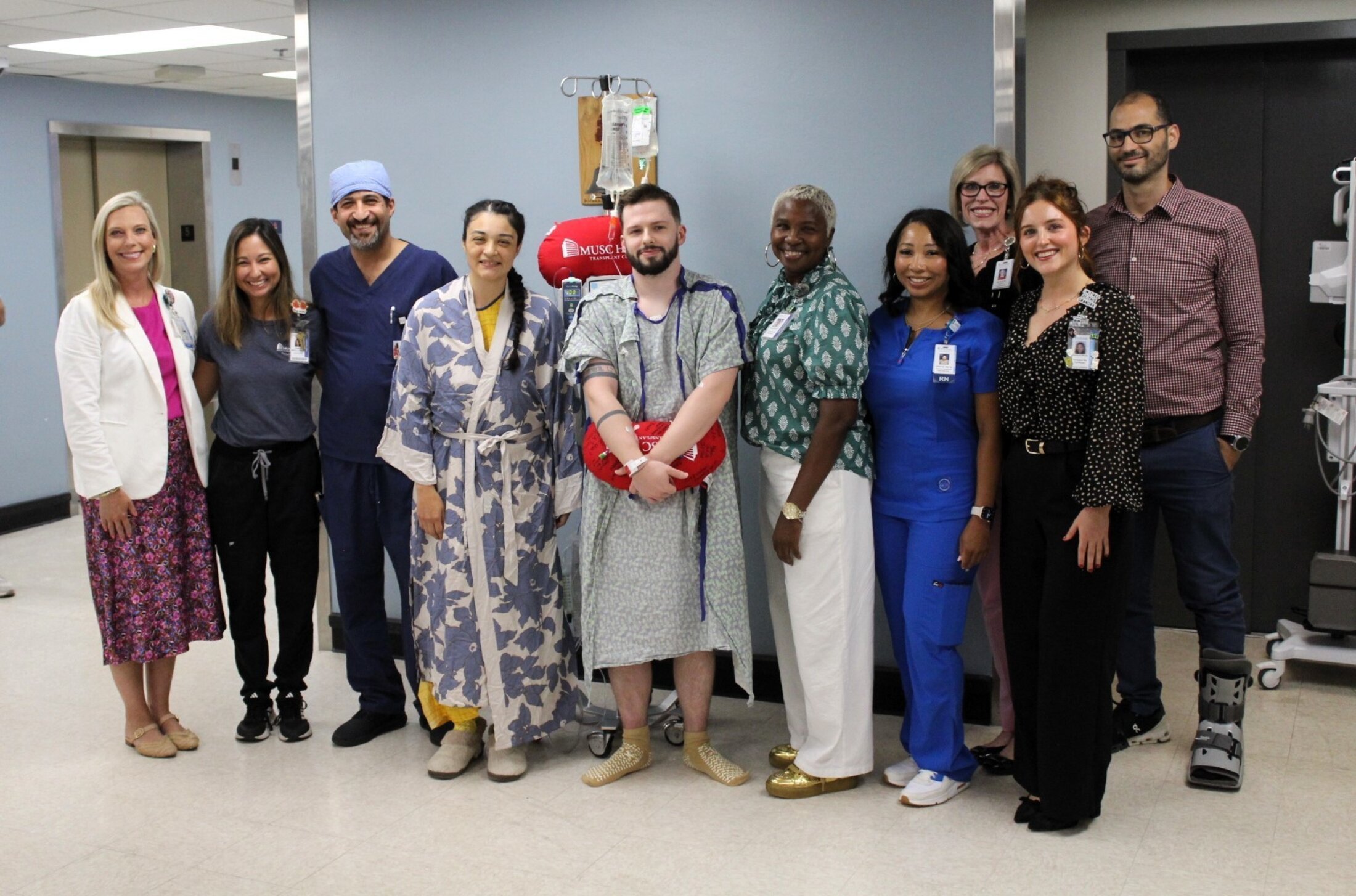
As Anand looks ahead to the next five years, he said the program, which he calls “his baby,” is just hitting its stride and more growth lies ahead.
He has set a goal of increasing the number of transplants from 120 a year to 200 and introducing robotic surgery for kidney recipients.
“In the past five years, the biggest advance in transplantation has been the introduction of robotic surgery,” Anand said. “All our surgeons are trained on robotics, so that will be the next step, and it will be a game-changer for us and our patients.”
Meanwhile, he and McCutcheon are proud of the planning, dedication and work that have put their hospital on the map.
“Anybody hearing about kidney transplants has an appreciation for its complexity.” McCutcheon said, “And the fact that they’re being done at our hospital at such a high level year after year has really put us in the spotlight.
“It’s another demonstration of our commitment to bringing highly specialized services to those in need in this area and the surrounding area.”

Margaret Lamb
Margaret Lamb has extensive experience in higher education, health, medical and wellness communications as a writer, editor, spokesperson and manager. A graduate of the University of South Carolina (USC) with a degree in political science, she has worked for USC and Clemson University as well as Hill & Knowlton Public Relations and The Atlanta Constitution.
Recent MUSC News stories