
For adolescents coping with the aftermath of physical or sexual assault, finding the right treatment can be difficult. But even when effective treatments exist, another challenge remains: making sure those treatments reach the young people who need them.
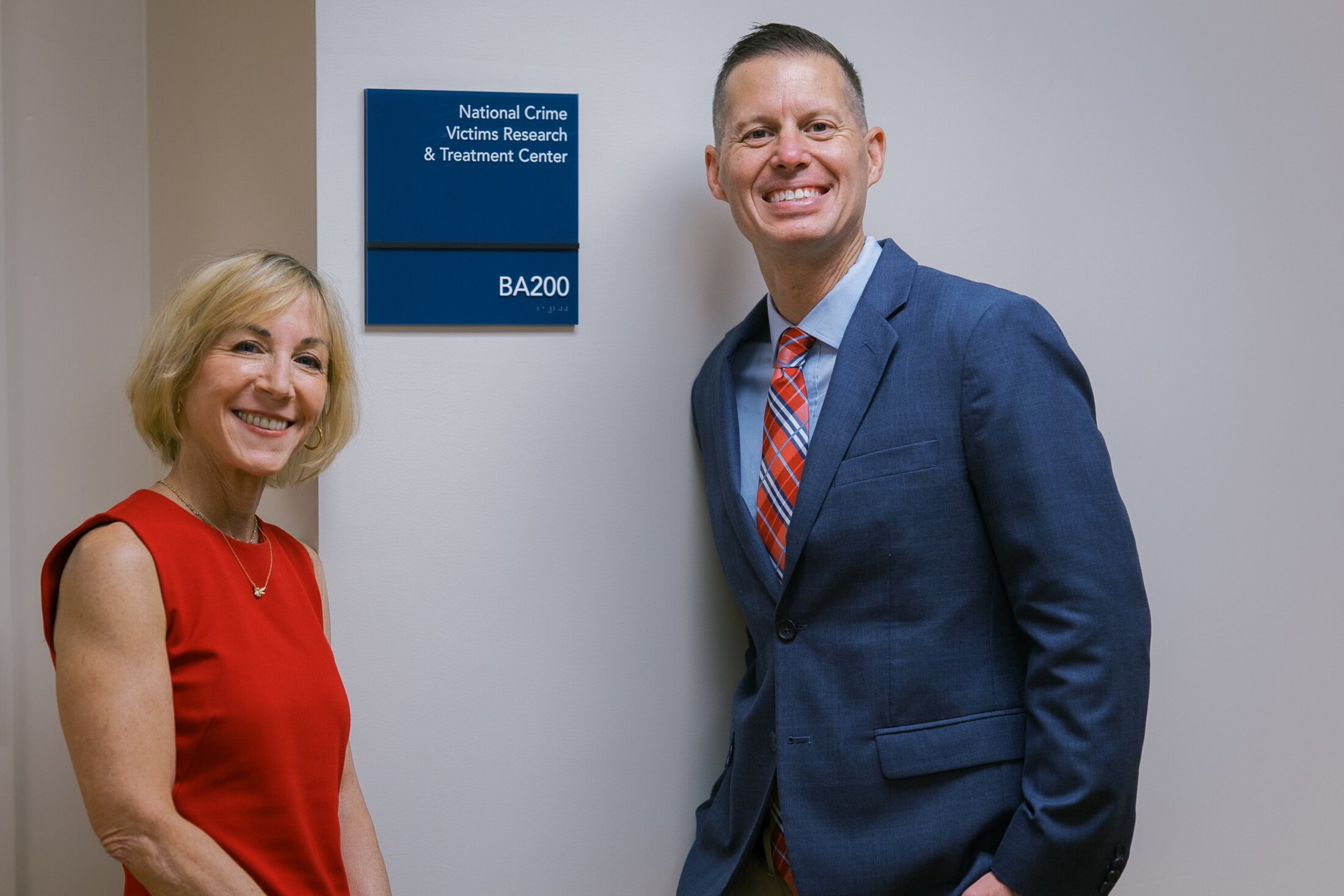
That’s the challenge MUSC researchers Rochelle F. Hanson, Ph.D., and Michael R. McCart, Ph.D., hope to address through a five-year $16.4 million study funded by the Patient-Centered Outcomes Research Institute (PCORI).
The project builds on clinical trials led by Carla Kmett Danielson, Ph.D., professor of Psychiatry and Behavioral Sciences at MUSC, to establish the effectiveness of Risk Reduction through Family Therapy (RRFT), an integrated therapy approach for adolescents who have experienced trauma and are at risk for or struggling with substance use.
The new study, called PRISE – Partnering to Research Implementation Strategies to Engage youth/caregivers in trauma treatment – will investigate strategies for putting trauma-focused treatment into practice.
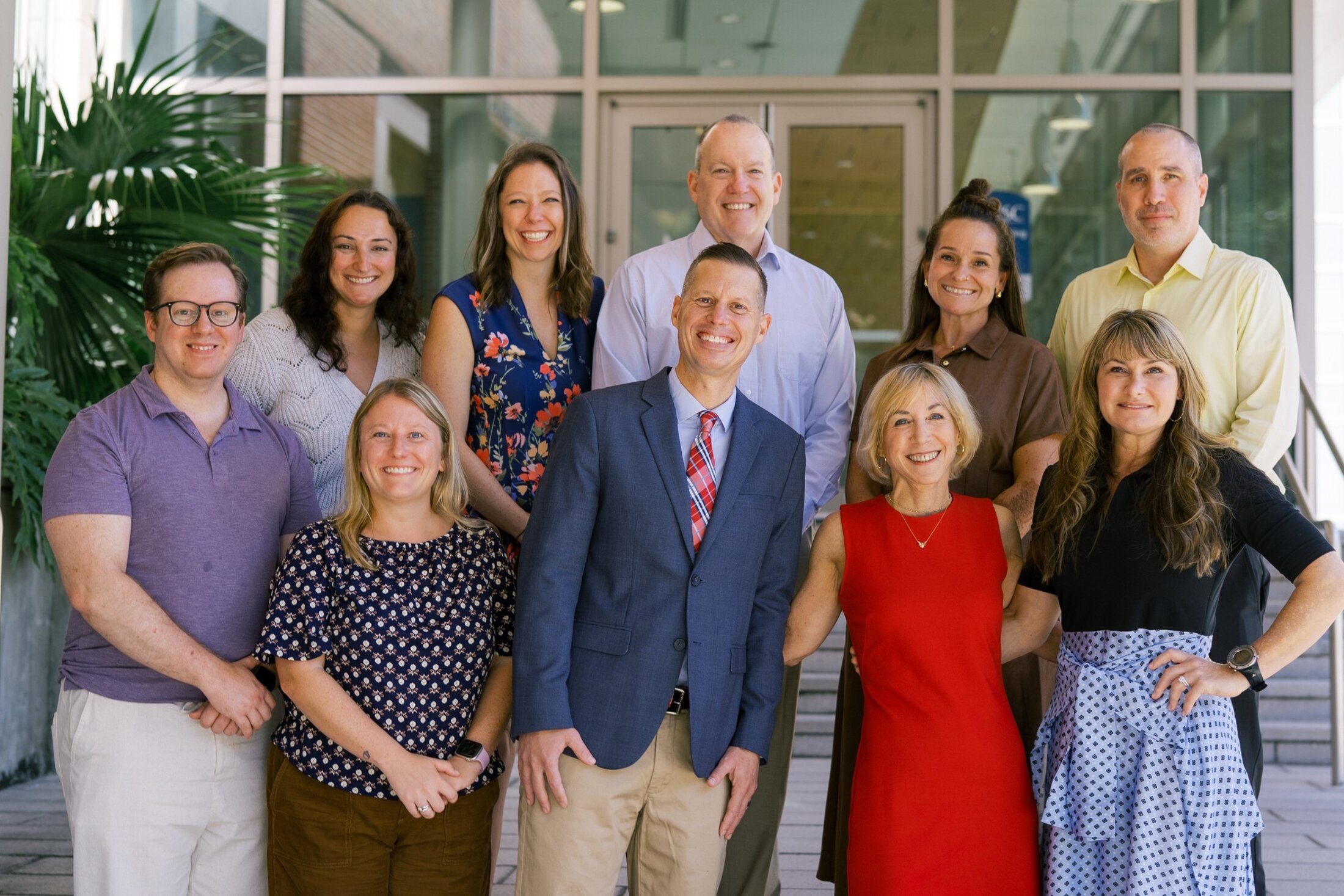
Hanson and McCart bring complementary expertise to the project, combining backgrounds in trauma-related mental health, substance use and implementation science.
“I am an adolescent substance use researcher, and Rochelle is an implementation science expert,” McCart said.
Hanson agreed that their respective backgrounds make for a strong partnership.
“Earlier in my career, I was focused on PTSD and other trauma-related mental health symptoms in kids and families and then did a lot of training and implementation to build the workforce so that we could better serve these kids,” Hanson explained. “Mike has extensive expertise in substance use in young adults and adolescents. It is really perfect for us to come together and work on this project.”
From research to real-world care
RRFT addresses both PTSD symptoms and substance use problems in adolescents ages 13-18 who have experienced physical or sexual assault. The therapy also involves caregivers, recognizing the important role families can play in treatment.McCart explained how the family-focused approach helps adolescents and their caregivers to address both challenges.
RRFT is mental health and substance use counseling that is family-focused and helps the family learn how to manage and cope with and overcome trauma reactions.
“RRFT is mental health and substance use counseling that is family-focused and helps the family learn how to manage and cope with and overcome trauma reactions,” McCart said. “Also, for substance use, how to manage and reduce the reliance on alcohol or other substances.”
Over a period of five years, researchers will work with 60 child advocacy centers across the country to compare strategies for implementing RRFT and making the treatment more widely available.
“There’s opportunity to take this work that we've been doing for decades and conduct a large-scale nationwide evaluation that would promote greater access to this evidence-based treatment,” McCart said.
Engaging both clinicians and caregivers will be an important part of that effort, Hanson explained.
“By testing strategies that involve both clinicians and caregivers, we can learn how to make treatments like RRFT more widely available. This means more adolescents getting the healthcare they need, when and where they need it, leading to stronger families and healthier communities,” Hanson said.
MUSC will collaborate with The Ohio State University, the University of Washington and the National Children’s Alliance, which provides training and support to child advocacy centers across the country.
The project began on Sept. 1. The initial phase will continue through June of 2027, followed by three and a half years of recruitment, data collection and work with participating families. Researchers will then analyze the findings.
Bringing families into the conversation
An important part of PRISE will be engaging the people most directly affected by adolescent trauma and substance use. In addition to teenagers, researchers will seek input from caregivers, mental health therapists, young adults ages 18 to 21 and policymakers to help to shape the study’s approach and share its findings.“We did some preliminary work with these groups, and they have helped us refine our resources and materials for training,” McCart said.
The researchers also plan to help caregivers to understand trauma-related symptoms, substance use and available treatment options more fully. Through an approach the team calls Caregiver-Patient Activation, they hope to give families the information and support they need to make better treatment decisions and remain engaged in their care.
“Caregivers just don’t know what to do,” Hanson said. “They get frustrated.”
McCart said the stakes are particularly high for adolescents who have experienced trauma, pointing to the connection between traumatic experiences and substance use. “There are ongoing struggles that young people in our communities are having with the misuse of alcohol, marijuana and other substances, including fentanyl. The connection to trauma is absolutely important to think about. When young people have experienced a traumatic event, they are at much higher risk for engagement in maladaptive coping strategies that can include the use of substances,” he said, adding that those risks are compounded by the challenges of adolescence itself.
“It’s a developmental period where youth are already at elevated risk because of the age stage that they’re in. But then when they experience a traumatic event, it elevates that risk even more,” he said.
For Hanson, the need for an integrated approach is clear.
“We know that these kids get shuffled back and forth between different providers,” Hanson said. “One to take care of the substance use problem and then another to deal with the trauma symptoms, but no one is really taking these kids in and working with them to deal with the whole issue. That’s where Carla Kmett Danielson is a pioneer in developing RRFT. She came up with this treatment and said, ‘You know what? We can treat these kids.’”
Department of Psychiatry and Behavioral Sciences


Theresa Stratford
Theresa Stratford is the editor for MUSC’s newspaper, The Catalyst. She has worked as a writer and editor for 25 years since graduating from the University of South Carolina with a Bachelor of Arts degree in journalism and mass communications. As a writer, she has worked for the federal government in cybersecurity and for the Department of Energy. As both a writer and an editor, she has worked for a variety of syndications, including national magazines, such as Vogue Knitting, as well as many local Charleston and South Carolina publications.