

Breast cancer is the most common cancer affecting women in the United States. About 1 in 8 women will be diagnosed with breast cancer in their lifetime. The encouraging news is that when breast cancer is detected early, it is often treatable. Knowing your personal risk and understanding when to begin screening are important parts of your healthcare.
As a medical oncologist, one of the questions I frequently get asked is, “When should I start getting mammograms?” The answer is not the same for everyone; it depends on your individual risk.
For women at average risk
Many current guidelines recommend starting routine mammography at age 40 for women at average risk. How often you should be screened may vary based on the guideline, your age, your personal preferences and risk factors.
Importantly, you do not have to wait until you develop symptoms or feel a lump. Screening mammograms are designed to find breast cancer before it causes symptoms.
Know if you are at higher risk
Some women have a higher-than-average risk and may need to begin screening earlier or have additional testing such as breast MRI and genetic counseling/testing.
Some risk factors include:
- A mother, sister, daughter, or other close relative with breast cancer
- A known inherited gene mutation such as BRCA1 or BRCA2
- A strong family history of breast, ovarian cancer, or prostate cancer
- Previous radiation treatment to the chest at a young age
- Certain personal medical or reproductive factors
Having a family member with breast cancer does not mean that you will develop breast cancer. However, it is important to discuss your risks with your healthcare provider. For some individuals, genetic testing may help clarify inherited cancer risk. MUSC Health offers free genetic health screenings through the In Our DNA SC initiative, including screening for genetic variants such as BRCA1 and BRCA2.
What about breast symptoms?
A mammogram is an important screening tool, but you should also pay attention to changes in your breasts.
Contact your healthcare provider if you notice a new lump, a change in breast size or shape, skin changes such as dimpling or thickening, nipple inversion or discharge, or persistent changes that are unusual for you.
Most breast changes are not cancer, but new or concerning changes should be evaluated.
Don’t let fear keep you from screening
It is understandable to feel anxious about getting a mammogram. Some people worry about discomfort; others are afraid of what the test might find. It is important to remember that an abnormal mammogram does not mean you have cancer. Additional imaging or a biopsy may be recommended, and many abnormal screening results ultimately turn out not to be cancer.
The bottom line
There is no one-size-fits-all approach to breast cancer screening. If you are 40 or older, talk with your healthcare provider about beginning or continuing regular mammography. If you have a strong family history or other risk factors, don't wait for a routine screening appointment to bring it up. You may benefit from a personalized assessment of your breast cancer risk.
Know your risks. Get screened and don’t wait for symptoms to act.
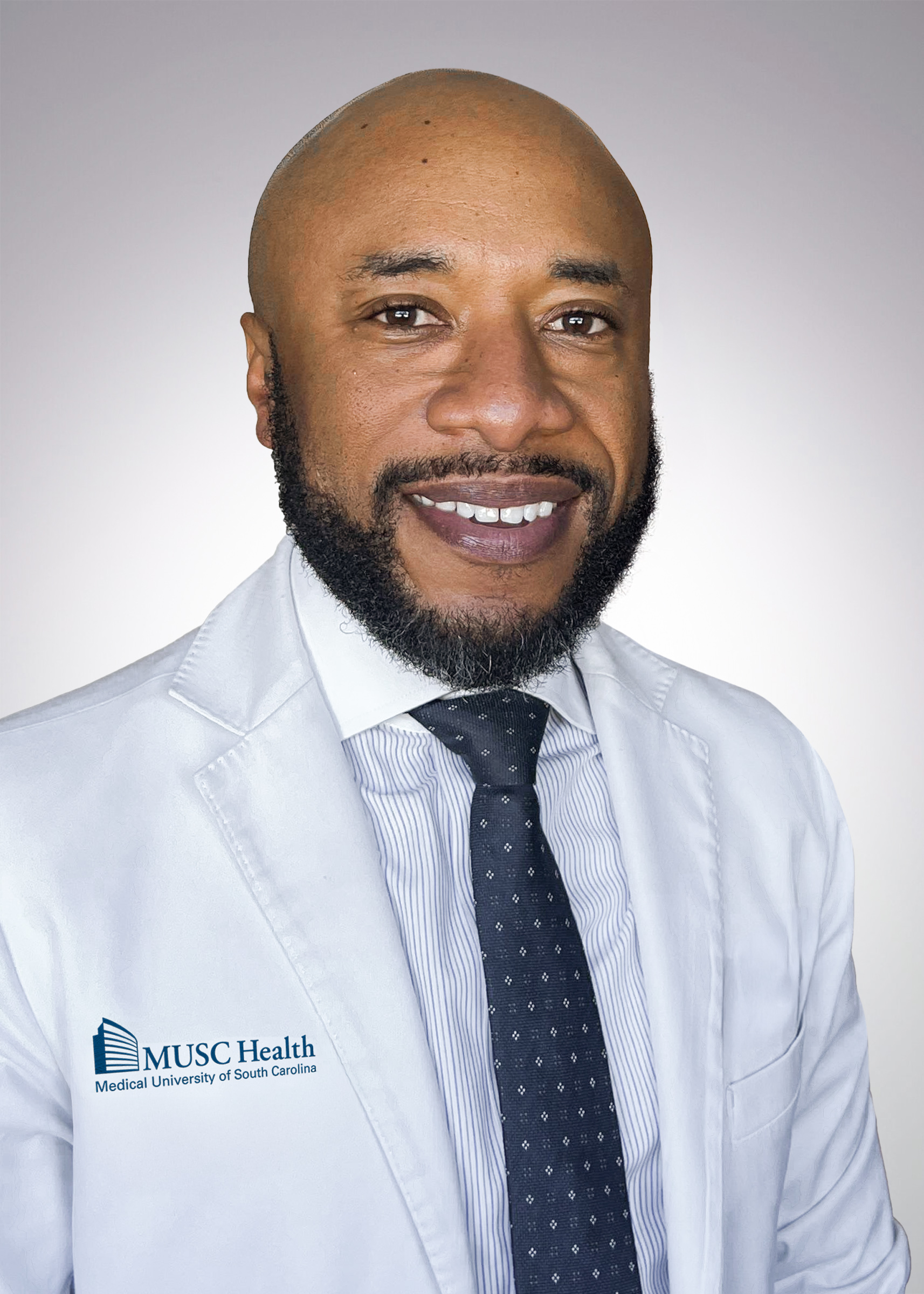
Stanley Nwabudike, M.D.
- Medical Oncology
- Breast Cancer
- Colon Cancer
- Hematology
- Lung Cancer
- Prostate Cancer
- Lancaster, SC
Recent MUSC News stories