
Since addiction psychiatrist Larissa Mooney, M.D., arrived at the Medical University of South Carolina earlier this year, she’s noticed a familiar issue. “I've heard about similar patterns here as we were experiencing at UCLA in Los Angeles - more and more patients over the years presenting for problems controlling their kratom and now 7-OH use.”
If those substances, kratom and 7-OH, are unfamiliar to you, you’re not alone. Many people have never heard of kratom, although it’s available in some smoke shops, gas stations and online. (Many kratom products now also contain 7-OH. More to come on 7-OH later in this report.)
But that unfamiliarity with kratom may be changing. Reports about kratom addiction are making headlines. Meanwhile, a study found calls to poison centers about kratom rose dramatically in recent years. And the parents of a South Carolina man who died with the psychoactive ingredient in kratom in his system are calling for stricter regulations.
A subset of people develop a substance use disorder or addiction where they've lost control over their use and they find that they can't stop.
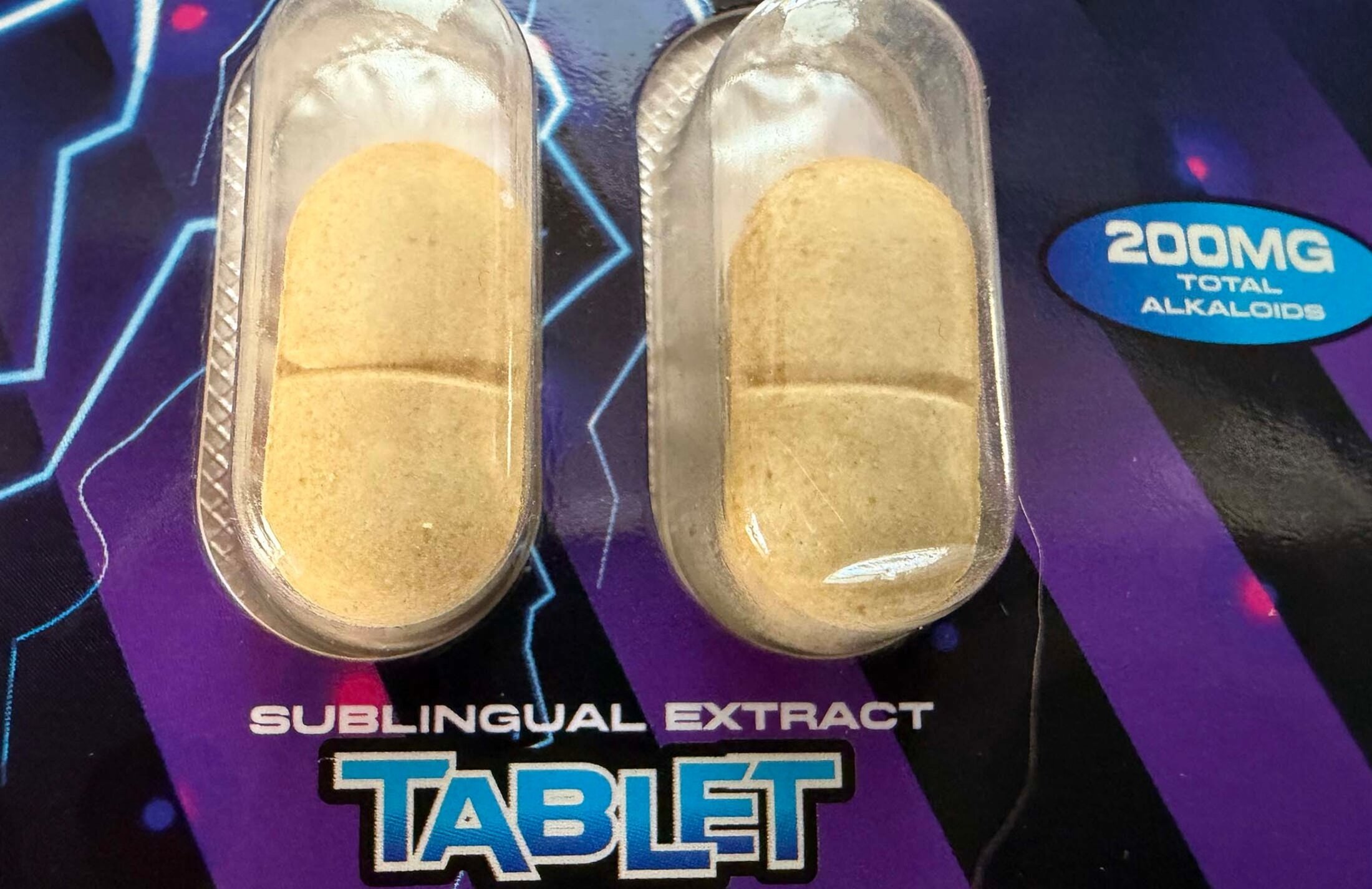
Mooney said a key factor in that rise in visibility is the fact that some kratom products, whether they’re drinks, gummies or tablets, have become more potent. “A subset of people develop a substance use disorder or addiction where they've lost control over their use and they find that they can't stop. And we actually end up treating it the same way that we treat opioid use disorder with medications like buprenorphine.”
What are kratom and 7-OH?
Kratom
Mooney, who works in the MUSC Health Center for Drug and Alcohol Programs at the Institute of Psychiatry and serves as a professor of Psychiatry and Behavioral Sciences at MUSC, said kratom is a tree that's native to Southeast Asia.
“Traditionally, the leaves have naturally occurring alkaloid compounds. The predominant one is called mitragynine, which has some opioid receptor activity.”
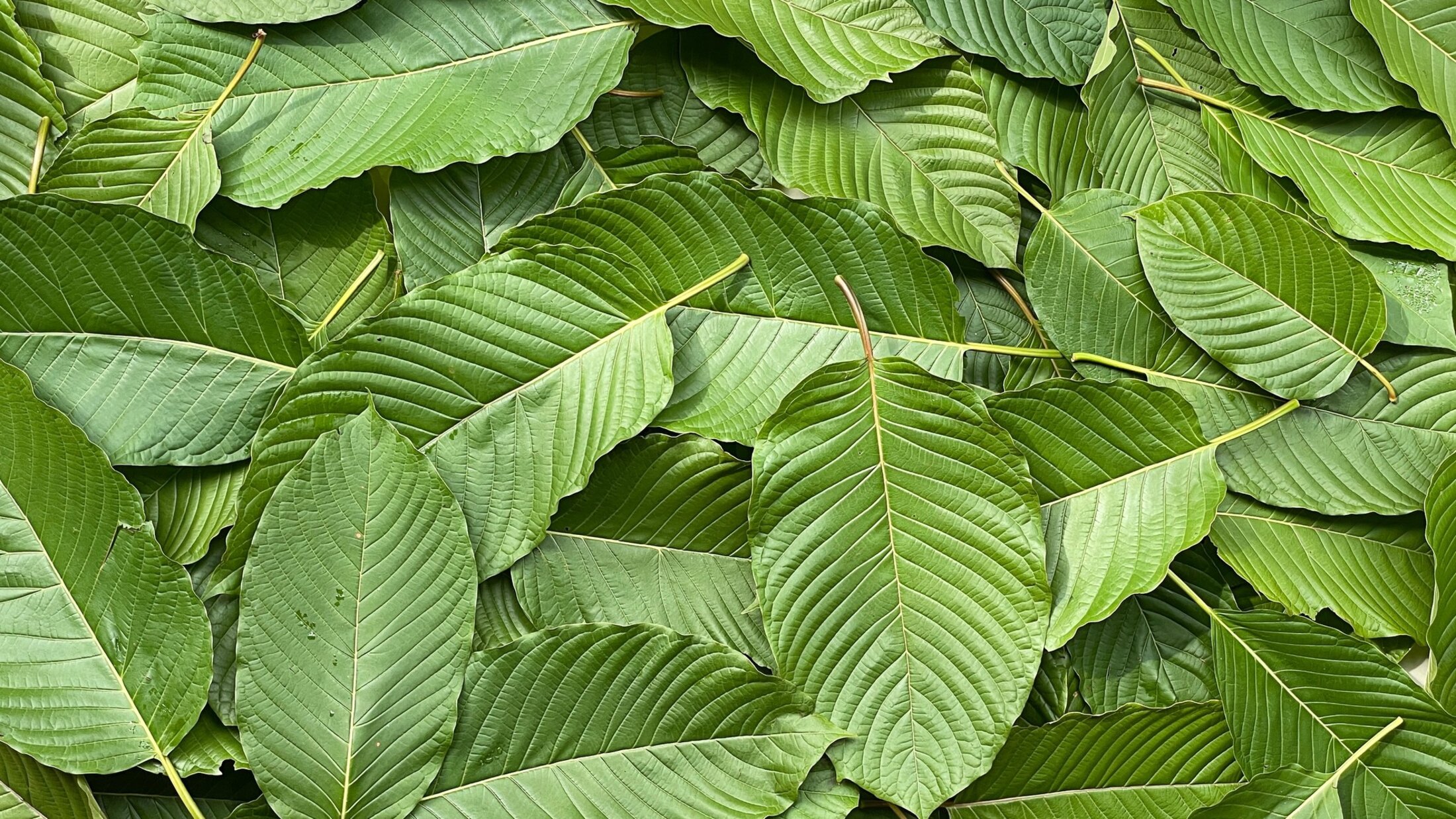
People traditionally chewed those leaves or brewed them as a tea. “And it has some stimulant effects at low doses and more opioid-like effects at higher doses,” Mooney said.
“So then, in terms of commercial marketing, what we saw in the U.S. was that kratom started to be sold as capsules or powder, either online or in convenience stores, because it is not a federally controlled substance.”
While kratom is not approved by the Food and Drug Administration as a drug product, dietary supplement or food additive, Mooney said some people believe it has health benefits.
They may take it because they perceive - and the way it's marketed - that it may reduce anxiety or depression or help with pain.
“They may take it because they perceive - and the way it's marketed - that it may reduce anxiety or depression or help with pain. Some people even take it to get off of the classic opioids that they were using.”
Federal scientists have an interest in kratom as well. The National Institute on Drug Abuse is supporting and conducting research to look at possible medical uses for it and its related compounds.
7-OH
Now, back to 7-OH, mentioned earlier in this report. 7-OH, or 7-hydroxymitragynine, “is naturally found in kratom leaf but in trace amounts,” Mooney said.
“So what they can do now is either concentrate 7-OH or synthesize it by chemically converting mitragynine. The bottom line is 7-OH has much more potent opioid effects than traditional kratom leaf,” Mooney said.

“Several years ago, people would present with difficulty stopping kratom use. And now the market has really shifted to be more predominantly 7-OH. People don't know necessarily that they're consuming something that has opioid effects. Those effects include euphoria or sedation. Some people may develop tolerance and physical dependence so that when they stop, they experience opioid withdrawal symptoms.”
The FDA is so alarmed by the potential impact of some 7-OH products that it says on its website, “The time to act is now. We can and must prevent the next wave of the opioid crisis.”
These more concentrated, more potent 7-OH products are being sold and marketed in a way that people might think of them as supplements, or they just think they're going to feel good when they use it, and they don't realize the potential dangers.
Strong words, but Mooney said it’s important to spread the message about the substance’s risks. “These more concentrated, more potent 7-OH products are being sold and marketed in a way that people might think of them as supplements, or they just think they're going to feel good when they use it, and they don't realize the potential dangers.”
One of those dangers is overdose, Mooney said. “Opioids cause sedation. In higher doses, they can suppress the respiratory drive and slow breathing. For someone who isn’t used to opioids, and especially if they mix them with alcohol or other sedatives, the risk is even higher and can result in a life-threatening overdose.”
There have been fatal overdoses related to kratom, 7-OH and other related compounds, Mooney said. “In many cases, there may be other substances on board, causing effects to be exacerbated. But the public is just largely unaware of this.”

Helen Adams
Recent MUSC News stories