
The Medical University of South Carolina has joined what the American Heart Association calls “top institutions across the country” in a research network designed to “transform heart transplant care.”
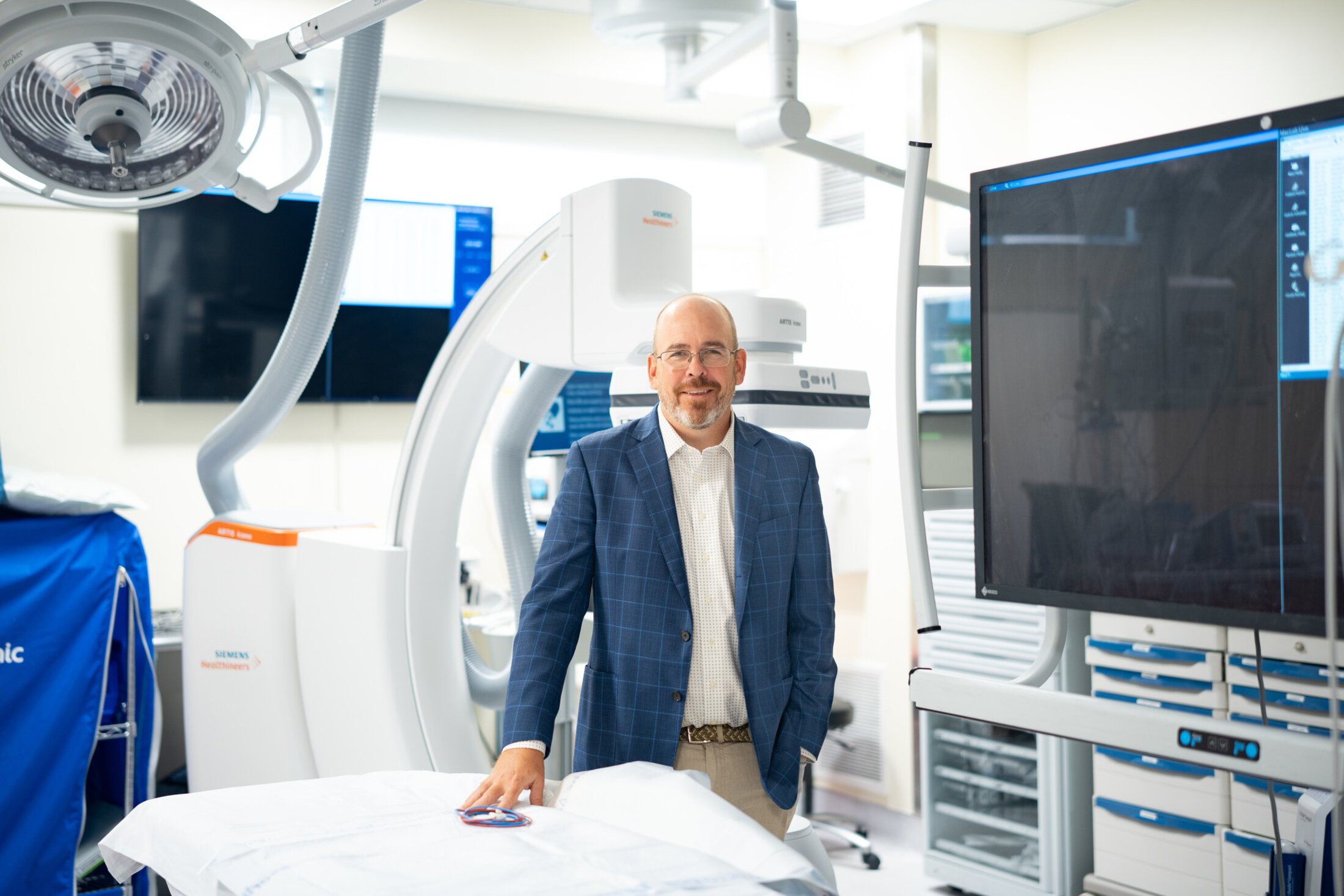
Ryan J. Tedford, M.D., serves as section head of heart failure and medical director of heart transplantation at MUSC Health. “One of the major unmet needs in the field is not just how we prevent rejection of transplanted hearts – we’re pretty good at that now – but also how we find the right balance between rejection and infection, avoiding some of the long-term consequences of being on rejection medications?”
The 15-center research network, which includes Cedars-Sinai Medical Center, Columbia University, Johns Hopkins University School of Medicine, Mayo Clinic and Stanford University, will tackle those questions and many others.
For example: “How do we continue to optimize donor availability?” Tedford continued. “We’ve seen, probably for the first time in a long time, that there are fewer donor hearts available. Nobody really knows why that is. It may be related to a reduction in fentanyl overdoses,” he said.
“But last year, we saw about a 25% reduction nationwide in heart donors. Prior to that, we were seeing an increase based on utilization of hearts that we had not previously seen. We need to look at new strategies.”
Multi-center might
Those strategies may be easier to come by with input from the network’s multiple centers, according to cardiologist Brian Houston, M.D. He specializes in heart failure and transplant at MUSC Health.
“I think this is a really galvanizing way to move the field forward. Some of this goes toward structural difficulties in heart transplant in general, even in very busy programs like ours. We are routinely in the top 10 by volume in the nation. I think last year, we did around 70 heart transplants,” Houston said.
I think this is a really galvanizing way to move the field forward.
While that may sound like a lot for a single hospital, having a larger pool of patients to study is a welcome development, Houston said. “By being able to systematically combine efforts with multiple high-volume, high-quality innovative centers, I think we could really start to gather a critical mass of patients and answer some of the key questions.”
Research network goals
Those questions are at the heart of the research network’s goals, which include:
-Developing a global heart transplant database that allows real-time insights.
-Making it easier and faster to see when a person’s body is rejecting a transplanted heart.
-Increasing remote monitoring of patients.
-Coming up with safer and more effective therapies.
-Standardizing transplant care.
-Accelerating clinical trials.
-Advancing research into immune tolerance and chronic rejection.
The American Heart Association is funding the pursuit of those goals with $4.5 million in grants over four years.
Series of achievements
MUSC Health’s inclusion in the network is the latest in a series of achievements for the state’s only heart transplant center. The number of transplants has soared, meaning the team is highly experienced. And the one-year survival rate for adult heart transplant recipients at MUSC Health is in the highest possible category, according to the Scientific Registry of Transplant Recipients.
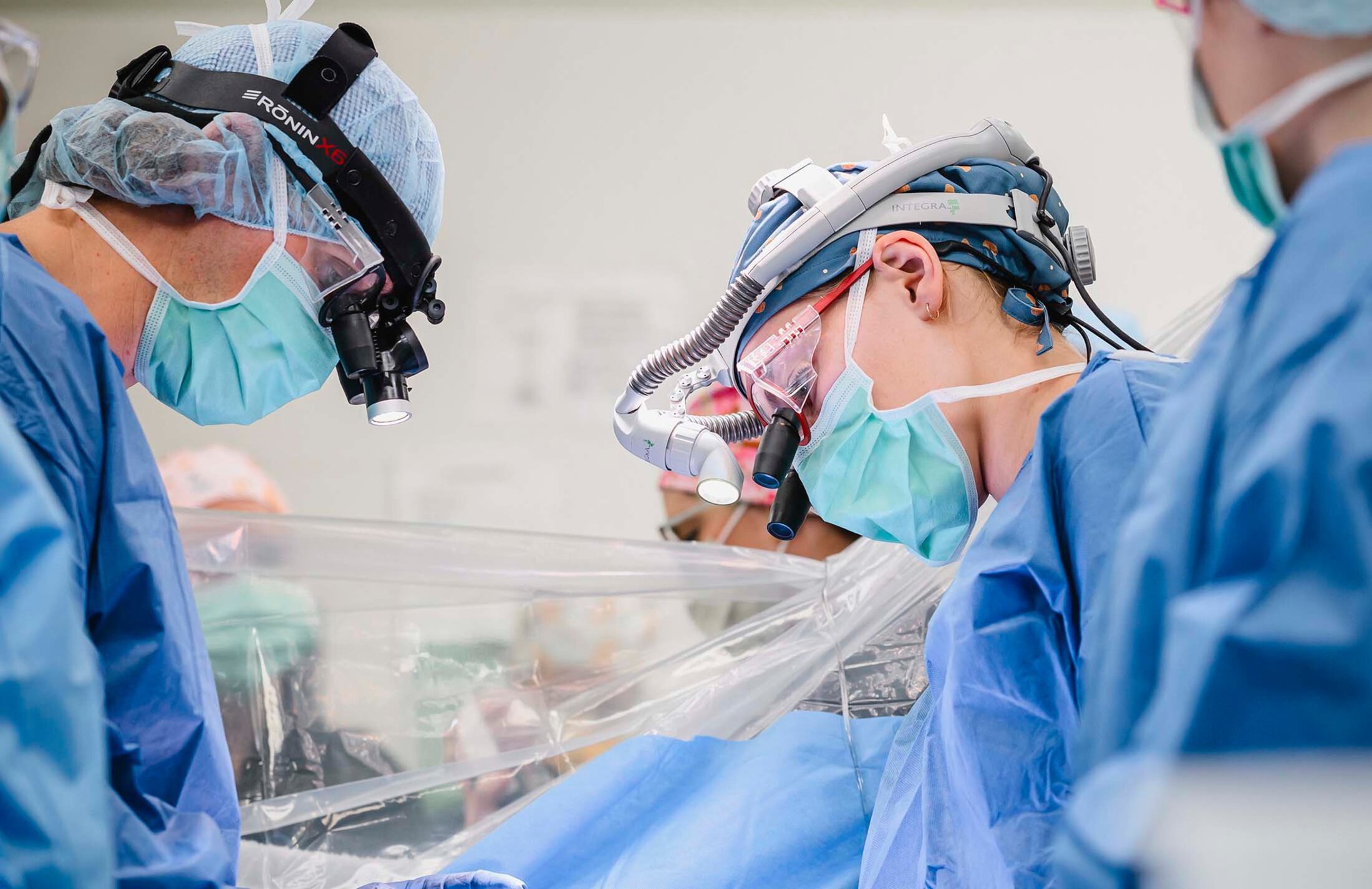
A couple of specific situations stand out as well. MUSC Health surgeons recently performed the remarkable feat of doing three heart transplants in just 12 hours and a fourth the next day. The team has also done the state’s first successful combined heart-liver transplant in someone who’d had a Fontan procedure.
Steve Hanish, M.D., division chief of transplant surgery at MUSC, said the heart transplant program has come a long way in recent years. “It started with a positive culture and a buy-in from all the team members, from the people on the front lines to the coordinators, and then the trust of the community to want to have their care at MUSC. We also have the physician leadership to maintain the quality and the outcomes to turn the program around.”
Tedford said being part of the research network will benefit both that program and the patients it serves. He envisions not only more successful transplants but also an increasingly personalized approach. “We did our thousandth transplant this year at MUSC. We’re continuing to grow and expand and make sure that when a patient has end-stage heart failure, they’re being considered for these lifesaving therapies whenever possible.”
Helen Adams
Recent MUSC News stories