

The most important people in a clinical trial may be the ones who never join it. Every "no" in a clinical trial is usually treated as the end of a conversation, but a new MUSC study suggests it might be the beginning of an important one.
While recruiting for a parent study, researchers at the Medical University of South Carolina (MUSC) were surprised to discover that patients with college experience were three times more likely to decline participation in an overdose prevention research study than those without a high school diploma. This finding prompted a closer look at who declines to participate in clinical trials.
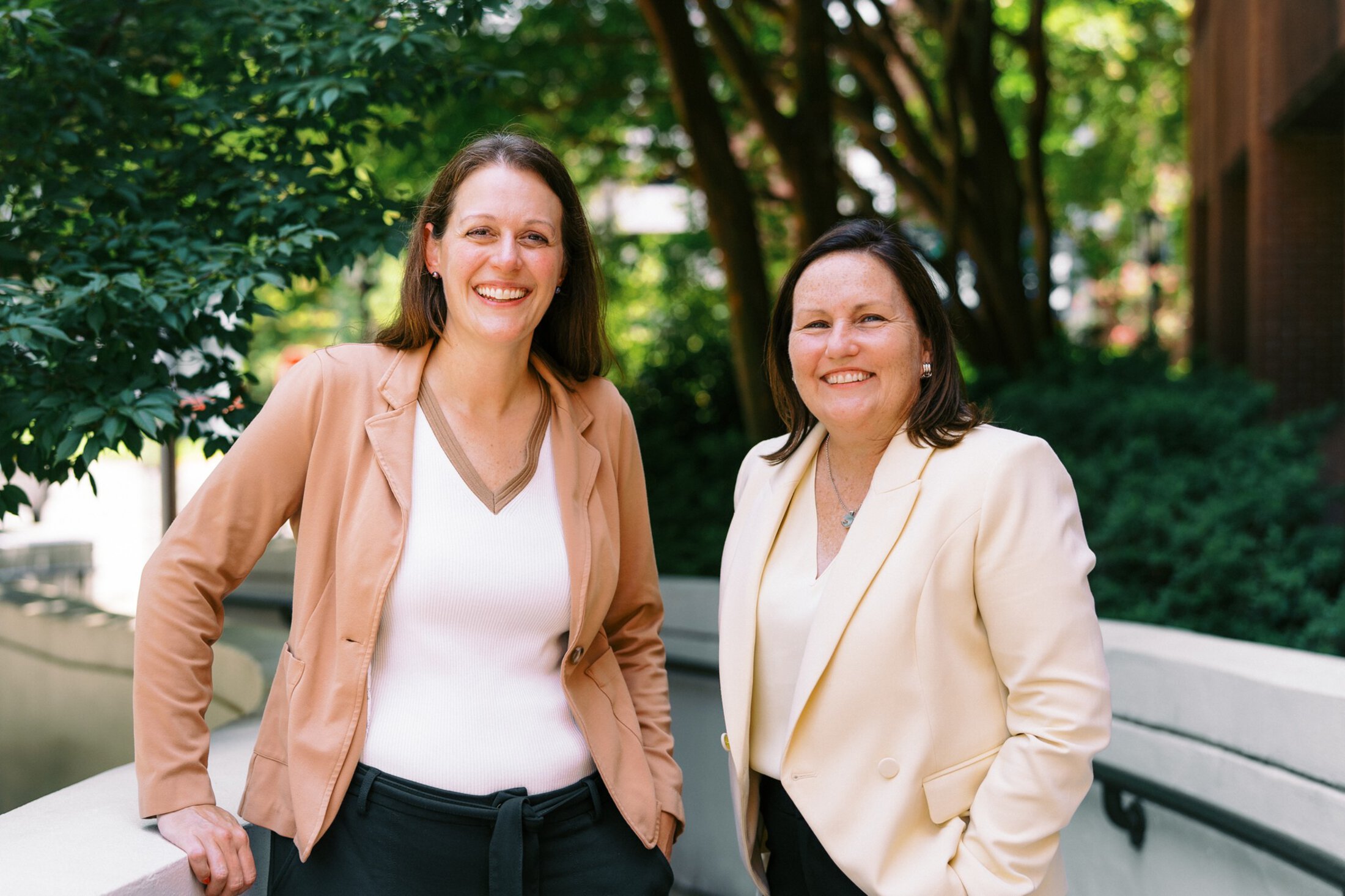
A team of researchers, including professors of Psychiatry and Behavioral Sciences Erin A. McClure, Ph.D., and Kelly S. Barth, D.O., and Ralph C. Ward, Ph.D., a statistician and research associate professor in the Department of Public Health Sciences, looked at patient engagement from a different angle. The team’s parent study tested whether support from a peer recovery specialist, a specially trained individual with lived experience of substance use, could improve outcomes for people treated in Emergency Departments after an opioid overdose. After being approached in the ED, 150 people enrolled in the study. Many more chose not to participate, and 46 people declined to take part but, instead, completed a brief anonymous exit survey on their demographics, substance use and reasons for declining.
Rather than treating those 46 refusals as lost opportunities, the researchers saw the chance to learn more about them and why they said no. “The people who declined to participate are a really interesting group that we don’t ask enough questions about,” said McClure. She and her team were driven by one big question: “What are the reasons why people would decline to participate?”
The findings challenged several assumptions about who is most likely to participate in research. Those with any college experience were three times more likely to decline than those without a high school diploma. People without health insurance were also three times more likely to say no than those with insurance. Lastly, the younger the patient, the greater the likelihood of their opting out.
“That’s not what we expected to find,” said McClure. Heretofore, researchers could only speculate about the reasons behind these patterns. Possible explanations have included stigma, misconceptions about research participation or differing attitudes toward treatment among younger adults.
However, through patient self-reporting, researchers learned that the most common reasons for declining participation were wanting to leave the ED as quickly as possible, feeling unwell, disinterest in research and feeling that the intervention wouldn’t be helpful. Notably, many people who declined the study still wanted help. While 56.5% were not in treatment for their substance use, nearly two-thirds said they wanted treatment services. This finding indicates that declining research is not the same as declining care.
“This suggests to me that it’s not something about the peer support itself that is not appealing to them. It’s about being in a research study,” said McClure. Timing and the ED setting both could be additional contributing factors in these cases.
“The desire is there,” explained McClure. “They want peer support, but maybe just not right now.”
They also explored the potential that researchers don’t present opportunities in ways that resonate with participants.
“We expect a lot from people, and research studies can be highly burdensome for participants,” explained McClure. “I see this as a call to action for the research community to improve our methods and improve the ways in which we engage people in research.”
I see this as a call to action for the research community to improve our methods and improve the ways in which we engage people in research.
They determined that promising strategies include incorporating technology in a way that makes participation less taxing, like offering telehealth visits and delivering medication by mail. The researchers also cited the importance of connecting with participants when they are ready.
McClure believes institutions like MUSC may have opportunities to engage potential participants beyond the immediate aftermath of a medical crisis. Because MUSC uses an opt-out model for research recruitment, investigators can contact eligible patients later, when they may be more receptive to considering study participation.
Clinical trials are crucial not just for individual health but for that of the population at large. Data collected from those who agreed to take part in research studies can help scientists to develop new medications and treatments that benefit many. But the people who choose not to participate may have just as much to teach researchers. By understanding who said no and why, scientists may find new ways to make research more accessible, all-encompassing and effective.
Featured in this Article
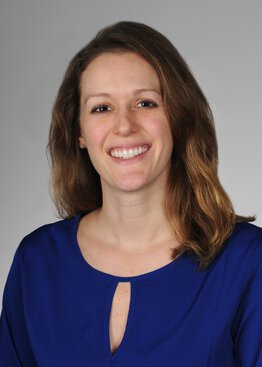
Erin A. McClure, Ph.D.
Dr. Erin A. McClure is a behavioral psychologist and an Associate Professor in the Department of Psychiatry and Behavioral Sciences at the Medical University of South Carolina. Dr. McClure earned her B.S. in Psychology and Neuroscience from Allegheny College and her Ph.D. in Psychology from the University of Florida. The overarching goal of Dr. McClure’s program of research is broadly focused on reducing the harmful impact of cannabis and tobacco/nicotine product use across the lifespan. Her research has focused on refining and evaluating strategies to improve long-term abstinence and prevent relapse, as well as pursuing harm reduction strategies to minimize the adverse impact of substance use; all utilizing technology to improve remote procedures and data quality, as well as to increase reach and accessibility.
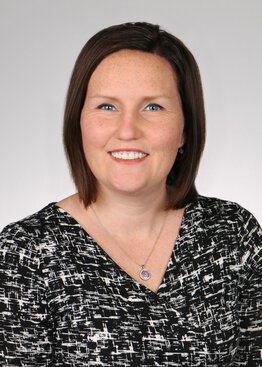
Kelly Barth, D.O.
Dr. Kelly Barth is a Med-Psych physician board-certified in internal medicine, addiction psychiatry and pain medicine. She directs the MUSC Pain Rehabilitation Program and also performs research in the area of opioid tapering and peer-led interventions for opioid overdose survivors. She is a member of the MUSC Project Echo OUD Hub where she provides mentoring and lectures in the areas of addiction diagnosis and treatment, pain management, and overdose prevention.
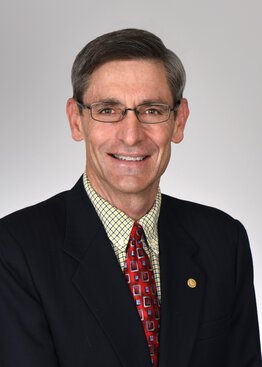
Ralph Ward, Ph.D.
Co-Investigator
wardrc@musc.edu
Dr. Ward is a statistician who will aid SCN investigators in conducting secondary data analyses of CTN studies. He will also provide statistical support in the development of SCN generated CTN concepts and protocols. He will work with Dr. Sonne on the Protocol Management and Administration Core.
Reference
Ward RC, Brigham G, Barth KS, et al. Characterization of patients declining to participate in opioid overdose prevention clinical research in an emergency department setting. J Subst Use Addict Treat. Published online May 18, 2026. doi:10.1016/j.josat.2026.210028
About MUSC
Founded in 1824 in Charleston, MUSC is the state’s only comprehensive academic health system, with a mission to preserve and optimize human life in South Carolina through education, research and patient care. Each year, MUSC educates nearly 3,500 students in six colleges and trains more than 1,060 residents and fellows across its health system. MUSC leads the state in research funding from the National Institutes of Health, including National Institute of General Medical Sciences COBRE awards. For information on our academic programs, visit musc.edu.
As the health care system of the Medical University of South Carolina, MUSC Health is dedicated to delivering the highest-quality and safest patient care while educating and training generations of outstanding health care providers and leaders to serve the people of South Carolina and beyond. In 2025, for the 11th consecutive year, U.S. News & World Report named MUSC Health University Medical Center in Charleston the No. 1 hospital in South Carolina. To learn more about clinical patient services, visit muschealth.org.
MUSC has a total enterprise annual operating budget of $10.1 billion. The more than 36,200 MUSC members include world-class faculty, physicians, specialty providers, scientists, contract employees, affiliates and care team members who deliver groundbreaking education, research and patient care.
About the South Carolina Clinical & Translational Research Institute
The South Carolina Clinical and Translational Research (SCTR) Institute is the catalyst for changing the culture of biomedical research, facilitating sharing of resources and expertise and streamlining research-related processes to bring about large-scale change in the clinical and translational research efforts in South Carolina. Our vision is to improve health outcomes and quality of life for the population through discoveries translated into evidence-based practice. To learn more, visit https://research.musc.edu/resources/sctr
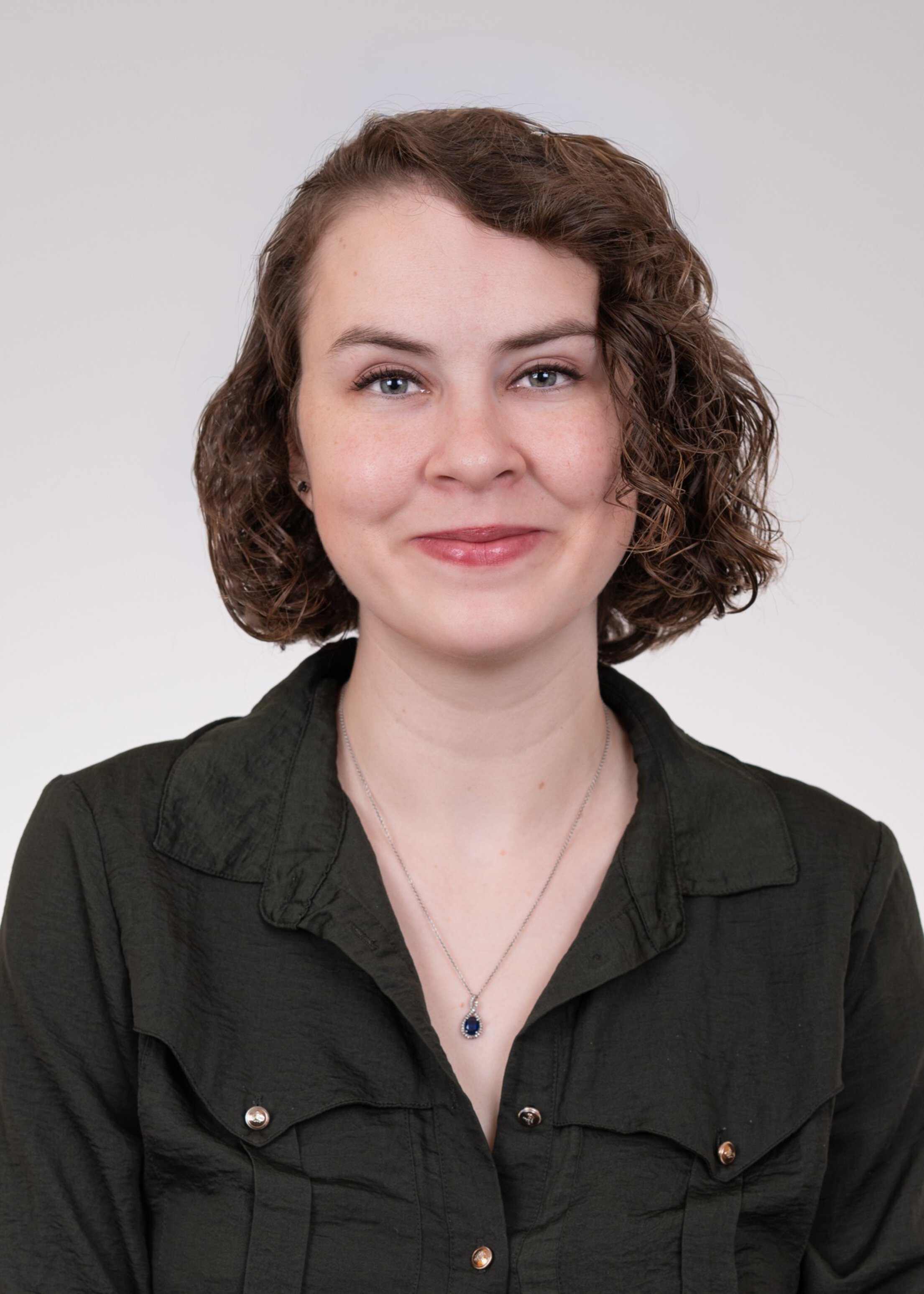
Sophia Barry Gordon
Sophia Barry Gordon is the science writing and communications program coordinator at the South Carolina Clinical & Translational Research (SCTR) Institute. She holds a Master of Science degree from New York University and is currently a Ph.D. candidate at the University of Birmingham (UK).