
With an outbreak of cyclosporiasis making news, MUSC Health infectious diseases expert Scott Curry, M.D., offers some insight and perspective for South Carolina.
First, this is not a new illness. “South Carolina always has cases of this diarrhea in the summertime, just like we do all over the U.S. There’s very clearly some kind of outbreak going on centered in Indiana, Kentucky, Michigan, Ohio and West Virginia.”
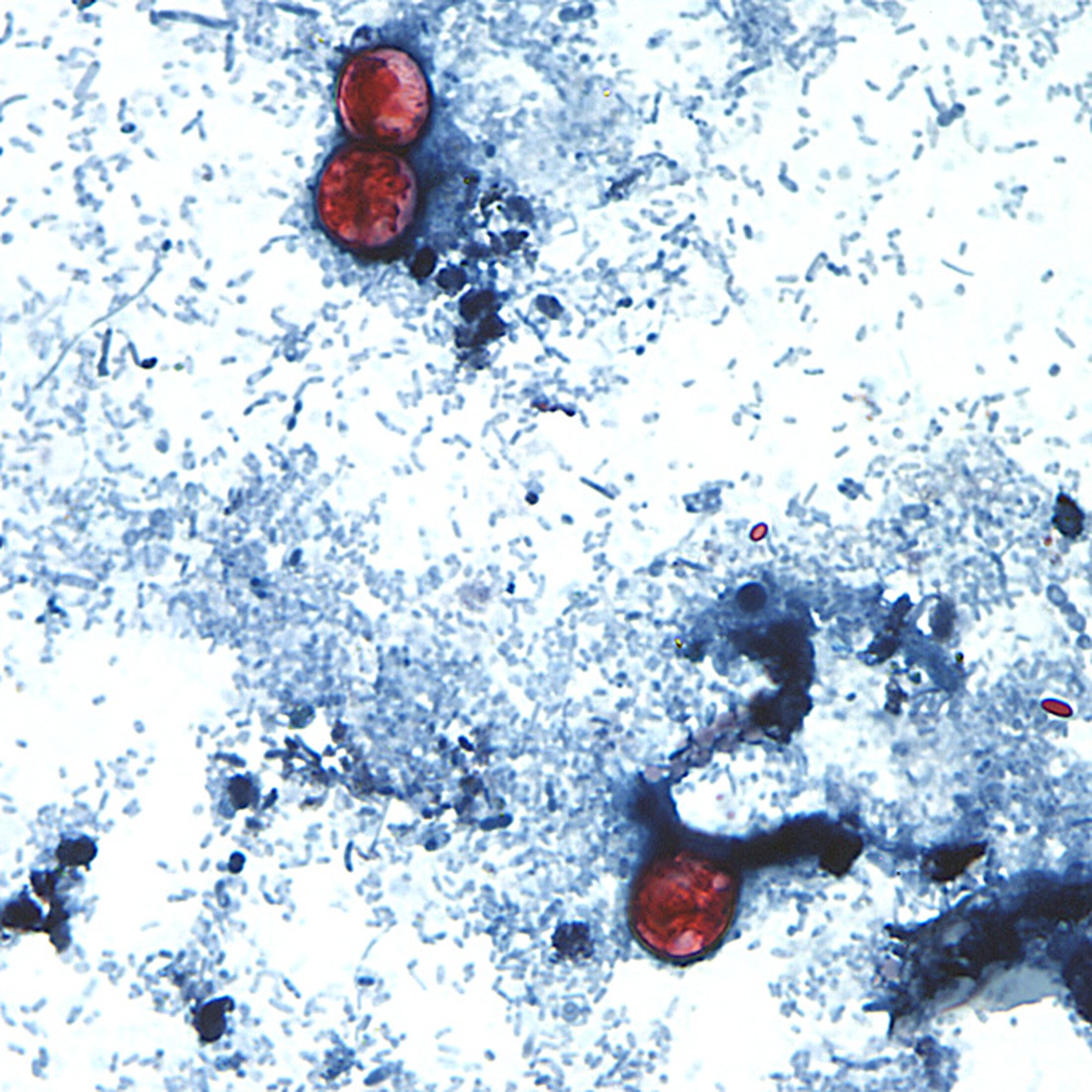
Second, getting infected with this parasite that can contaminate fresh produce or water can be really uncomfortable. “Just blow-out diarrhea that goes on and on. It does get better. You don’t have to treat it, but it’s miserable. People are used to norovirus, where you’re just violently ill for a day or two, and then it gets better spontaneously. This is a bit different because it just goes on and on, sometimes after initial improvement. For most people, it goes on for at least a week.”
Third, it may be worth seeing a doctor about. “It’s treatable. It’s a spectrum. For bad, symptomatic cases, we prescribe a sulfa drug. It’s the treatment of choice for cyclosporiasis.” That drug, trimethoprim-sulfamethoxazole, is sold under the brand names Bactrim, Septra and Cotrim. “It will kill the pathogen and make you better, quicker,” Curry said.
“Unfortunately, there are no evidence-based alternative treatments for patients with allergies to sulfa drugs. Patients who look like they are not recovering off antibiotics with a confirmed sulfa drug allergy need to consult an infectious diseases specialist,” he added.
That’s especially important for people with weakened immune systems. “They need to get treatment, or it can become this lingering illness for weeks to months.”
Fourth, the parasite doesn’t have an immediate effect. “It has a very long incubation period. It can be up to two weeks between what you eat and when you get sick,” Curry said.
That makes its source tough to track. “So imagine trying to remember what you ate two weeks ago that might have contained cilantro or lettuce or raspberries or any mixed berries in things like a smoothie – all those things that you ate two weeks ago. That’s why it takes so much gumshoe work and epidemiology work to track the sources of an outbreak like this.”
Fifth, you can try to protect yourself by washing produce. “The Centers for Disease Control and Prevention is kind of taking the attitude that it can't hurt to wash food. The honest answer is we don't know. Nobody has done human challenge experiments – eating raspberries that are washed versus unwashed – because that's not ethical.”
Sixth, doctors can test for cyclosporiasis. “If you had diarrhea for more than two days and it’s not getting better, that’s the time. And you don’t have to go to the ER. If you’re not ER-sick, your doctor can order one of these tests at MUSC Health. It’s called a GI PCR.”
Seventh, those tests can be expensive. Regular stool cultures, the normal way to test people with bad diarrhea, don’t catch cyclosporiasis.
“You need a GI PCR, which is an expensive, thousand-dollar test. You get the answer in about two to six hours. But some insurance doesn’t cover it. Diagnostic testing of outpatient diarrhea/gastroenteritis is discouraged in a lot of professional guidelines because most cases from most causes get better without treatment,” Curry said.
“Unfortunately, this is part of how we miss these outbreaks or how they become so large before being recognized, since you have to wait for enough vulnerable patients to get sick enough for hospitalization and testing.
“If your doctor strongly suspects that a case is related to the current national outbreak, there are several specific tests for cyclospora that are more affordable that your doctor could consider and discuss with MUSC Health microbiology lab experts.”
Eighth, nobody has died in the current outbreak. “In the lab-confirmed cases that the CDC has put out, only 9% of these people are hospitalized. Surprisingly, that means we’re picking this up in outpatient testing. Traditionally, there is no recommendation to do outpatient diarrheal testing. That’s something that a lot of doctors don’t do.”
Ninth, if you don’t get tested when you have symptoms such as watery diarrhea, loss of appetite, nausea and fatigue, don’t assume it’s cyclosporiasis. It could be norovirus and a host of other causes, most of which, unlike cyclospora, are easily passed from person to person. “And in those cases, it’s really important to wash your hands and take other measures to try to keep it from spreading," Curry said.
Tenth, if you’re in South Carolina, don’t panic. “So far for South Carolina and MUSC in particular, we’re right where we usually are for the summer,” Curry said, referring to cyclosporiasis cases.

Scott Curry, M.D.

Helen Adams
Recent MUSC News stories