
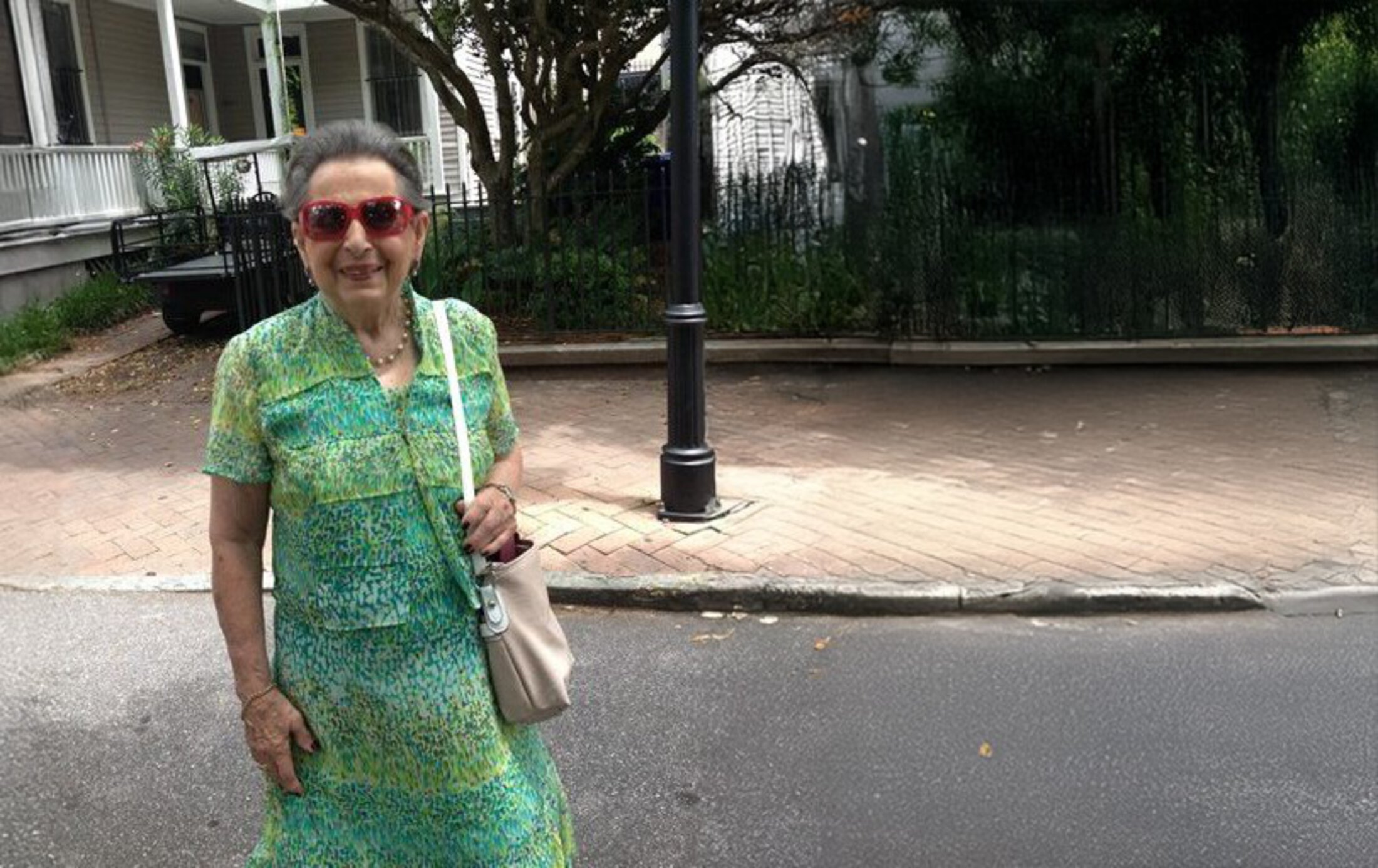
The discomfort that a Charleston woman felt during her final days inspired a study that is now making news across the country and beyond. Libby Soffar was in hospice at the age of 89, receiving standard medications for agitation that occurs frequently at the end of life. But as Soffar and her family learned, the side effects were significant.
“She got to the point where she said, ‘I can’t. I’m miserable.’ The distress the family experienced watching Libby suffer was very painful to watch,” said Olga Brawman-Mintzer, M.D., one of the researchers on the study at the Medical University of South Carolina.
She and her husband, fellow scientist Jacobo Mintzer, M.D., believed there had to be a better way to ease agitation in people’s final days. Their latest groundbreaking clinical research through the LiBBY Study, named after Soffar, suggests there is. LiBBY stands for LIfe’s end Benefits of cannaBidiol and tetrahydrocannabinol.
This multicenter, phase 2 controlled trial looked at whether people with agitation and dementia who were eligible for hospice care would benefit from an oral combination of tetrahydrocannabinol, also known as THC, and cannabidiol, or CBD, delivered in digestible oil. The compound’s formulation, T2:C100, was conceived by the study team specifically for this trial.
You don't normally see these things in clinical trials.
The results were remarkable, Mintzer said. “After two weeks, over 83% of the patients who received THC/CBD had responded compared with 30.5% of patients who received placebo. You don't normally see these things in clinical trials.”
Agitation
What they saw was a reduction in agitation, which can include symptoms such as restlessness, anxiety and emotional distress. “Around 50% of patients with Alzheimer's or other dementias will end up in hospice care, and approximately 45% of patients with dementia will experience agitation in the last stages of the disease,” Brawman-Mintzer said.
“These patients are very frail and at the end of life. Hospice usually treats patients with a combination of antipsychotics like Haldol, benzodiazepines, and opiates like morphine. And that often creates quite a few side effects. They get constipation from the opiates. They get itching from the antipsychotics, and they're very uncomfortable. So the last period of their life is very painful for the patient and for the family.”
She said hospice care providers may benefit from more tools at their disposal to help these patients. “They need more evidence-based information to adapt their practices.”
The potential new treatment
Finding that information requires clinical trials such as the LiBBY Study. It used THC and CBD, which are found in cannabis plants and can be purified in a lab, at a dose designed to minimize the risk of negative reactions.
“We came up with the exact combination and dosing that were based in part on some preliminary small trials that were done in agitated patients,” Brawman-Mintzer said.
It's really important to stress that we absolutely do not recommend using regular marijuana or medicinal marijuana because the marijuana plant is not pure.
THC “exerts a broad effect on the regulation of emotion” and “has well documented psychoactive activity,” according to the team’s presentation of its results at the Alzheimer’s Association International Conference in London in mid-July.
CBD, on the other hand, is non-psychoactive and has “positive therapeutic effects on anxiety, appetite, sleep and pain.”
“But it's really important to stress that we absolutely do not recommend using regular marijuana or medicinal marijuana because the marijuana plant is not pure. There are many cannabinoids in it. It wasn't studied rigorously. This was a very specific, rigorous trial, and more such research is needed,” Brawman-Mintzer said.
The study
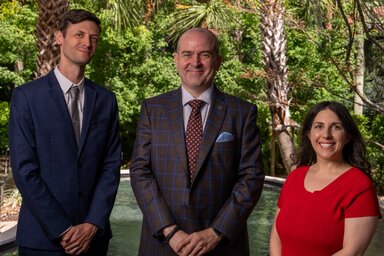
This research was designed and implemented by Mintzer, along with nurse practitioner Brigid Reynolds of Georgetown University and Paul Aisen, M.D., of the University of Southern California. The study had multiple research sites, including the Charleston Veterans Affairs Health Care System.
“They were treated for 12 weeks, with either this digestible oil with THC and CBD purified, or placebo - the same digestible oil, but without the active ingredient,” Brawman-Mintzer said.
By the end of those 12 weeks, 87.2 % people who received the active treatment improved compared with 23.6% of the placebo group.
After that, everyone, including the former placebo group, got the real treatment for 12 more weeks. “And the phenomenal thing in that part was that patients who were on placebo and were switched into active medication started improving quite quickly. But the patients who were on the medication and continued on the medication continued further improving,” Mintzer said.
Unusual condition
The results weren’t the only standout feature of the study. So was the fact that nobody had to stop taking their existing medications to participate.
“We made a decision that we were not going to deprive these patients of any treatment they are on,” Brawman-Mintzer said.
We broke a very important myth in clinical research.
Mintzer said that went against conventional wisdom. “We broke a very important myth in clinical research. The belief has been that to get a successful study, you have to eliminate any other medication or treatment that targets the symptoms you’re targeting. And these patients were allowed to get anything they wanted even throughout the study.”
That allowed the researchers to study people who might have not participated in the trial if they had to give up their medications.
Going forward
MUSC is still analyzing urine samples from participants in the LiBBY Study to measure levels of THC and CBD. But Mintzer said the study has already established that it’s possible to do this kind of research, an important conclusion. The team plans to do a larger study on the THC/CBD treatment in what it called a broader population.
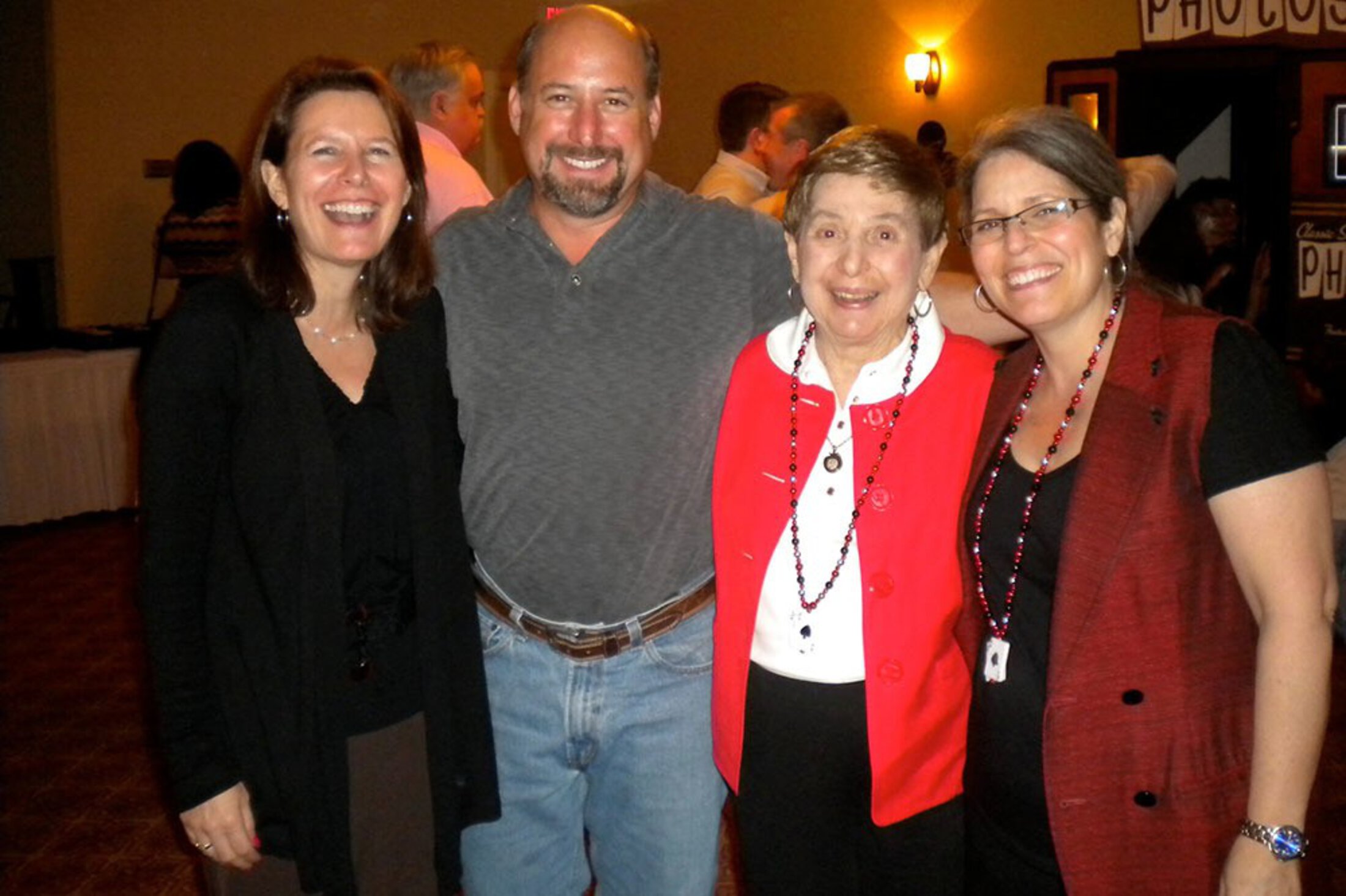
Meanwhile, the response to the LiBBY study, which has been widely featured in publications including The New York Times, has been strong, Mintzer said. “I receive emails and comments online in which they basically said, ‘Finally, somebody cares.’”
Helen Adams
Recent MUSC News stories