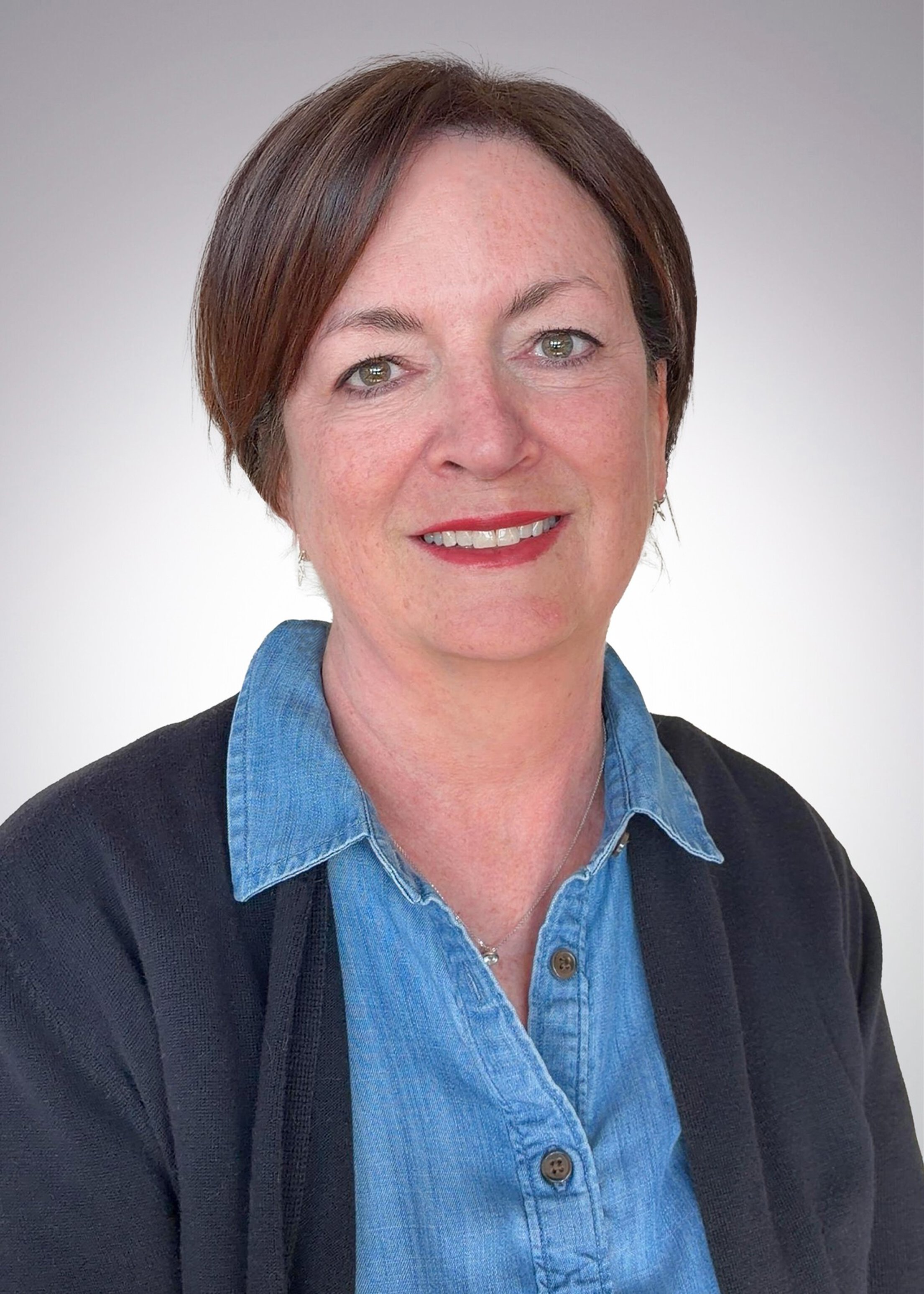

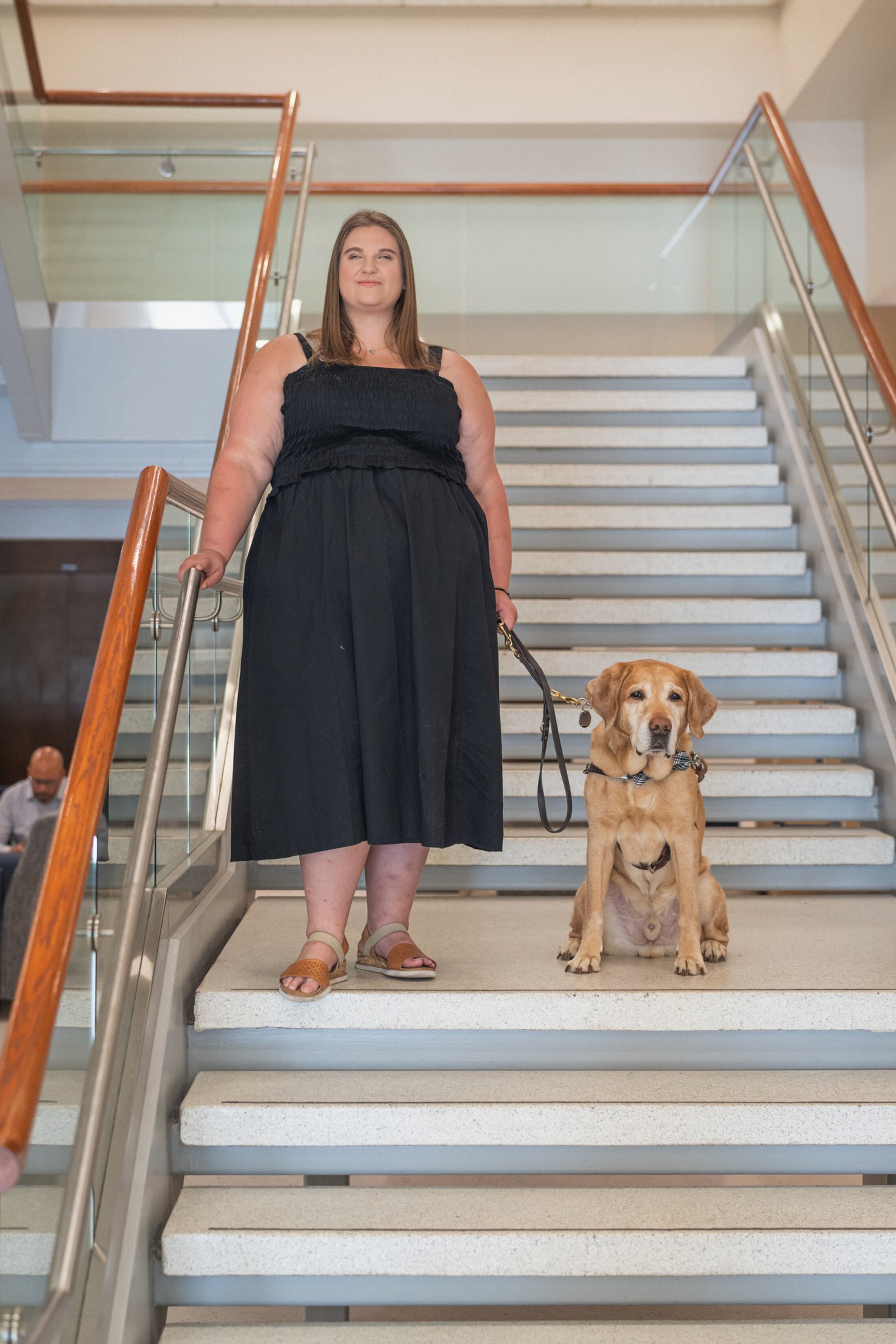
The first blind occupational therapy student at the Medical University of South Carolina is finding her way in the program with the help of her guide dog, Fritz, and the support of faculty who call Maddie Nardone amazing.
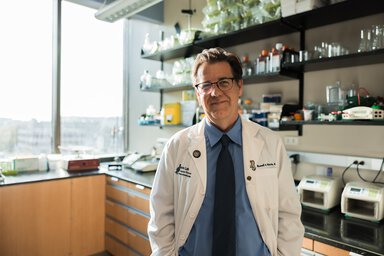
“Maddie is very smart, very, very flexible and fun to be around,” said Michelle Woodbury, Ph.D., a professor at MUSC and an occupational therapist herself. Woodbury, a volunteer puppy raiser with a service organization, has become an unofficial part of Nardone’s support system.
Nardone’s intelligence and flexibility have come in handy during her first year in the doctoral program, a time of figuring out what works best for her academically. Her field, occupational therapy, seeks to “empower independence by shaping how people engage in everyday life through innovative occupational therapy education, practice and research,” according to the MUSC College of Health Professions.
So while the OT faculty members had never had a blind student before, they did have plenty of experience helping people with disabilities, illnesses, injuries and age-related changes go about their lives. Accessibility has always been an important part of the program.
They talked with Nardone before she started, asking what she might need, and kept the conversation going once she was in school. She’s grateful for the collaboration. “Thankfully, the OT program faculty here have worked with me so, so much. Just love all of them. They’re great,” Nardone said.
One of those faculty members, assistant professor and occupational therapist Grace Turner, said they looked for examples to follow. “The idea of an essentially completely blind OT student was very new. We've done research looking for an accredited program in the U.S. that has had a student who is fully blind go through their program. We haven’t found one yet.”
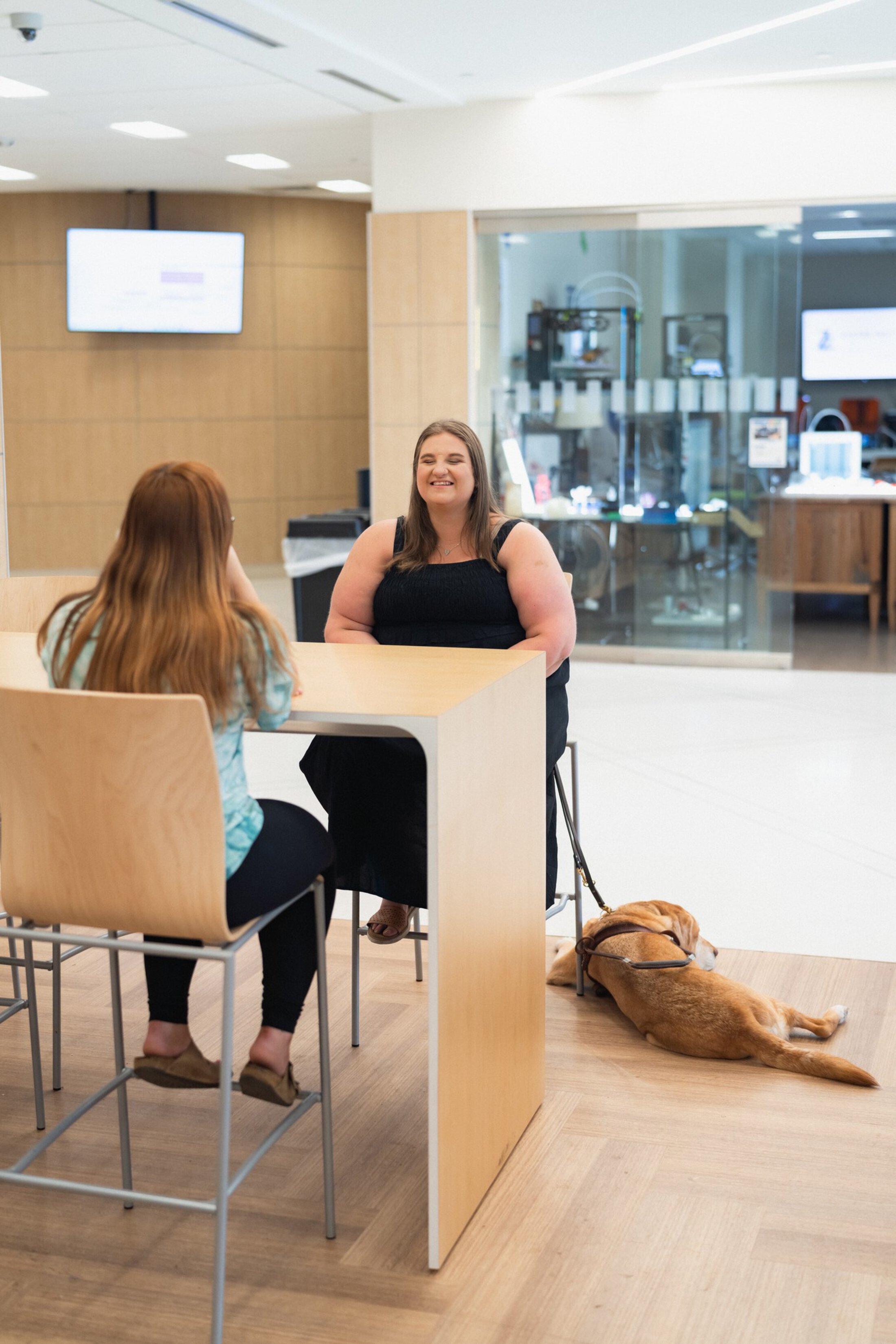
So this one could stand as an example for others in the future. Nardone wasn’t afraid to be the first. She’s met challenges head-on before.
“I lost my vision when I was 14. So I grew up sighted, relatively speaking. I've been blind in my left eye since I was three. But growing up, I was a pretty normal kid. I did sports and dance. But when I was 14, that vision decreased really rapidly.”
A condition called familial exudative vitreoretinopathy, or FEVR for short, took a toll sooner than expected. It left the teenager blind in both eyes. Nardone had to learn how to walk with a cane and read Braille the summer before she started high school. “I went straight into mainstream high school. I did not take a break. It was a lot.”
Getting Fritz helped. He went with her to Appalachian State University, where she earned her bachelor’s degree and decided she wanted to become an occupational therapist.
“I feel like it merges a lot of my passions. I like learning about the healthcare, medical side of things and using the creative part of myself. And then like the whole helping people and advocacy - it just all meshes together.”
Nardone and Fritz came to MUSC last year so she could study in an occupational therapy program ranked among the top 3% in the country by U.S. News & World Report. Nardone said she found faculty members and classmates ready to help her succeed.
“We had a lot of conversations, and the professors went through and edited their PowerPoints to add alt text to the pictures on the slides.” Alt text, or alternative text, is a description of digital images for people who can’t see the images.
“But for real-life things, like in the cadaver lab, we had to get a visual assistant as a part of my accommodations. And so that person would attend lab with me and just kind of help me, because I had to learn everything by feel.”
When it comes to learning about musculoskeletal conditions like carpal tunnel syndrome and shoulder replacements, classmates have helped. “I have great friends in the program there. So if there’s a picture on the board in class and I'm like, ‘What?’ My friend will grab my arm and act it out on me. So we made it work."
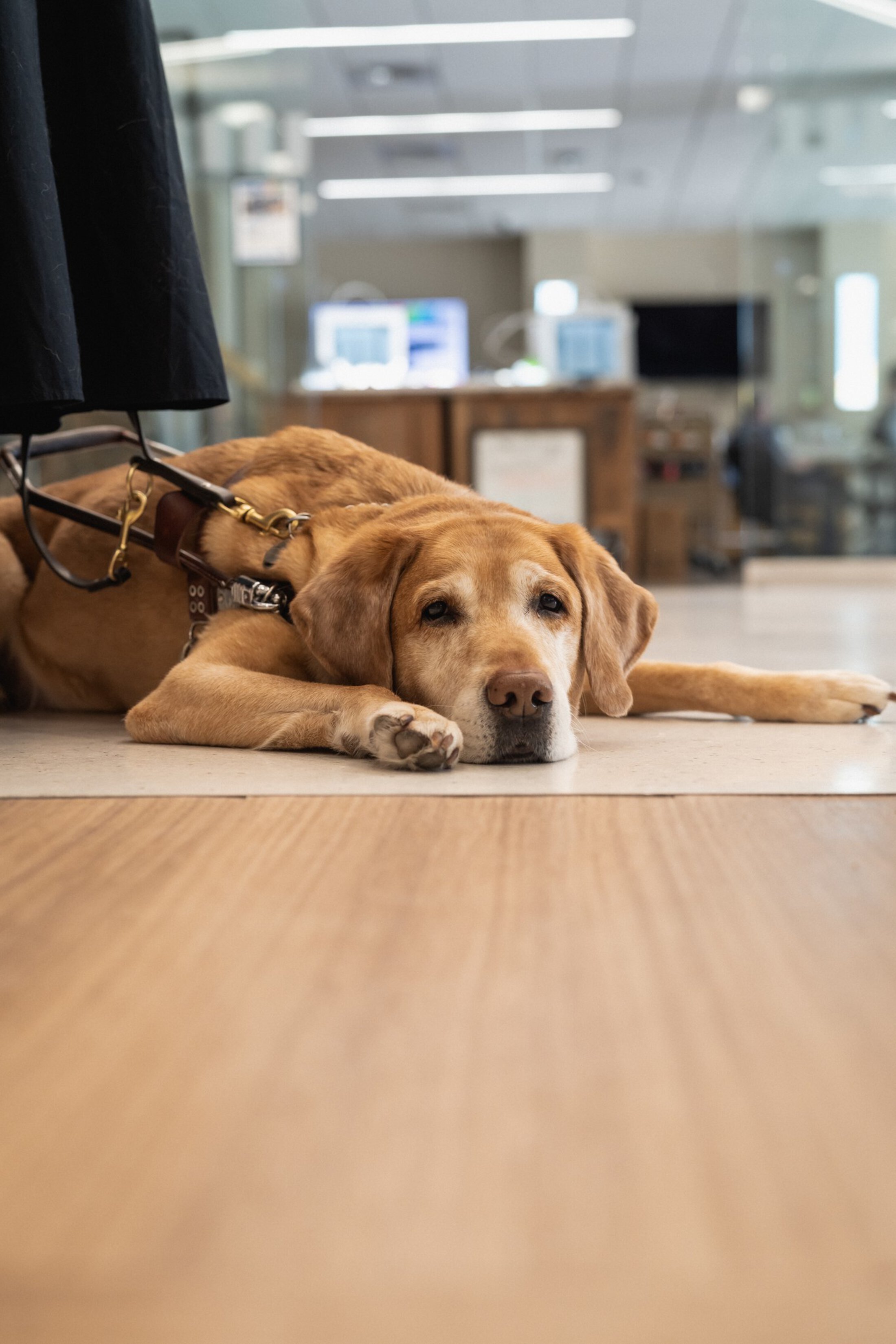
Turner said that’s just what their profession is all about – making things work. “We are OTs. We figure things out. Adaptation, accommodation, modification.”
Since Nardone’s arrival, OT students and faculty have been applying those skills to devices that are hard for a blind person to use. For example, Nardone has been working with Turner and a classmate, Caitlin Busari, to create an accessible version of a goniometer, an OT device that measures range of motion.
“We're working with the Zucker Institute for Innovation Commercialization at MUSC. We had a really cool prototype made. So fingers crossed it actually goes on the market,” Nardone said.
While she waits to find out, she’ll keep helping classmates and faculty see other things in new ways as well. “We're awed all the time by how resilient she is,” Turner said.
“I think a lot of students and a lot of people don’t like not doing well at something the first time. It's hard for me to overcome. I want to do everything right the first time. So her willingness to kind of workshop through things with us and be resilient is impressive.”
That resilience will come into play again as Nardone gets ready for Fritz to retire. They’ve been together almost constantly for years. Fritz came from Guiding Eyes for the Blind in New York. Nardone is waiting for word on her next guide dog from either that organization or another called The Seeing Eye.
For now, Nardone said she’s just trying to do her best, showing what’s possible along the way. “People with disabilities are people, too. We live very fulfilling lives. And you can go into almost any career that you want. There's new technology coming out every day that helps us get more and more back to a level playing field.”
Woodbury has no doubt Nardone will be a success. “I think just like the rest of our smart, flexible, wonderful students, I think they're going to be great. There are a lot of mountains to climb between here and there for her, but I think that she has the DNA to become an OT. She gets it. She values the right things. She's got grit, she's got resilience. I think she's going to be very, very good.”