

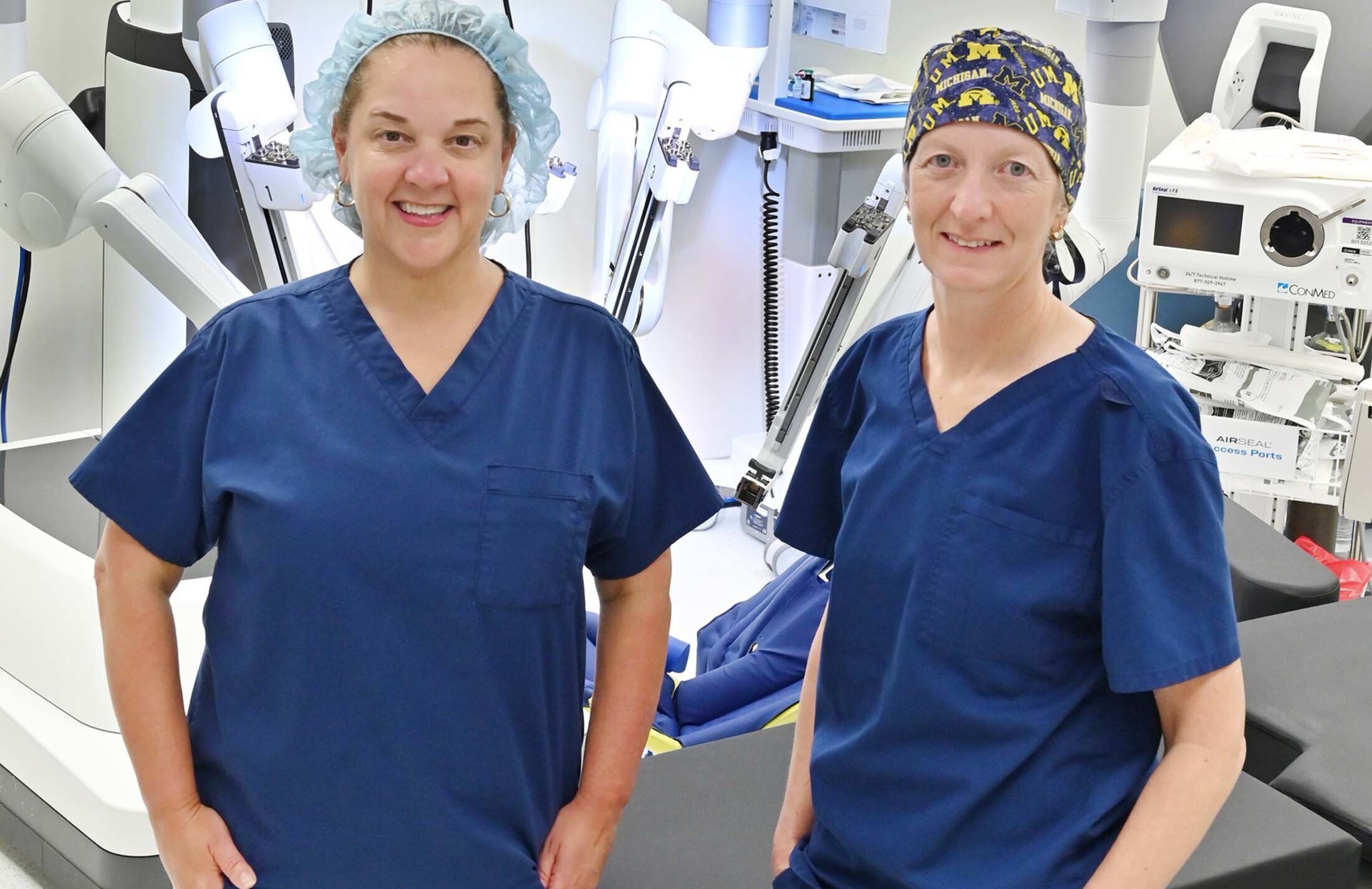
Undergoing a hysterectomy, a procedure that half a million women in the U.S. have each year, has become simpler for some patients at MUSC Health in Florence. They don’t have to go into a hospital.
That’s because a freestanding outpatient surgery center now offers robotic-assisted uterine removal, along with two other gynecological procedures also aided by robotics:
-Surgery to remove one or both ovaries. It’s part of about half of all hysterectomies.
-Fallopian tube removal, which may be done to prevent pregnancy or ovarian cancer or because of ectopic pregnancy, infection or blockage in a tube.
But doctors say robotic-assisted hysterectomies, the second most common type of surgery for women – C-sections are No. 1 – really stand out. “It's a game-changer in terms of what we're able to do outpatient as opposed to what happened before,” said Jennifer Patchett, M.D., an OB-GYN.
“Before, with a hysterectomy, there was a big incision, with a six-week recovery time. There was a two-night stay in the hospital and six weeks out of work for everybody. Now, women go home the same day they have surgery and have really great outcomes, a great return to normal function.”
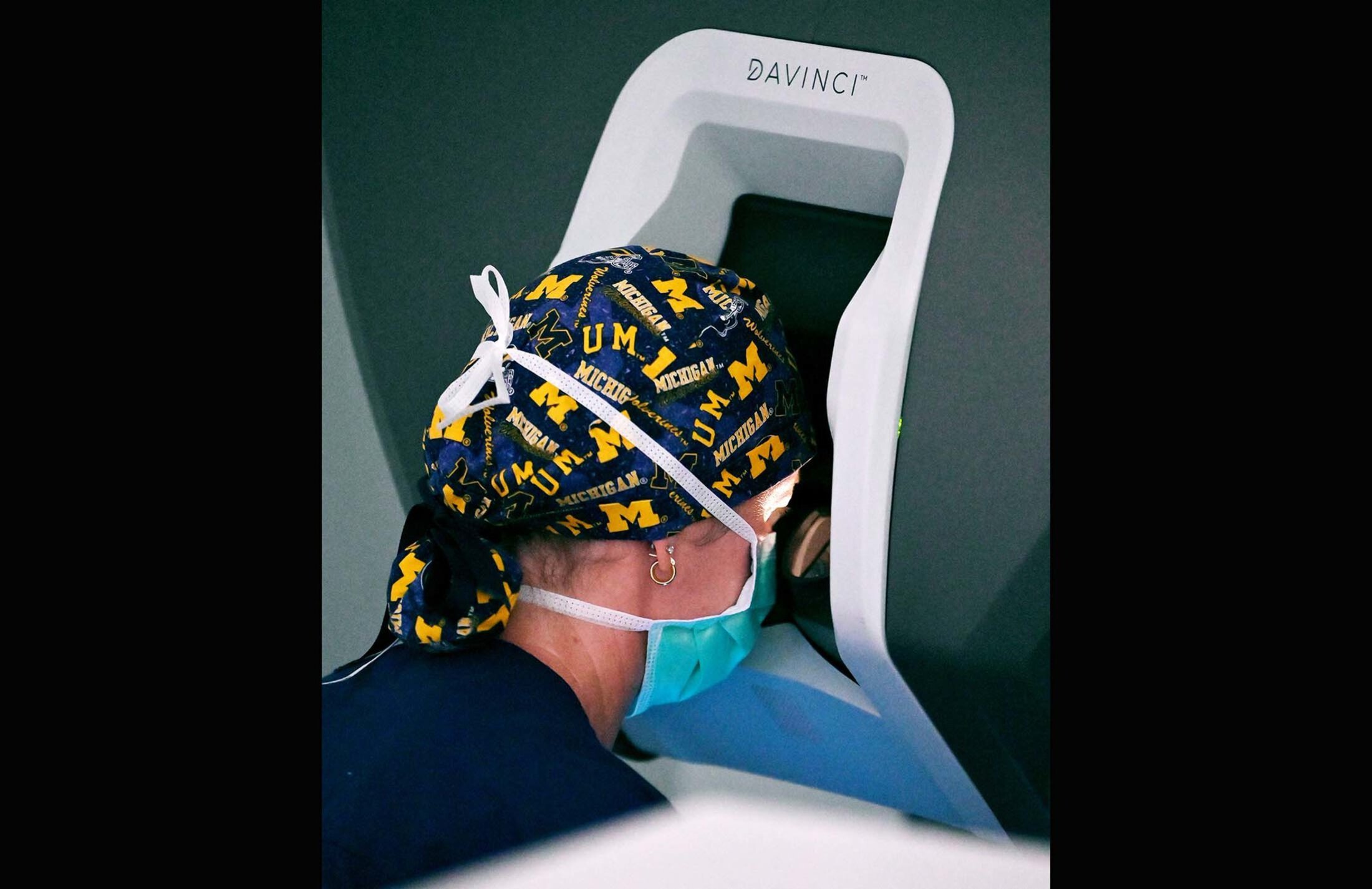
If you haven’t seen robotic surgery, it may seem hard to imagine. But here’s how it works in the case of a hysterectomy, according to the maker of the Da Vinci system in use at MUSC Health in Florence.
-The surgeon sits at a console in the operating room near the patient.
-There’s a surgical “cart” by the patient’s bed that contains the surgical instruments.
-The doctor remotely controls those instruments along with a tiny camera that gives a magnified 3D look at the surgical area.
-The surgeon makes a few small incisions instead of one large one, which can mean shorter recovery time with less pain.
“I think the robot is just so important,” said Emily Stonerock, M.D., another OB-GYN surgeon at the Florence outpatient center. “It's performing an invasive surgery in a very noninvasive way. I mean, a hysterectomy is about as big a surgery as we do. We can just do it through small incisions, and they're back to normal life.”
Patchett said the robotic system allows them to do minimally invasive surgery even on larger uteruses. The uterus, sometimes called the womb, can become enlarged because of:
-Hormonal changes.
-Fibroids.
-Adenomyosis, where the uterus lining grows into the organ’s muscle layer.
-Uterine cancer.
-Pregnancy.
-Perimenopause, the time before menopause.
Those hysterectomies can be more complex. But Patchett said the robotic system helps address that complexity by giving surgeons flexible instruments to see and operate with. “I can move around corners and get into places that I couldn't before.”
That ability to take on complex cases has strengthened ties with other OB-GYN clinics. “I get lots and lots of referrals now, specifically for this. It's not an option somewhere else. And so they come here because this is what we'll do,” Patchett said.
Some patients also like the fact that they can have surgery without going into a hospital, Stonerock said. “We have so many women who have physical challenges, physical disabilities, emotional disabilities, concerns where going into a large hospital may be overwhelming. We can now take them to a very small setting with minimal steps along the way and get these very complex surgeries done.”
Patchett said the outpatient robotic-assisted option may also help ease worries about the surgery itself. “I think it’s kind of changed how women feel about hysterectomies a little bit. It's a much safer option now than it used to be.”

Helen Adams
Recent MUSC News stories