
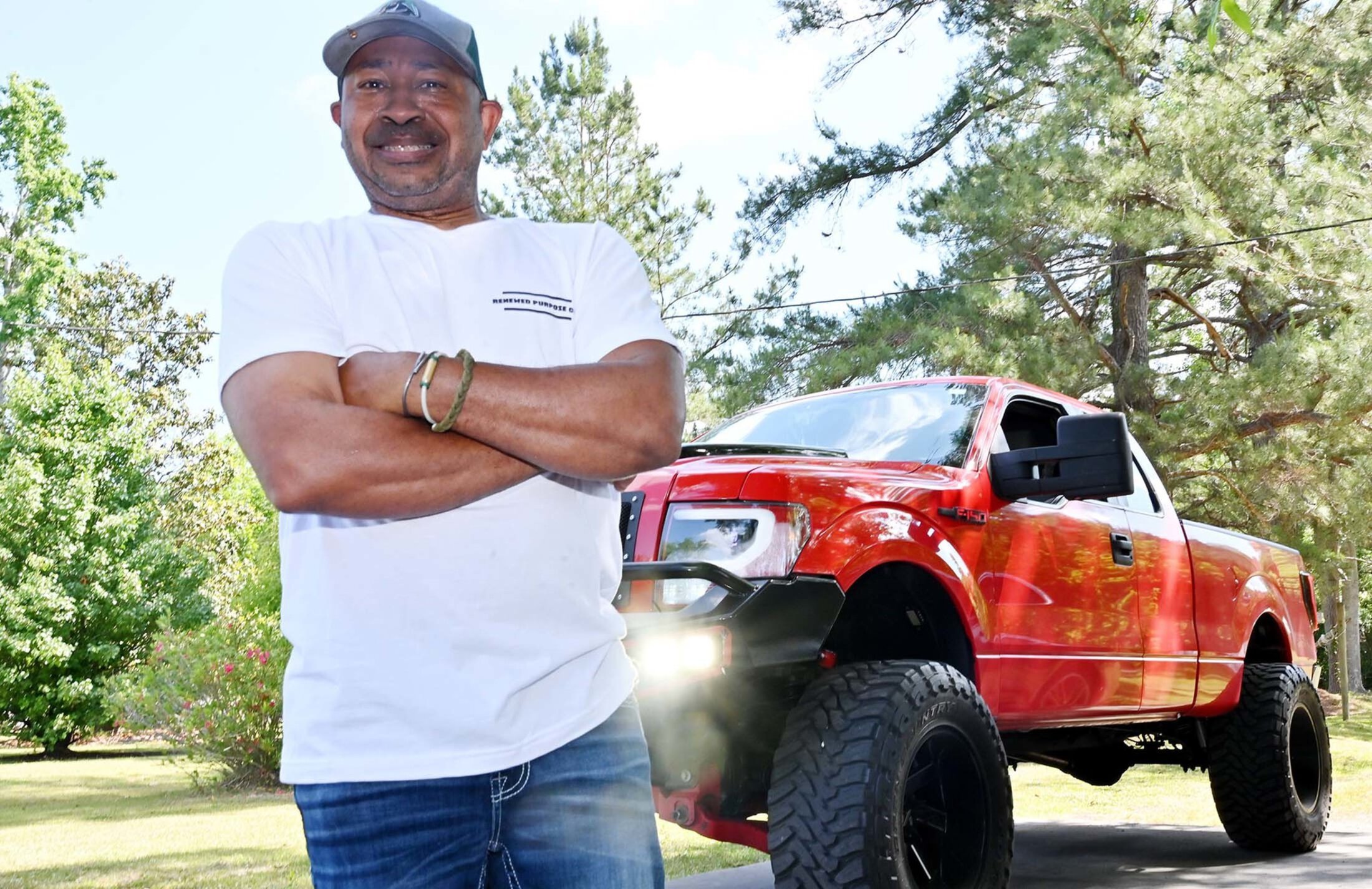
A man who jokingly calls himself “Hillbilly Willy” and loves his lifted truck has found another passion that he hopes will save lives: encouraging people to get screened for colorectal cancer. Colorectal refers to both colon and rectal cancers.
“I guess you could say that after I dealt with it myself, I realized the importance of getting it done. If I can help somebody else and save them from what I went through, then it's worth it,” said Willy Davis of Florence County, South Carolina.
Davis, who works at the Dixie tableware facility in Darlington, was diagnosed with colon cancer in 2023 after finally getting the colonoscopy he’d been meaning to have since the early days of the pandemic.
“I didn't even have any symptoms, but my doctor wanted me to get screened, and I was going to do that. But then COVID came out, and they weren't doing anything but life-and- death procedures then,” he said.
“And then, when I finally got it done, they found something. It was actual colorectal cancer.”
He kept the news quiet for a while. “I told only a few people at home. I told my church. The day that I actually found out, I called my pastor. My pastor prayed with me.”
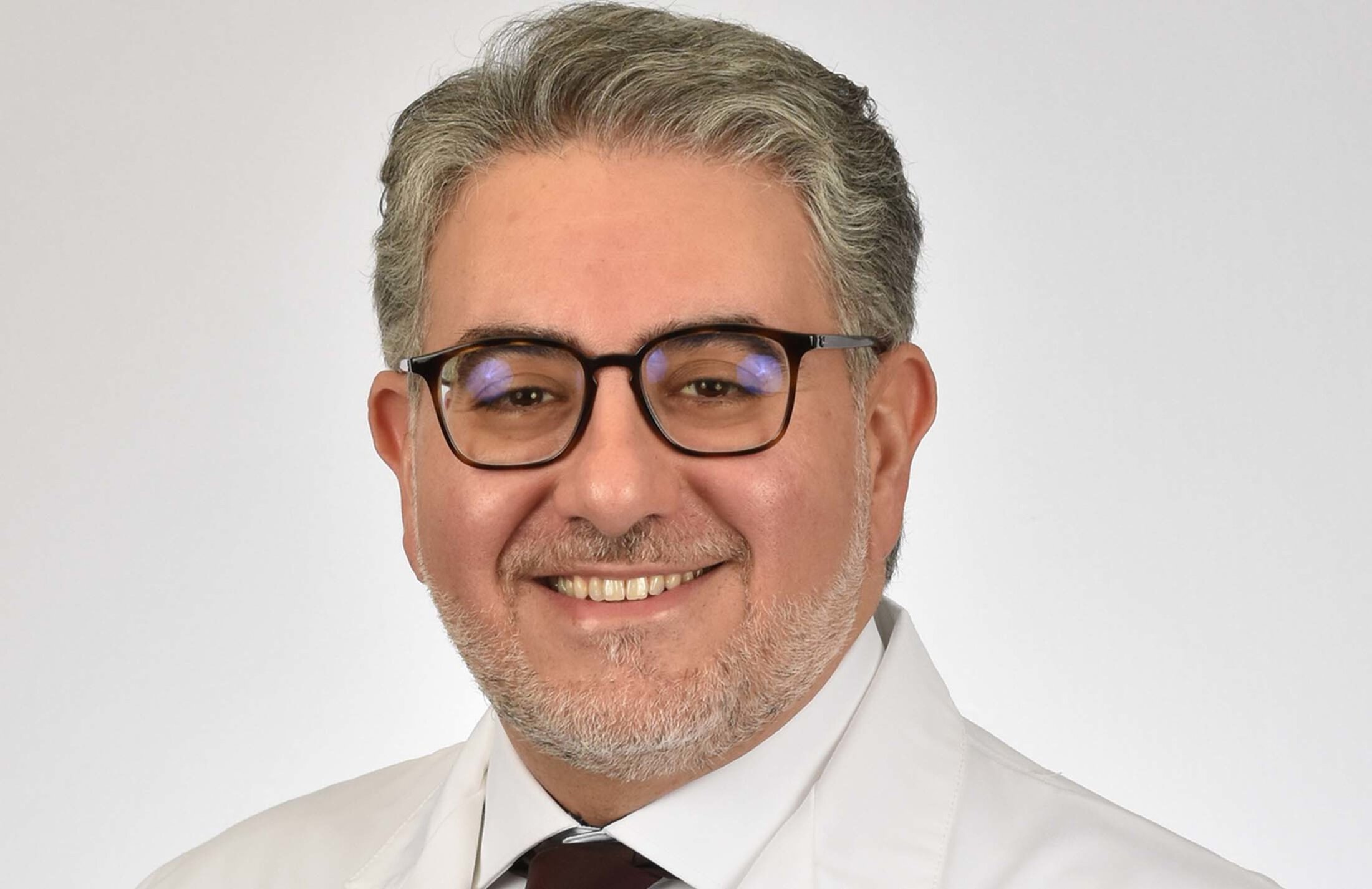
Davis also spoke with cancer specialist Wael Ghalayini, M.D., at MUSC Health Hematology and Oncology – Florence Medical Center for further care. He helped Davis get about seven months of chemotherapy to shrink the cancer. Then Davis had surgery in Charleston and a few more months of chemo afterward in Florence.
He also came to the realization that the pandemic wasn’t the only reason he delayed getting screened. “My biggest thing was watching my mom go in and out of the hospital because she had heart problems. A little bit of fear set in with me. And that's why I was like, ‘Lord, I really don't want to do this.’ I let that fear take over when I should have had my faith a little bit stronger, like I usually do. And that's where I paid the price for that.”
Fortunately, the price was not his life. Colorectal cancer is the third-leading cause of cancer deaths among men and the fourth-leading cause among women in the United States, Ghalayini said. People can lower their risk by getting screened. That way, doctors can find polyps, or abnormal growths, and remove them. That’s important, because some polyps can lead to cancer.
“Colonoscopy is a kind of maintenance for our body. Just like we maintain our homes and vehicles, maintaining our bodies is really more important than anything else that we take care of. Take care of yourself so you can think of others,” he advised.
“This is a straightforward procedure. It is not painful. It is done under sedation. And it doesn't take long. And if the colonoscopy doesn’t detect anything worrying, you don't have to do it for another 10 years.”
The American Cancer Society recommends that people at average risk of colorectal cancer start getting screened at age 45. People at higher risk, whether from a family history of certain conditions or a personal history of radiation to treat an earlier cancer, might need to be screened before 45.
Symptoms of colorectal cancer include:
-Changes in bowel habits that last more than a few days.
-Rectal bleeding.
-Blood in the stool.
-Cramping or belly pain.
-Weakness and/or fatigue.
-Unintended weight loss.
While a colonoscopy is the gold standard for detecting colorectal cancer, Ghalayini said newer options are welcome additions.
“A blood test, which checks for colon cancer-specific DNA features, is an exciting tool. It is more convenient for some individuals. But it does not pick up on precancer conditions, or aggressive polyps. So keep that in mind. Colon cancer develops over time, and you want to catch it when it is still early, precancerous, because you can treat it at that point and get good results.”
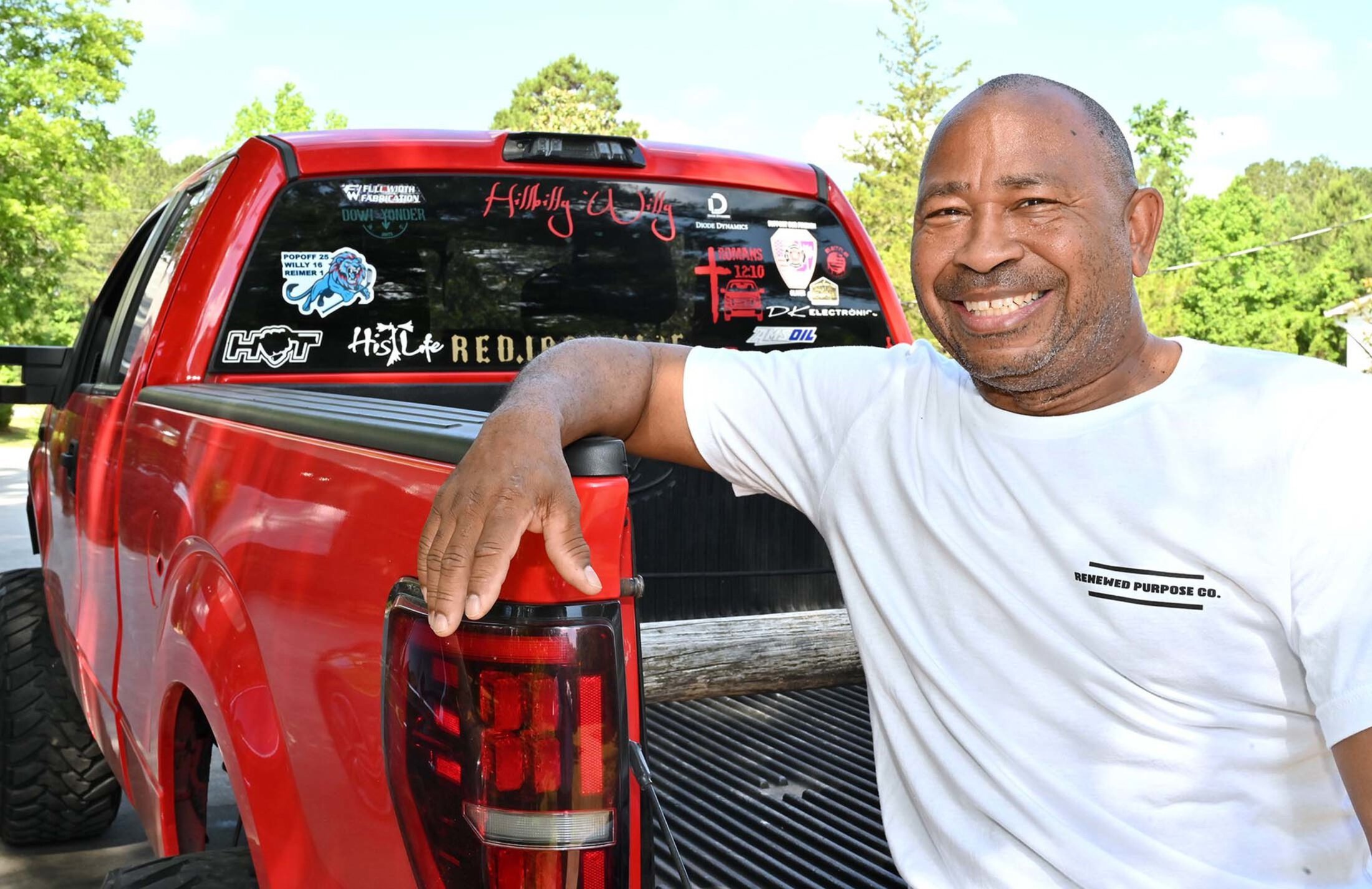
Davis shares his own message about the importance of colorectal cancer screening on social media and at gatherings such as church services. “Some people have actually gotten colonoscopies because of that. One lady came up to me after a church service last year. She said, ‘If you hadn’t said that, I wouldn't have gotten it done.’”
He’s happy she did – and glad that he finally got screened when he did. Two years after his surgery, he’s feeling much better. “Thank the Lord, I'm good. Restroom trips are a little bit different now, especially with a shorter colon. It takes some time getting used to it. I also get colder quicker. Other than that, I’m doing pretty good.”
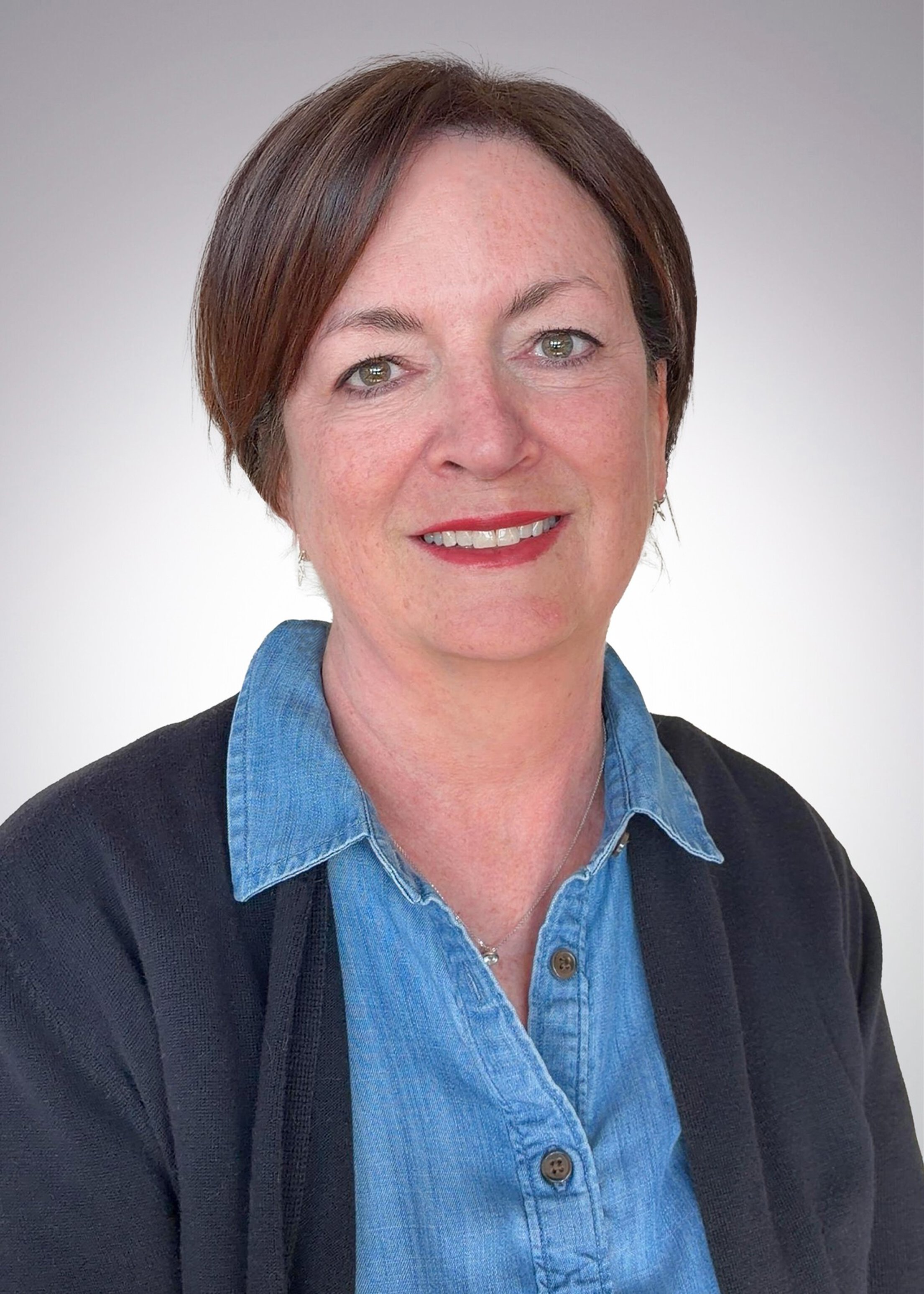
Helen Adams
Recent MUSC News stories