
It’s one of society’s most underreported crimes, according to statistics. Discussed in whispers, if discussed at all, sexual assault leaves its survivors ashamed, plagued by guilt and fearful of retribution.
April was national Sexual Assault Awareness Month, an annual campaign during which MUSC and community partners hold events to support survivors and raise awareness of sexual assault and its prevention. This year's theme, “25 Years Stronger: Looking Back, Moving Forward,” celebrated the resilience of survivors and the communities that have worked for change.
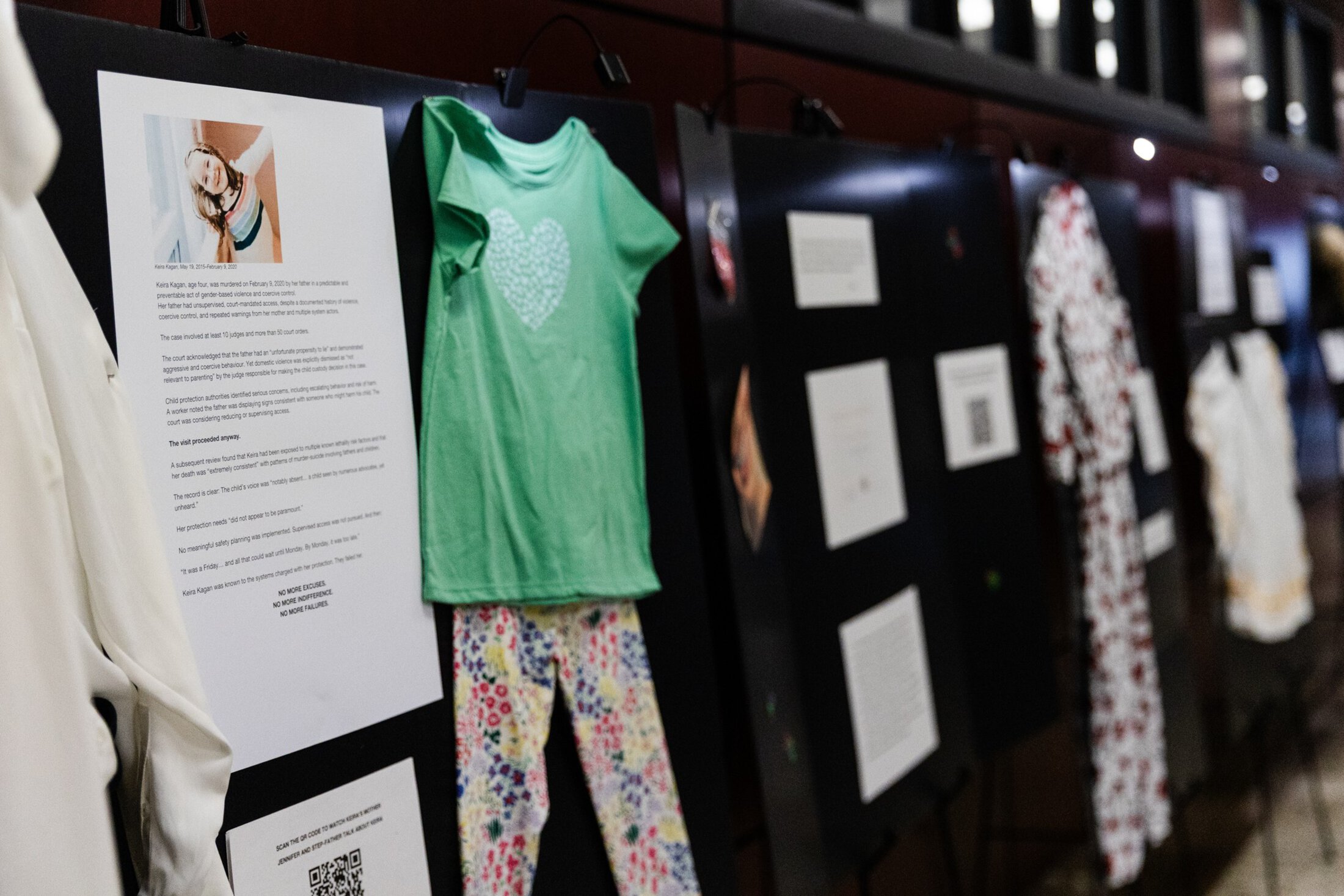
Events included a vigil for survivors at Hampton Park, “What Were You Wearing,” an exhibit of clothing worn by survivors before they were assaulted, and “Denim Day” on MUSC’s Greenway, an exhibit of jeans, accompanied by empowering messages, donated by survivors from the Charleston area.
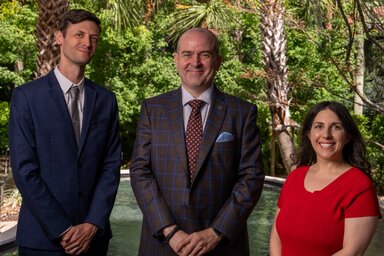
“All were well-received and drew survivors, community members and partners from law enforcement, prosecutors, forensic nursing and victim advocacy,” said Christine Hahn, Ph.D., director of MUSC’s Sexual Assault Services in the National Crime Victims Research and Treatment Center (NCVC). “It’s wonderful to see partners coming together to support survivors. Although sexual assault can be deeply traumatic, survivors are also incredibly resilient. Too often, additional harm comes from responses, attitudes and systems that minimize or condone sexual violence.”
It’s wonderful to see partners coming together to support survivors...too often, additional harm comes from responses, attitudes and systems that minimize or condone sexual violence.
Emily Tilstra-Ferrell, Ph.D., a licensed clinical psychologist and research assistant professor in the NCVC, said the events, particularly Denim Day and “What Were You Wearing,” were empowering.
“They highlighted MUSC’s collaboration with our community, which has grown each year since we held the first annual Denim Day in 2021. To see the growth in these wrap-around services is particularly gratifying and sends a meaningful message to survivors and family members and everyone committed to supporting sexual assault survivors,” Tilstra-Ferrell said.
We spoke with Hahn, who is also an associate professor in MUSC’s Department of Psychiatry and Behavioral Sciences, and Tilstra-Ferrell about sexual assault – the numbers, how it is defined and how MUSC supports survivors.
What is Sexual Assault Services, and what does it do?
Sexual Assault Services is a program within the National Crime Victims Research and Treatment Center in MUSC’s Department of Psychiatry and Behavioral Health. We partner with MUSC’s forensic nursing program and Tri-County S.P.E.A.K.S. (TCS) Sexual Assault Center at 198 Rutledge Avenue in downtown Charleston, to provide comprehensive early intervention and behavioral health services for survivors.
What type of services do you provide?
Our outreach model is what makes our program unique. We partner with TCS to meet survivors where they feel most comfortable accessing care and to provide advocacy and therapy hand in hand. TCS also operates a 24-hour confidential hotline, and callers can be connected with advocacy and support services at 843-745-0144. This past year, clinicians in our program provided early intervention to more than 125 individuals who had been assaulted in the past year.
Our early intervention services are free and include screening and brief intervention for common concerns after sexual assault as well as up to five sessions focused on coping skills and recovery. Survivors who would benefit from ongoing care can also be connected with evidence-based, trauma-focused therapies that effectively treat post-traumatic stress disorder (PTSD). We provide services to survivors of all ages, whether the assault occurred last month or many years ago.
We can offer services on the phone, via video conferencing or even meet people out in the community. We want survivors to have choices in how they access care.
What are other ways that MUSC supports survivors?
A. MUSC provides sexual assault medical forensic exams free of charge for individuals who have experienced sexual assault within the past five days. MUSC is the only hospital in the Tri-county area that provides these exams and typically conducts more than 200 a year.
MUSC also has a steering committee for intimate partner violence and sexual assault, which meets monthly to plan how we at MUSC can support survivors and be at the forefront of prevention.
What are some statistics surrounding sexual assault?
Nationally, almost half of women and one in four men will experience unwanted sexual contact in their lifetimes. About 92% of individuals who are sexually assaulted in South Carolina are assaulted by someone they know, such as a friend, partner or family member.
How many survivors choose to go forward in the criminal justice system?
Nationally, for every 1,000 sexual assaults, about 310 are reported to law enforcement. Fifty lead to arrest, and 28 result in felony conviction. The conviction rate reflects barriers in the criminal justice system and not the credibility of survivors. We know there are a lot of challenges to reporting sexual assault to law enforcement, and we support survivors regardless of whether they choose to report. People can also receive a sexual assault medical forensic exam if they choose not to report to law enforcement.
Do you include safety and prevention in your messaging?
Yes, absolutely. We encourage everyone to “Start by Believing,” which is a public awareness campaign that promotes responding with support and compassion when someone discloses that they have been sexually assaulted. People are more likely to tell friends and family that they were assaulted than report to law enforcement. When people are not believed by their support system, they are less likely to seek medical services or report to law enforcement, and they may remain at risk for future victimization. People who commit sexual assault often do it more than once, and if survivors are not believed and supported, perpetrators are not held accountable, and, ultimately, our community is less safe. Awareness, supportive responses and reducing stigma are powerful forms of prevention.
What defines sexual assault?
Sexual assault is defined as a range of unwanted sexual experiences, including unwanted sexual touching to penetration of a person’s mouth, vagina or anus. Sexual assault can occur through verbal pressure, threats, physical force or alcohol and drugs that can render a person unable to consent. Sexual violence is also happening in new ways through technology, including online harassment and the nonconsensual sharing or distributing of sexual images. It’s important to remember that consent must be given freely, can be withdrawn at any time and cannot be given when someone is incapacitated by drugs or alcohol. People do not always recognize that what happened to them qualifies as sexual assault, so bringing awareness to sexual assault can help survivors recognize and label their past experiences of violence, which can ultimately help them access care.
What is your message to survivors?
We believe you. We are here if and when you want services. Support is available, and we respect every survivor’s choice of what support looks like and how they want to receive it. Our message to the community is that preventing sexual violence starts with how we respond to survivors. In Charleston, we encourage everyone to start by believing when someone discloses that they have been sexually assaulted.
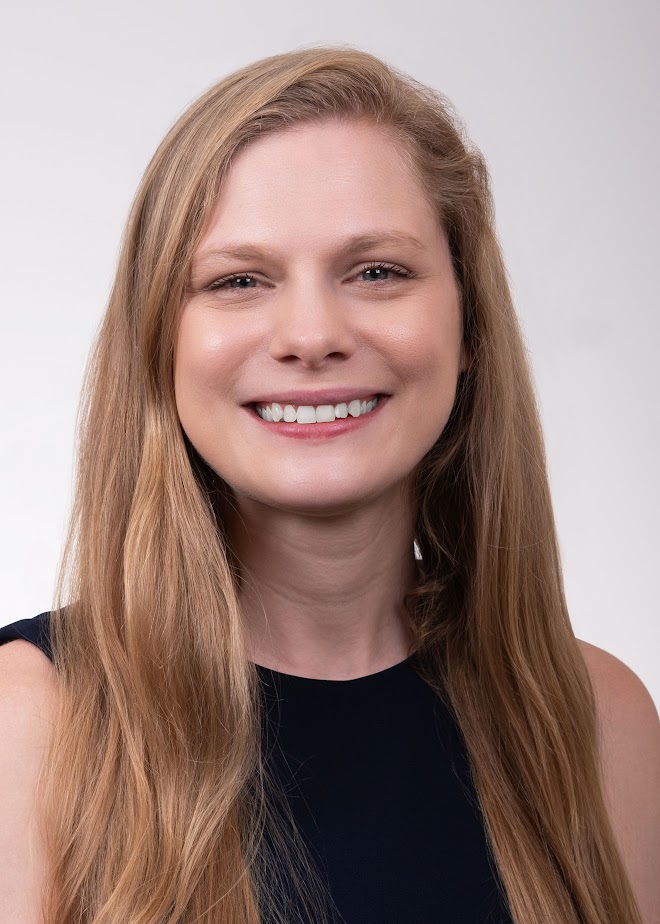

Margaret Lamb
Margaret Lamb has extensive experience in higher education, health, medical and wellness communications as a writer, editor, spokesperson and manager. A graduate of the University of South Carolina (USC) with a degree in political science, she has worked for USC and Clemson University as well as Hill & Knowlton Public Relations and The Atlanta Constitution.
Recent MUSC News stories