
Beginning July 1, 2026, SCTR welcomes the sixth cohort of Clinical Trialist Training Program awardees: Rhea Hans, M.D., Jason Lake, M.D., MPH, DeWitt Rogers, M.D., and Jamie Wilson, M.D., FRCS, MSc.
The CTTP program is led by Program Director Andrew Goodwin, M.D., MSCR, and Program Administrator Diana Lee-Chavarria. Designed to expand the number and variety of impactful clinical trials at MUSC, the program provides clinicians with a year of intensive training, mentorship, 10% salary support, and hands-on experience in clinical trial development and management.
Throughout the year, CTTP trainees will focus on the selection, start-up, and implementation of at least one clinical trial protocol. They will receive structured guidance from program leadership, along with support from SCTR staff and the Office of Clinical Research’s Research Opportunities & Collaborations (ROC) team, to complete study activities and build a sustainable clinical trial portfolio.
2026 – 2027 Awardees
We asked a few questions to get to know the new trainees a little better. We hope you enjoy getting to know them and join us in welcoming them to the program.
College of Medicine
Jason Lake, M.D., MPH
Pediatric Infectious Diseases
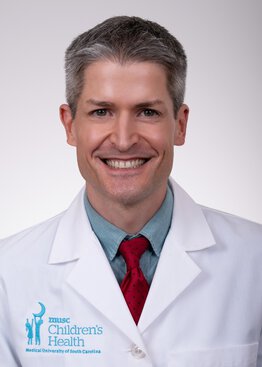
Jason Lake, M.D., MPH
Medical School: Emory University
Residency: Internal Medicine - Beth Israel Deaconess Medical Center, Harvard Medical School
Residency: Pediatrics - St. Louis Children's Hospital, Washington University
Fellowship: Washington University
Additional Training: Epidemic Intelligence Service Fellowship - Centers for Disease Control and Prevention; Master of Public Health in Epidemiology - Emory University
What is something that your mentor or other CTTP scholars would be surprised to know about you?
My brother, dad, and I are all physicians—which isn’t uncommon—but all three of us are practicing in a field different from where we began our training. My brother started in general surgery but moved to internal medicine and is now a gastroenterologist. My dad completed his internal medicine residency, then did a year of radiology before finding his way to radiation oncology, which was in its infancy at the time. I started in internal medicine before switching to pediatrics—and, after a public health fellowship, landed in infectious disease.
What drew you to the CTTP?
I knew I wanted to be a site investigator for vaccine trials after having been a medical monitor on the sponsor/industry side but wanted a mentored experience—CTTP fit the bill perfectly.
How does the CTTP fit into your prospective career trajectory?
I hope to build a strong portfolio of successful vaccine trials as a site investigator and generate high quality data that industry sponsors can use to bring effective vaccines to market. I would love the opportunity to serve on Data and Safety Monitoring Boards (DSMBs) in the future.
I’m really excited about the opportunity to participate in the CTTP and am truly grateful for being offered a spot.
What is something that your mentor or other CTTP scholars would be surprised to know about you?
I was a DJ in College with my own Radio Show, and my claim to fame was in 2005 when I was a warm-up act for Pharrell Williams.
What drew you to the CTTP?
I am passionate about delivering the highest standards of care for Spinal Cord Injured patients, and I believe that incremental gains for this patient population can only be delivered through exemplary research practice. Through the CTTP, I believe I can develop the research infrastructure to produce clinically meaningful research that can change the lives of Spinal Cord Injured patients here in South Carolina and across North America.
How does the CTTP fit into your prospective career trajectory?
I feel I am at a critical juncture in my career where I can move towards developing my footprint as an independent clinical researcher and develop funding avenues to reflect this. The CTTP can serve as the launchpad that I need to make the leap towards turning my plan for the MUSC Spine Clinical Research Center into a reality.
I look forward to learning and collaborating with my fellow CTTP Scholars and proudly representing MUSC this year and beyond.
Jamie Wilson, M.D., FRCS, MSc
Neurosurgery, Spine Surgery
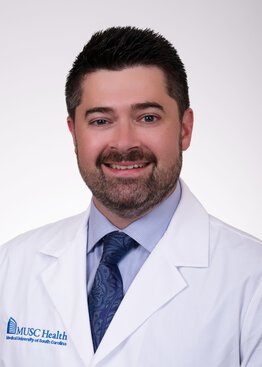
Jamie Wilson, M.D., FRCS, MSc
Hollings Cancer Center
Rhea Hans, M.D.
Pediatric Hematology/Oncology, Blood & Marrow Transplant
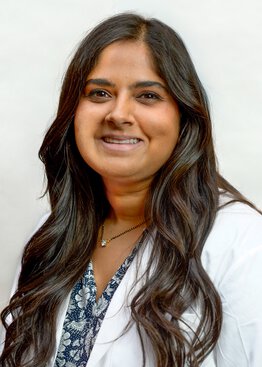
Rhea Hans, M.D.
Dr. Rhea Hans is a pediatric bone marrow transplant physician with a special focus on cellular and gene therapies. She cares for children with blood disorders, immune deficiencies, and both hematologic and solid malignancies. Her clinical interests include advancing access to bone marrow and stem cell transplantation as well as developing new treatment approaches through clinical trials.
Dr. Hans completed her medical degree at St. George's University followed by residency training in pediatrics at Newark Beth Israel Medical Center and fellowship training in pediatric hematology/oncology at Phoenix Children's Hospital. She went on to receive additional specialized training in pediatric bone marrow transplantation at Memorial Sloan Kettering Cancer Center, where she developed expertise in cellular therapy and the use of gene therapy for inherited and acquired conditions.
In her role at MUSC, Dr. Hans is excited to expand the pediatric bone marrow transplant and gene therapy programs, with the goal of offering children in South Carolina and beyond access to cutting-edge treatments close to home. She is particularly passionate about bringing novel clinical trials to her patients and working as part of a collaborative, multidisciplinary team to deliver the best possible outcomes.
Outside of her clinical work, Dr. Hans is involved in community outreach and education to raise awareness about childhood cancers and the importance of bone marrow donation. She is committed to building strong relationships with families, providing compassionate care, and guiding them through every step of their child's treatment journey.
What is something that your mentor or other CTTP scholars would be surprised to know about you?
Outside of medicine, I really enjoy traveling, trying new recipes, and hiking—anything that lets me explore new places and experiences. These activities give me a chance to reset and stay grounded, and I value having that balance alongside my clinical and academic work.
What drew you to the CTTP?
I was drawn to the CTTP because it offers a structured path from participating in clinical trials to leading them. As junior faculty, I was looking for a program that combines mentorship, practical training, and real trial experience—especially in areas like feasibility, budgeting, and start-up—which are critical for becoming an effective site PI.
How does the CTTP fit into your prospective career trajectory?
My goal is to become an independent clinical trialist in pediatric blood and marrow transplantation, with a focus on CAR-T and cellular therapy multicenter trials. The CTTP provides the foundation to build that career by helping me develop the skills and infrastructure needed to lead trials and grow a sustainable clinical research portfolio.
I’m particularly excited about the opportunity to expand access to innovative cellular therapies through clinical trials. Being able to bring these studies to our patients—and contribute to advancing the field—is a meaningful part of why I pursued this path.
What is something that your mentor or other CTTP scholars would be surprised to know about you?
Prior to pursuing gynecologic oncology/Medicine I studied ecology at the University of Vermont. during this time, I spent 9 months in Madagascar where I did a Lemur research project and worked for an NGO focusing on sustainable development and Mangrove protection.
What drew you to the CTTP?
I was initially drawn to the CTTP as a new faculty to learn more about clinical trials. Clinical trials have led to an explosion in new therapeutics for gynecological oncology recently. I want to be on the forefront if the use of new therapeutics for my future career and patients.
How does the CTTP fit into your prospective career trajectory?
CTTP will allow me to learn more about designing and implementing clinical trials. I hope to one day collaborate with basic scientists to help develop new clinical trials here at MUSC.
DeWitt Rogers, M.D.
Gynecologic Cancer, Gynecology Oncology
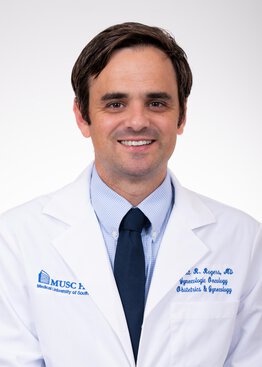
DeWitt Rogers, M.D.
Congratulations to the 2025–2026 Awardees
We congratulate Nathan Roberts, M.D., Ph.D., Ben Strickland, M.D., Alexandra Kejner, M.D., and Abirami Sivapiragasam, M.D., on their completion of the program from July 2025 through June 2026.
Below are just a few highlights from an impressive year of accomplishments:
• Dr. Nathan Roberts (Emergency Department) – Successfully exceeded enrollment goals for a traumatic brain injury device study and continues to enroll participants.
• Dr. Ben Strickland (Hollings Cancer Center/Neurosurgery) – Received an American Cancer Society grant supporting glioblastoma immunotherapy research. View recent news coverage.
• Dr. Alexandra Kejner (Hollings Cancer Center/ENT) – Continues to advance several investigator-initiated studies while also leading the activation of industry-sponsored clinical trials for head and neck cancer patients at MUSC.
• Dr. Abirami Sivapiragasam (Hollings Cancer Center) – Continues to grow the breast cancer program at MUSC, serving as lead PI on multiple clinical trials while expanding her research portfolio.
“It’s been incredibly rewarding to work with our current cohort of scholars who represent a broad range of clinical and research interests ranging from surgical oncology to brain injury in the emergency setting,” says Andrew Goodwin, M.D., MSCR, CTTP Program Director. “From feasibility assessment to enrollment, each scholar has successfully leveraged the CTTP’s teachings and resources to identify and initiate new trials, including investigator-initiated studies. The future leaders are poised to develop successful careers as clinician trialists and impact the care provided to patients at MUSC and beyond.”
About the CTTP
A joint initiative of SCTR, the MUSC College of Medicine, and Hollings Cancer Center, the CTTP aims to expand the pool of clinicians trained to serve as site principal investigators. The program is designed for clinicians with little to no existing research effort who would benefit from protected time, dedicated education, and targeted resources to launch or grow their clinical research careers.
A strong clinical trials portfolio increases patient access to innovative therapies, strengthens PI leadership skills, and broadens MUSC’s clinical trial offerings. CTTP graduates leverage the skills and experience gained during the program to make informed decisions about future trial opportunities and to secure sustained salary support as site PIs.
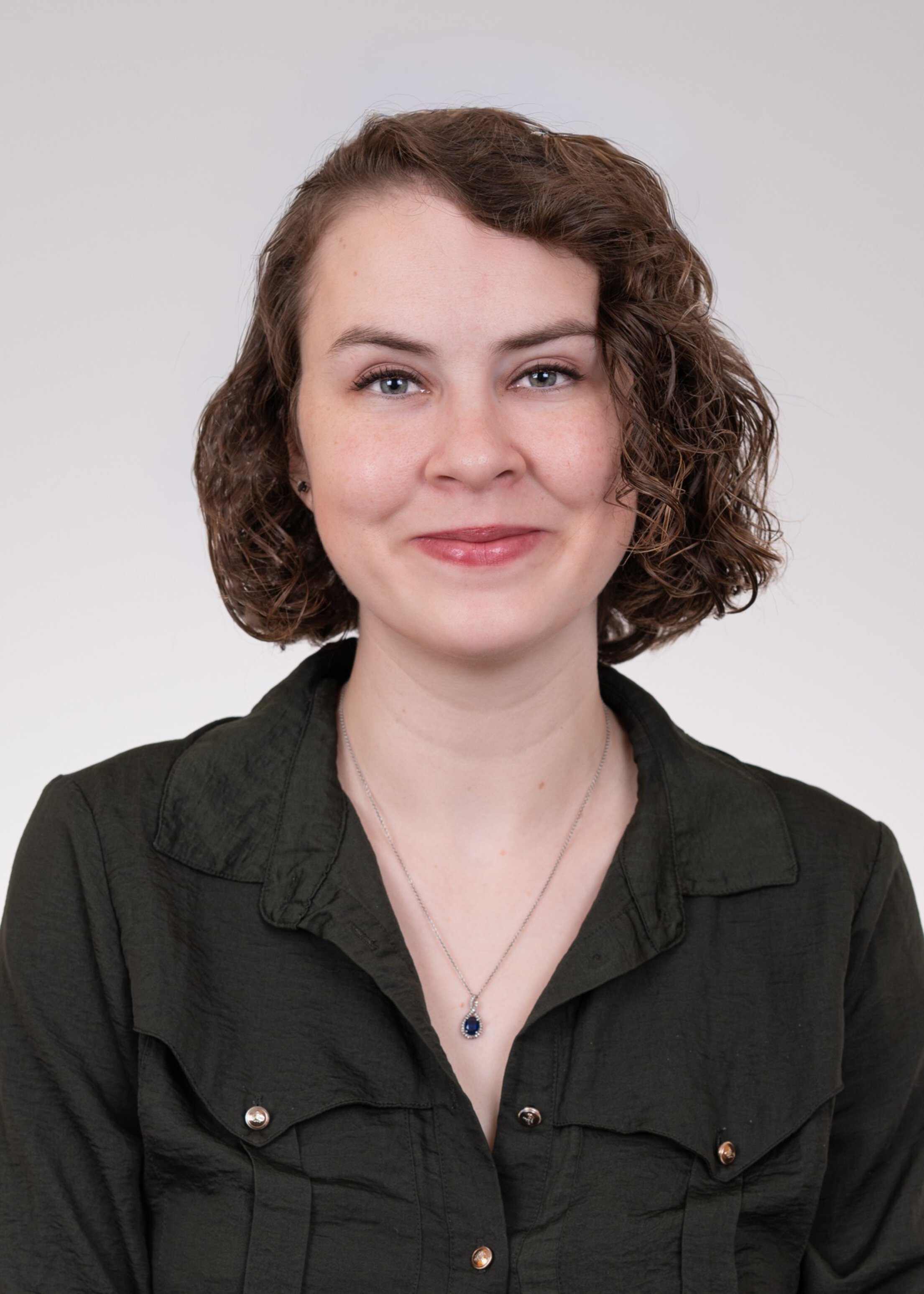
Sophia Barry Gordon
Sophia Barry Gordon is the science writing and communications program coordinator at the South Carolina Clinical & Translational Research (SCTR) Institute. She holds a Master of Science degree from New York University and is currently a Ph.D. candidate at the University of Birmingham (UK).