
CHARLESTON, S.C. (May 14, 2026) – Researchers at the Medical University of South Carolina (MUSC) report that a fatty acid common in fish oil supplements may interfere with the brain’s natural repair process after traumatic brain injury, potentially affecting pathways associated with chronic traumatic encephalopathy (CTE).
The study used a mouse model alongside analyses of human tissue from individuals diagnosed with CTE. Investigators focused on eicosapentaenoic acid (EPA), a major omega‑3 component in many fish oil supplements. In the mouse model, excess EPA altered the brain’s metabolic response and disrupted angiogenesis – the growth of new blood vessels that supports oxygen and blood delivery during recovery. Elevated EPA levels were also observed in human CTE tissue samples.
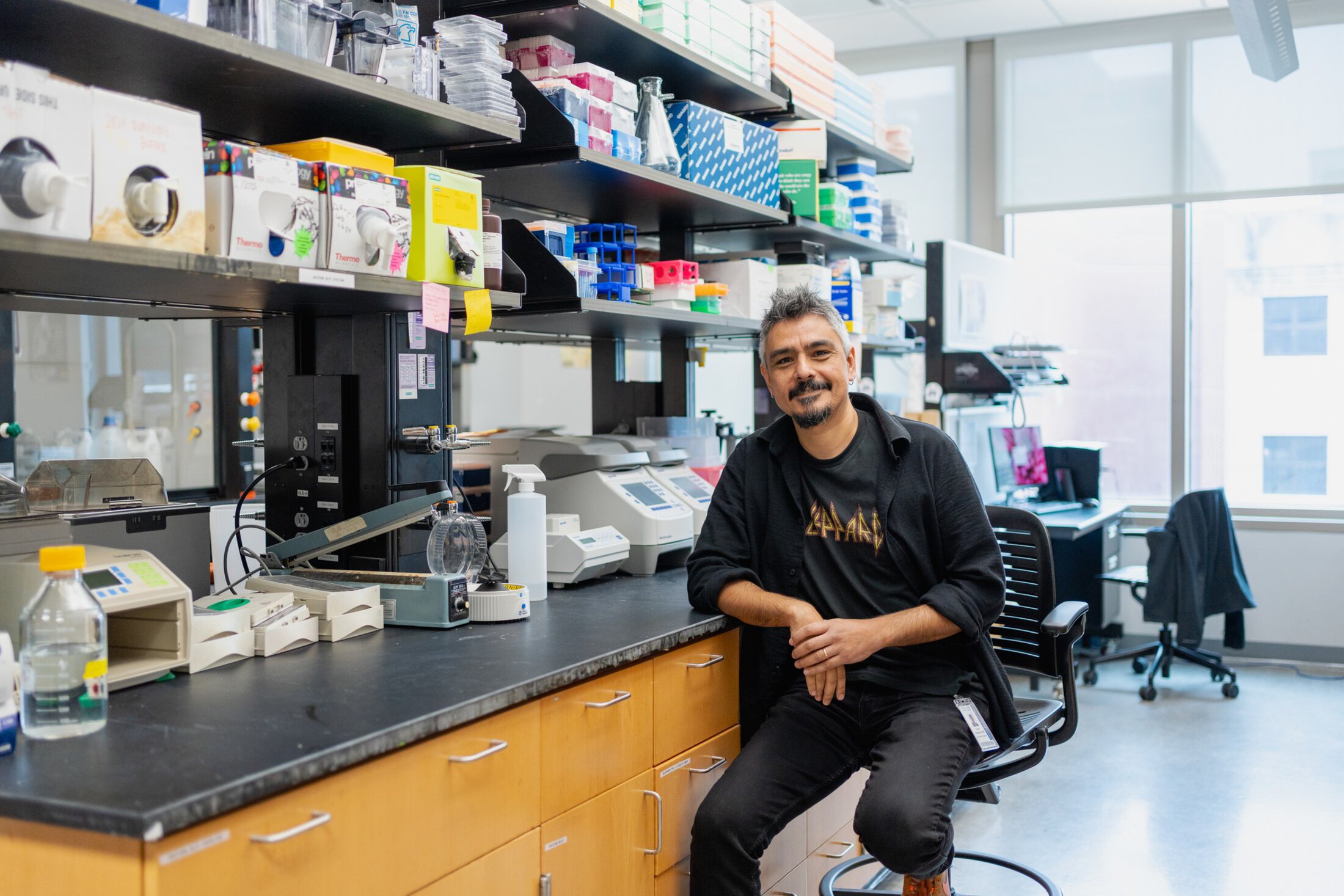
“This is the first study to show that fish oils might not be beneficial in all situations,” said Onder Albayram, Ph.D., associate professor in the Department of Neuroscience at MUSC and lead investigator. “Concussion and brain injury can happen to anybody, and through MUSC’s high-quality research in this field, I hope to extend this study to other brain disorders to discover how recovery context, including nutrition, could influence brain health over time.”
EPA’s anti‑angiogenic properties can be beneficial in some settings, such as limiting unwanted vessel growth in certain cancers. After traumatic brain injuries, however, the same effect may hinder healthy rebuilding, complicating recovery and potentially increasing vulnerability to long‑term changes linked to repeated head impacts.“Fish oil is widely viewed as neuroprotective,” said Semir Beyaz, Ph.D., assistant professor at Cold Spring Harbor Laboratory. “Our data show that context matters: in models of repetitive brain injury, EPA can impede the repair programs the brain relies on to heal.”
Traumatic brain injuries, ranging from so‑called “mild” concussions to repeated head impacts, are increasingly recognized as a public‑health challenge, with symptoms such as mood changes, memory loss and depression sometimes emerging years later. The new findings suggest nutrition may be one factor shaping how the brain responds to injury over time.
The research team emphasized that the results do not negate known cardiovascular or gastrointestinal benefits of fish oil. Instead, the study points to a need for targeted guidance around supplement use following brain trauma and additional research to determine when, whether and how omega‑3 components should be used during recovery.
###
About MUSC
Founded in 1824 in Charleston, MUSC is the state’s only comprehensive academic health system, with a mission to preserve and optimize human life in South Carolina through education, research and patient care. Each year, MUSC educates nearly 3,500 students in six colleges and trains more than 1,060 residents and fellows across its health system. MUSC leads the state in federal, National Institutes of Health and other research funding. For information on our academic programs, visit musc.edu.
As the health care system of the Medical University of South Carolina, MUSC Health is dedicated to delivering the highest-quality and safest patient care while educating and training generations of outstanding health care providers and leaders to serve the people of South Carolina and beyond. In 2025, for the 11th consecutive year, U.S. News & World Report named MUSC Health University Medical Center in Charleston the No. 1 hospital in South Carolina. To learn more about clinical patient services, visit muschealth.org.
MUSC has a total enterprise annual operating budget of $8.9 billion. The more than 36,200 MUSC members include world-class faculty, physicians, specialty providers, scientists, contract employees, affiliates and care team members who deliver groundbreaking education, research and patient care.
Recent News Releases stories