
MUSC Health has rolled out a program monitoring people’s blood pressure while they’re at home. In a state where about one in three people have been told by a doctor that they have hypertension, it’s a potentially important development.
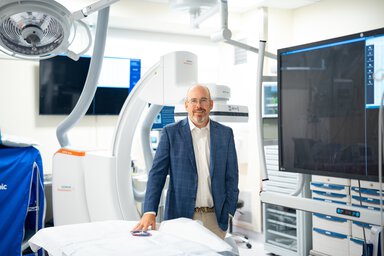
Thompson Barr, M.D., an internal medicine doctor at MUSC Health, is leading the effort. He said high blood pressure, also known as hypertension, can take a serious toll.
“Hypertension is a clear risk factor for developing atherosclerotic vascular disease, cardiovascular disease, both stroke and heart attack, heart failure. All of those things are worsened by hypertension,” Barr said.
“And unlike a lot of our disease processes, it's silent. So you have to be able to monitor people and get them on treatment quickly if needed. The data shows if you improve their blood pressure quickly, their health is better.”
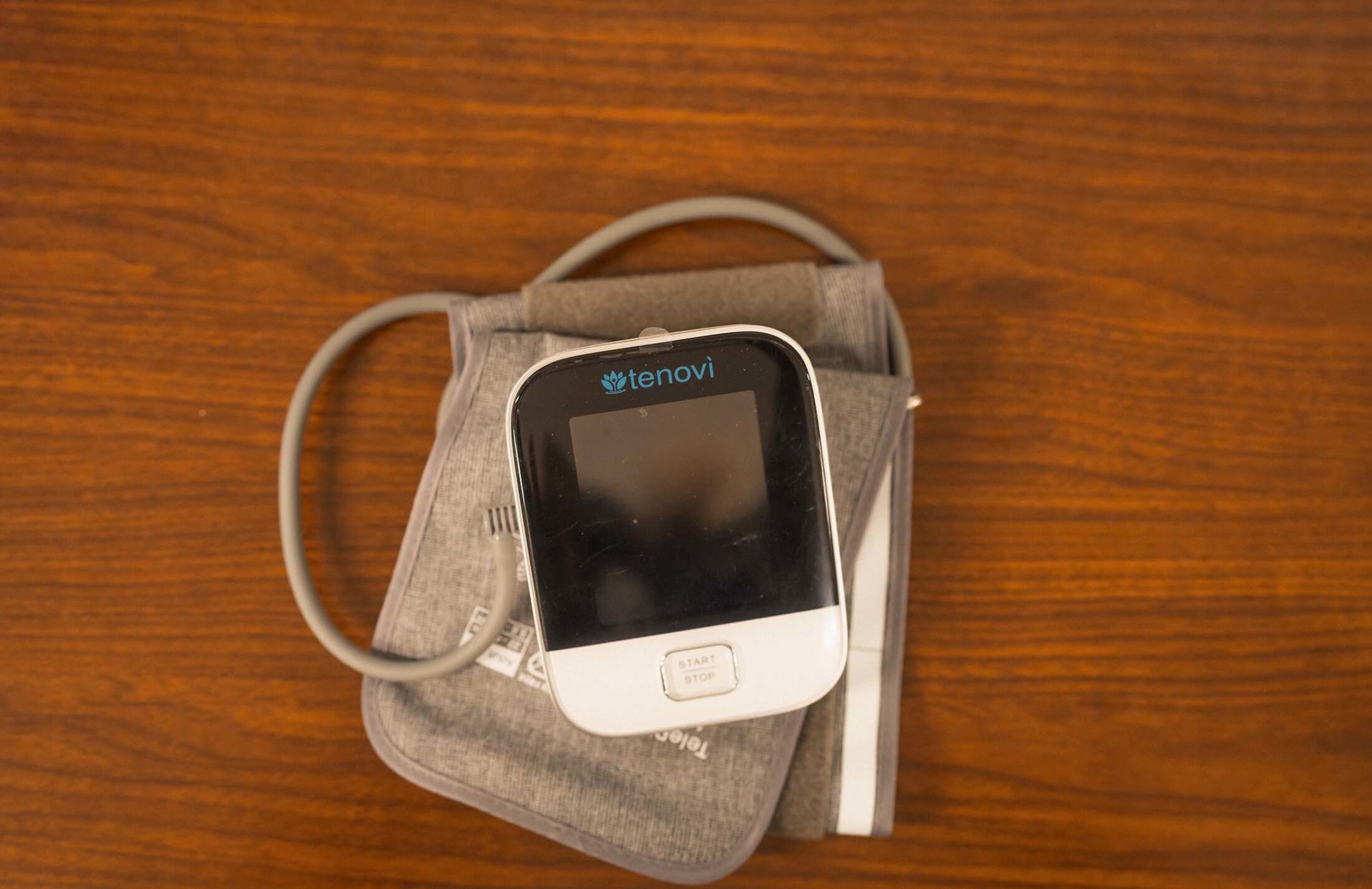
Patients get involved in home monitoring at MUSC Health through referrals from doctors. Once they’re enrolled, Barr’s team sends monitors to participants’ homes. The devices can automatically upload the data to MUSC Health. “People can just crack open the box and plug it in,” Barr said.
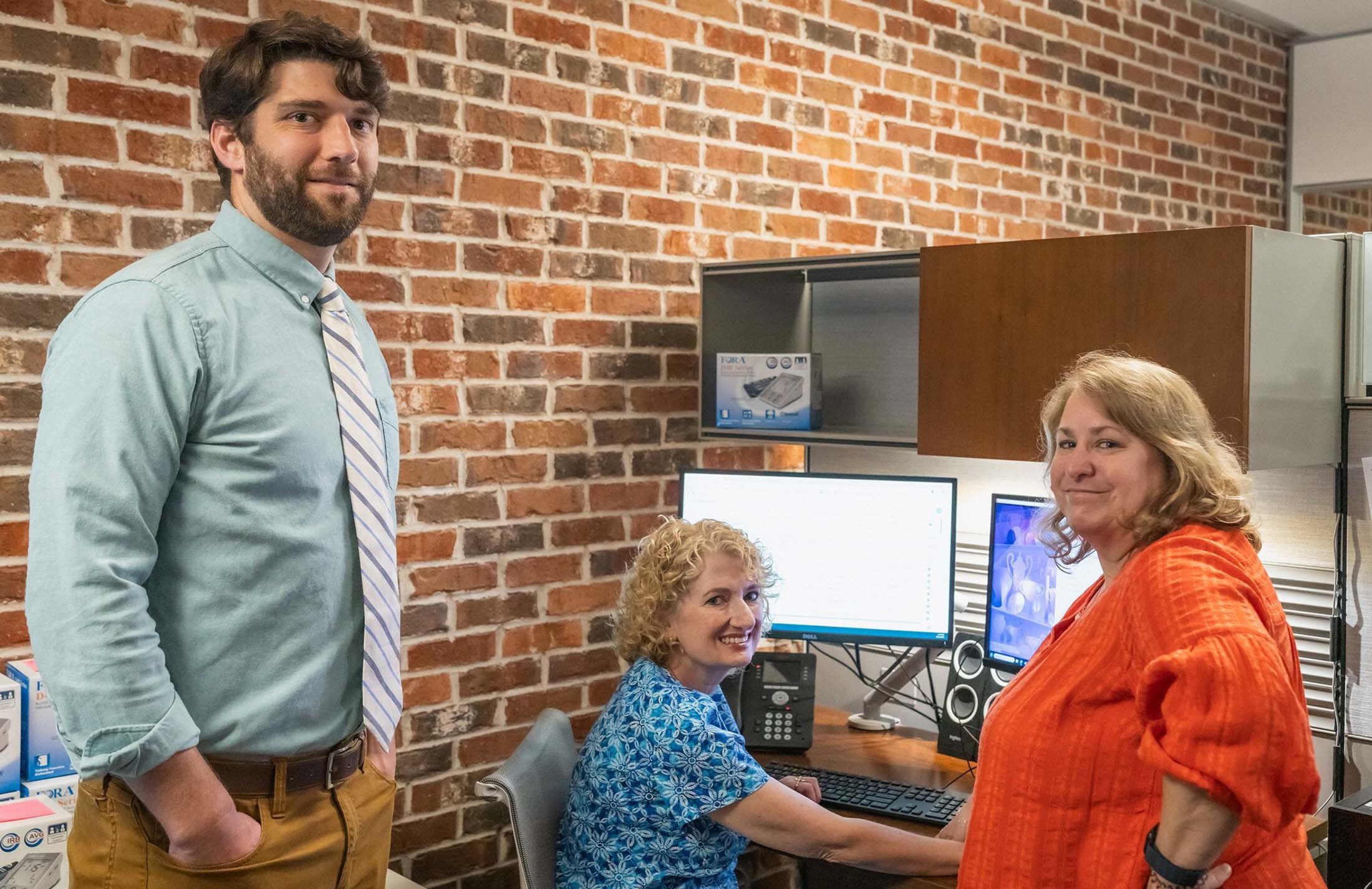
The remote monitoring program can also check the blood sugar levels of patients with diabetes.
Barr said one challenge is that while Medicare covers remote monitoring, most insurance companies in South Carolina don’t yet. “I think the biggest next step is doing more research to be able to show good outcomes. It makes intuitive sense why this would work. But to be able to show outcomes that then are able to inform practices for insurance is important, too.”
Outcomes are key, Barr said, as MUSC Health tackles hypertension on multiple fronts. It’s doing that not only with the help of Barr and his colleagues but also through the Heart & Vascular Center and other specialties within MUSC Health, including digestive diseases.
And Medical University of South Carolina professor Dan Lackland, described as a global leader on hypertension research by the American Heart Association, is closely involved in hypertension reduction efforts as well.
As for the remote patient monitoring that Barr is doing, he said the goal is to grow to help as many people as possible. “If we can work out the insurance issues and and work out coverage to get as many people as possible connected with routine at-home blood pressure readings, it allows you to do a lot of really cool things. This is all going into a repository that is slated to be going directly into the patient's chart within the next six months.”
That repository would allow for big-picture analysis. “You can use things like machine learning to see if there’s a pattern to what patients are under control, what patients aren't, what can we do about that and analyze ways that we can maybe improve our practice, both on a provider level, but really on a system level, to get our patients’ blood pressure under better control,” Barr said.
Helen Adams
Recent Heart & Vascular Care stories