
Two lipid specialists in cardiology at the Medical University of South Carolina played a key role in formulating the new national guideline for management of dyslipidemia, which was led by the American College of Cardiology and the American Heart Association. It updates recommendations that can save lives by reducing the risk of atherosclerotic cardiovascular disease, or ASCVD, including heart attack and ischemic stroke.
“Atherosclerosis, the formation of plaque, is a progressive disease. Unless we intervene early to change what's causing it, the disease or plaque will progress,” said Pamela Morris, M.D.
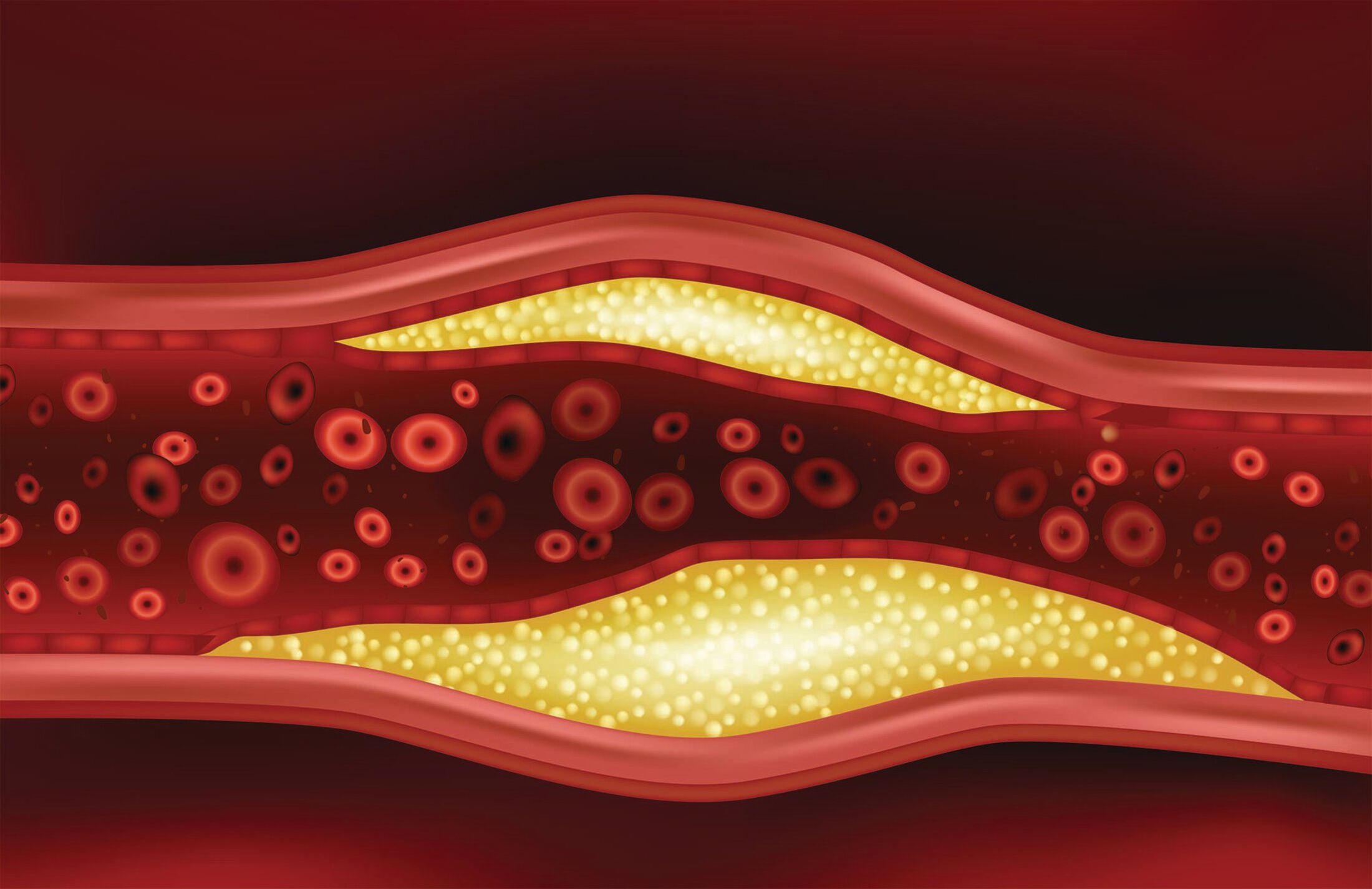
Cardiovascular disease is the leading cause of death around the world. Atherosclerosis, or hardening of the arteries, is the harmful buildup of cholesterol, inflammation and other substances that narrows arteries and reduces flexibility, leading to blockages that cause heart attacks and strokes.
Morris is a professor of medicine and cardiology and the Paul V. Palmer Chair of Cardiovascular Disease Prevention. She is also the director of the Seinsheimer Cardiovascular Health Program at MUSC. She served as vice chair of the ACC/AHA guideline writing committee and worked with her MUSC Health colleague and writing committee member, Kellie McLain, a cardiology nurse practitioner and lipid specialist.
The last guidelines for management of high blood cholesterol were published in 2018. The current update makes new recommendations based on evolving scientific evidence of the benefits of lower LDL cholesterol levels and new drugs that have been FDA approved since the previous guidelines. LDL stands for low-density lipoprotein, often referred to as “bad” cholesterol.
New treatments include:
-Bempedoic acid, brand name Nexletol. “Bempedoic acid has been demonstrated to be well-tolerated by people who have difficulty tolerating statins. It has been studied in a large clinical trial and has been proven to reduce cardiovascular risk,” Morris said.
-Inclisiran, brand name Leqvio. “Inclisiran is a newer injectable therapy for lowering LDL. Trials are in progress to evaluate its role in potentially reducing cardiovascular risk.”
-Evinacumab, brand name Evkeeza. “Evinacumab is FDA approved to reduce LDL cholesterol in people with a rare form of genetically high cholesterol called homozygous familial hypercholesterolemia,” Morris said.
-Olezarsen, brand name Tryngolza, is a newly approved treatment for people with a very rare form of severe elevations of triglycerides – another type of fat in the blood – and pancreatitis.
Another important update is that the new guideline incorporates a new risk calculator, the AHA’s PREVENT-ASCVD, which provides more precise estimates of cardiovascular disease risk for people as young as 30 and up to 79 years old. The guideline encourages people at increased risk of cardiovascular disease to lower their levels of LDL cholesterol as early as possible. “The earlier the exposure to plaque-causing lipoproteins is reduced, the greater the benefit to protect arteries and decrease the risk of heart attack and stroke,” Morris noted.
“After estimation of a person’s risk with the new AHA PREVENT-ASCVD risk calculator, if an individual is uncertain about the decision to start a statin, the guideline recommends use of an imaging test known as calcium scoring to detect very early plaque before it is symptomatic,” McLain said.
“This can be very helpful in decision-making if there’s any early calcium and plaque buildup in the coronary arteries.”
The guideline points to lipoprotein (a), also known as Lp(a), as another useful test for risk evaluation. This test is recommended at least once for all adults. High levels of Lp(a) are present in about 20% of adults and are associated with an additional increase in risk of heart attack and stroke as well as aortic stenosis, a valvular heart condition.
Measurement of apolipoprotein B, or apoB, is recommended in people with diabetes, high triglycerides and known cardiovascular disease after they have reached their LDL cholesterol goals. ApoB is a more accurate measure of the number of plaque-causing particles in the blood and can indicate whether further intensification of treatment is needed.
But testing and medications aren’t the only takeaways, Morris said. “Lifestyle is the foundation of reducing cardiovascular disease risk. A heart-healthy dietary pattern, such as the Mediterranean diet, the DASH (Dietary Approaches to Stop Hypertension) diet or a plant-based vegetarian or vegan diet, along with improvement in physical activity and avoidance of tobacco products, are all critical.”
“When someone makes those changes and their risk still remains high,” McLain said, “medication can help.”
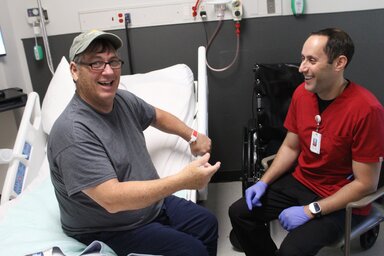
The guideline emphasizes the importance of shared decision-making between the health care provider and patient, McLain said.
“There continues to be a lot of misinformation regarding cholesterol medications. It is important to take an individualized approach and review the person’s risk of developing cardiovascular disease, their potential for benefit from medication and an accurate discussion of their potential for side effects. Then we make an informed and thoughtful decision together.”
McLain and Morris said they were honored to have played a role in helping people across the country make such decisions through the guidelines. “This was a joint effort of some of the most important experts in cholesterol from across our nation and an opportunity to incorporate the perspectives of multi-disciplinary experts. It really has been the highlight of my career,” Morris said.

Helen Adams
Recent Heart & Vascular Care stories