

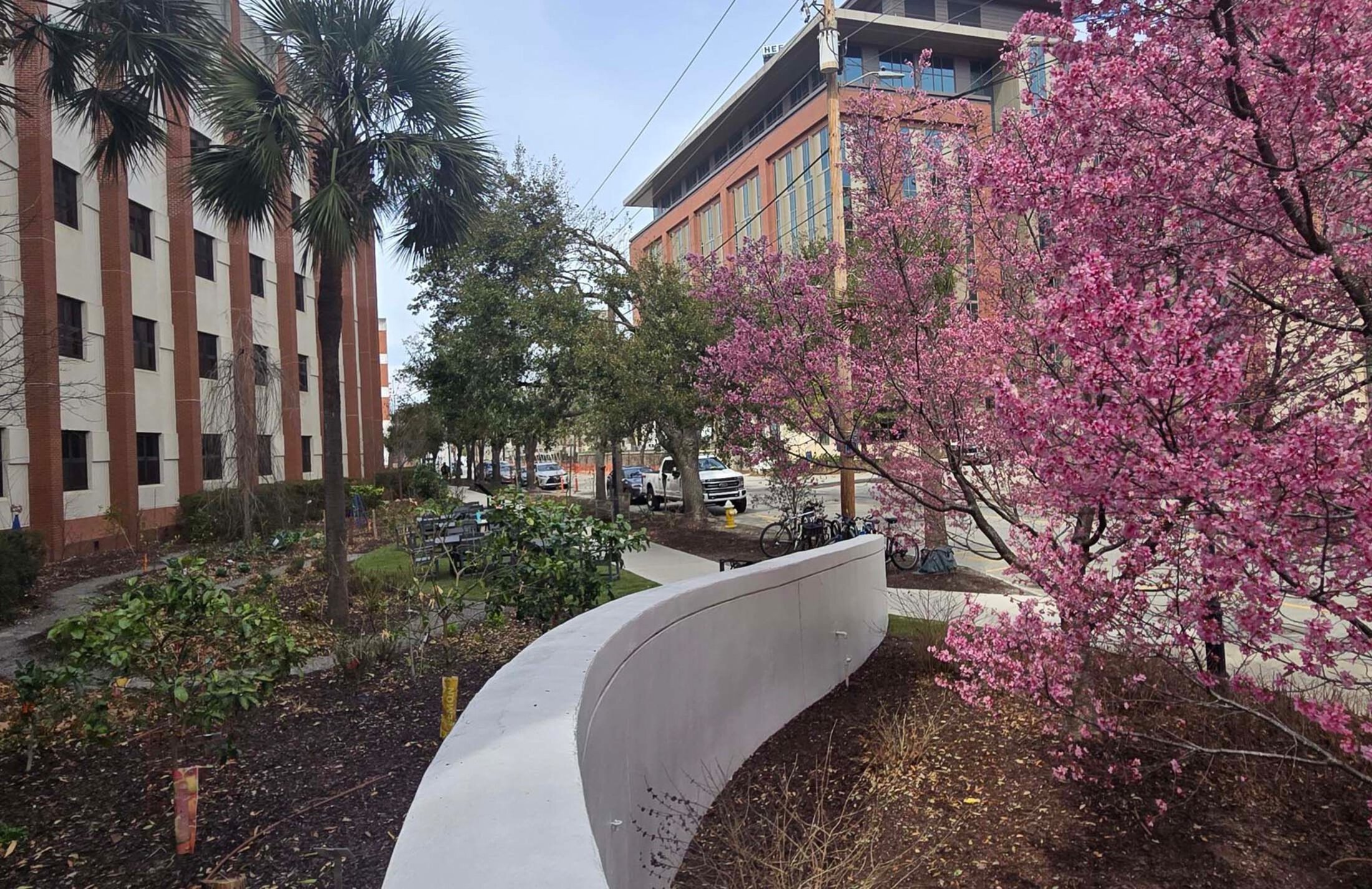
At a time when diet-related chronic disease continues to rise, an MUSC expert points to a simple, yet often inaccessible, solution: eating a diverse array of whole, plant-based foods and enjoying meals in low-stress environments. A newly established campus food forest, located in the largest of several MUSC Pocket Urban Farms, is putting that idea into practice.
Located along the pedestrian corridor on the east and west sides of the Institute of Psychiatry (IOP) building at 67 President St., the space invites people to stop, sit and engage, rather than simply passing through.
“The whole mission is to remind people about that connection between their health and eating healthy,” said Noni Langford, coordinator of Pocket Urban Farms.
A living space for community health
The food forest was funded by a United States Department of Agriculture (USDA) Forest Service grant that supports food forest projects throughout the state and is aimed at improving food access and affordability. The grant is managed by the South Carolina Forestry Commission. According to educational signage at the site, the green space is intentionally designed to highlight different types of edible plants growing together, reflecting the natural structure of a forest ecosystem.
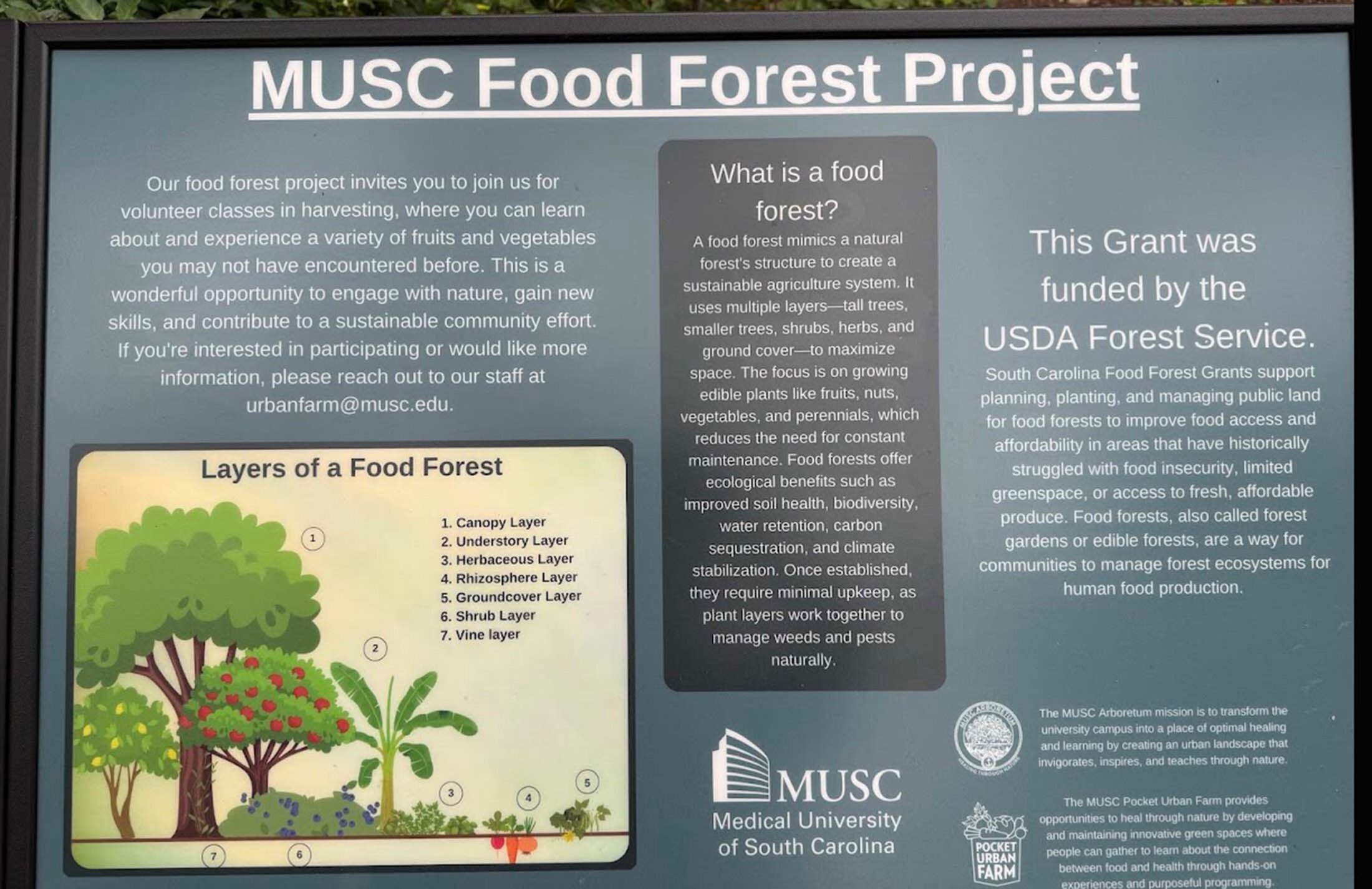
The food forest features multiple layers of trees, shrubs, herbs and ground cover to maximize space and support ecological benefits, such as soil health and carbon sequestration. The nutrient-dense crops are selected with culinary relevance and digestive health in mind. The current harvest includes ginger, turmeric, citrus fruits, papaya, strawberries, cabbage and other cruciferous vegetables, microgreens, lavender and a wide range of herbs, such as sage, rosemary and multiple varieties of mint.
These foods are used for hands-on education, horticulture therapy and direct food access. Staff members also hold “Educate and Cultivate” events, where they eat lunch with community members, who can also participate in discussions about gardening and nutrition.
The produce harvested from the food forest is primarily distributed through a newly opened on-campus food pantry in the hospital extension, formerly the children’s hospital. Volunteers, students and community members alike help to plant, harvest and maintain the space and are encouraged to take home some of what they grow.
The science of the gut-brain connection
Experts emphasize that what we eat and how we eat it directly influence gut health. For example, “Ginger is well-known to aid digestion, soothe nausea and decrease bloating and gas,” said Laura Nance, a registered dietitian with MUSC’s Office of Community Engagement.
Nance emphasized that the primary digestive benefit from plants does not come from any single “superfood,” but from variety. While crops like ginger and turmeric offer anti-inflammatory properties when consumed as whole foods, the larger impact comes from eating a wide range of plant foods. People who eat around 30 different plants per week have significantly more diverse gut bacteria, a marker associated with better digestive health, according to the American Gut Project.
Nance explained that when fiber is eaten alongside polyphenols, antioxidants found in colorful plants like the berries grown at the food forest, they work together to support beneficial gut bacteria.
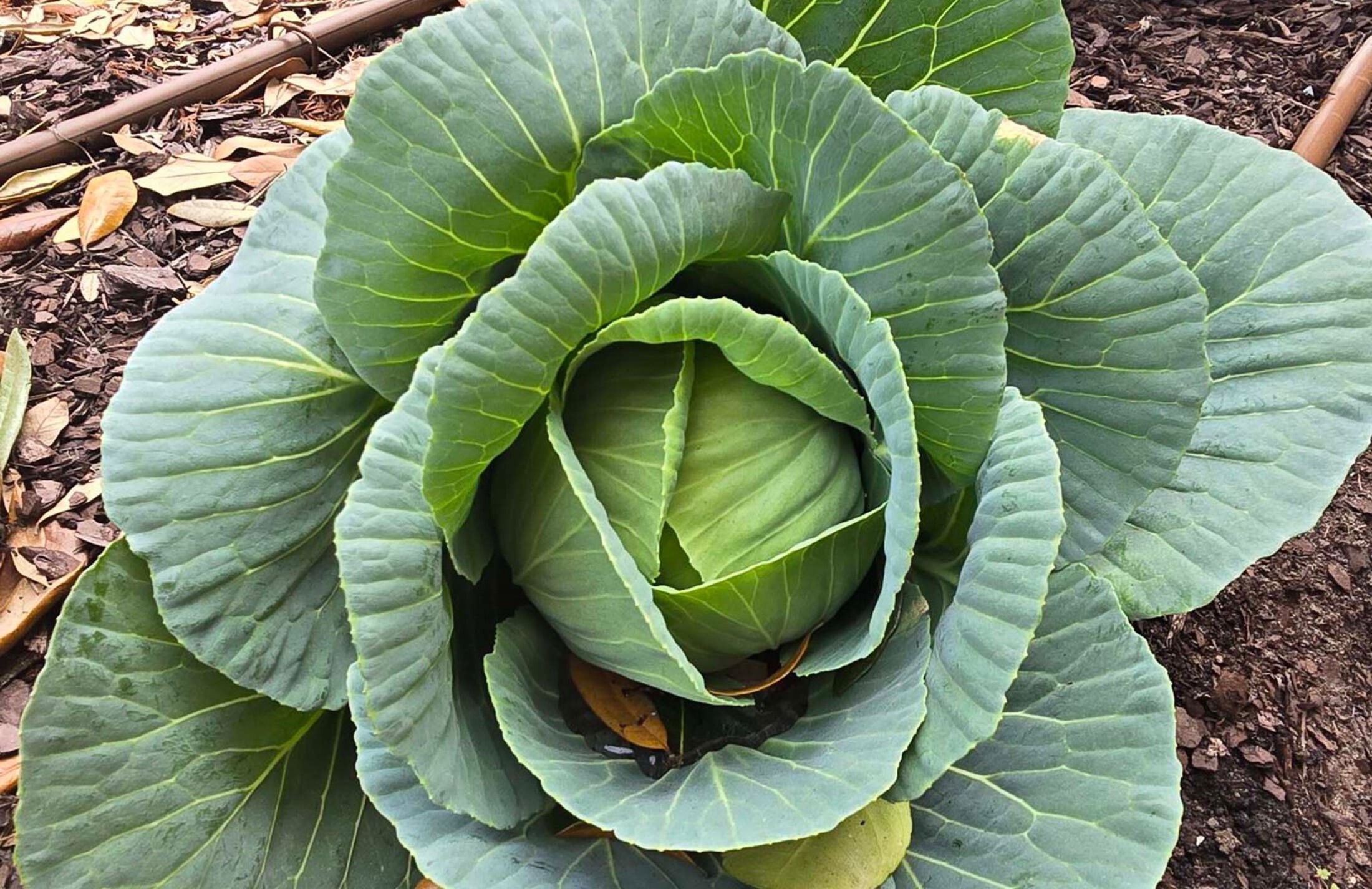
“Cruciferous vegetables are fabulously filled with fiber, and that’s really going to help with digestive health,” she said. “Fiber also contributes positively to a healthy gut microbiome.”
Fruits such as papaya offer both fiber and hydration, an often-overlooked component of digestive health. “Herbs like rosemary and mint and fruits like lemon, lime, grapefruit and orange are great ways to flavor water to stay better hydrated, which definitely contributes to a healthy digestive system,” Nance noted.
Rest and digest
Beyond food access, the food forest serves as a therapeutic space for reflection, healing and connection, woven into horticulture therapy and wellness programming for all. Gardening sessions emphasize sensory engagement, gentle movement and connection to nature, factors that research suggests may support a calmer, relaxed state and promote digestive health.
Spending time in green spaces is also known to lower stress and relax the nervous system, which in turn supports digestion, Nance explained. That’s because digestive function is regulated in part by the parasympathetic nervous system, often referred to as the body’s “rest-and-digest” response, which could negatively affect digestion when stressed.
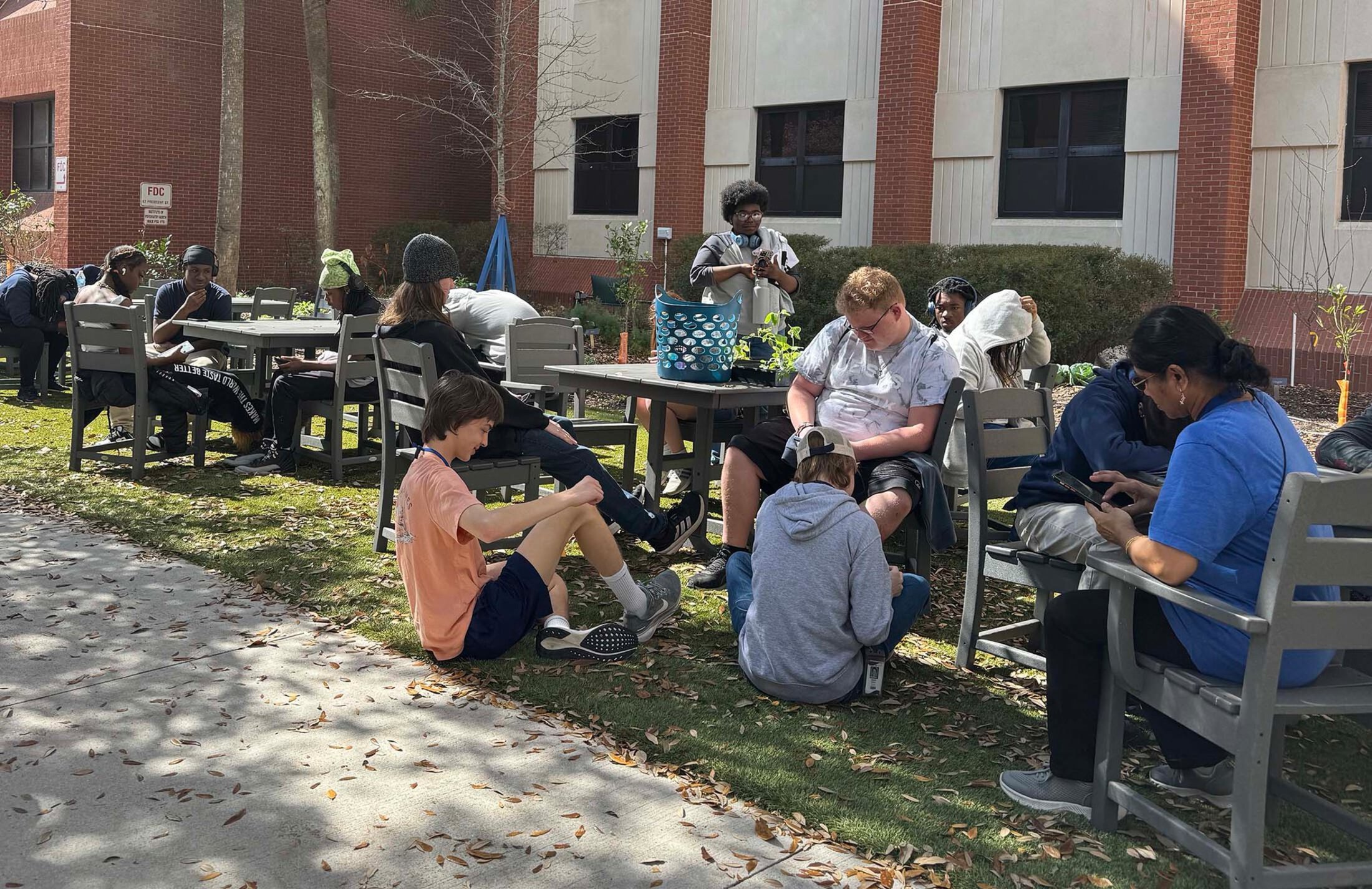
The food forest also encourages people to engage more deeply with their food, seeing how it grows, learning how to prepare it and sharing it communally. Practical education, such as simple cooking techniques like fermenting cabbage, helps to translate harvests into everyday meals that support gut health.
While the campus also offers several other Pocket Urban Farms, including a pollinator garden and a historical medicinal garden, the food forest stands out as a cornerstone project that demonstrates how food-forward green spaces can support digestive health, education and community connection.
The goal now is to grow the volunteer effort, Langford, the Pocket Urban Farms coordinator, added. “Anybody’s welcome to come. Students get credit for volunteering. We do whatever needs to be done – planting, pulling weeds, harvesting. Sometimes we do fun things like make spring rolls with fresh vegetables.”
And if you’re lucky, she added, you may catch a plant giveaway when they switch out their annuals.
Langford encourages people to stop by at any time. Students, staff, patients, family members of patients – anyone in the community looking for a bit of a nature reprieve.
The takeaway isn’t about one standout crop. It’s about access to diverse, whole-plant foods, lower-stress environments for eating and gathering and the power of community, all of which help digestion to flourish from the ground up.
Want to get your hands dirty? Visit the website or email Langford. You can also visit Instagram @muscurbanfarm for upcoming Educate and Cultivate dates.

Jennifer Sweenie
Recent Digestive Care stories