
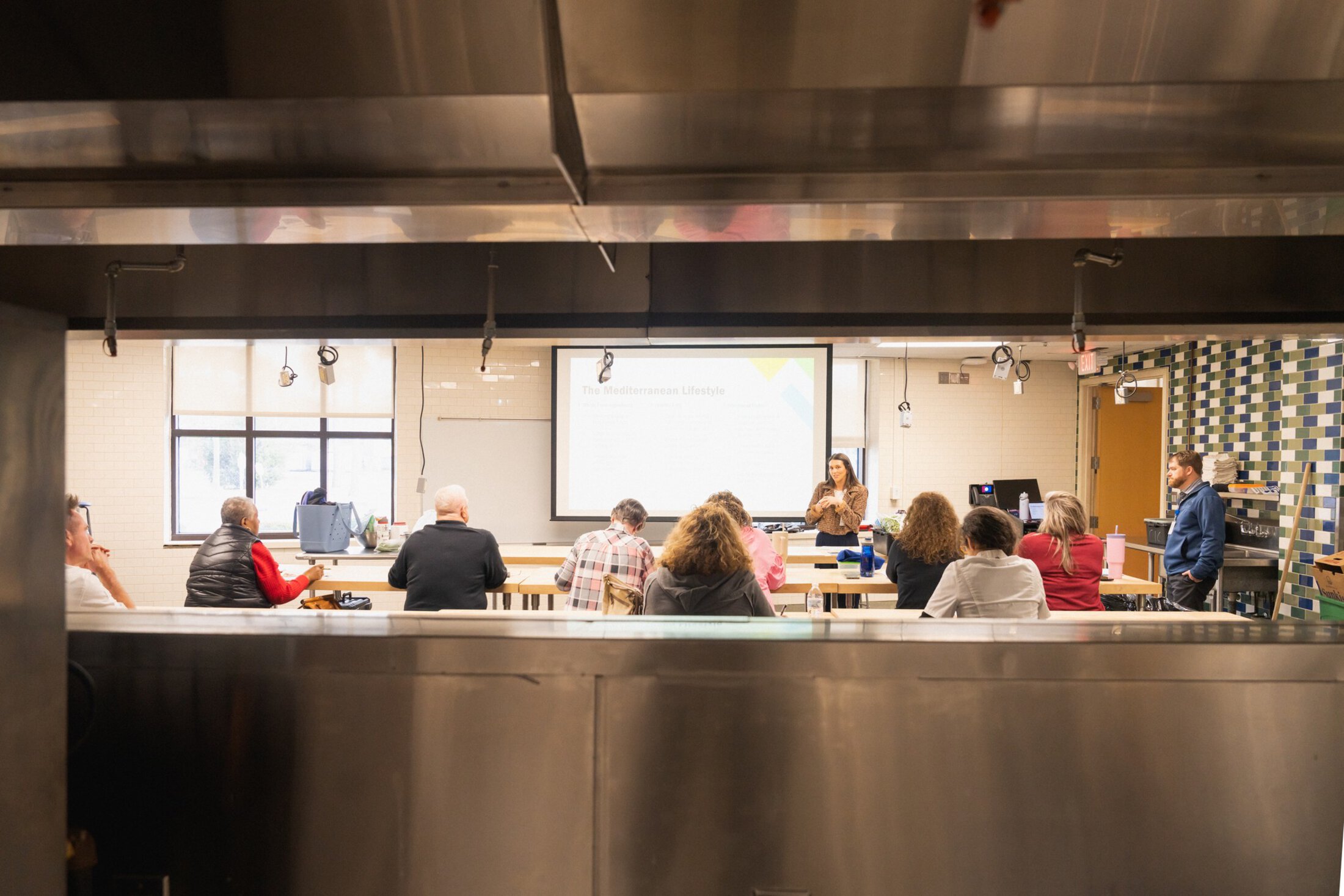
MUSC and Trident Technical College are jointly offering a program that delivers nutrition education differently than a traditional clinic visit, with medicine, nutrition and hands-on cooking instruction folded into one. Photos by Julie Taylor
Leda Feaster recently completed a four-week culinary medicine course at MUSC, offered in partnership with Trident Technical College. Over the month, she moved from stopping for McDonald’s cheeseburgers to blanching and shocking her own broccoli with lemon zest.
“Everybody needs to learn how to cook. And to cook for health,” she said.
Culinary medicine is an emerging field with a growing body of science to back its effectiveness. A 2020 study published in Nutrients specifically examined cooking as an intervention for weight control and found that incorporating active, hands-on cooking significantly increases weight loss success compared with simply watching a demonstration. Learning cooking skills led to a higher "food agency" score, which is a person's ability to navigate their food environment and make healthy choices in their daily lives.
“You get to visit with a doctor, but then we also have a registered dietitian and a professional chef who have expertise in areas that I and a lot of other physicians don't necessarily have,” said Joshua Neal, M.D., chief of the Health and Wellness Integrated Center of Clinical Excellence (ICCE) and an MUSC obesity medicine physician.
The program delivers nutrition education differently than a traditional clinic visit, with medicine, nutrition and hands-on cooking instruction folded into one.
Nathan Rex, Dean of the Culinary Institute of Charleston, weighed in on the partnership: “At the Culinary Institute of Charleston, we know that food has the power to transform lives by way of connection, nourishment, and healing. This new collaboration between TTC and MUSC represents an innovative step forward for our community.”
Breaking the system
“When you don't have those skills, then you're kind of a victim of whatever food environment you happen to be in,” said Neal. “You're relying on other people and a food system that does not prioritize your health. That is a big impediment to getting very good nutritional quality and nutritionally dense foods within the diet.”
Research supports Neal’s point, finding that frequent home cooking is associated with a higher Healthy Eating Index score, a measure of compliance with the Dietary Guidelines for Americans. Individuals who cook at home tend to consume significantly less sodium, sugar and saturated fats while increasing their intake of fiber and micronutrients.
The class wasn’t just about cooking. The participants learned to build confidence and control in food environments that often make healthy choices difficult. They walk away with skills they can implement for the rest of their lives.
“By offering a culinary medicine class designed specifically for MUSC patients, we’re bringing together clinical expertise and culinary excellence in a way that is both practical and deeply empowering,” said Rex.
Technique over recipe
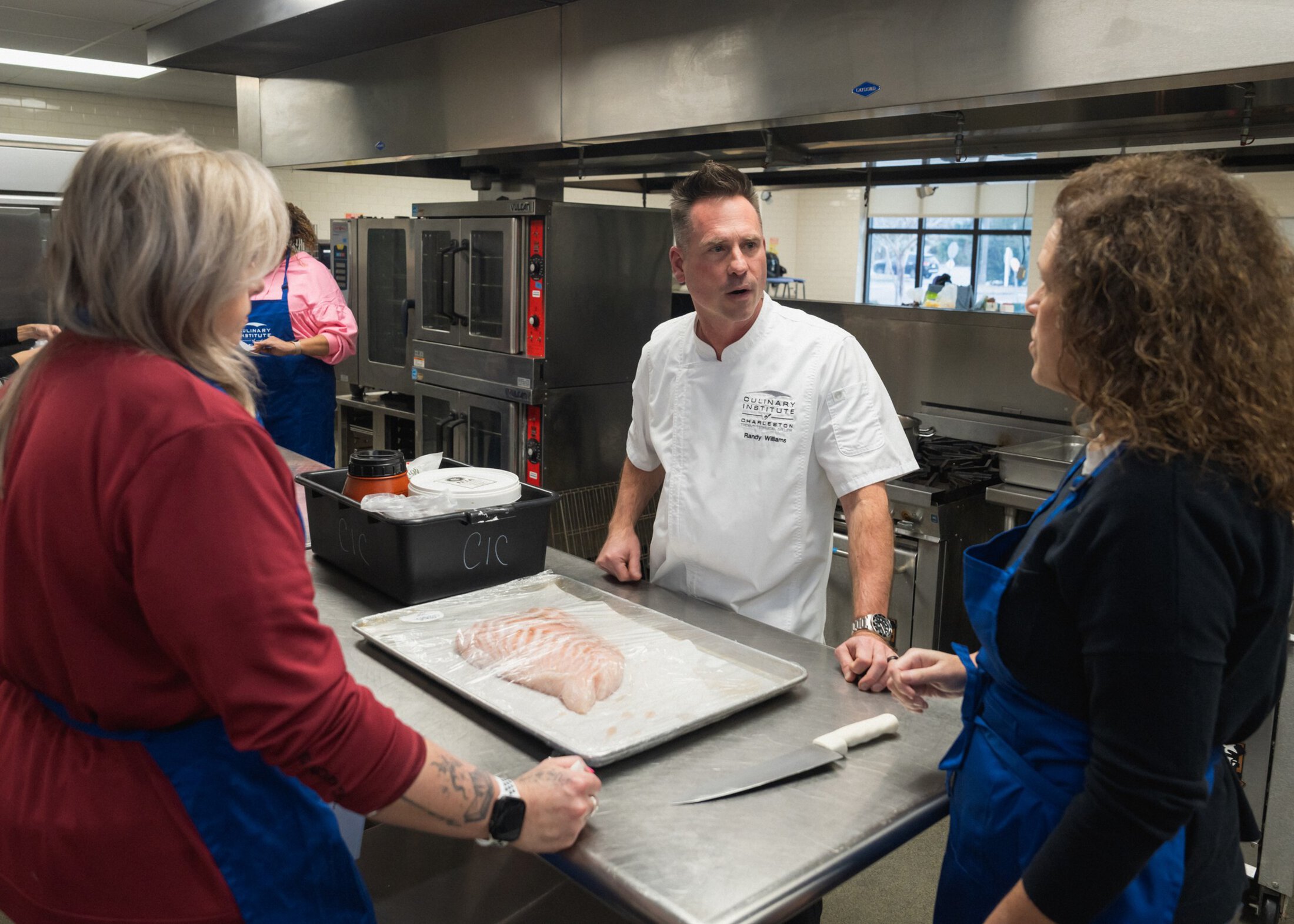
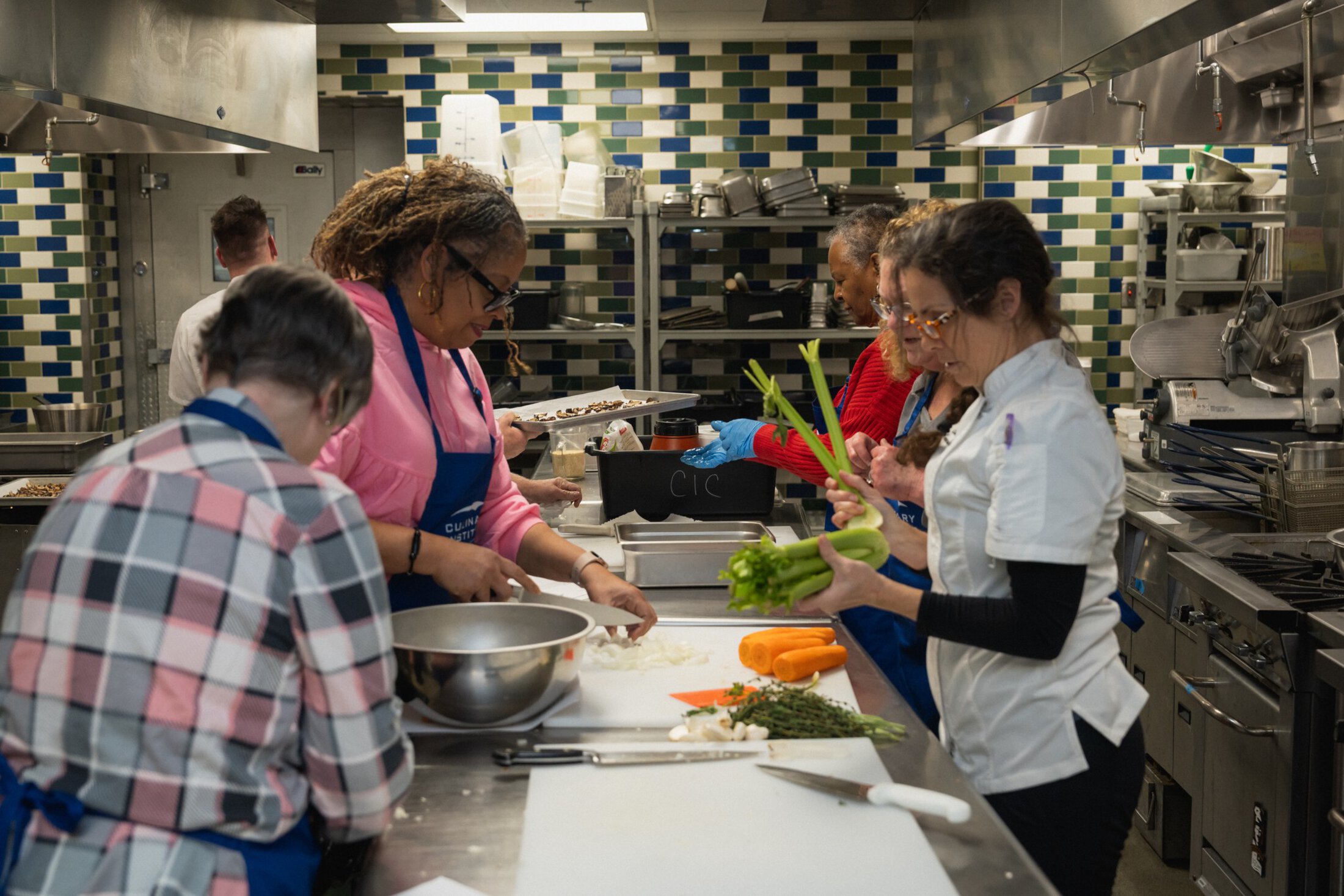
The course consisted of four classes once a week in the evenings around supper time. At a commercial kitchen at Trident Tech, students learn a mix of restaurant-level techniques and comprehensive nutrition, providing both the how and the why behind cooking skills.
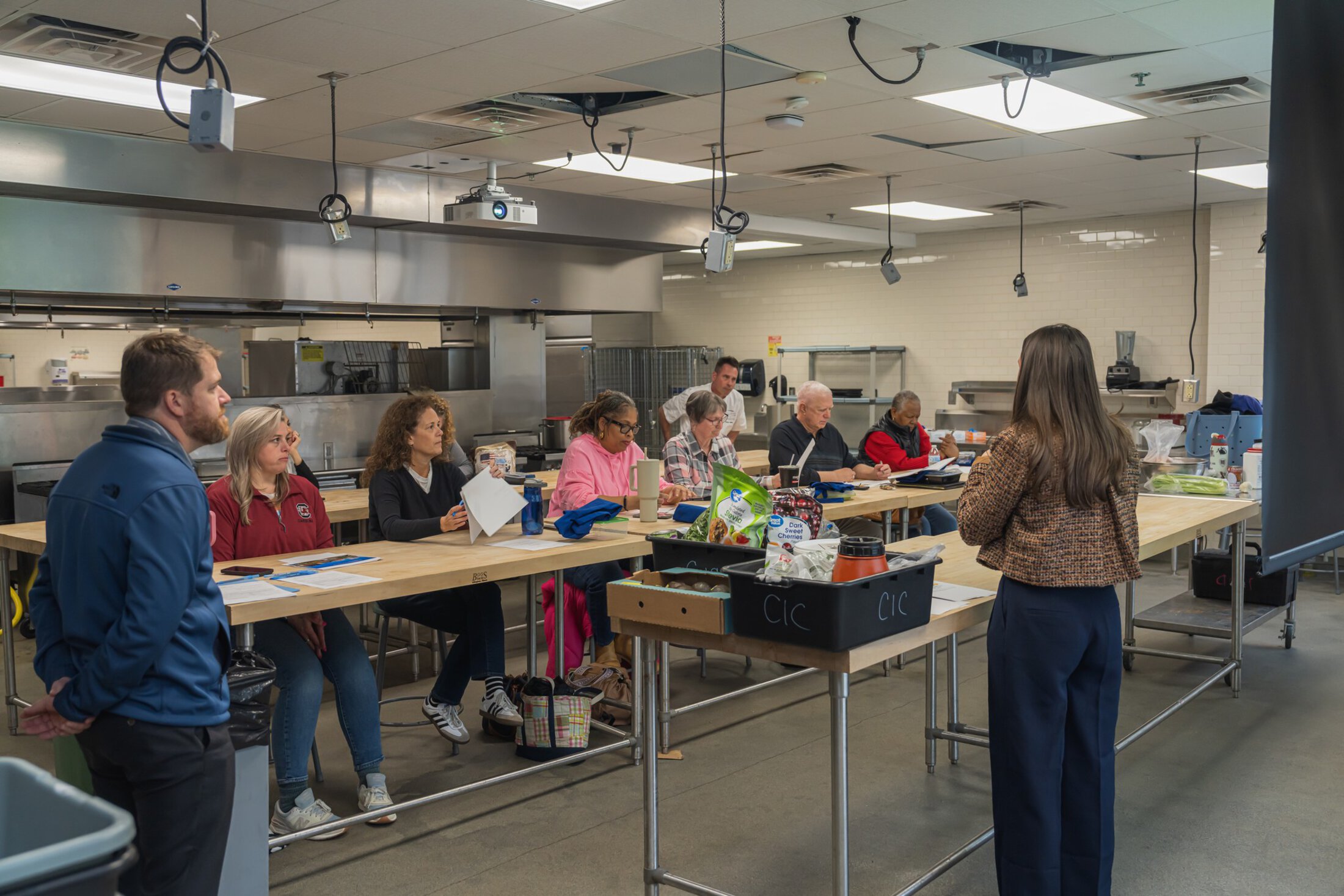
Each week, class began with a presentation by MUSC registered dietitian Kate McVay, on nutrition topics like macronutrients. McVay gave participants personalized nutritional targets, such as daily protein intake, based on their height and weight. Randall Williams, a chef Instructor with the Culinary Institute of Charleston at Trident Technical College , would demonstrate different cooking techniques, and then all students would break into groups to put their newfound skills into action.
“Our chef instructors create classes that are welcoming, inclusive, and hands-on, ensuring every participant feels confident and inspired in the kitchen,” added Rex.
One week, the topic focused specifically on proteins. In the kitchen, students learned the skills of braising, poaching and grilling from Williams while McVay provided a deeper dive into the functions of protein in the body, identifying the healthiest sources, and how to balance daily intake.
The resulting feast allowed them to enjoy the fruits of their labor, featuring their own braised chicken, poached fish and grilled shrimp; a tangible reward for skills learned just hours earlier.Feaster and classmate Jay Winnerman, both patients of Neal’s, praised the practicality of the classes, noting that instead of merely being taught a recipe, they learned cooking techniques that could be applied to any meal. For Feaster, the shift was personal.
“Now I have the skill to try something different that's better for me,” she said. “This is a whole new, different me; a whole new different approach; an entirely different mindset, with brand new skills.”
Learning together
All skill levels were welcome. Participants ranged from those with long histories of home cooking to those who previously relied on pre-prepped meals.
“Everybody loved it,” said Neal. “There's always something that can be gleaned even if you have the skills to begin with; there's a tidbit of knowledge that you're able to get, and folks also learn from each other.”
Once the cooking, feasting and cleanup were done, participants were sent home with leftovers.
“On the last night of class, and it was hugs from everybody. People just really didn't want to leave because they developed such good friendships,” said Winnerman.
The course results in action
Early signs suggest that the pilot program was a success, according to feedback from the doctors and the personal empowerment felt by the students. For Winnerman, the shift in his lifestyle was immediately apparent during subsequent conversations with his care team.
“I've talked to my general practitioner and my cardiologist, and they were both amazed and would love to encourage more patients to take these courses,” he said.
That validation is mirrored by Feaster’s shift from being a passive consumer to an active creator of her health.
“In four weeks, I feel like a chef,” she said.
When it comes to what’s next, Neal has visions of creating other disease-specific courses that focus on conditions such as autoimmune disorders and inflammation; diabetes; and irritable bowel diseases, like Crohn's and ulcerative colitis. The goal is to help patients connect diet to disease management.
“The aspects of nutrition, and particularly in how we cook and the foods that we eat, impact every aspect of these diseases,” said Neal.
Rex echoes that hope and sees a promising future for the program, “Honestly, we are only scratching the surface of what’s possible in serving our community. This partnership has the potential to grow in ways that expand access, deepen impact, and further demonstrate how food can be a powerful foundation for better health. We’re proud to stand alongside MUSC in helping our neighbors build healthier futures.”
“MUSC is always on your side when it comes to your health, and they're very innovative. Who would have thought, ‘Hey, let's teach everybody how to cook?’ They're always on top of the next thing that is going to help somebody,” said Feaster.

Jennifer Sweenie
Recent Enterprise stories