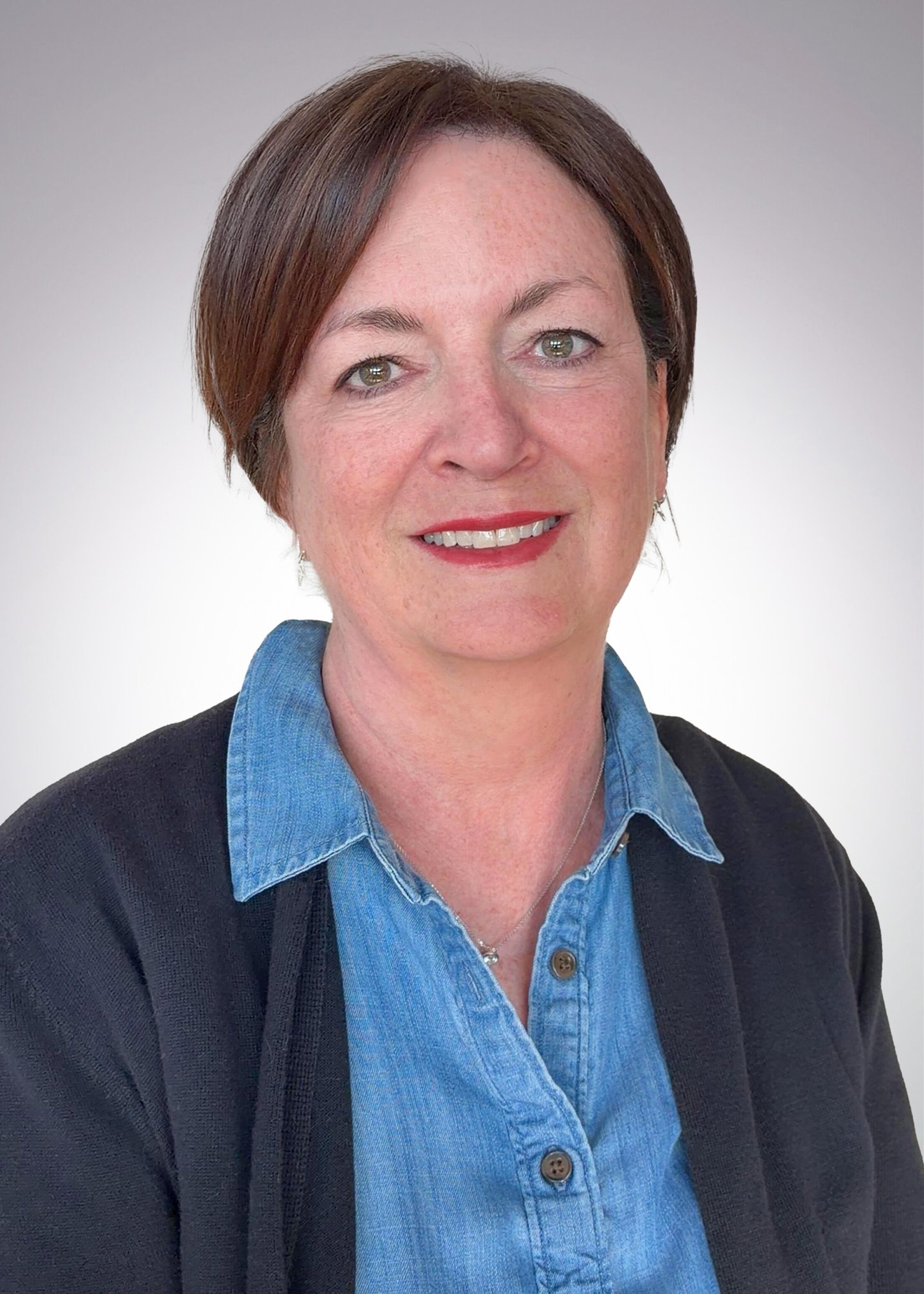


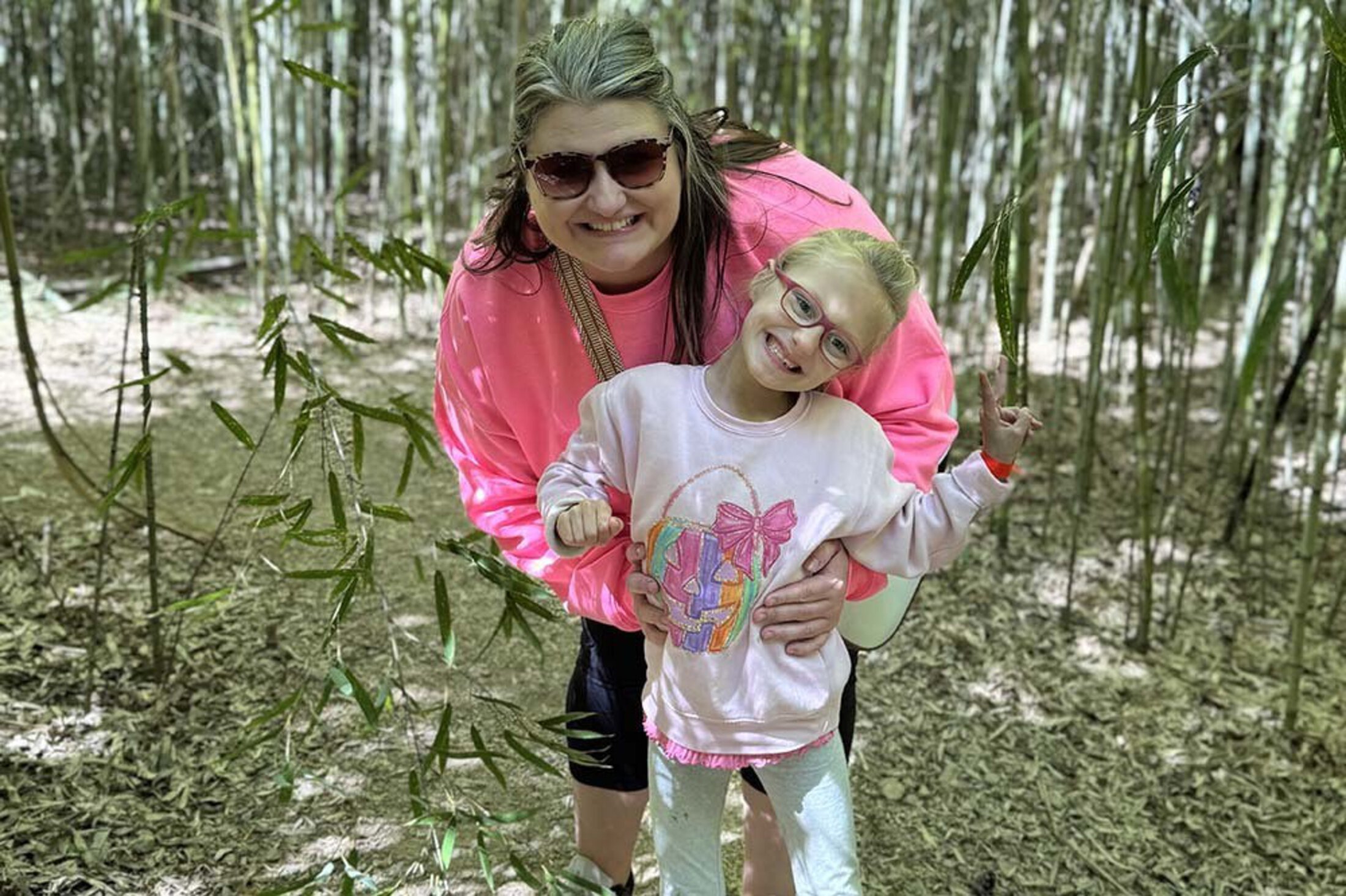
Miranda Watts doesn’t set weight loss goals in terms of numbers on a scale. She focuses on things she wants to be able to do – like go down a water slide at Disney World with her daughter.
“We went to Disney back in April, and she wanted to go down a really tall water slide. I mean, she's a tall 6-year-old but still was not big enough to go down it by herself. And we didn't go because mommy did not feel comfortable. So going down a water slide is the goal.”
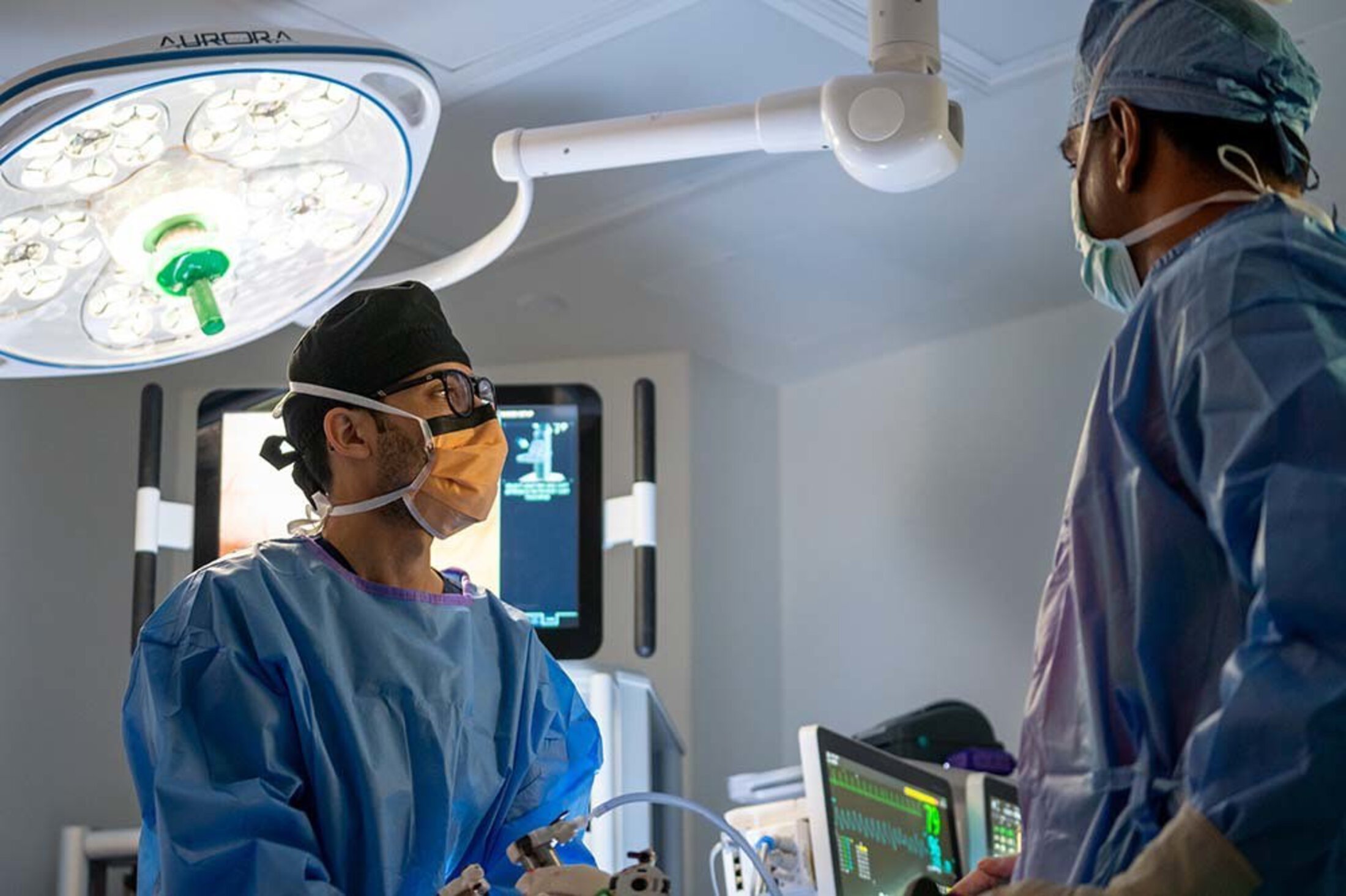
Altiti was pleased to expand MUSC Health’s bariatric surgery options in the Lancaster area so patients don’t have to drive to Charleston for their procedures. More than a third of South Carolinians are obese, according to the Department of Public Health.
Altiti said those South Carolinians need help, not criticism. “Obesity is a chronic disease. There are a lot of comorbidities associated with it and a lot of physical limitations. They can't move well. It can affect their ability to socialize, and it can have a huge effect on their overall health.”
While he called the risk of complications from weight loss surgery “very minimal,” it includes blood clots, stomach leaks, wound infections, a blocked gut and gallstones.
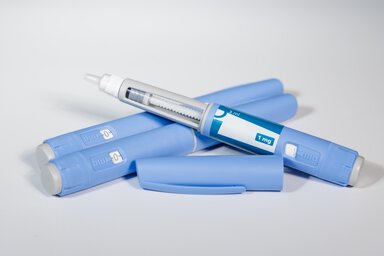
The expansion of MUSC Health’s bariatric surgery program into the Lancaster area adds to a growing number of weight loss options. They include weight loss drugs such as Wegovy and Zepbound. Watts gave them a try before deciding on surgery.
“GLP-1s worked fine, but once you come off it, it's hard. And they're expensive. Yes, surgery can be expensive, but it's an expense that’s all up front. It's not a thousand dollars a month for a medication. That's a lot for people to maintain.”
Some insurance plans cover weight loss drugs and/or weight loss surgery.
People who have weight loss surgery in Lancaster will soon have a support group, Watts said. “The surgery is not a quick fix. You're going to have some physical limitations, but mentally, it's hard. Say you go to a family cookout; you're going to want that cheeseburger and that hot dog and that banana pudding. You may have a bite or two of it, so many weeks post-surgery. But you can't undo your progress. It's hard. You need people that relate.”
She knows plenty of people can relate to the idea of wanting to lose weight. She has some advice for them based on her personal experience and her role with the program. “Set goals that are not numerical goals. Do you want to fit into a pair of pants you wore three years ago? That could be your first goal. Do you want to be able to go to your child's game and sit in a comfortable chair and not the bleachers? Set small, realistic goals. That way, you do not feel overwhelmed and pressured.”
And Watts, who didn’t like the idea of being put to sleep for surgery but did it anyway, encouraged people to look at facts, not just fears. “Don't be scared. Sometimes, when it comes to down to your health, make the decision that you don't think you would typically make because it can provide a great outcome. It can give you a greater quality of life. And that's ultimately what you need. We all want to have a healthy, lasting life.”