
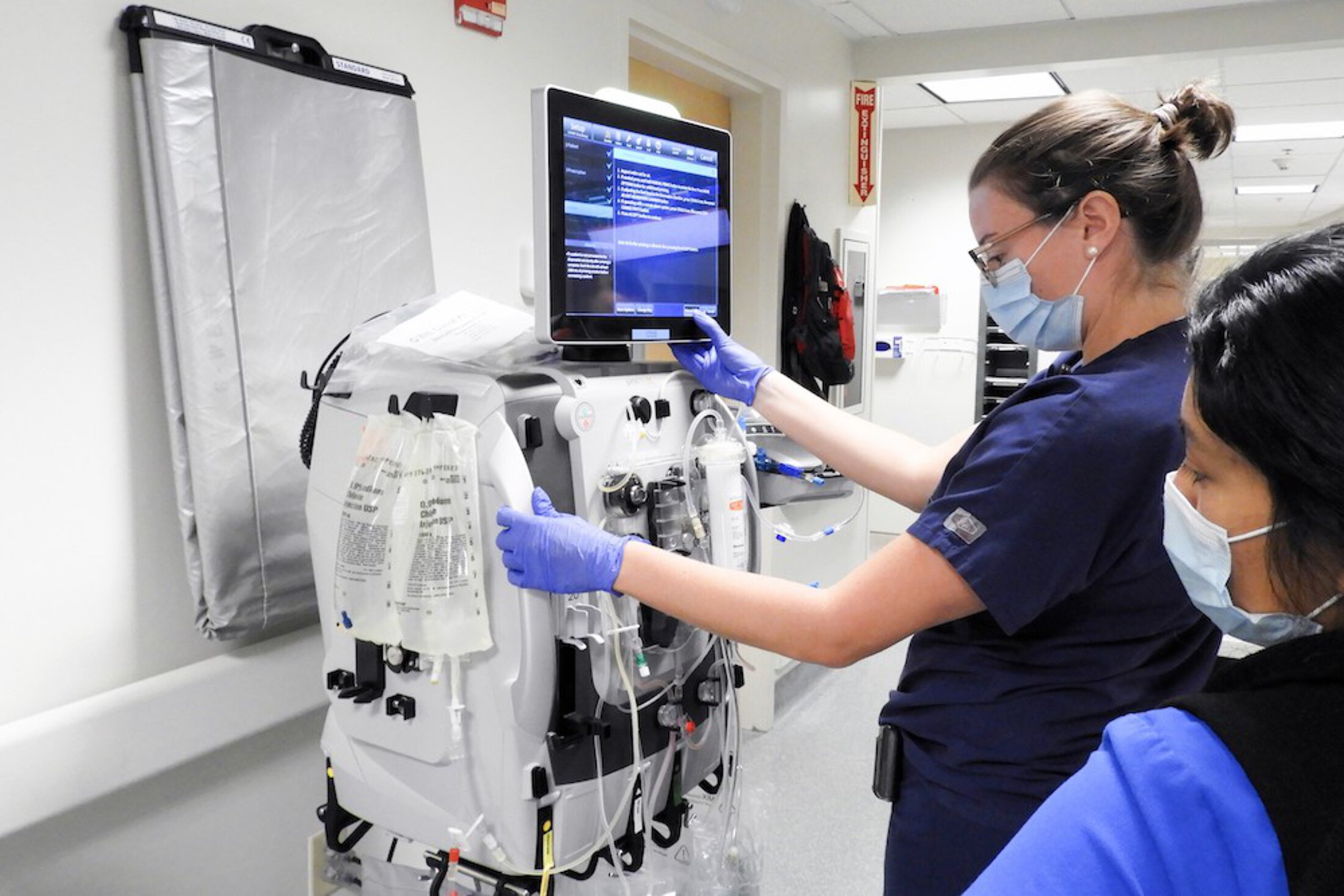
MUSC nephrologist Blaithin McMahon, Ph.D., MBBChr, cares for the sickest of the sick COVID-19 patients – those who have been admitted to the intensive care unit (ICU) with acute kidney injury (AKI).
Although some patients with COVID-19 and AKI develop a milder, treatable form of kidney failure, according to McMahon, others go on to develop severe disease and require kidney replacement therapy in the form of dialysis in the ICU.
“We now know there are two types of AKI seen in patients with COVID-19,” said McMahon.
“There is an initial AKI on admission that may respond to hydration with IV fluids. However, we have also been seeing a second wave of kidney failure occurring several days after the patient is admitted to the hospital with COVID. This second wave of AKI usually correlates with worsening respiratory failure and the need for mechanical intubation.”
The risks for COVID-19 patients who develop the second type of AKI are very real.
“Their risk of death is up to 70%,” said McMahon. “At the start of the pandemic, it was even higher, possibly up to 90%. Survival rates have improved with treatments, such as dexamethasone and antiviral therapies.”
"The beauty of this device is that it can be used to flip the profile of the cytokines from the current profile we see in patients. Instead of the detrimental stormy pattern that causes a lot of destruction, MSCs flip the cytokine profile to a repair pattern, which signals for regeneration and recovery that dampens down the storm.” -- Dr. Blaithin McMahon
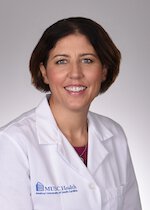
Dr. Blaithin McMahon
To better the odds for these patients, McMahon is leading the MUSC site of a trial testing the safety of SB-101, a novel plasmapheresis device developed by Sentien Biotechnologies of Lexington, Massachusetts, which delivers the healing properties of mesenchymal stem cells (MSCs) to them. McMahon joined MUSC Health from Johns Hopkins University, where she was a faculty member and principal investigator for an earlier version of the trial.
The South Carolina Clinical & Translational Research Institute assisted McMahon with opening the trial at MUSC and provided vital lab services around the clock.
Most patients with COVID-19 and severe AKI undergo continuous dialysis in the ICU because their kidneys can no longer do the job of filtering waste from their blood. Blood is run through a dialysis machine for cleaning before being returned to the patient.
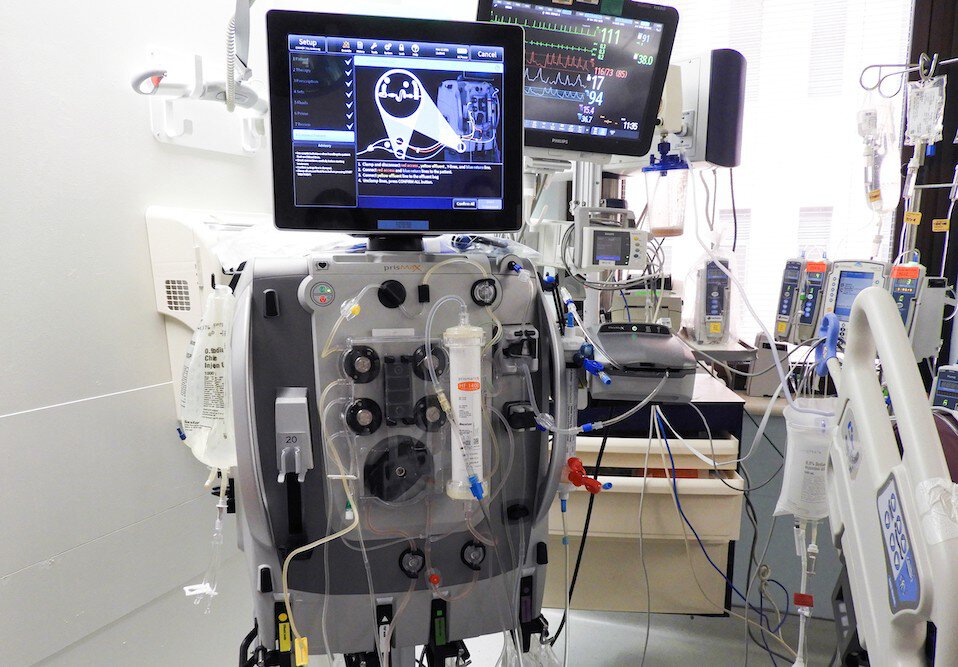
Baxter PrisMax dialysis machine set up in series with the SB-101 device, which will deliver the therapeutic molecules of mesenchymal stem cells into the blood while it is filtered through the dialysis machine. Photograph by Natalie Wilson.
SB101 is designed to allow MSCs to secrete their therapeutic molecules into the blood while it is filtered through the dialysis machine. The MSCs remain inside the device, but they release protective mediators (cytokines) into the blood before it is returned to the patient.
Cytokines send messages to regulate the immune system. The hope is that the cytokines secreted by the MSCs can dampen the excessive inflammatory response, or cytokine storm, that led to kidney failure and promote kidney recovery.
“The beauty of this device is that it can be used to flip the profile of the cytokines from the current profile we see in patients,” said McMahon. “Instead of the detrimental stormy pattern that causes a lot of destruction, MSCs flip the cytokine profile to a repair pattern, which signals for regeneration and recovery that dampens down the storm.”
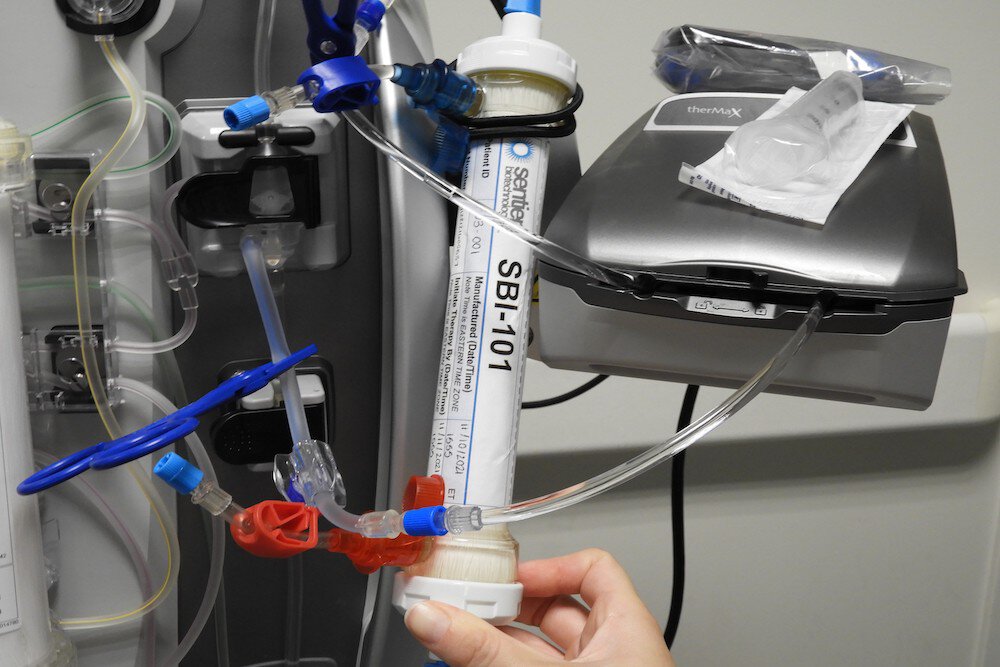
The novel plasmapheresis device, SB-101, can provide sustained delivery of mesenchymal stem cell products for 24 hours in patients with dialysis-requiring acute kidney injury and COVID-19. Photograph by Natalie Wilson.
Preclinical models have suggested the therapeutic potential of MSCs, and early clinical trials showed that they helped to repair damaged tissues. Unfortunately, the cells start to break down quickly after injection, limiting their clinical applicability.
“Up to now, all of the clinical studies using MSCs have focused on the injection of stem cells,” said McMahon. “Unfortunately, this hasn’t translated well into the clinical practice because most of the stem cells are undetectable after an hour.”
In contrast, the device being studied in this trial can provide sustained delivery of MSC products for 24 hours and beyond, according to McMahon.
The hope is that this more sustained delivery of cytokines with the “repair” profile will calm the cytokine storm that leads to kidney injury. Calming the cytokine storm could improve these patients’ chances of survival and potentially help them to recover enough kidney function to leave the ICU.
McMahon is grateful for the basic science research and industry collaboration that have made this trial possible.
“Trials like this require a huge input from industry. Our sponsor, Sentien, has spent many years developing this important technology,” said McMahon. “Such trials also rest on the backbone of decades of research into stem cells.”
Rachel Burge
Abney Graduate Fellow
Project: Discovering Mutant-selective KRAS Vulnerabilities to Develop Targeted Therapies for Pancreatic Cancer
Mentor: Aaron Hobbs, Ph.D.
In the human body, proteins work together to keep us healthy. We all have Deoxyribonucleic acid (DNA), a molecule that contains all the information necessary to build proteins. KRAS is an essential protein in all our cells, acting like the body's gas pedal to accelerate growth. In pancreatic cancer, the DNA sequence that codes for KRAS changes, resulting in a defective protein that accelerates the wrong cells. Each patient has different types of mutated KRAS, which look similar to healthy KRAS, making stopping the mutant protein difficult.
My research works by creating a screening system in pancreatic cells that places a red warning flag on proteins that are helping many of the different KRAS mutants. We can isolate and identify these flagged proteins and look for differences. This research will use these differences to develop more targeted therapies for each patient's specific mutation.
Julie Dickerson
Abney Graduate Fellow
Project: The Role of BRD4 in Regulating Interplay between Transcription and DNA Repair
Mentor: David Long, Ph.D.
BRD4 is a transcription protein that helps to turn our genes on and off, including several genes that can cause cancer if not correctly regulated. If there is too much BRD4, cancer-causing growth genes are turned on and allow the cells to grow out of control. Our lab recently discovered that BRD4 is also helping our cells repair broken DNA by bringing other repair proteins to the right spot. Another way cancer develops is when cells can’t fix damaged DNA, so BRD4 is tied to cancer through this function as well.
Because BRD4 has two very important roles in the cell, we want to know how BRD4 switches between its two jobs to avoid conflicts and prevent cancer. We think that when DNA is damaged, BRD4 working as a transcription protein gets removed from DNA to turn off any genes that may be broken. It then switches jobs and goes back to the DNA in a repair role to help fix the damage. We hope to understand how BRD4 switches between its two roles and when this switch becomes important in cancer development.
Lena Golick
LOWVELO Graduate Fellow
Project: A Superantigen-based Immunotherapeutic for Pediatric Acute Myeloid Leukemia
Mentor: Nathan Dolloff, Ph.D.
Pediatric acute myeloid leukemia (pAML) treatment currently relies on conventional chemotherapy and novel treatments are desperately needed to improve survival outcomes. Our approach initiates an anti-AML immune response by targeting the CD33 glycoprotein, which is expressed in 90% of pAML cases, to MHC class II molecules on antigen presenting cells. The completion of this project will establish the potential of an innovative pediatric AML immunotherapy.
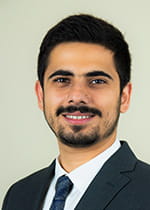
Mohamed Faisal Kassir
Abney Graduate Fellow
Project: Mitophagy and the Anti-tumor Activity of T-cells in Alzheimer's Disease
Mentor: Besim Ogretmen, Ph.D.
An interesting negative association has been identified between Alzheimer’s disease and cancer: in other words, people with Alzheimer’s disease are less likely to have cancer. In this study, we are exploring the role of immune cells known as T-cells in this negative association.
Specifically, this research will examine lipid signaling in mitochondria – the main powerhouses of the cells – as a driver of T-cell resistance to tumor incidence in Alzheimer’s disease. We hope that by understanding the metabolic and molecular mechanisms driving the protection of Alzheimer’s patients against cancer, we can translate these findings to cancer patients at large to potentiate their anti-tumor immunity.
2022 Awardees
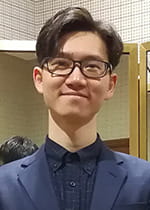
Baicheng Lin
HCC Abney Fellow
Project: Investigating PRMT4/BRD4 Inhibition in Combination Anti-Cancer Therapy
Mentor: David Long, Ph.D.
Many cancers are sensitive to DNA damage, which is why radiotherapy and chemotherapy apply for many anti-cancer treatments. To identify new therapies and improve the efficacy of existing therapies, many new agents have been developed that target DNA damage signaling and repair pathways.
Our lab recently discovered a new function for BRD4 in the regulatory mechanism of Homologous Recombination (HR) repair. BRD4 plays a direct role in HR repair by recruiting important proteins to damage sites. Dr. Gan found BRD4 is a substrate of PRMT4 and showed that BRD4 methylation is required for the binding of BRD4 to DNA.
We hypothesize that methylation of BRD4 by PRMT4 is critical for BRD4 repair function. This study will explore the roles of PRMT4-mediated BRD4 methylation in DNA damage repair and develop new targeted therapies using BRD4-PRMT4 combination treatment.
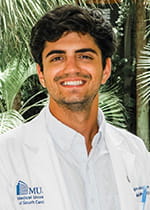
Nathaniel Oberholtzer
HCC Abney Fellow
Project: Hydrogen Sulfide Signaling in Anti-Tumor T-Cell Immuno-Metabolic Programming
Mentor: Shikhar Mehrotra, Ph.D.
My project focuses on enhancing the immune response to cancer cells by altering immune cell metabolism. Specifically, I am interested in the role that hydrogen sulfide, a gaseous signaling molecule, might play in promoting the anti-tumor immune response. Through these studies, we hope to better understand the complex interaction between the immune system and cancer and the metabolic factors that influence the ability of immune cells to control cancer growth.

Victoria Spadafora
HCC Abney Fellow
Project: Investigating the Role of Ceramides in Muscle Wasting in Pancreatic Cancer-Induced Cachexia
Mentor: Denis Guttridge, Ph.D.
Cachexia is a condition in which cancer patients lose a significant amount of weight over the course of their disease due predominantly to the loss of muscle mass. This condition can decrease a patient’s chance of survival but the mechanism behind this wasting is unknown. This research will investigate the role of ceramides and whether their regulation in skeletal muscle plays a role in the cachexia phenotype of pancreatic cancer patients.
2021 Awardees
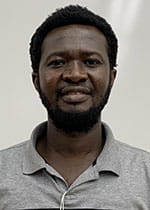
Charles Brobbey
HCC Abney Fellow
Project: Role of PRMT5 in ULK1-mediated Autophagy and Breast Cancer Therapy
Mentor: Wenjian Gan, Ph.D.
Protein arginine methyltransferases (PRMTs) are a family of proteins that methylate arginine residues of varied cellular substrates. PRMT5 is the predominant Type II PRMT whose overexpression negatively correlates with prognosis, survival, and severity of breast cancer, making it an important therapeutic target for breast cancer treatment. Despite the well-established anti-tumor effects of PRMT5 inhibitors, the exact mechanism of how PRMT5 inhibition suppresses cancer progression is largely unknown. This study will explore how PRMT5-mediated methylation of ULK1 suppresses autophagy and provide evidence to show that combining ULK1 and PRMT5 inhibitors will be a more potent breast cancer therapy than PRMT5 inhibitors alone.

Amanda Daulagala
HCC Abney Fellow
Project: Interaction of the Extracellular Matrix with the Cell-Cell Junction Associated RNAi Machinery in Colon Cancer Epithelial Cells
Mentor: Antonis Kourtidis, Ph.D.
Imagine trying to stay still on an expanding floor with your friends while holding hands. As the floor expands there would be more tension on the grip of the hands. If this is prolonged, then you lose your grip and start moving freely, just like cancer cells would do in the human body. Replace you and friends with epithelial cells in the colon, hands with cell-cell junctions, more specifically the Adherens Junctions, and the floor with the extracellular matrix (ECM). Fibrosis, a major precursor to colon cancer, introduces abnormal physical stress through extensive remodeling of the ECM, which is sensed by the Adherens Junctions, just like hands felt the tension while standing on the moving floor.
PLEKHA7 is a protein at the Adherens Junctions that helps maintain the epithelial integrity, or else the “grip,” between the cells. It also recruits a set of proteins that belong to a mechanism called RNA interference (RNAi) that regulates microRNA (miRNA) biogenesis and function. miRNAs control the overall expression of proteins and eventually cell behavior. Our project aims to examine how PLEKHA7 and its associated RNAi machinery respond to physical stresses by the ECM and whether this response, in turn, affects miRNAs, protein expression and pre-cancerous cell behavior.
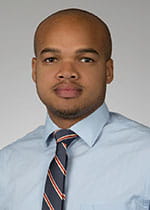
Kareem Heslop
HCC Abney Fellow
Project: Targeting VDAC to Modulate Warburg Metabolism in Hepatocarcinoma
Mentor: Eduardo Maldonado, Ph.D., DVM
We propose to design and validate compounds to increase mitochondrial metabolism and revert the pro-proliferative Warburg metabolism in cancer. This work aims to discover compounds that target the voltage dependent anion channel (VDAC). Located on the outer mitochondrial membrane, VDAC is responsible for the passage of respiratory substrates, ADP and PI, that fuel mitochondria. By targeting VDAC, we can control mitochondrial metabolism in cancer. Overall, this project is expected to lead to the development of new “metabolically” targeted chemotherapeutic agents to be used alone or in combination with conventional chemotherapy for different types of cancer.
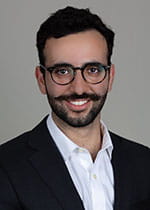
Joseph Karam
HCC Abney Fellow
Project: Elucidating the Mechanism of PCBP1 Regulated Transcription at Cancer Gene Promoters
Mentor: Philip H. Howe, Ph.D.
Our lab studies the changes that allow cancer cells to spread, or metastasize. When cancer spreads, it becomes much more difficult to treat. We work together to make discoveries that will lead to better treatments. In my project, I’m studying how a protein involved in metastasis binds to structures in DNA to regulate the expression of cancer genes.
2020 Awardees
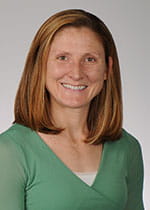
Stephanie Jones
HCC Abney Fellow
Project: Genetic Variants in Smoking Cessation and Relapse: A Longitudinal Study
Mentor: Bethany Wolf, Ph.D.
Genetics play a role in smoking cessation. This project aims to identify genetic variations associated with smoking cessation and the degree of relapse throughout adulthood. This research will improve understanding of the role of genetics in cessation failure and relapse throughout adulthood, which could guide the development of precision medicine cessation intervention approaches for cancer prevention and control.
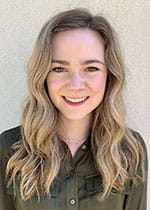
Julia Lefler
HCC Abney Fellow
Project: The Role of Fibroblast Signal Transducer and Activator of Transcription 3 (STAT3) in Shaping the Pancreatic Ductal Adenocarcinoma (PDAC) Immune Microenvironment
Mentor: Michael Ostrowski, Ph.D.
These studies highlight the importance of understanding how tumor cells communicate with their surrounding environment. With this strategy, we can find ways to block that communication to limit tumor growth. We hope to expand on our findings to ultimately discover new and improved strategies to treat PDAC.
Timothy Samec
HCC LOWVELO Fellow
Project: Novel Tandem Peptide Targeted Delivery of Small interfering RNA (siRNA) for RNA interference (RNAi) Therapeutics in Ovarian Cancer Treatment
Mentor: Angela Alexander-Bryant, Ph.D.
This work is focused on the development of an original peptide delivery system with the ability to selectively target ovarian cancer cells, avoid deterioration by natural pathways present within the cell, and effectively deliver therapeutic cargo to reduce expression of a gene responsible for ovarian cancer cell growth, proliferation, and invasion.
2019 Awardees
Ashley Howell
HCC Abney Fellow
Project: Investigation into Factors that May Affect Response to Immune Checkpoint Inhibitors in Elderly Patients with Melanoma
Mentor: Kristin Wallace, Ph.D.
Changes to the composition and function of the immune system occur naturally with age, which may affect an elderly patient's response to cancer immunotherapy. This research will utilize national data from the SEER cancer registry and the Medicare program to investigate the use of immune checkpoint inhibitors in elderly patients with advanced melanoma. Specifically, we will evaluate the impact of age and comorbidity burden on overall survival in older melanoma patients treated with checkpoint blockade therapy and determine whether the risk of experiencing immune-related adverse events increases with age.
Hannah Knochelmann
Project: Mechanisms of Enhanced Anti-Tumor Efficacy of Four-Day Expanded Th17 Cells for Adoptive Transfer
Mentor: Chrystal Paulos, Ph.D.
Generating personalized T cell products for cancer immunotherapy can take several months and is extremely expensive, which limits availability of this therapy and excludes many patients with aggressive malignancies. We recently developed a method where therapeutic T cells can be generated in only four days and now seek to understand their improved antitumor properties. These studies implicate new approaches to streamline T cell production, making this therapy more affordable and available worldwide.
Connor West
HCC Abney Fellow
Project: Determination of N-linked Glycosylation Changes in Hepatocellular Carcinoma and the Associated Glycoproteins for Enhanced Biomarker Discovery and Therapeutic Targets
Mentor: Richard Drake, Ph.D.
Our lab focuses primarily on sugar modifications to proteins known as glycans and how these glycans change with disease states. My research focuses on liver cancer, specifically hepatocellular carcinoma, and how these sugar structures change during disease progression. Previously, we have found that specific glycan changes occur more frequently and abundantly in cancerous tissue. From this, we hope to use these glycan structure changes and the proteins they are attached to as potential biomarkers for earlier detection of liver cancer, therefore improving survival rates and treatment options.
2018 Awardees
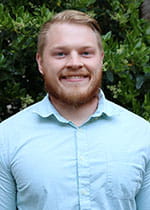
Bradley Krisanits
HCC Abney Fellow
Project: Advanced Glycation End-Products: Lifestyle Contributions to Prostate Cancer Disparity and Intervention
Mentor: David Turner, Ph.D.
The HCC fellowship will aid in the successful completion of a clinical trial investigating the benefits of lifestyle change on biomarkers of prostate cancer progression.
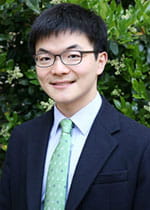
Hyunwoo (Tony) Kwon
HCC Abney Fellow
Project: Investigation of IFNg-IDO1-Tryptophan Transport Axis as the Molecular Basis for Bladder Cancer Sex Bias
Mentor: Zihai Li, M.D., Ph.D.
Males and females share robust differences in their susceptibility to various autoimmune and infectious diseases, emphasizing that sex is an important biological variable regulating the immune system. My research studies the potential implication of sex-based immunological differences on the pathogenesis of various malignancies.
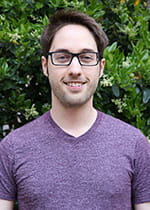
Steven Schutt
HCC Abney Fellow
Project: Fli-1: A Promising Therapeutic Target in Graft-versus-Host Disease and Leukemia
Mentor: Xue-Zhong Yu, M.D.
The protein Friend leukemia virus integration 1 (Fli-1) is responsible for development of Ewing's Sarcoma and certain types of leukemia, while also being associated with systemic lupus (SLE) in humans. This association led us to test if targeting Fli-1 in pre-clinical animal models would be beneficial for graft-versus-host disease (GVHD), where we indeed found that targeting Fli-1 using a genetic approach was able to prevent GVHD development.
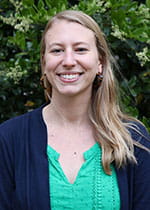
Aubrey Smith
HCC Abney Fellow
Project: Defining the Role of Toll-like Receptor Agonists in T Cell-based Immunotherapy
Mentor: Chrystal Paulos, Ph.D.
We recently discovered that Toll-like receptor 9 agonist, called CpG-ODN, dramatically augments the anti-tumor activity of adoptively transferred CD8+ T cells. This grant seeks to uncover the mechanisms underlining the effectiveness of this novel therapy. Our findings have the potential to revolutionize various forms of T cell-based therapies for cancer patients.
Recent Infectious Diseases stories