
Michael Sweat, Ph.D., a virus data tracker at the Medical University of South Carolina, is laser-focused on the flu right now. “The CDC national site has indicated we’re in a very high category,” he said, referring to the Centers for Disease Control and Prevention.
But he’s also keeping an eye on flu diagnosis data from MUSC Health Emergency Departments across the state. “We've been getting very high rates. But there’s been a dip.”
A dip in people coming to Emergency Departments with the flu. Does that mean flu season is winding down? “It just started happening and I'm not yet ready to call it,” Sweat said.
That’s because he saw the same thing last year – right before a surge in flu cases that peaked in late January and early February.
“With Christmas and then New Year’s, there's so much travel and visiting and indoor activities and touching those handrails on the escalator and getting on airplanes that it spreads a lot. It dropped just before Christmas last year and then went way higher. We had a very high increase,” Sweat said. “I think I think it's a wait and watch.”
Changing virus
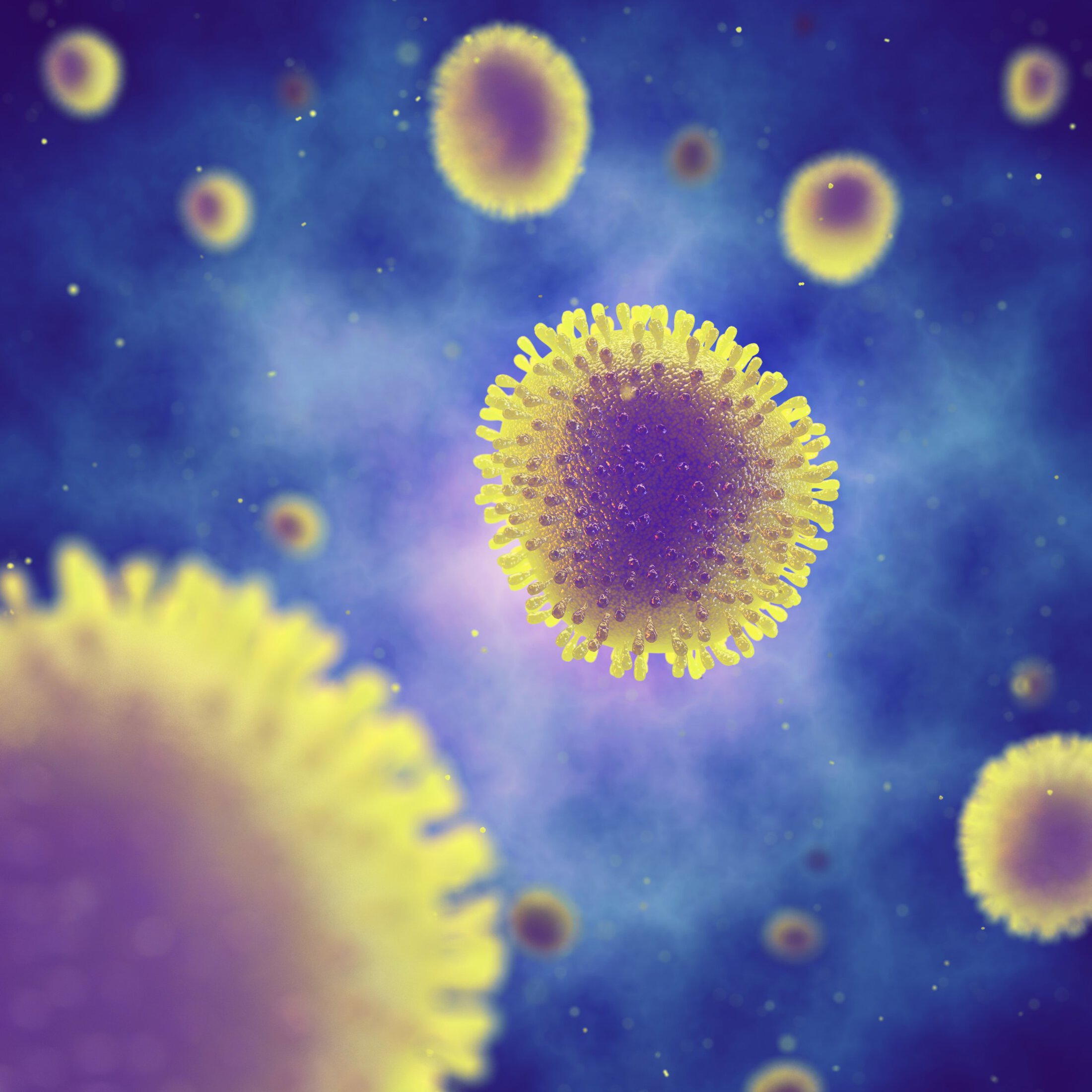
If there is another surge this season, it will be due to a virus that continues to change. “The flu virus mutates a lot,” Sweat said. “It can really vary from season to season.”
This season’s big difference involves a variant of influenza A known as subclade K. It’s become common in the United States after causing severe flu spikes in Japan, Canada and the United Kingdom.
“At first, people were saying that it didn't appear that this version of the flu was more virulent. But lately, I'm seeing reports saying that for older people, it was. It does seem to be making people pretty sick,” Sweat said.
Steps for now
So it’s worth trying to avoid getting the flu – or at least reducing the odds of getting really sick if you do come down with it. “Getting the flu can be a miserable experience. And people die from the flu. In a bad flu season, you'll have 50,000 to 75,000 people die from the flu.”
Sweat said vaccination and good hand hygiene can help lower your risk.
“It's not too late to get a flu shot. It takes about two weeks for your body to fully develop immunity. The season’s ongoing. Last year, we saw elevated rates all the way into March.”
Even if the vaccine isn’t a perfect match for the new variant, experts say it can reduce the risks of severe illness, hospitalization and death.
And try to keep your hands clean, Sweat said. “It's really mostly surfaces you need to keep in mind. You know, people sneeze and touch the hand railing on the escalator. And then you touch it and touch your nose. Or somebody sneezes on you. During peak periods, it's probably smart to wash your hands when you come in from doing stuff.”
Other ways to try to prevent the spread of flu, according to the CDC:
-Avoid close contact with people who are sick.
-Stay home if you’re sick.
-Cover your mouth and nose when coughing and sneezing.
-Avoid touching your eyes, nose and mouth.
-Improve air quality through fresh outside air and/or purifying indoor air.
MUSC tracking
You can also get the latest from Sweat and his respiratory virus tracking team on their project’s home page. The effort launched during the COVID-19 pandemic and evolved to track the flu and respiratory syncytial viruses as well. They update it weekly with information from MUSC Health, breaking down the data based on regions of the state.
“I'm really curious to see what we're going to see in the next couple of weeks,” Sweat said.