
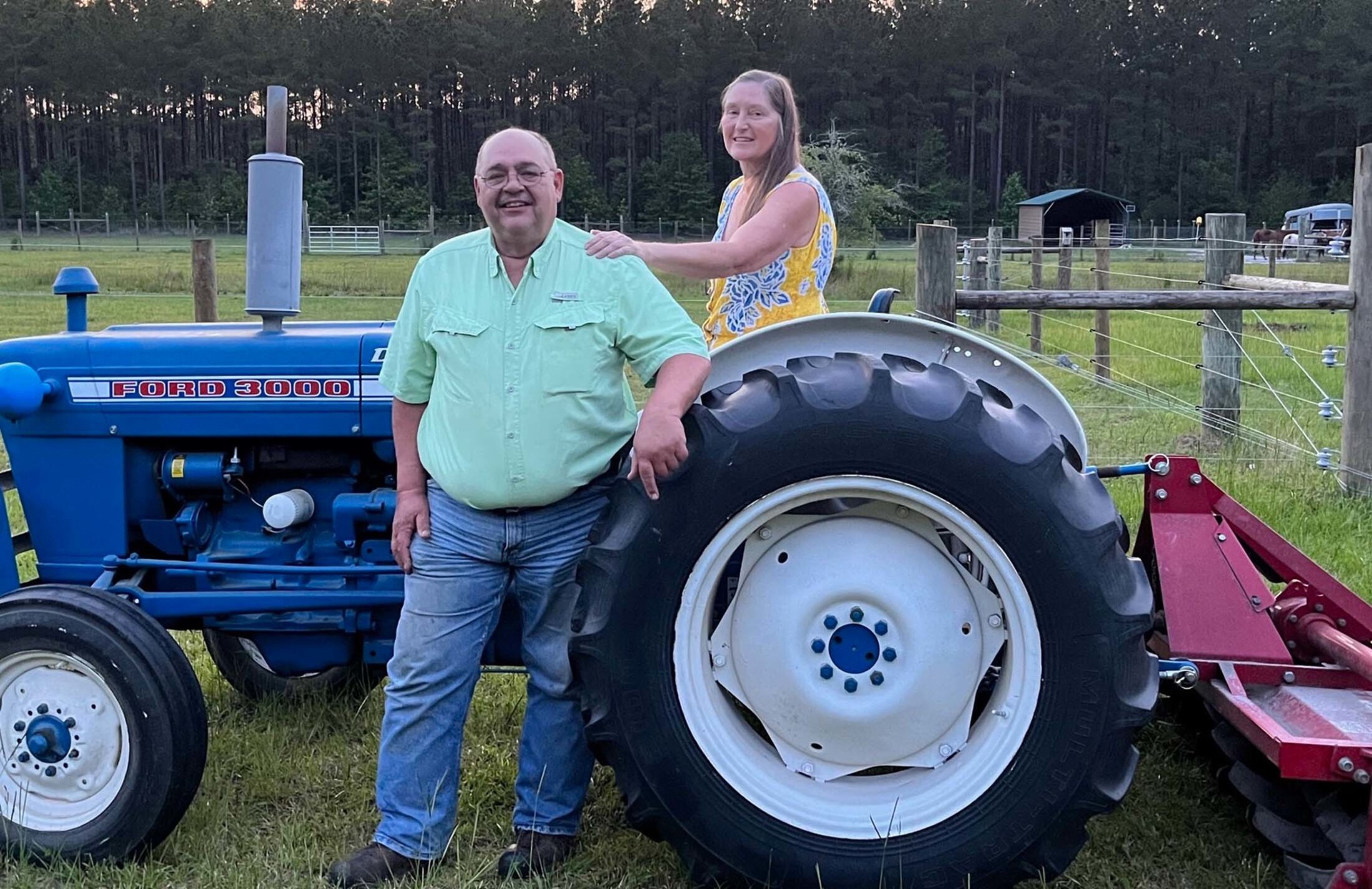
State Rep. Bill Hager and his wife, Elizabeth, love being outside on their horse farm in Hampton, South Carolina. But they don’t love something that happened there that triggered a dangerous reaction in him.
“I had a tick get up under my armpit, and I didn’t see it for a few days,” Bill Hager said. “I developed a rash like you get from Lyme disease. I went to my general practitioner. They put me on an antibiotic and took blood samples from me. That was on Tuesday. And by Friday, I didn't halfway know I was in the world.”
He later learned that his mental confusion was a symptom of what turned out to be Rocky Mountain spotted fever. And that wasn’t his only serious symptom. “It caused my immunity to be suppressed. And the cold sore virus got into my brain and created an encephalitis-type infection,” Hager said.
He was rushed to a local hospital. “They did some blood samples. I think they did an MRI or something. And so with the inflammation and everything going on in the brain, they put me in an ambulance on a Friday night at midnight, with blue lights going, headed y’all’s way,” Hager said, referring to MUSC Health in Charleston.
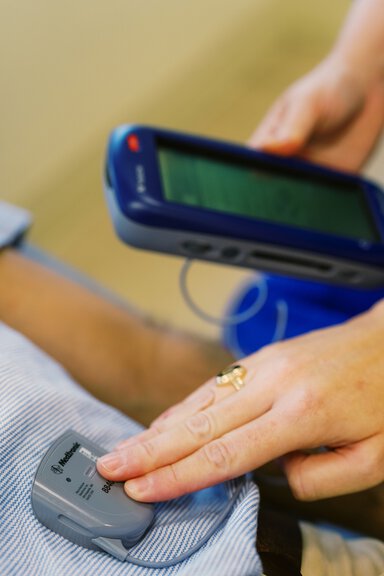
MUSC Health has infectious disease experts, neurologists, psychiatrists and other specialists who were able to help Hager. “I spent a week there. They put a PICC line in and put me on antivirals for a month. And my wife had to hook me up three times a day to the antiviral,” he said.
PICC stands for peripherally inserted central catheter. PICC lines are tubes that go into the arm, among other areas. They help doctors – and in Hager’s case, a trusted family member – give patients IV drugs.
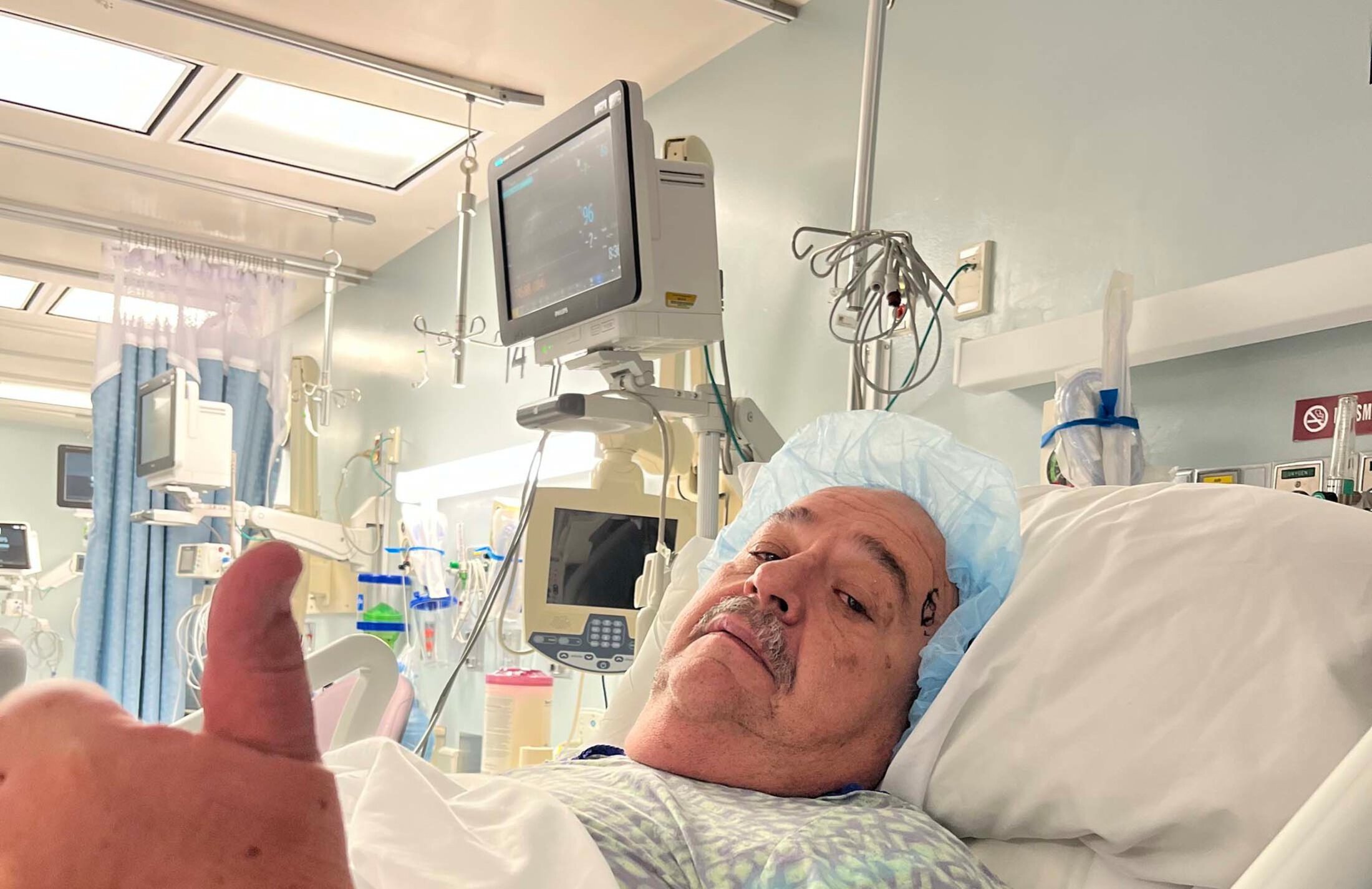
But the trouble wasn’t over. “We did that for a month. Toward the end of the month, I think I had four doses of medicine left. I developed an autoimmune reaction. My legs turned red, beet red, like I had a skin issue. And they thought it was probably an autoimmune reaction,” Hager said.
“So I went back to the hospital and spent another week up there. They could see the antivirals had not quite cleared the virus. So they put me on some heavy doses there in the hospital for a week. And at the end of the week, things had cleared up, and everything was good. And so then they wanted me to stay in Charleston, put me in rehab at MUSC for a week, just to watch me to make sure everything was okay.”
It was. Looking back, Hager thinks he picked up the tick when he was dragging limbs at his farm, working in high grass and in the woods. “The tick got up under my arm there, where I didn't see it. I thought it was a skin tag.”
Stephen Thacker, M.D., an infectious diseases specialist at MUSC Children’s Health, said that, fortunately, most people who get a tick bite don’t get sick. “The best thing to do is when you're going to be in areas that are wooded or have high grass, make sure that you’re using approved insect repellents. Oftentimes, they contain things like DEET or picaridin or permethrin,” Thacker recommended.
“We really encourage folks to be tick smart and wear long pants and long-sleeve shirts when they're in these areas, if they can. It's always good to tuck your pants into your socks when you're hiking. Might not look the coolest, but it's a good way to prevent ticks from latching on as you're moving through high-risk areas.”
It’s serious business. The Centers for Disease Control and Prevention reports that Rocky Mountain spotted fever “is a rapidly progressive disease, and without early administration of doxycycline, it can be fatal within days.”
Early symptoms include fever, headache, nausea, vomiting, difficulty eating, abdominal pain, muscle pain, rash and swelling around the eyes and on the back of the hands. Later symptoms include altered mental status, like Hager experienced, also coma, brain swelling, respiratory trouble, damage to skin and soft tissues and even multisystem organ damage.
Hager is grateful that he got help in time. “They told me, ‘You just missed a bullet.’ So I figured God's got something else for me to do because he got it stopped before I had any kind of damage.”

Helen Adams
Recent MUSC News stories