
MUSC Health is working to expand access to monoclonal antibody infusions to treat COVID-19 after seeing good results in the first batch of patients in late 2020.
Two monoclonal antibody treatments, bamlanivimab by Eli Lilly and a combination drug by Regeneron, received emergency use authorization from the U.S. Food and Drug Administration in November 2020. Early studies showed that high-risk patients with COVID-19 who received the monoclonal antibodies were less likely to be hospitalized than high-risk patients who received a placebo.
Vanessa Diaz, M.D., medical director for Care Coordination for the MUSC Health Primary Care Integrated Center of Clinical Excellence, said those good results are showing up here, as well. Through last week, 124 patients had received one of the infusions, and only 2.3% of those patients had to be hospitalized.
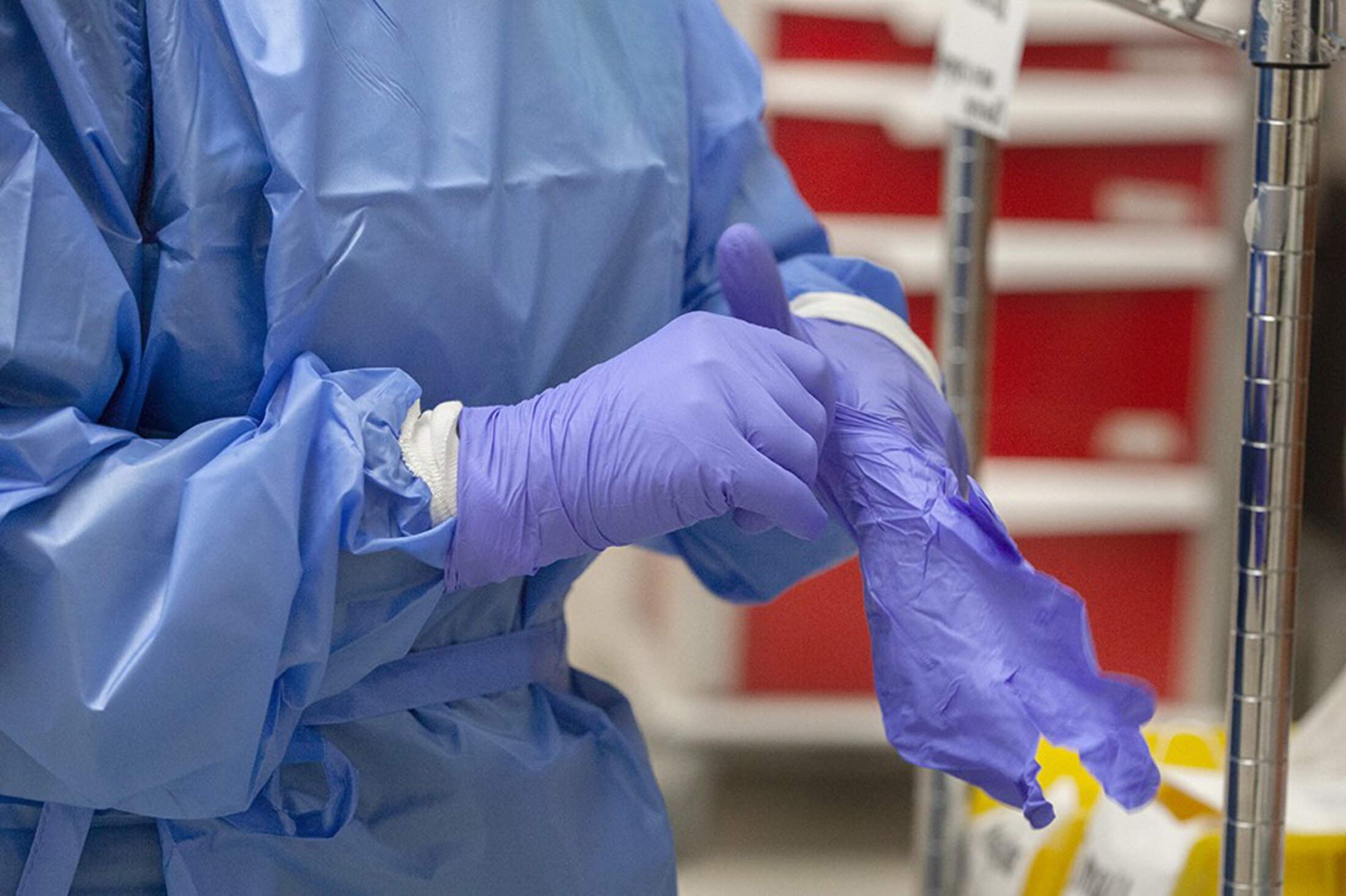
The treatment is a three-hour process that involves an IV infusion and then an observation period of one hour in the event of severe side effects. So far, MUSC Health patients have experienced only minor side effects, like dizziness or nausea, Diaz said.
Because the treatment is so time-intensive – and, of course, the COVID-positive patients must be isolated from other patients – at this time, the West Ashley drive-through testing site is the only place in Charleston where MUSC Health is offering the monoclonal antibodies. However, MUSC Health Florence has also been offering the treatment – infusing more than 154 patients in December and January – and MUSC Health Lancaster began offering the treatment this week.
“I think we’re going to keep looking at strategies to improve our ability to provide the medication to the community,” Diaz said.
MUSC Health now has a website that community health providers can use to refer patients who they think qualify for the treatment.
The health system has also started receiving more doses. At first, the West Ashley site could treat four patients per day, but it now can treat 14 patients per day.
Diaz emphasized the time element in this treatment. The monoclonal antibodies must be infused within 10 days of symptom onset – and preferably even sooner. Because people might wait a few days after feeling ill to get tested, and then test results may take a few days to return, otherwise eligible patients are at risk of missing the 10-day window in which to be treated. It’s critical that people get tested as soon as they begin to feel symptoms, she said.
People who are eligible for the monoclonal antibody treatment include people over the age of 65, people over the age of 55 with underlying conditions like cardiovascular disease, adults with chronic kidney disease or diabetes or people with a body mass index greater than 35.
The treatment cannot be used for people once they’re hospitalized. However, in an update to the guidelines, people who have been hospitalized for observation only and did not receive oxygen are now eligible for the monoclonal antibodies, Diaz said.
Diaz said they’re seeing good results across the board, regardless of race, age, gender or comorbidities.
However, people who receive this treatment should delay getting a COVID-19 vaccine for at least 90 days. The lab-created monoclonal antibodies will fight the existing COVID-19 infection, but they won’t prompt the body to create its own antibodies, and their presence in the bloodstream could dampen the body’s response to the vaccine.
“We do think that having the outside antibodies would attenuate your response to the vaccine, so you wouldn’t get as good an immunity from it,” she said.
Symptoms of COVID-19:
- Fever or chills.
- Cough.
- Shortness of breath or difficulty breathing.
- Fatigue.
- Muscle or body aches.
- Headache.
- New loss of taste or smell.
- Sore throat.
- Congestion or runny nose.
- Nausea or vomiting.
- Diarrhea.
Leslie Cantu
Senior Communications Manager
Leslie Cantu is the senior communications manager at MUSC Hollings Cancer Center, where she works with researchers, clinicians and patients to tell the people of South Carolina about the innovative work being done to improve cancer care for everyone in the state. She joined the MUSC Office of Communications and Marketing in 2018 after a career as an award-winning writer, editor and producer at community newspapers and local TV news. She transferred to the communications office at Hollings in 2022, where she happily finds something new and interesting to write about every day. Her favorite stories to cover at MUSC have included Match Day, the Angel Tree Parade, a clinical trial of CAR-T cell therapy and the many patients who have agreed to share their very personal struggles and triumphs.
Recent Infectious Diseases stories