
The need for efficient methods of screening and testing for COVID-19 is at an all-time high as communities have begun to lift their stay-at-home restrictions, and case numbers have started to spike. A team of MUSC researchers is developing a way to test individuals rapidly for immunity against the disease. The researchers hope they will have this technology ready for use in MUSC Health clinics in time for the second wave of COVID-19.
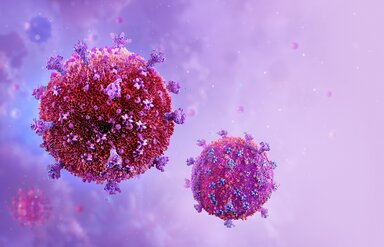
SARS-CoV-2, the virus that causes COVID-19, is covered in sugar molecules called glycans. These glycans can interact with the deep layer of glycans on our own cells and result in viral entry.
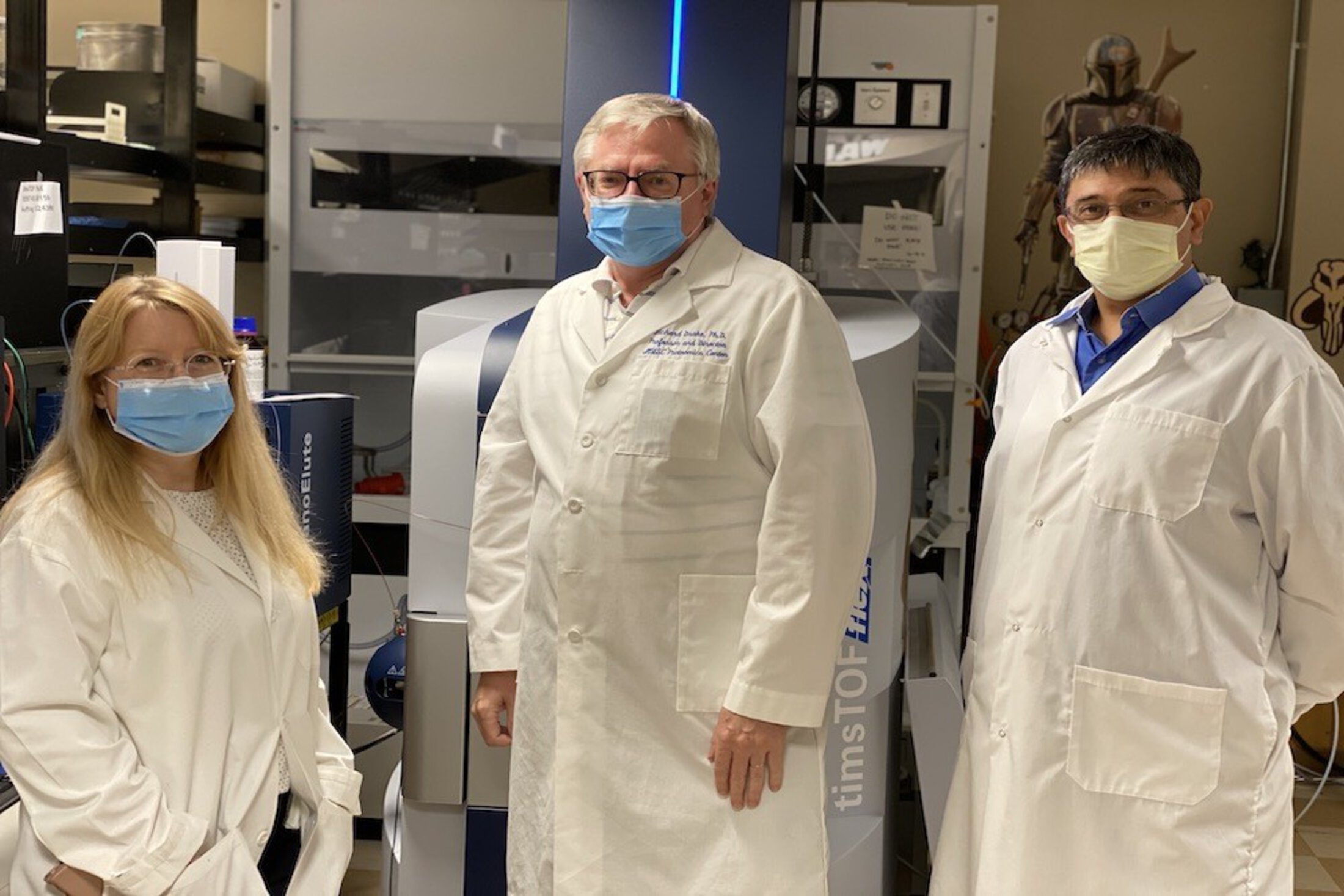
MUSC researchers Peggi Angel, Ph.D., Richard Drake, Ph.D., and Anand Mehta, D.Phil., with the Department of Cell and Molecular Pharmacology and Experimental Therapeutics, study sugars attached to proteins. Together, they founded the company GlycoPath, with the goal of generating clinical methods to study changes in glycans associated with various diseases.

Julia Lefler
HCC Abney Fellow
Project: The Role of Fibroblast Signal Transducer and Activator of Transcription 3 (STAT3) in Shaping the Pancreatic Ductal Adenocarcinoma (PDAC) Immune Microenvironment
Mentor: Michael Ostrowski, Ph.D.
These studies highlight the importance of understanding how tumor cells communicate with their surrounding environment. With this strategy, we can find ways to block that communication to limit tumor growth. We hope to expand on our findings to ultimately discover new and improved strategies to treat PDAC.