

Attitudes toward marijuana have veered from one extreme to the other in the past century – from the “Reefer Madness” scare films of the 1930s to a promise that marijuana can fix any ailment under the sun.
As more states move toward legalization or allowing medical marijuana, Kevin M. Gray, M.D., director of Child and Adolescent Psychiatry at MUSC, says the two sides of the debate are losing out on an opportunity for dialogue about a nuanced topic.
He’ll be opening up the dialogue during a Science Cafe forum Aug. 22 at Charleston Beer Works. The informal discussion is free and open to the public.
“It’s a complex topic, but what I’m wanting to model for people is the idea that you can be concerned about people who may be vulnerable to adverse effects of it, but at the same time, also be excited about compounds that can be derived from the cannabis plant that may be beneficial,” he said.
A child psychiatrist whose research concentrates on young people struggling with substance use disorders, Gray said his perspective is colored by his professional role. Although the popular narrative is that marijuana isn’t an addictive drug, it can indeed be addictive for a subset of the population, just as alcohol can be consumed by the majority without problem but is addictive for some.
About one in 11 adults and one in six adolescents who try marijuana will become addicted, he said.
“As a clinical provider, I’m concerned about that one in six or that one in 11. Those are the ones who come see me,” he said.
At the same time, there are exciting possibilities for using some of the ingredients sourced from the marijuana plant, called cannabinoids, to help people. Cannabidiol, also known as CBD, shows promise in helping to treat seizure disorders and reducing psychotic symptoms in people with schizophrenia, he said.
Gray will define terms like cannabis, cannabinoids, cannabidiol and endocannabinoid system – a physiologic system uncovered in the ‘90s. He’ll also talk about the differences between medicalization, decriminalization and legalization of marijuana. Various delivery methods, like smoking, vaporization or ingesting oral doses, may affect responses as well.
The nation is in the midst of a great naturalistic experiment, he said, and part of what makes it tricky for researchers to study is that each state has gone about things its own way.
As his focus is adolescents, his interest is in how legalizing marijuana for adults could affect adolescent use. He points to the longtime marketing of cigarettes, which for years used mascots like Joe Camel and branded candy cigarettes that appealed to young people and made smoking more alluring. Data so far is mixed on whether adolescents are more likely to use marijuana in states that have legalized it, but research shows adolescents’ perception of risk with cannabis use has decreased in the past decade, he said.
Yet marijuana use is most risky for adolescents because their brains are still developing.
“What we do know about the adolescent brain is if you expose it to addictive substances, you do increase the likelihood of addiction to other substances later on,” he said.
Still, the potential benefits to other groups should not be dismissed amid the known risks to adolescents, he said.
“I don’t propose to know the answer, but I can both be excited about the possibilities and medicinal applications but also be concerned about unintended consequences, particularly for young people,” Gray said.
Science Cafe is a monthly series featuring researchers from MUSC. Gray will present this month's topic, "Marijuana: What's in it for you?" Aug. 22 at 5:30 p.m. at Charleston Beer Works.
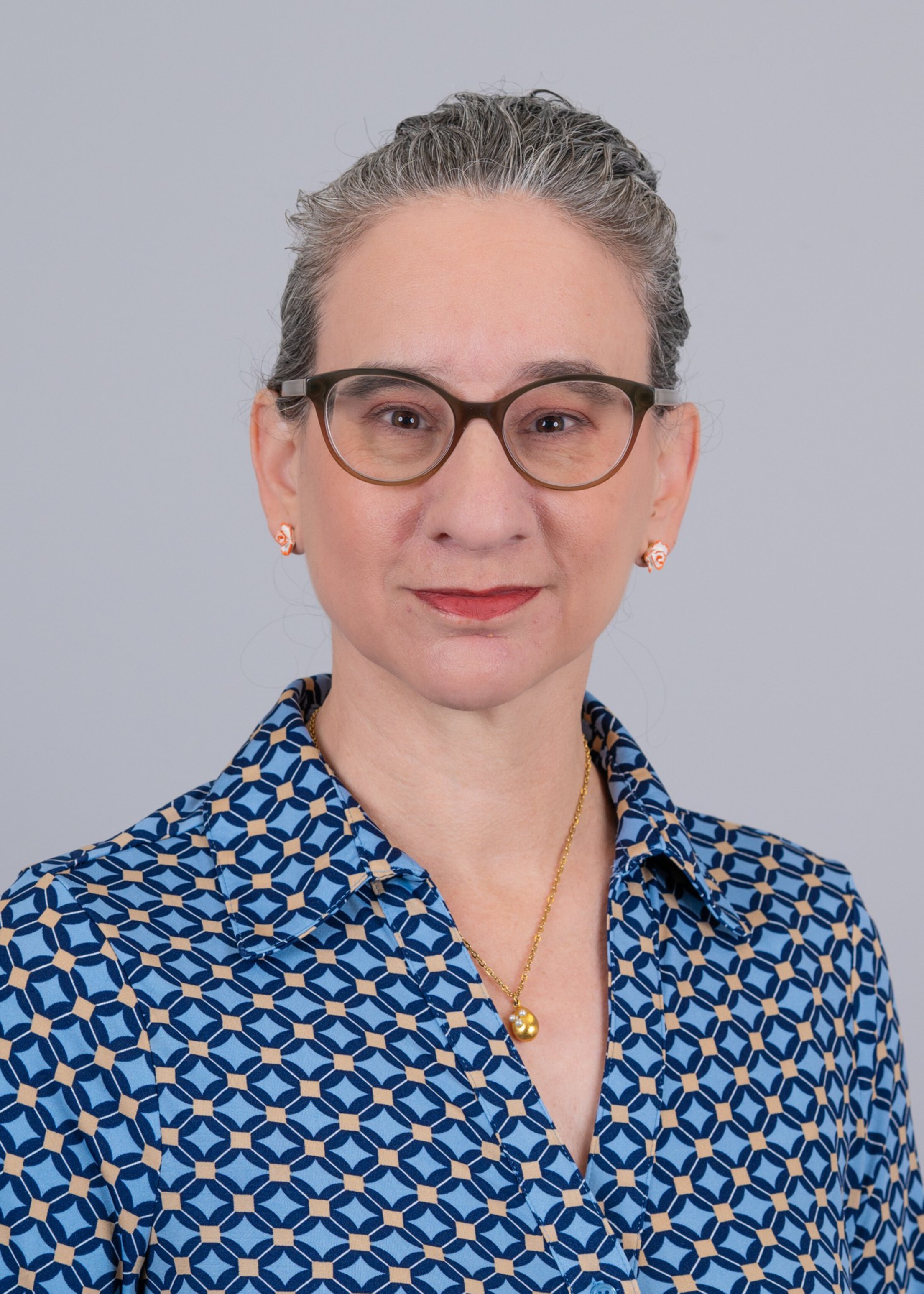
Leslie Cantu
Senior Communications Manager
Leslie Cantu is the senior communications manager at MUSC Hollings Cancer Center, where she works with researchers, clinicians and patients to tell the people of South Carolina about the innovative work being done to improve cancer care for everyone in the state. She joined the MUSC Office of Communications and Marketing in 2018 after a career as an award-winning writer, editor and producer at community newspapers and local TV news. She transferred to the communications office at Hollings in 2022, where she happily finds something new and interesting to write about every day. Her favorite stories to cover at MUSC have included Match Day, the Angel Tree Parade, a clinical trial of CAR-T cell therapy and the many patients who have agreed to share their very personal struggles and triumphs.
Recent stories