
It was a beautiful September morning.
Twenty-five years later, that detail remains remarkably vivid for several members of the MUSC Department of Public Safety, who on Sept 11, 2001, were serving in law enforcement in New York City.
“The bluest skies,” recalled Deputy Chief Stephen Espinoza, patrol commander for the DPS. Even now, he said, an unusually beautiful, dry, 70-degree day can take him immediately back. Sometimes he and colleague Lt. Bryan Wood, Emergency Management coordinator, will be walking along the Medical District Greenway, look up at the sky and remember how that September day began.
For Wood, Espinoza, Chief Patrick Kelly and others now serving at MUSC, what followed those blue skies would become an inflection point in their lives and careers – one that changed their understanding of what law enforcement officers might be called upon to do.
They couldn’t have known that morning that the lessons they learned through one of the darkest days in American history would follow them hundreds of miles south and, decades later, become part of their collective experience protecting the MUSC community.
But they have.
“Then we knew we were under attack”
Wood had already left the New York Police Department by Sept. 11 and was working for a New York state police agency. He was in Connecticut when the first plane struck the World Trade Center.
Like many people watching that morning, he initially thought it had been a terrible accident.
“When the second plane hit, then we knew we were under attack,” Wood said.
His agency sent him to Grand Central Terminal, which, he said, was considered the most likely terrorist target in the world at the time. After the terminal was secured, attention turned to what authorities believed would soon be an overwhelming number of injured people needing medical care.
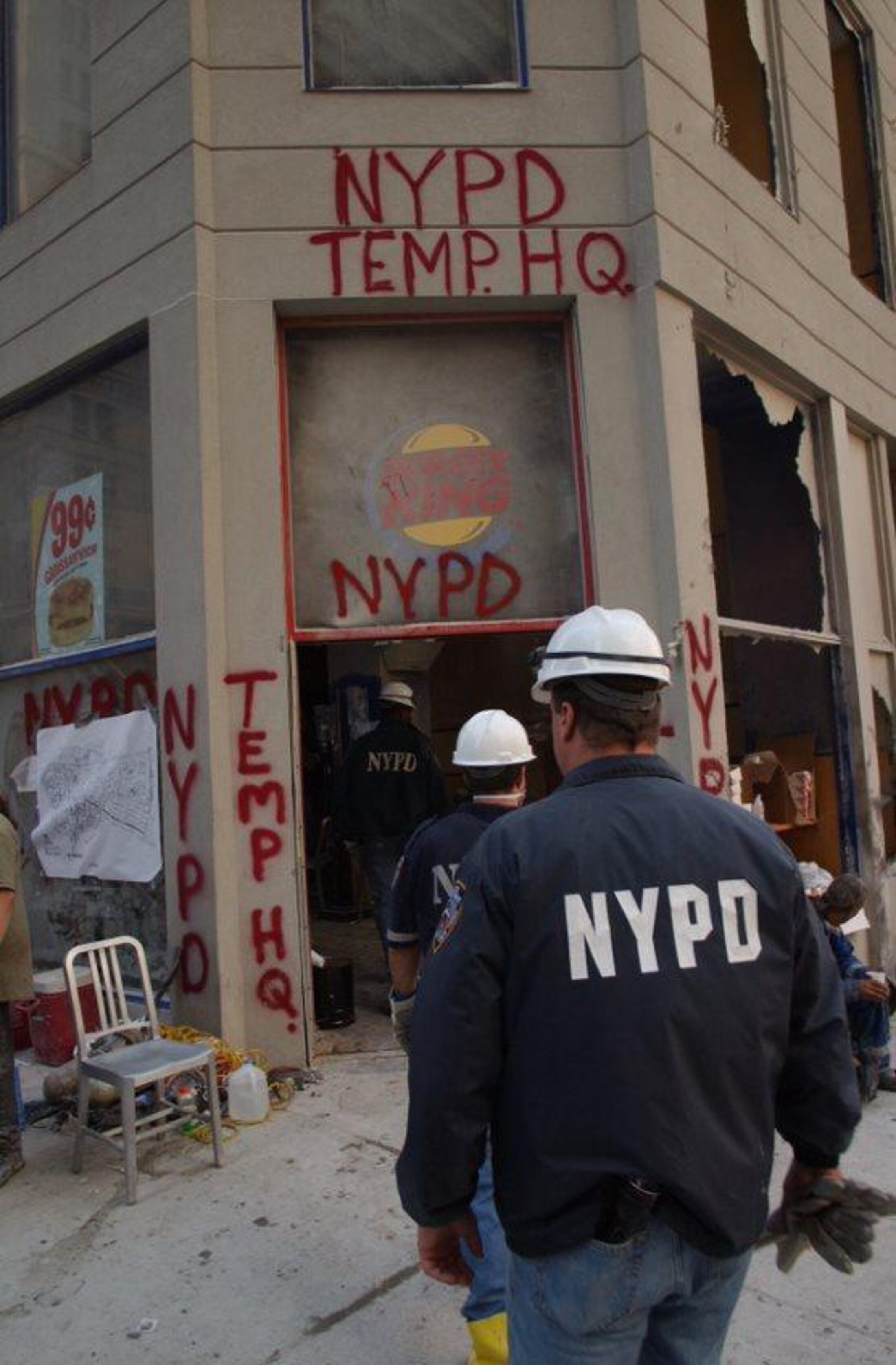
The plan was ambitious: shut down Grand Central Station.
No easy task.
Grand Central would become a massive triage site. Injured people would be brought there and placed aboard trains that could move them quickly north to hospitals along the rail corridor from Greenwich to New Haven, Connecticut.
Wood and others were dispatched to prepare triage areas at stations along the route.
By about 5 p.m., they were ready.
They waited for the injured.
Nobody came.
Consumed by the work of preparing for an influx of injured survivors – securing locations, standing up triage sites, positioning transportation – Wood and his colleagues hadn’t yet had time to comprehend the magnitude of what had happened downtown.
We were so busy, we had blindness about how horrific it was, basically.
“We were so busy,” Wood recalled, “we had blindness about how horrific it was, basically.”
As the hours passed, the absence of patients revealed something none of them had yet been able to comprehend: The anticipated number of injured survivors simply wasn’t there.
They understood what that meant.
“We kind of all just sat there in silence until about 12 o’clock that night,” Wood said. “We couldn’t grasp the incredible scale, the enormity.”
“I call it the longest day of my life.”
Going in when everyone else was coming out
Kelly was an NYPD sergeant scheduled for the evening shift. At home, he watched the first plane hit on television and, like Wood, initially assumed a small aircraft had accidentally struck the building.
Then the second plane hit.
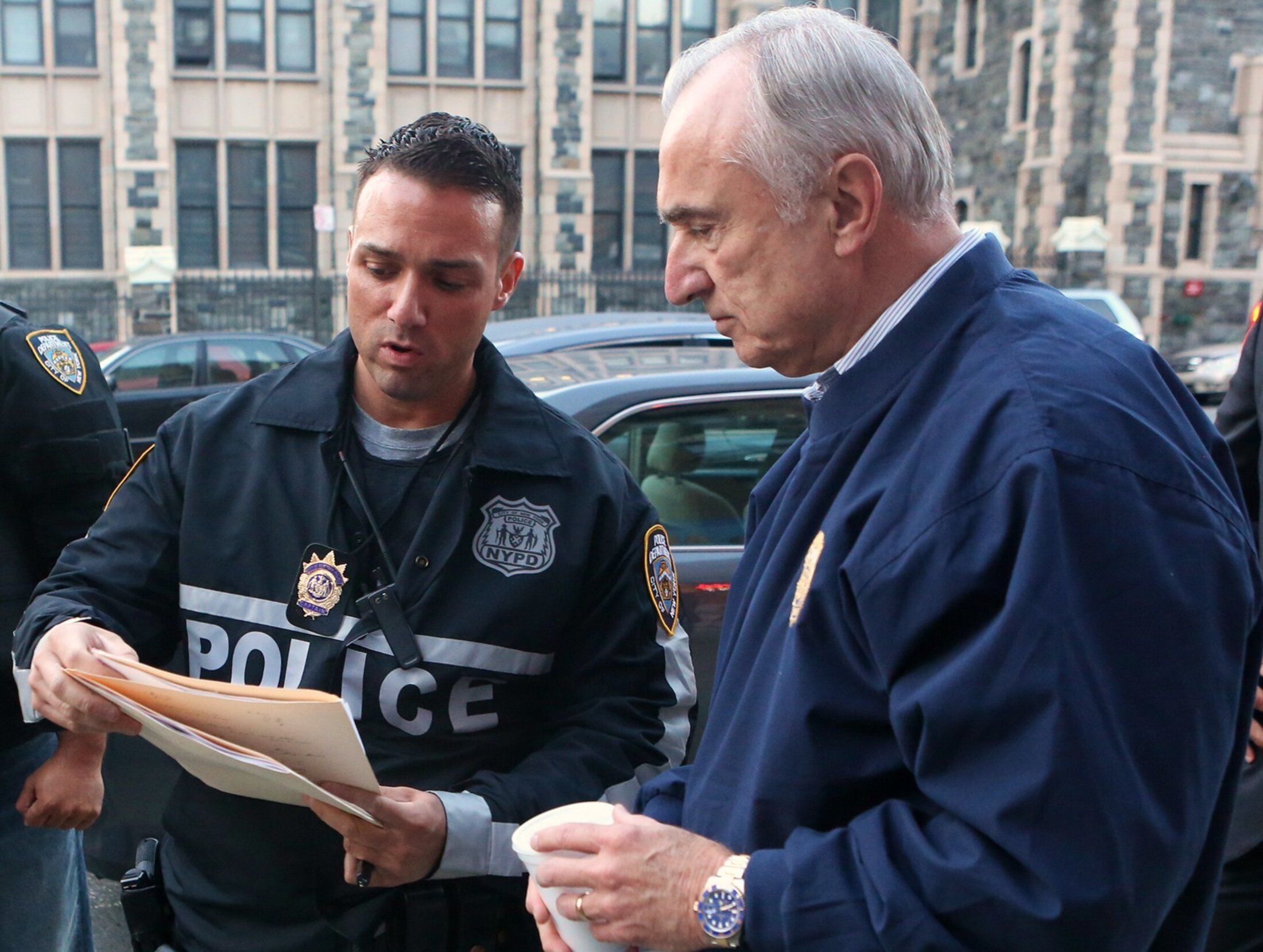
“All bets were off,” he said. “It was fast and furious. I knew I had to go in.”
Kelly lived about an hour and 20 minutes north of New York City. He gathered his things and headed toward Manhattan.
By the time he arrived, both towers had fallen.
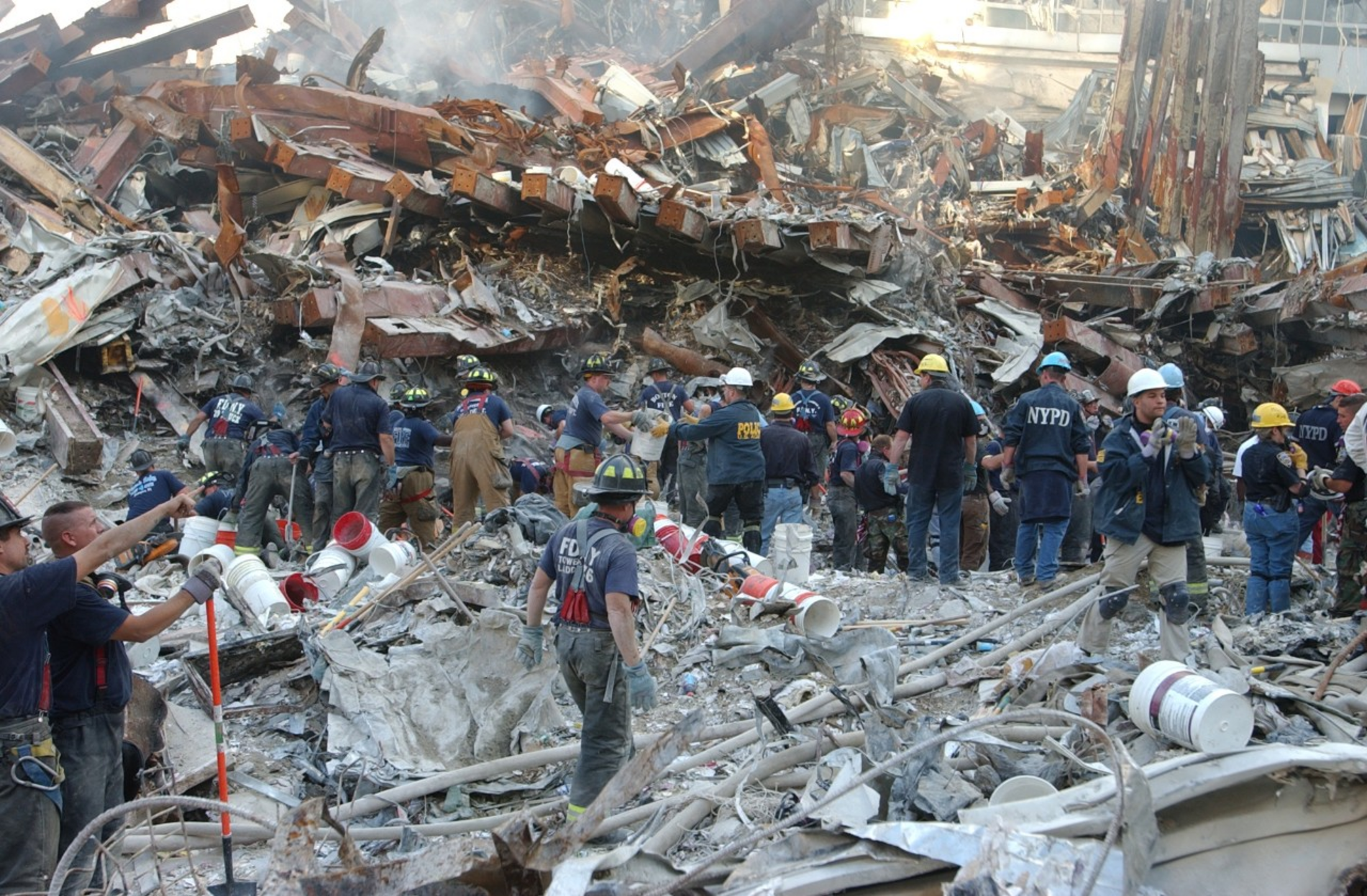
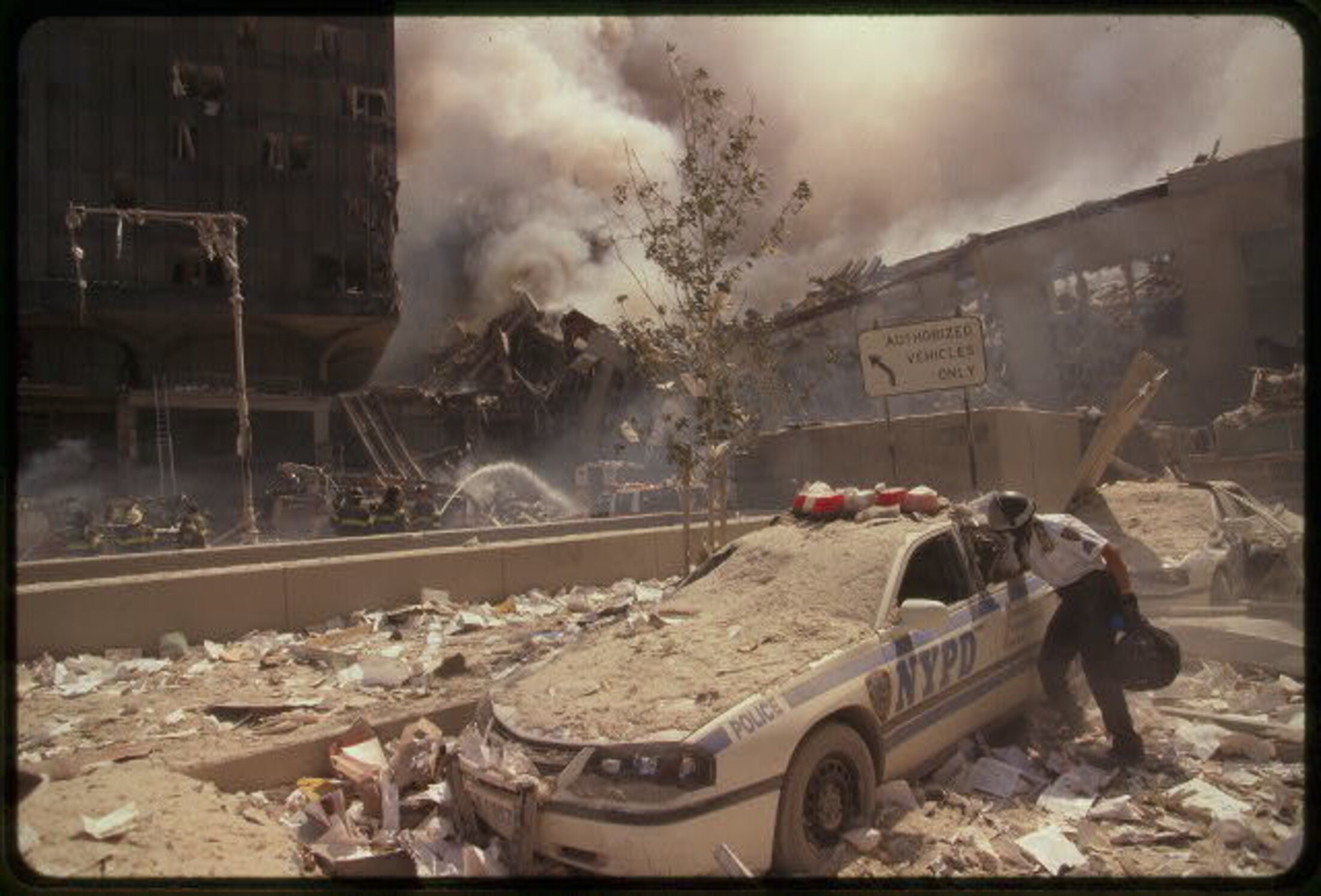
What he encountered was almost impossible to reconcile with the city he knew. Inches of soot covered the ground, he recalled, like freshly fallen snow. Fires roared from the pile. Pieces of the buildings’ facades rose from the wreckage.
But that wasn’t all Kelly saw. As other memories surfaced during the conversation, he stopped short of dwelling on the most difficult images. Some experiences, even 25 years later, require little description.
So he focused on the work.
Kelly joined others on the pile – the term rescue workers used for the massive 1.8-million-ton mountain of smoking rubble and twisted steel left at Ground Zero once the Twin Towers collapsed – passing buckets and doing whatever he could. The protective equipment during those earliest days was rudimentary at best – at first, paper masks that quickly became impossible to breathe through were all that stood between first responders and the fallout that soon became a toxic plume.
Everyone was hoping to find someone alive.
As the days passed, that hope diminished.
One moment remains particularly vivid. With concerns that another damaged building might collapse, air raid sirens sounded while Kelly was on the pile. Everyone ran.
“I’m like, ‘Oh, geez, not like this,’” he recalled thinking.
He ran several blocks.
Nothing happened.
So they returned.
“And then we all went back and did the same thing again.”
Kelly knew officers and firefighters who died that day. But those losses did not end in 2001. The attack had an afterlife. He and the others have watched as many died in the years since from illnesses associated with their work at Ground Zero.
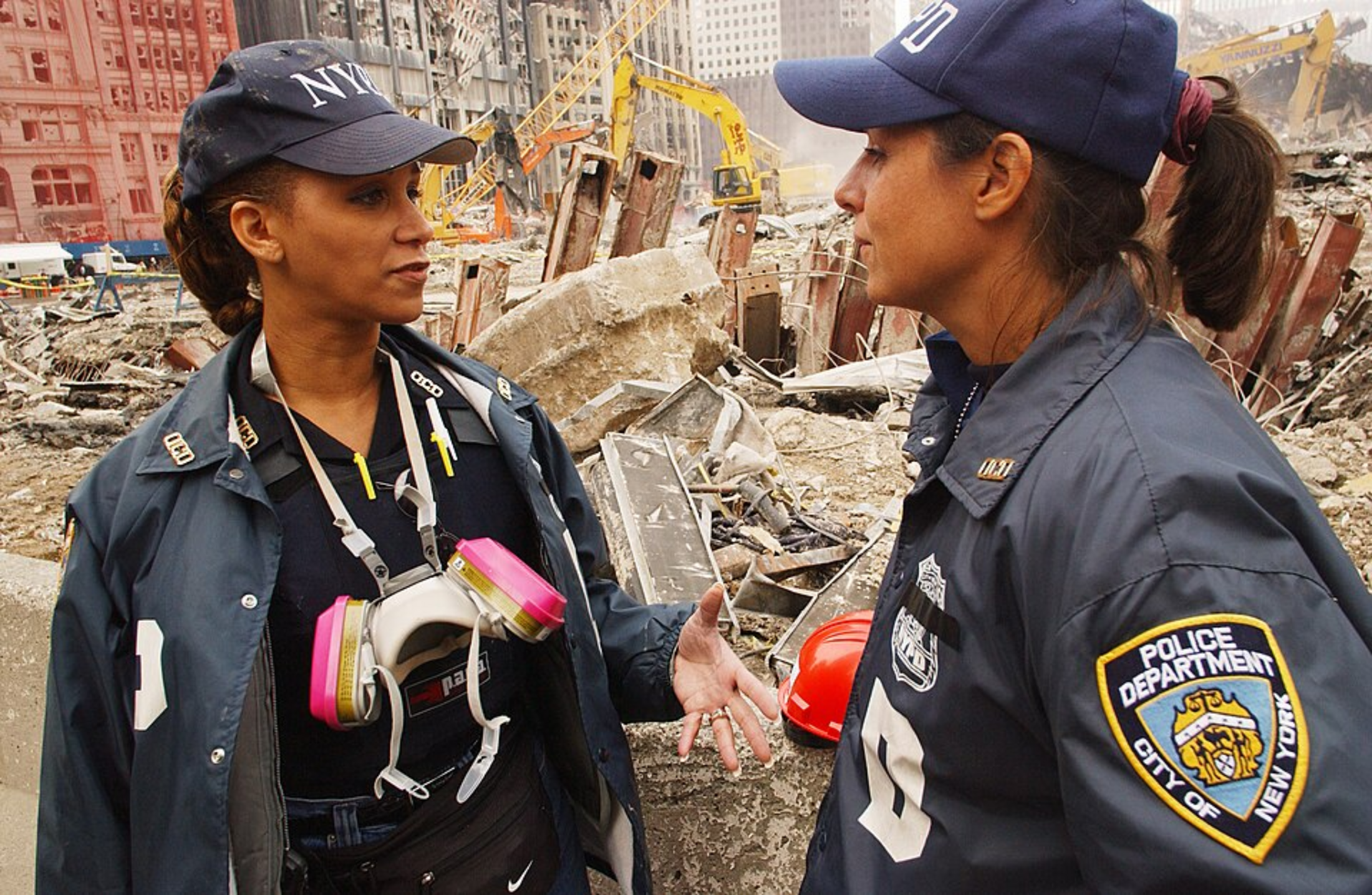
For years, he had no desire to return.
Only recently, during a trip to New York, did he go back to the site.
“It does rattle your cage again,” he said as his voice trailed off.
“The brain can’t process it”
For MUSC Public Safety Officer Rich Fuelling, there was no television screen separating him from what was happening.
He was already in Manhattan, working near Central Park.
Fuelling and his partner headed downtown and arrived within minutes. He vividly remembers chaos and debris in the streets. The horrific image of people falling and jumping from the burning towers remains etched in his mind.
“I don’t even know how to explain the enormity of it,” he said. “The brain can’t process it.”
Fuelling and his partner began helping firefighters carry hoses into a nearby building. Then something made him stop.
He told his partner he had a bad feeling. They weren’t firefighters, he said. They needed to get out.
Minutes later, standing directly across the street, they watched the first tower collapse.
Fuelling ran harder than he ever had in his life.
For a split second, he was certain he would die.
The force of the air nearly lifted him from the ground. He rounded a corner, pulled his shirt over his face and waited for the dust to settle.
Only blocks away was an elementary school. Fuelling remembers running inside to find crying children and frightened teachers behind locked doors, with no way of knowing whether debris from the collapse – or what might come next – would reach them.
The danger that day was impossible to contain. It had seeped into a neighborhood where parents believed their children would be safe to learn and play.
Twenty-five years have passed. The memory can still bring him to tears.
“It was horrific on all aspects,” he said.
A rookie learns what it means to care for your own
State security officer Mary Ann Andrews had been an NYPD officer for only about a year and a half.
Sept. 11 was supposed to be her day off.
After the attacks, she picked up her children from school, took them to her mother’s house and reported for duty. Little did she know she wouldn’t return home for a week.
She was first deployed to the Williamsburg Bridge, connecting Brooklyn and Manhattan, which had been closed to traffic. She remembers the people covered in soot crossing the bridge on foot and arriving at the precinct – and, most of all, their faces.
Shellshocked. Exhausted. Trying to make their way home.
Her responsibilities soon included receiving calls from people searching for missing family members. Then she opened a newspaper and among the photographs of missing officers, she saw a face she knew: Raymond Suarez, her cousin’s husband.
His body would not be recovered until months later.
Andrews was asked to serve as a liaison to his family.
She initially hesitated. She was a young officer, grieving herself, and unsure whether she was emotionally prepared. Her husband, also a police officer, reminded her that the family needed someone who understood both the job and them.
So she went.
She remained with the family for about a month and a half. The assignment eventually ended. What she carried away from it did not.
Not for 25 years.
“The best I’ve ever seen humanity”
Detective Doug Gellard remembers the chaos, darkness and the long hours and days that followed – 12-hour shifts that blurred together as the World Trade Center site continued to burn. His assignments included two days working at the pile, a place that remains difficult to talk about 25 years later.
“You know, those people that were there at the pile, they’re not here anymore.”
His daughter’s birthday was approaching, and as one long shift gave way to another, he began to wonder whether he would make it home for her party. In the midst of an event that had traumatized the country, there were still birthdays, children and families waiting at home. Gellard understood that for officers working around Ground Zero, home life would have to wait.
But what he chooses to remember most is something else.
Goodness.
You know, those people that were there at the pile, they’re not here anymore.
While doing traffic control near Ground Zero, Gellard watched ordinary people respond almost instantly to requests for supplies.
If word went out that workers needed socks, people arrived with socks. If they needed sneakers, trunks opened, and shoes appeared. When search dogs needed protective footwear, people brought that, too. It seemed they couldn’t do enough.
“That’s the best I’ve ever seen humanity,” Gellard said.
For a little while, he recalled, everybody simply wanted to help.
“And those little glimpses,” he said, “that’s actually one of the things that I just remember most, to be honest with you – is the goodness of people.”
Experience that can’t be taught
A quarter-century later, those individual experiences have converged in an unlikely place: the Public Safety Department at an academic health system in Charleston, South Carolina.
And the lessons extend well beyond Sept. 11.
Espinoza points to a career’s worth of extraordinary events – from 9/11 and Superstorm Sandy to civil unrest and COVID-19 – that taught officers how to respond when the scale of an emergency suddenly changes.
‘You can’t teach experience’ is a phrase in policing. You either have it, or you don’t.
The fundamentals remain the fundamentals, he said: access control, pedestrian control, site security. What changes is the magnitude.
“‘You can’t teach experience’ is a phrase in policing,” Espinoza said. “You either have it, or you don’t.”
At MUSC, he said, that experience is unusually concentrated. He estimated that nine former NYPD members now serve within the department.
The result isn’t an expectation that something catastrophic will happen. It’s confidence that if something does, there are people here who have spent their careers learning how to respond.
Kelly put it simply: “We train for the worst, pray for the best,” he said. “I think that’s a comfort for this campus community – that we’ve got a cadre of people here that are ready, that have done it and will step up time and time again.”
For Espinoza, Sept. 11 remains an “anchor point” in his career – a moment that changed his understanding of policing and what officers may someday be called to do.
Wood describes it another way. “It’s a day that reaches from the past and grabs us.”
Keeping the mission moving
That experience matters at MUSC in ways that may rarely be visible to the people it protects.
Hurricanes come. Roads flood. Emergencies unfold. And a University and health system responsible for patients, students, employees and visitors must continue operating.
Kelly said years of responding to unpredictable situations have taught the department to remain flexible.
“There’s almost no unknowns for us,” he said.
Espinoza calls the principle “operational continuity.”
“The train doesn’t stop just because something bad’s happening,” he said. “We’ve got to keep the machine moving.”
But perhaps the simplest explanation of MUSC Public Safety’s role is also the department’s motto: Let’s help someone today.
The train doesn’t stop just because something bad’s happening. We’ve got to keep the machine moving.
Espinoza said the department views its policing mission as supporting MUSC’s broader mission of helping people. On any given day, that might mean changing a tire. On another, it could mean making an arrest, responding to an emergency or remaining on campus throughout a hurricane.
“Without question,” Espinoza said, “we understand that that’s what the job is. That’s what we were called to do.”
And near the end of the conversation, Kelly offered perhaps the clearest explanation of why all of that experience matters here.
Somewhere at MUSC, he said, there may be people whose work will one day cure cancer.
“The last thing they really need to do is worry about their safety.”
That’s Public Safety’s job: creating an environment where others can focus on theirs.
And while their work requires them to look ahead – some memories inevitably look back.
It was a beautiful September morning.
An ordinary Tuesday.
People going to work.
Children going to school.
A daughter’s birthday party approaching.
And then – the unimaginable.
Twenty-five years after that beautiful September morning became what Wood calls “the longest day of my life,” the mission continues: help someone today – and make it possible for everyone else at MUSC to do the same.

Mikie Hayes
Mikie Hayes is director of writing services and enterprise copy editor at MUSC. A seasoned communications, crisis management and development professional, she has served as a trusted speechwriter to three MUSC presidents, numerous deans and department chairs. She has written and edited extensively for MUSC’s publications. She previously led a U.S.-based organization with global reach that worked closely with global media outlets and government partners worldwide, developing a range of complex strategies and specialized publications to support high-level initiatives. With experience spanning health care, scientific research, higher education and national and international security, she brings more than 35 years of experience in writing, editing, strategy and program development. An experienced public speaker, she has presented to audiences nationally and internationally.
Recent MUSC News stories