


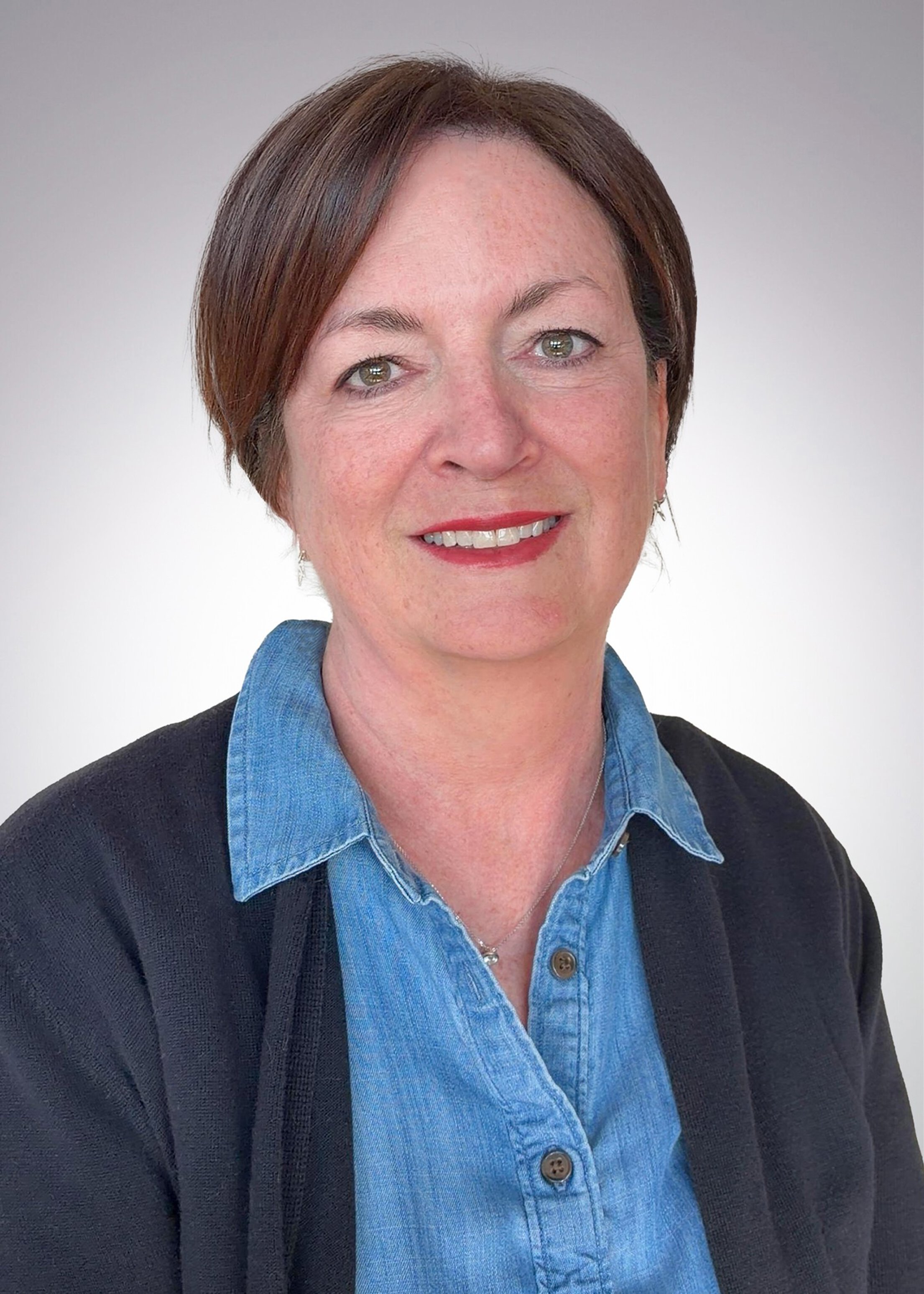
Neurologist Sonia Singh, M.D., specializes in caring for people with multiple sclerosis at MUSC Health, which has the state’s only comprehensive MS center. Since the actress Christina Applegate revealed that her MS diagnosis turned out to be inaccurate, some patients have contacted Singh with questions about their own cases.
They're aware that Applegate's neurological symptoms remain disabling as her medical team continues to investigate the cause. It’s a reminder, Singh said, that multiple sclerosis requires a careful initial diagnosis and ongoing consideration of whether the diagnosis continues to fit over time. “What's most important in my field is being very humble.”
With that in mind, Singh explores key questions in this Q&A.
Q: First, what is multiple sclerosis?
A: Multiple sclerosis is an immune-mediated disease of the central nervous system - the brain, spinal cord and optic nerves. In MS, the immune system mistakenly attacks myelin, the protective insulation around nerve fibers that helps electrical signals travel efficiently. This damage creates areas of injury, called lesions, that can disrupt communication within the nervous system and cause different symptoms, depending on their location.
The name means “multiple scars,” referring to areas of damage in the central nervous system. MS is a chronic disease. New lesions can develop over time, and damage to nerve fibers can contribute to lasting disability including difficulty moving about, trouble controlling urination and cognitive difficulties.
Medications called disease-modifying therapies can reduce relapses, or episodes of new or worsening symptoms, and decrease new lesions. Depending on the treatment and type of MS, they can also slow disability progression.
Q: How do you diagnose MS?
A: MS is a clinical diagnosis. There's no single blood test or single spinal fluid test that makes the diagnosis. You must fulfill specific diagnostic criteria called the McDonald Criteria.
MS experts around the world periodically revise those criteria as our understanding of the disease and our diagnostic tools improve. We've come a long way with imaging over the past 20 years. Our MRI technology is better, and we're able to identify characteristics of lesions that can help distinguish MS from other conditions.
The most recent iteration of the McDonald criteria for MS relies heavily on clinical history and imaging. You must establish that lesions occur in characteristic locations and have features consistent with MS. In some circumstances, the clinical presentation and imaging may be sufficient to establish the diagnosis. In others, patients undergo a lumbar puncture so we can analyze the spinal fluid for evidence of immune activity within the central nervous system.

It's a combination of things: the person's history, the type of neurological symptoms they've had, what the MRI looks like, and, when necessary, what the spinal fluid shows.
But there's an important caveat. Before diagnosing MS, you also have to consider whether another condition better explains the person's symptoms and findings.
Q: What would some of those other conditions be?
A: One of the most common reasons somebody comes to my clinic is because an MRI shows white spots in the brain, and they're worried about MS.
Often, those abnormalities are related to cerebral small vessel disease, which can occur in people with vascular risk factors such as high blood pressure, diabetes, high cholesterol or smoking. Changes involving small blood vessels in the brain can produce white spots on MRI that may sometimes be confused with MS lesions.
Misdiagnosis matters because a person who does not have MS could be exposed unnecessarily to medications and their associated risks.
Many symptoms that occur in MS, such as numbness, weakness, fatigue and vision changes, can also occur in other conditions like nutritional deficiencies, thyroid abnormalities and other autoimmune conditions. That's why symptoms alone aren't enough to make the diagnosis.
Misdiagnosis matters because a person who does not have MS could be exposed unnecessarily to medications and their associated risks.
Q: Can you talk about those risks?
A: MS medications have different risk profiles, and some can increase the risk of infection or have other important adverse effects such as impacts on liver function. They require appropriate monitoring.
We always have to evaluate the risk-benefit ratio. If somebody doesn't clearly have MS, the potential benefits of MS treatment may not outweigh those risks.
Q: What are some other reasons for misdiagnosis?
A: Migraine is one example. People with migraines can have neurological symptoms, including numbness, visual changes and, in some cases, weakness in association with headache. They may also have white spots on brain MRI. It's very important that neurologists take a careful history and consider other explanations for both the symptoms and the imaging findings.
Nutritional deficiencies can also cause neurological symptoms. Vitamin B12 deficiency, for example, can affect the nervous system and sometimes produce symptoms that overlap with those seen in MS.
There are also people who have symptoms that can sound like MS, such as weakness or numbness, because of functional neurological disorders. Those disorders can cause symptoms because of changes in how brain networks function rather than structural damage from MS lesions.
Other autoimmune, inflammatory, vascular, infectious, metabolic and structural conditions can mimic aspects of MS as well. It's the neurologist's job to put together the history, examination, imaging, blood tests and, when appropriate, spinal fluid analysis to determine which diagnosis best explains the overall picture.
Q: How often are people misdiagnosed with MS?
A: Published studies in selected patient populations have reported MS misdiagnosis rates ranging from about 5% to 18%. The estimate depends on who was studied and does not mean that every person with an MS diagnosis has that same likelihood of being misdiagnosed.
We have to be cautious because a misdiagnosis can expose somebody to treatment risks they don't need. There's also a financial burden. Patients may undergo repeated MRIs, laboratory monitoring, and specialist visits.
And then there's the emotional impact. If you've been told for years that your symptoms are explained by MS, you've likely come to understand yourself through that diagnosis and made significant life decisions around it. To suddenly be told that you don't have MS can be very difficult.
That doesn't mean the symptoms aren't real. It means we have to go back and determine what is actually causing them.
Q: Can you talk more about that type of change in diagnosis?
A: It's not easy for us to “un-diagnose” MS, but reassessing the diagnosis is something we do. I think what's most important in my field is being very humble. Our diagnostic criteria change. Our MRI technology improves. Our understanding of diseases that mimic MS continues to evolve.
In our practice, we reassess the diagnosis when someone transfers care to us because we want to be confident that MS is truly the best explanation for that person's history and findings. Someone diagnosed years ago may warrant reassessment when newer imaging techniques or evolving diagnostic standards raise questions about whether MS remains the best explanation for their findings.
A very important part of MS care is having a neurologist who is willing to reassess things and continually consider whether the diagnosis still fits and whether the benefits of treatment outweigh the risks.
A very important part of MS care is having a neurologist who is willing to reassess things and continually consider whether the diagnosis still fits and whether the benefits of treatment outweigh the risks. Every time we get imaging, we review it. Collaboration is important, too. Sometimes that means talking directly with the neuroradiologist and asking, “What do you think about this lesion? Does this really look like MS?”
This is a rapidly evolving field. We're continually updating our knowledge, and our radiologists are updating imaging techniques and sequences. You have to be willing to reassess as new information becomes available. That requires humility.
Q: The news about Christina Applegate, who has starred in films including “Anchorman: The Legend of Ron Burgundy,” “Hall Pass” and “Bad Moms,” and was nominated for a Tony Award for her performance in the Broadway musical “Sweet Charity” has captured the attention of the MS community. Have you had patients reaching out to check in with you?
A: Yes. Some have reached out with very reasonable questions about whether they need additional testing.
Not every patient with MS needs the same diagnostic workup. Depending on the clinical presentation and MRI findings, some people can meet diagnostic criteria without spinal fluid analysis. In other situations, a lumbar puncture can provide valuable additional information.
One message I received was essentially, “I read about what happened. Do we need to go ahead and do spinal fluid analysis because I don't want to be carrying the wrong diagnosis?” You can't generalize the answer. Every patient has to be assessed individually. Some people may benefit more from spinal fluid analysis, particularly when the presentation or imaging is atypical or when there are other conditions that could explain the MRI abnormalities.
What I want to stress is that every patient has to be assessed individually based on their history, neurological examination and imaging.
Sometimes the picture is borderline. A patient may also have migraine, vascular risk factors, or another condition that can produce abnormalities on MRI.
What I want to stress is that every patient has to be assessed individually based on their history, neurological examination and imaging. That's where the neurologist's clinical judgment comes into play.
We use the diagnostic criteria and order additional testing necessary for that particular patient.
Q: Do you need to get that assessment from an MS specialist?
A: Many general neurologists do an excellent job managing MS. The benefit of seeing an MS specialist, particularly when the diagnosis is uncertain or the case is complex, is having someone who regularly applies the diagnostic criteria and stays current with a rapidly evolving field.
Specialists also have colleagues with complementary expertise they can consult when a case is challenging. At a comprehensive center like MUSC Health, we have access to other specialists who can help us evaluate findings that may or may not be related to MS. For example, an ophthalmology specialist can help determine whether optic nerve findings are characteristic of MS or suggest another explanation. That multidisciplinary collaboration can be particularly valuable when the diagnosis isn't straightforward.
Q: Can you talk a little more about why you shouldn't be on medication for MS if you don't have it?
A: Early diagnosis and early treatment are very important in MS because our goal is to prevent inflammatory injury and future disability. But first, you need to make the diagnosis correctly. Once you're confident in the diagnosis, you assess that individual's disease and treatment risks and determine the most appropriate therapy.
Our treatment options have changed substantially over the years.
Our treatment options have changed substantially over the years. Many of our newer, highly effective therapies affect the immune system in ways that require careful screening and monitoring. That makes it especially important to be confident that we're treating the right disease.
Q: So some of the newer medicines are more effective but may also carry important risks?
A: Correct. Some highly effective MS therapies produce greater degrees of immune suppression and can increase the risk of certain infections or other complications. Treatment must be individualized. We also coordinate with other specialists when a person has another condition, such as Crohn's disease, to ensure that treating one disease does not negatively affect the other. You need a clinician who understands those potential adverse effects, knows what monitoring is required and has the infrastructure to safely monitor patients receiving these therapies.
Q: What message do you want to leave people with?
A: I think the most important thing is to continue working with your neurologist. If something about your diagnosis doesn't seem to fit, or if you still have questions, don't be afraid to ask your neurologist to revisit it or to seek a second opinion.
Reassessing a diagnosis does not necessarily mean somebody made a mistake. Medicine changes. Our technology improves, diagnostic criteria evolve, and sometimes new information changes our understanding of a patient's illness.
The important thing is to remain open to new information and keep discussing questions with your neurologist, including, “Does this diagnosis still explain my symptoms and findings?” That's where humility is so important.
Helen Adams
Recent MUSC News stories