
When Jeffrey Korte, Ph.D., first traveled to Nairobi more than a decade ago, he had no idea that a workshop would mark the beginning of a long-term friendship – and a partnership that would eventually create international opportunities for MUSC students.
This month, Korte, an epidemiologist and researcher at the Medical University of South Carolina, returned to Kenya with two MUSC Master of Public Health (MPH) students, Taylor Simon and Katie Mullins, for a two-week research project with the Vijana Amani Pamoja (VAP).
The project is a continuation of work originally established by Korte through a Center for Global Health (CGH) Faculty Pilot Research Grant. The trip for the students, which is supported by the CGH through its Student and Trainee Global Health Travel Grant program, will explore mental health, social support and HIV knowledge, attitudes and behaviors among people reached through VAP’s local community programs.
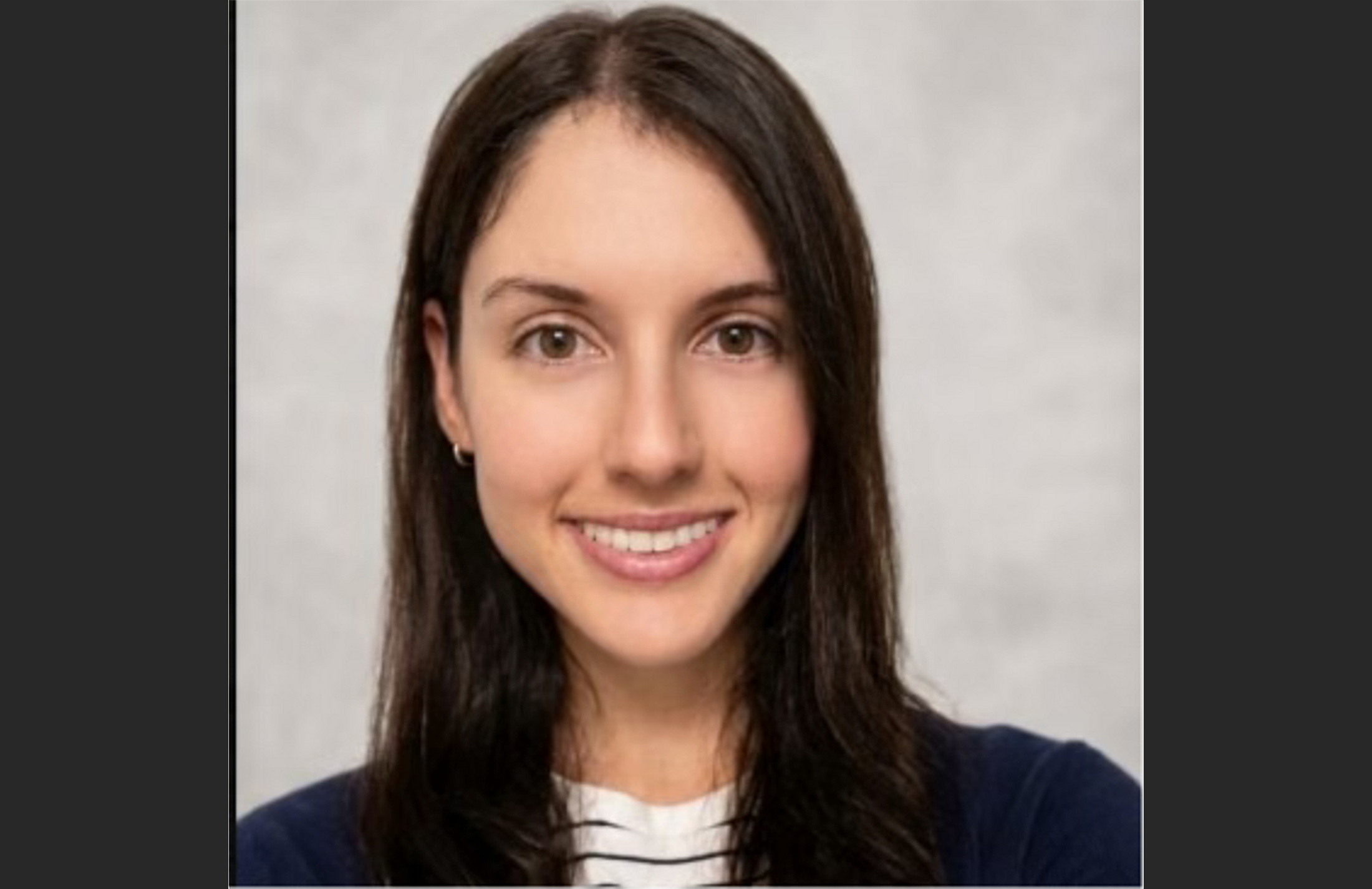
For both women, MPH students in the 2026 cohort, the grant offers an opportunity to take their public health education beyond the classroom. For Simon, the opportunity represents the latest step in a journey that has taken her from rural California to serving eight years in the U.S. Navy to the field of epidemiology – and now to Kenya.
She also sees the trip as an opportunity to understand the communities she hopes to serve throughout her career more fully.
Finding a path in public health
Simon did not initially envision a career in epidemiology.
After serving eight years in the Navy, she earned a biology degree from the College of Charleston and planned to become a dentist. A conversation with a parasitologist and professor eventually changed the direction of her career.
“She had me broken down to a point of just tears,” Simon recalled. “I was like, I don’t know what I’m doing. I’m so lost.”
The professor told Simon she could see that epidemiology was where she belonged.
Simon took the advice. Before applying to the MPH program, she also met Korte, who encouraged her to pursue it.
She had me broken down to a point of just tears. I was like, I don’t know what I’m doing. I’m so lost.
Since arriving at MUSC, Simon has sought out as many opportunities as possible to explore the field and determine where she wants her career to take her.
That path is becoming clearer. She hopes to return to the military as a public health officer in the U.S. Air Force, where she would work on the administrative and programmatic side of public health.
Her upcoming experience in Kenya is another opportunity to expand that perspective.
From a classroom conversation to Kenya
Korte mentioned the travel opportunity during class in hopes of generating interest among students. Simon initially wasn’t sure whether she would apply, and then Mullins, her classmate, expressed interest in pursuing the opportunity.
“I was like, ‘Oh no, Katie can’t go alone. She needs someone with her,’” Simon said. “And so, I thought, ‘OK, I’ll apply too.’”
As the students developed their project idea, Simon became interested in HIV self-testing kits that allow individuals to test for HIV at home. She wanted to explore what might prevent someone who receives a positive result from following up with laboratory confirmation.
We applied for the program. I’m not even kidding. There were like 10 minutes left before the window closed.
When Simon discussed the idea with Korte, he connected her with VAP, an organization led by his longtime friend Enouce Ndeche.
That connection helped to transform a classroom idea into a research project.
The application itself came down to the wire.
“We applied for the program. I’m not even kidding. There were like 10 minutes left before the window closed,” Simon said.
Less than two months later, Simon and Mullins received the news that they had been awarded the travel grant. Coincidentally, Ndeche was visiting MUSC that same day to give a presentation.
“He said, ‘I really pray and hope that these students get to come.’ We surprised him then and told him that we were,” Simon recounted with a huge grin.
A decade-long partnership
For Korte, the trip represents another chapter in the relationship that began more than a decade ago.
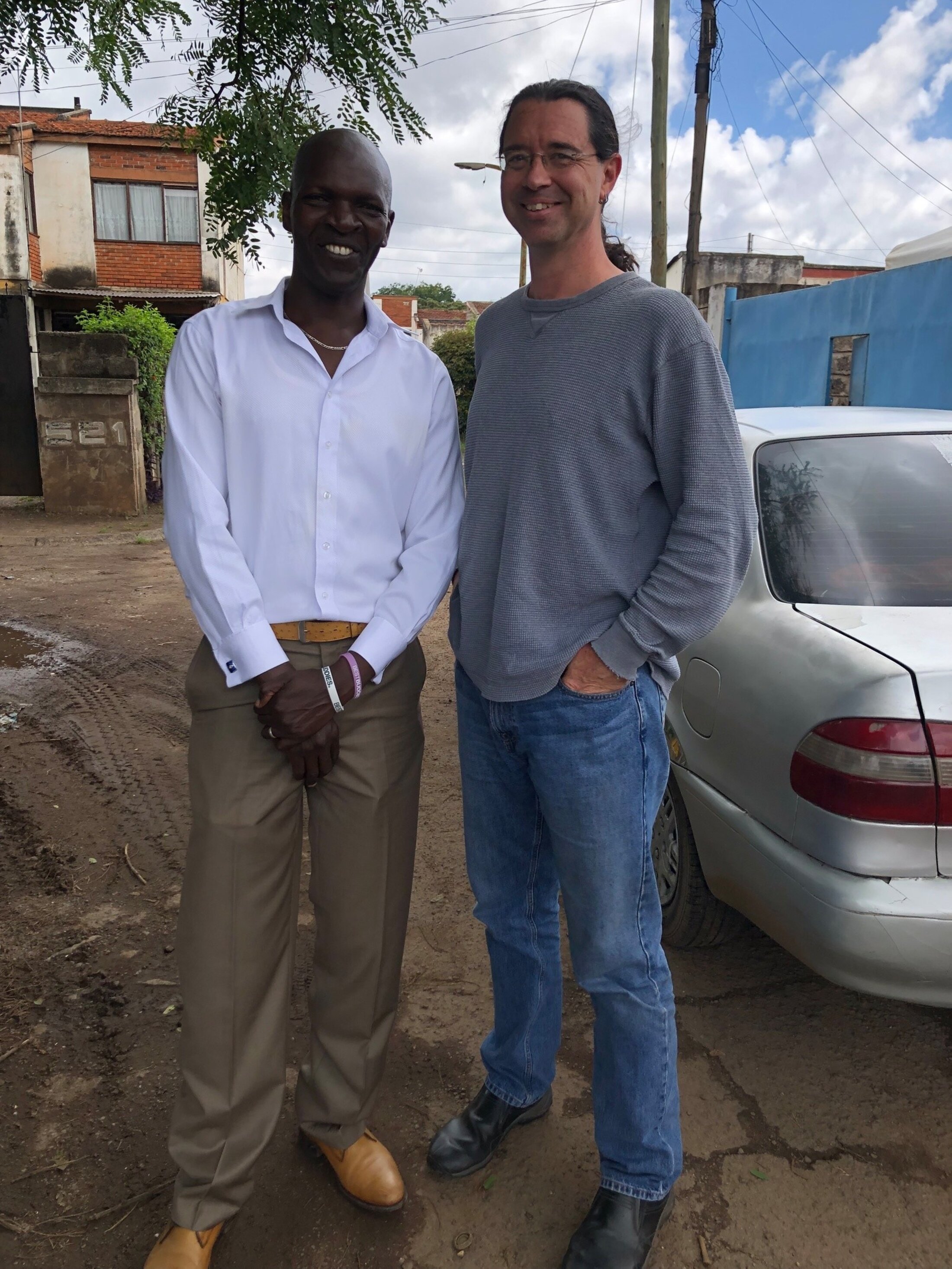
He first met Ndeche at a workshop in Nairobi, and the two quickly became friends. It was this relationship that led to the fruitful research collaborations and the interesting opportunities MUSC students enjoy today.
VAP grew from a soccer league Ndeche organized in a Nairobi community after seeing the effects of HIV/AIDS on children and young adults. The organization has since expanded to include programs focused on health, social and women’s empowerment, economic development, job training and health referrals.
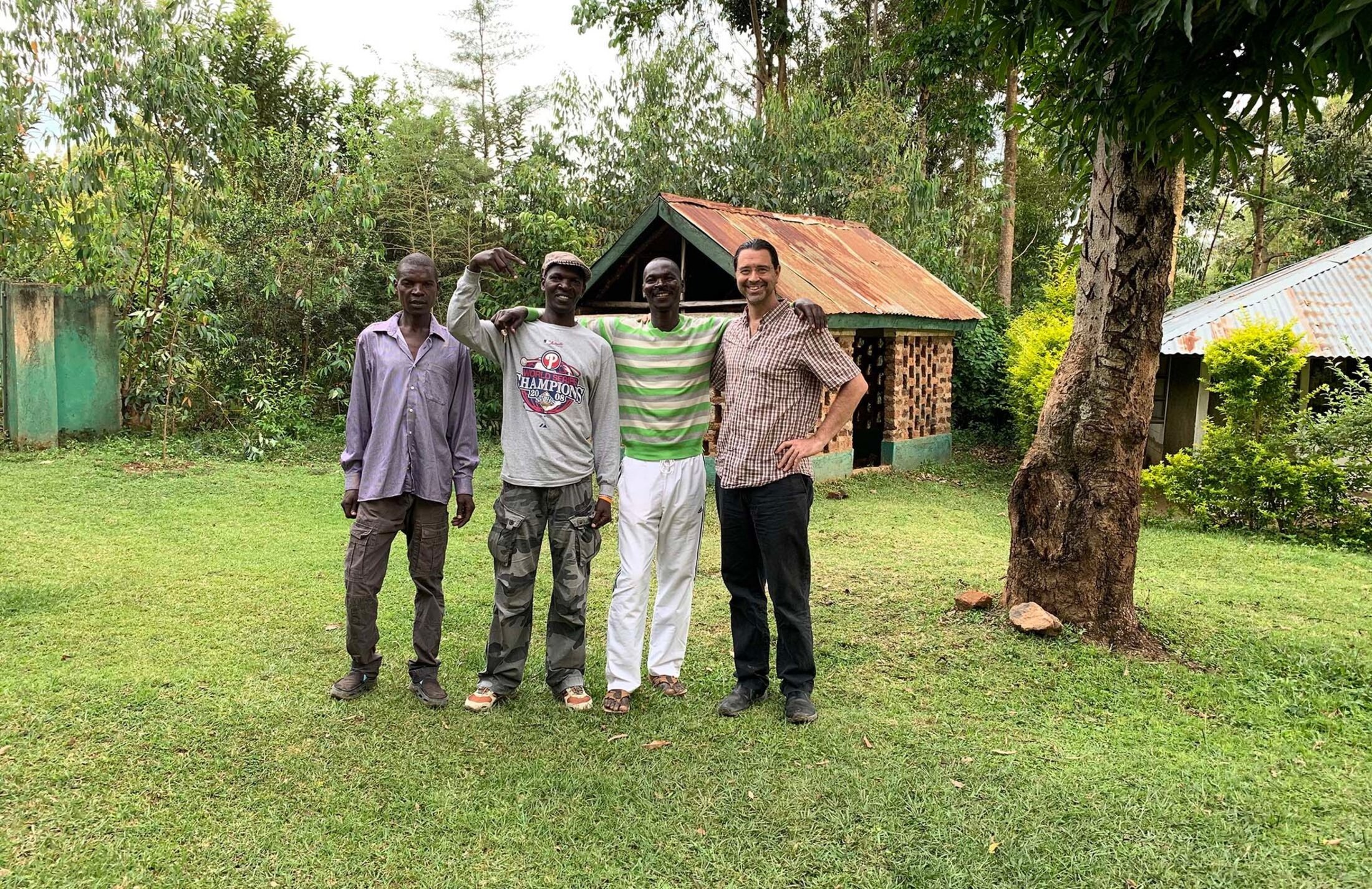
Korte said VAP has developed creative ways to connect young people with health services, including incorporating health activities into soccer tournaments.
The organization’s work has also expanded into mental health services, particularly among teenagers and young women who have experienced abuse and trauma.
During their upcoming visit, Simon and Mullins will work with VAP’s programs and conduct research that contributes to their MPH experience.
Their days are expected to include soccer tournaments, school visits and collecting surveys designed to understand more thoroughly mental health and social support, among other topics.
For Simon, the opportunity to participate in the community is just as important as the research itself.
Learning before arriving
Because this will be Simon’s first trip to Africa, she has spent considerable time preparing for the experience – not only logistically but also culturally.
She has talked with Korte about appropriate dress, local customs and how to approach sensitive topics in a way that respects the community.
Those conversations have also challenged some of her assumptions about how researchers should approach mental health subjects across different cultures.
Simon said she questioned whether Western tools and frameworks would be appropriate for examining depression in Kenya.
He’s really helped guide me down understanding the differences between our day to day and their day to day.
Korte’s guidance helped her to understand that while depression may be universal, people experience and interpret hardship differently across cultural and social contexts.
“He’s really helped guide me down understanding the differences between our day to day and their day to day,” Simon said. “I feel a lot more prepared, especially when it comes to asking questions.”
That preparation has reinforced something Simon said she learned during a previous international experience in Ecuador: the value of seeing people and communities firsthand.
“I know when I came home, I definitely have not been the same since that trip, and in all the best ways,” she said. “I came home, and everything I did moving forward was just different.”
The impact of an opportunity
Simon said the Center for Global Health’s travel grant made the Kenya experience possible in a way that changed how she was able to approach the project.
Last year, she personally funded an international service trip to Ecuador. This year, funding from the center allowed her to devote more time and energy to developing the research project.
This year, I probably wouldn’t have been able to do what I’m going to get to do without the Center for Global Health.
“I would pay for this trip 1,000 times over,” Simon said. “But knowing that I had that support and that there is a whole center that believes in the missions that we want to create, I think it just took a completely different avenue for me this time.”
She said the financial support reduced the stress surrounding travel and allowed her to devote more attention to the work itself.
“This year, I probably wouldn’t have been able to do what I’m going to get to do without the Center for Global Health,” she said.
Seeing global health differently
Simon expects the Kenya experience to influence more than her time at MUSC. She believes it will shape how she approaches her future work in public health and, potentially, her career in the Air Force.
She hopes to carry the experience into her interactions with patients, colleagues and communities.
For her, that is ultimately what makes international experiences so valuable.
I think traveling is kind of mandatory if you’re going to be working in a service field.
“I think it’s really important, especially for all of us that are working in healthcare fields or any field for that matter,” Simon said. “If you’re interacting with other people, I think it’s extremely important to understand that we are not all the same.”
Travel, she said, provides a perspective that can’t be replicated in a classroom.
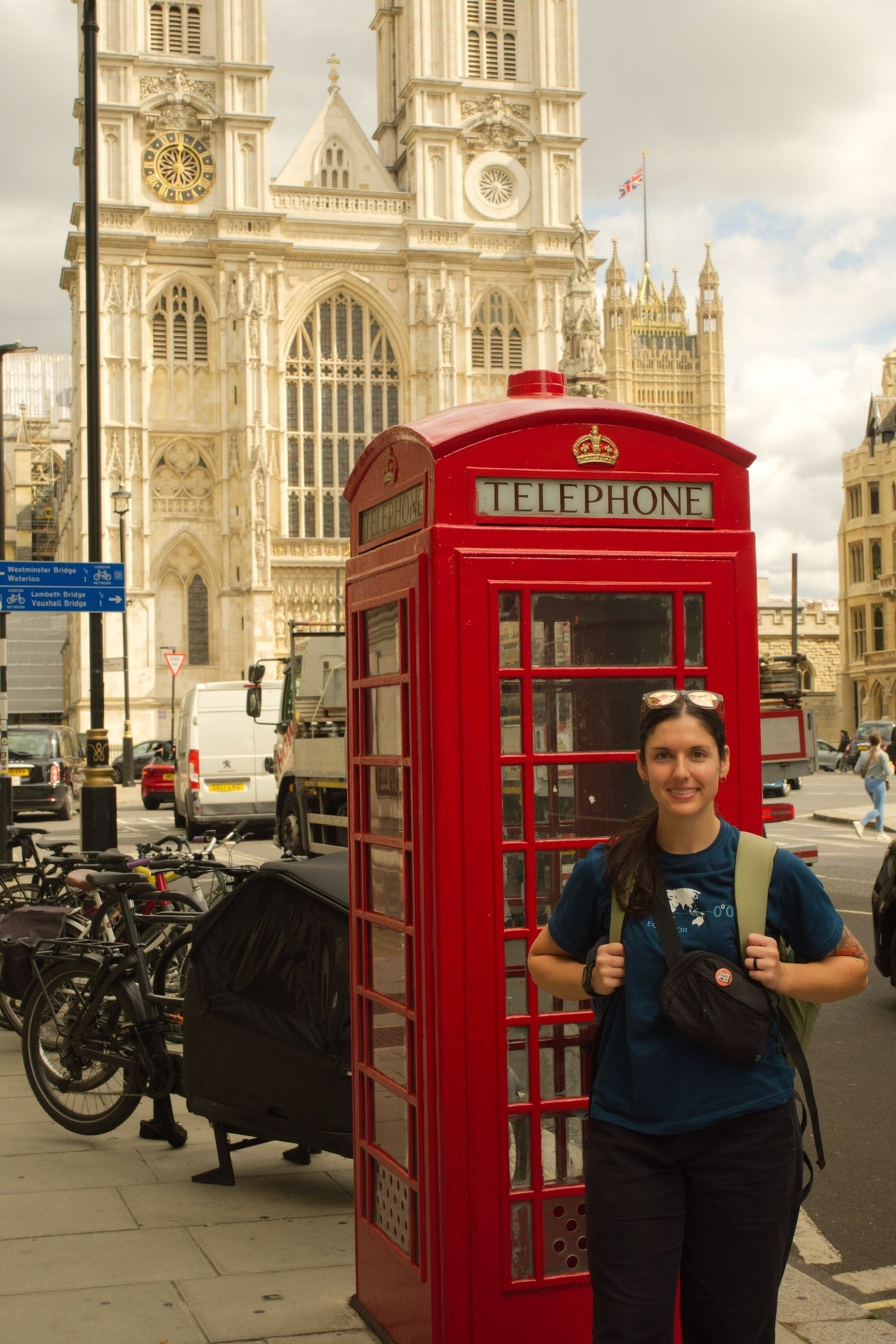
“You will never treat a patient, work with someone the same ever again because it peels back layers that some of us just never got to see or be a part of,” she said. “I think traveling is kind of mandatory if you’re going to be working in a service field.”
She sees this trip as an opportunity to learn from a community she has never visited, contribute to a project she hopes will have lasting value and return to MUSC with a broader understanding of the people she hopes to serve in the future.
“I just want to make sure that everything that I do is beneficial in the long run for them and someone else can hopefully continue what we’ve done this year and following years,” she said.
And that, Korte said, may ultimately be the most meaningful outcome of the experience – not simply what the students accomplish while they are in Kenya but how the experience changes the way they approach their work when they return home.
An earlier version of this article misnamed VAP, the organization the team has partnered with on this project. We regret the error.
Apply now for a Center for Global Health Student and Trainee Travel Grant
Applications are now open for the MUSC Center for Global Health Student and Trainee Travel Grants, providing funding to support students and trainees pursuing global health experiences and projects. The application cycle is open now through Oct. 9, with the earliest award notifications expected Nov. 6.
Adam Wise
Communications Manager, Center for Global Health
Recent MUSC News stories