
This is not a moment that Scott Curry, M.D., at MUSC Health, would have predicted earlier in his career as an infectious diseases specialist. “The idea that we would have an almost thousand-patient outbreak in South Carolina or anywhere else in the U.S. was once unthinkable to me.”
Curry’s comment comes as the United States loses its measles elimination status – a decision by the Pan American Health Organization. The U.S. failed, for the first time in more than a quarter century, to go 12 months or longer without locally transmitted measles infections or outbreaks.
I think people should have an appropriate level of concern.
South Carolina was part of the problem, with an outbreak mostly affecting Spartanburg County. That outbreak ended in April.
But concerns linger about the virus’s reemergence here and across the country. “I think people should have an appropriate level of concern,” Curry said.
“It’s super contagious. Pretty much, apart from norovirus in a school or on a cruise ship, measles is the winner for how many other people can get sick if you’re mixing it up in an unvaccinated crowd.”
Measles’ effects
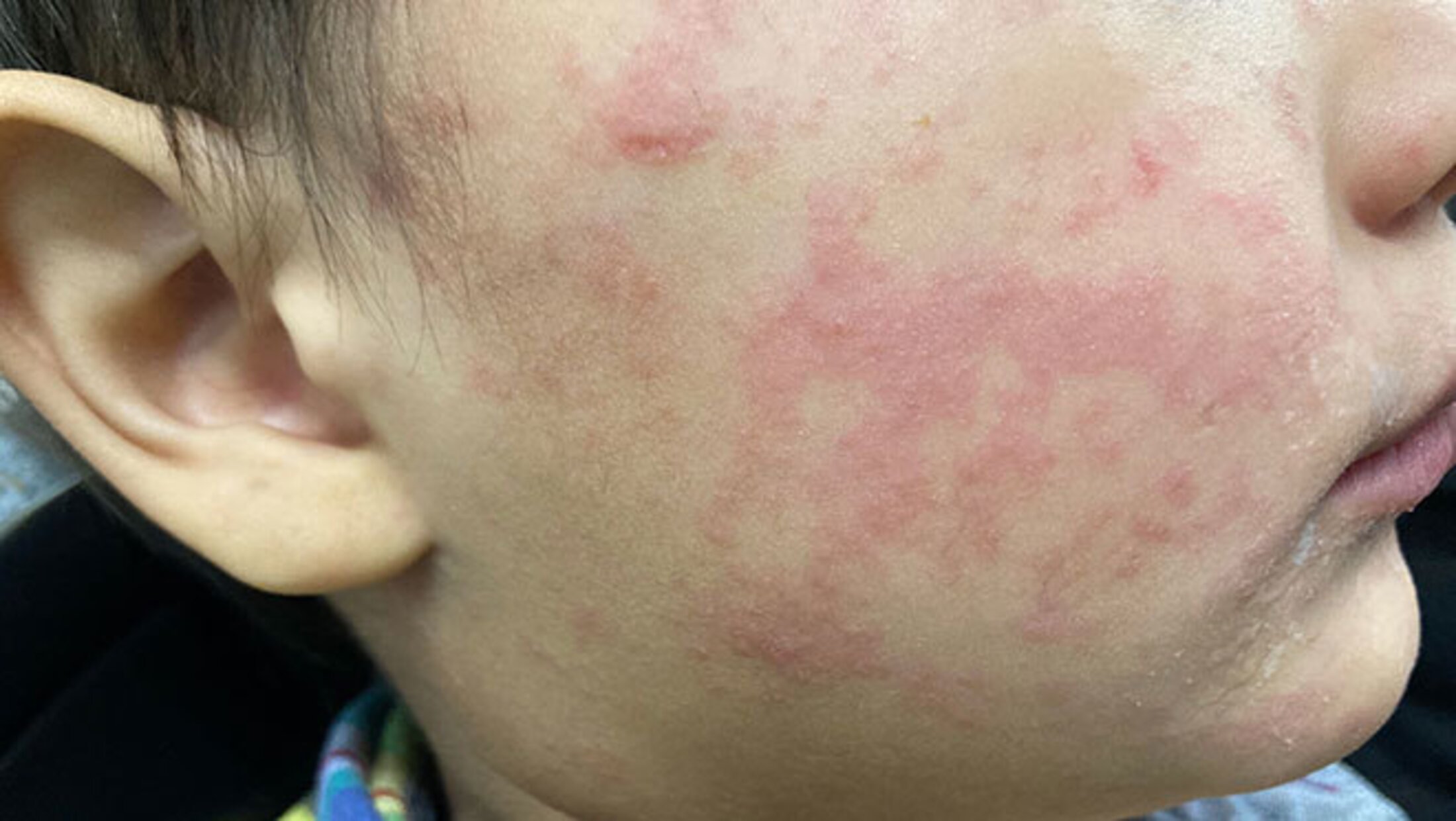
Symptoms of measles include a fever as high as 105 degrees, fatigue, nasal congestion, pink eye and a rash. The rash usually shows up about two weeks after a person is exposed to measles.
Kids under 5, adults over 20, pregnant women and people with weakened immune systems are at higher risk for complications. “One in 1,000 kids with measles is going to die, and about 1 in 10 will get pneumonia, encephalitis or something else that lands them in a hospital,” Curry said.
“We know there are other bad downstream side effects. The scariest is subacute sclerosing panencephalitis, or SSPE, which is this thing where you get a mild case of measles, get better and then you die from an incurable neurological condition up to 30 years later. There’s no treatment for SSPE. You just recognize that it’s an aftereffect of a measles case.”
Measles can also lead to deafness and immune amnesia, Curry said. “That’s where you get over measles, but you’re susceptible to other known infectious diseases for a period of months to years afterward. You’re at risk of bacterial infections, including ones that can be fatal, like meningitis and pneumonia, for a long period after measles recovery.”
Prevention
So taking steps to keep from getting measles is important, Curry said. “As an infectious diseases specialist, I recommend having two good modern vaccine doses. If you had one shot back in the early '60s, you didn’t get a very good version of the measles vaccine, and you really should get a second dose. Back when we had eliminated measles in the U.S., it was kind of a low priority to worry about that. But if you really want to be fully protected, you should have two doses of MMR.”
MMR stands for measles, mumps and rubella, a vaccine protecting you from all three conditions. The Centers for Disease Control and Prevention says getting the MMR shot “is much safer than getting measles.”
If you’re not sure if you’ve had two doses of it, Curry suggested asking your doctor to help you find out. “If you did get two doses, your risk of getting measles is crazy low. But I’m worried about the unvaccinated group.”
That includes people who can’t get the measles vaccine for health reasons. “I can’t give it to people who have uncontrolled HIV or if they’re on certain biologic medicines that are commonly used nowadays for managing rheumatoid arthritis, sarcoidosis and other autoimmune diseases. Those folks just cannot have a live virus vaccine. And there is no alternative vaccine or prophylaxis,” Curry said.
Immune-suppressed patients have to rely on others getting vaccinated, also known as herd immunity, while trying to minimize their exposure to measles and keeping an eye out for symptoms.
What healthcare providers are doing in the current environment
The reemergence of measles means a few things for healthcare providers, too, Curry said. “The biggest impact is to family medicine and pediatrics physicians who have never seen a case of this because vaccines were so successful. Now we have to remember to get the vaccine history whenever you see fever and a rash.”
They also need to be ready to test for measles when appropriate, Curry said. “It’s become a lot easier to order the test. But I never thought I’d have to maintain system readiness to test for measles.”
Measles’ contagiousness can also make things challenging for doctors’ offices. “If you're managing things like a pediatrics urgent care or pediatrics office, how do you safely see somebody who may have measles? They need to learn the logistics of seeing and testing sick kids in their cars, which, as we’ve learned, is doable – but not easy.”