
Diane Hall of Hanahan, South Carolina, had two seemingly contradictory problems. She had trouble eating – but at the same time was so bloated that she felt like she’d gained 35 pounds.
“A lot of nausea and vomiting and just an upset stomach,” she said. “I didn't know what it was, and I went to my regular doctor. She said, ‘Your vitals are great.’”
But something was clearly wrong. A gastrointestinal specialist diagnosed Hall with gastroparesis and referred her to Mary Kate Bryant, M.D., at MUSC Health.
Bryant described gastroparesis, a condition that affects about 10 men and 40 women out of every 100,000 people. “Gastroparesis means that the stomach does not empty in an appropriate amount of time. So usually, when you eat a meal, there are two ways your stomach deals with liquids or solids,” she said.
“Liquids pass through a little bit quicker. Solids, in the first part of digestion, usually take about an hour or two, but what you can expect is that, within four hours, 90% of what was in your stomach empties. So any time patients have greater than 10% retention at four hours, it’s considered gastroparesis.”
The problem is with the stomach muscles – they don’t work well or don’t work at all in people with gastroparesis. That means food doesn’t move into the small intestine as easily as it should, slowing digestion.
“What's difficult about this disorder is that there are several things that cause it. Both Type 1 and Type 2 diabetics can develop gastroparesis. It can also be idiopathic, meaning that we don't quite understand why some patients get it. It can come on after a viral illness. And this is usually a lifelong disease. Once you have it, you have it. And there really haven't been great medical treatments for it,” Bryant said.
“Only one medication is FDA-approved to treat gastroparesis, and it’s supposed to be limited to 12 weeks and has pretty significant side effects.”
But Bryant said dietary changes can help. “We coach people to eat a low-fat, low-fiber diet and small, frequent meals so their stomachs can handle that better. More liquids than solids. It’s kind of a miserable way to live. These patients are nauseous every day. They’re on multiple anti-nausea medications. Many times I see them in my clinic, and they’re actively vomiting.”
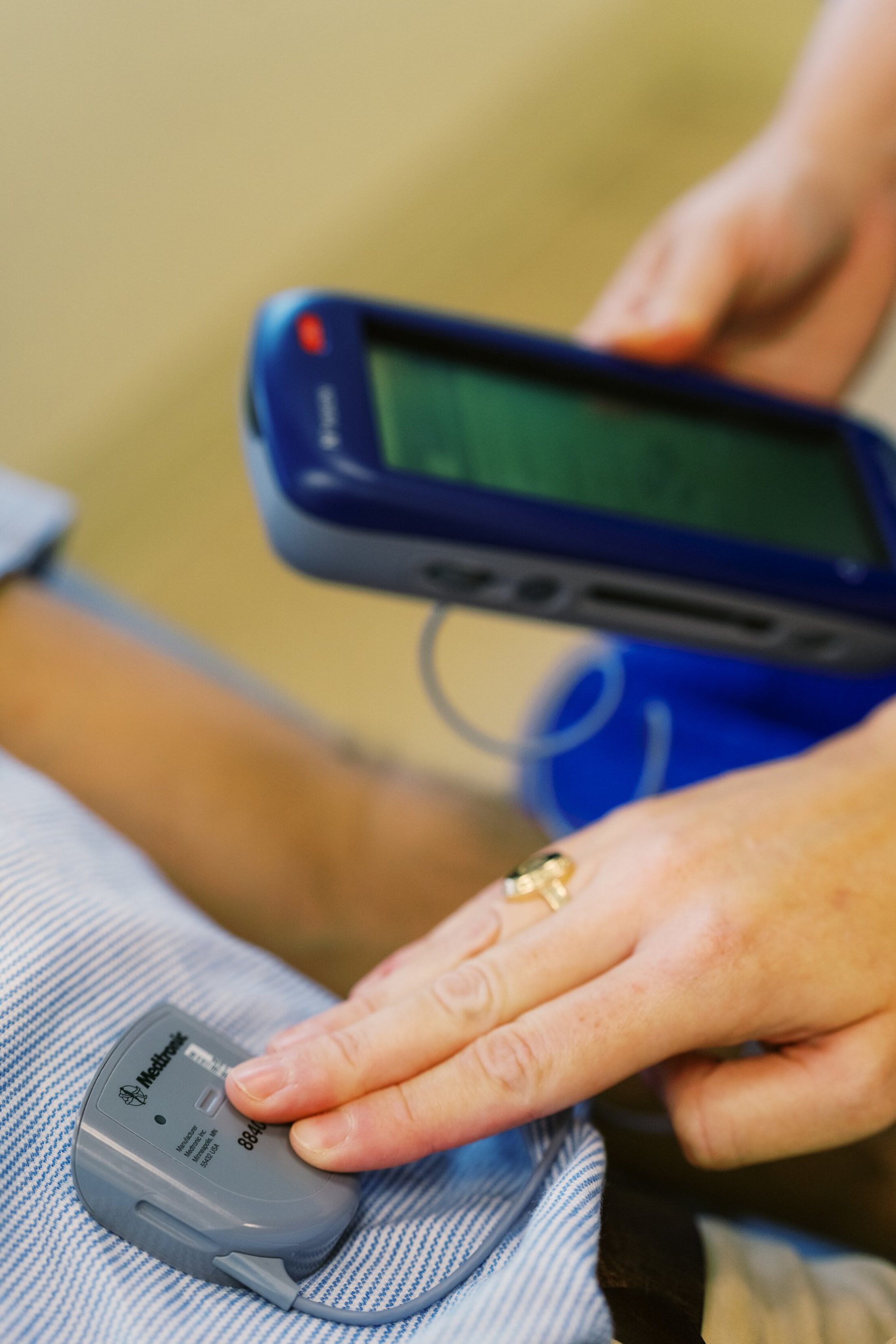
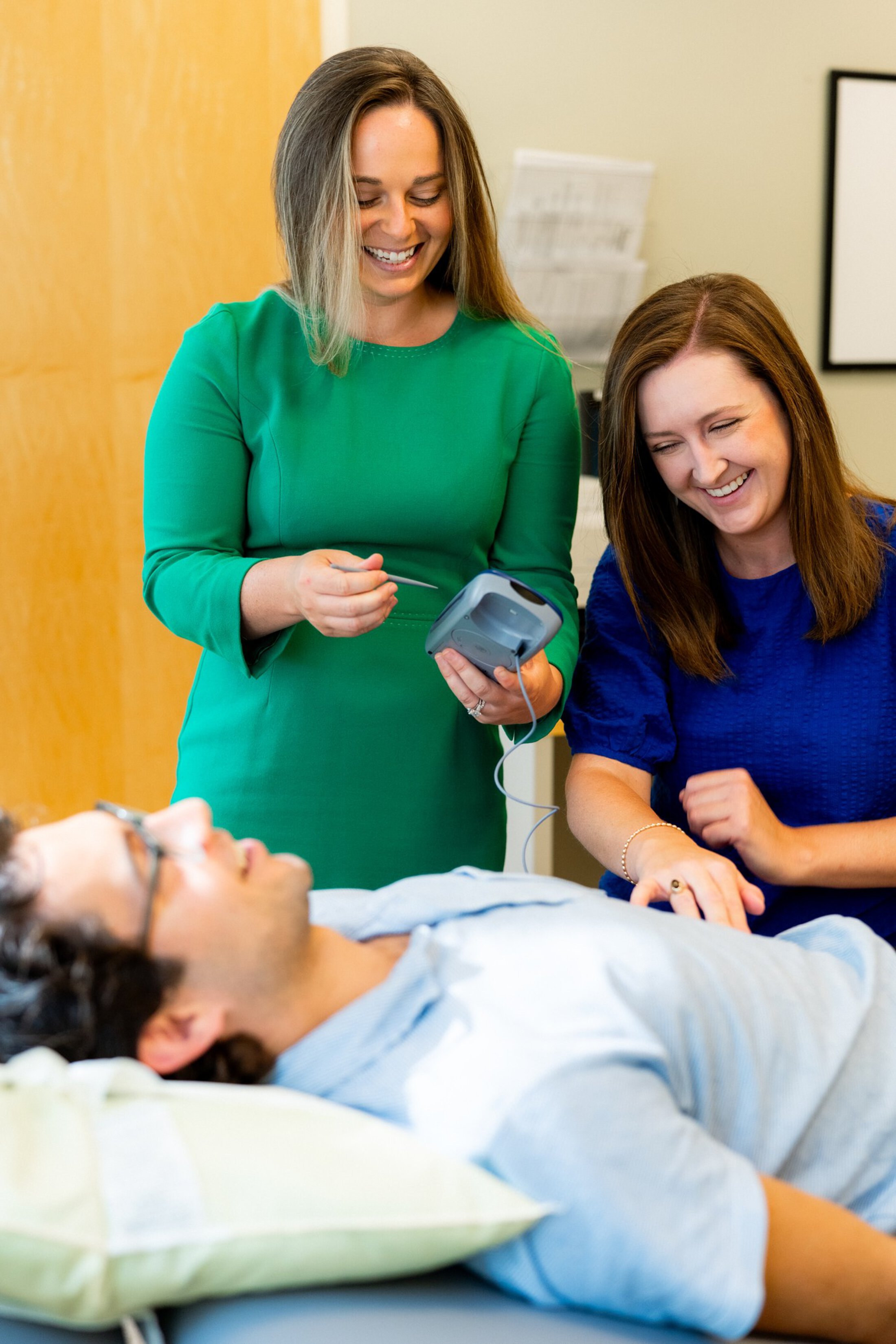
When medical management fails, there’s another option – one that Bryant’s team has used with about 2,000 patients at MUSC Health so far. It’s named Enterra Therapy, but patients know it as a gastric pacemaker or neurostimulator.
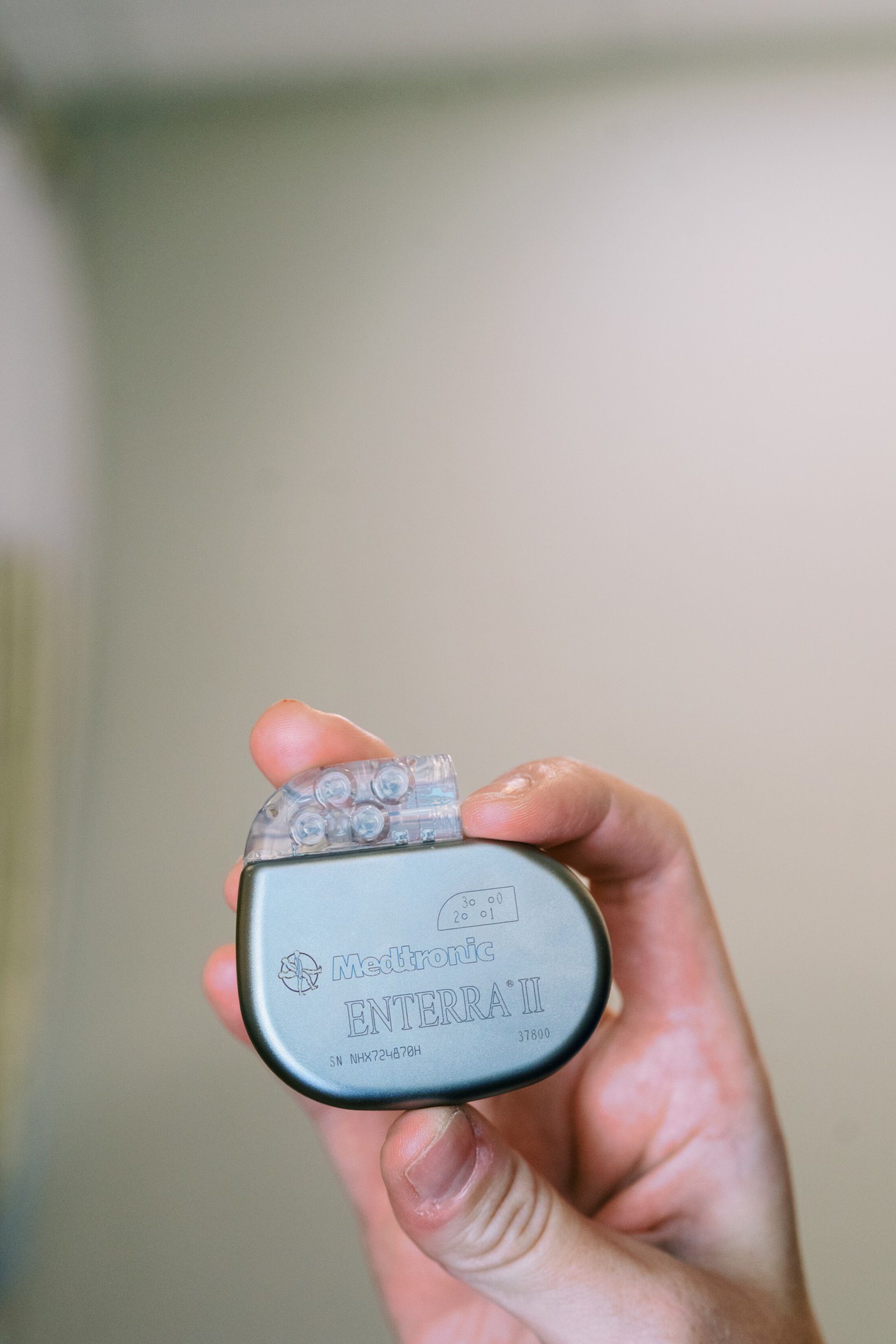
The neurostimulator’s adjustable, reversible system uses gastric electrical stimulation to try to help ease symptoms of gastroparesis. A surgeon implants electrodes in the wall of the stomach and a neurostimulator under the skin of the abdomen that can send mild electrical pulses to the stomach muscle wall. They help with digestion, stimulate vagus nerve pathways to regulate body function and modulate brain pathways in the central nervous system.
“It’s not a miracle treatment. But for most patients with the primary symptoms of nausea and vomiting, they get about 80% improvement. That means that they can live a relatively more normal life. They can get back to going out in public without fear of vomiting. They can have a little bit more of a normal diet,” Bryant said.
Hall was sold. After getting the gastric pacemaker, she feels the difference. “It’s much better now. I don’t have the bloating feeling anymore.”
And she’s able to tolerate more types of food. “I can eat a salad now. Lettuce would really get me.”
Helen Adams
Recent MUSC News stories