
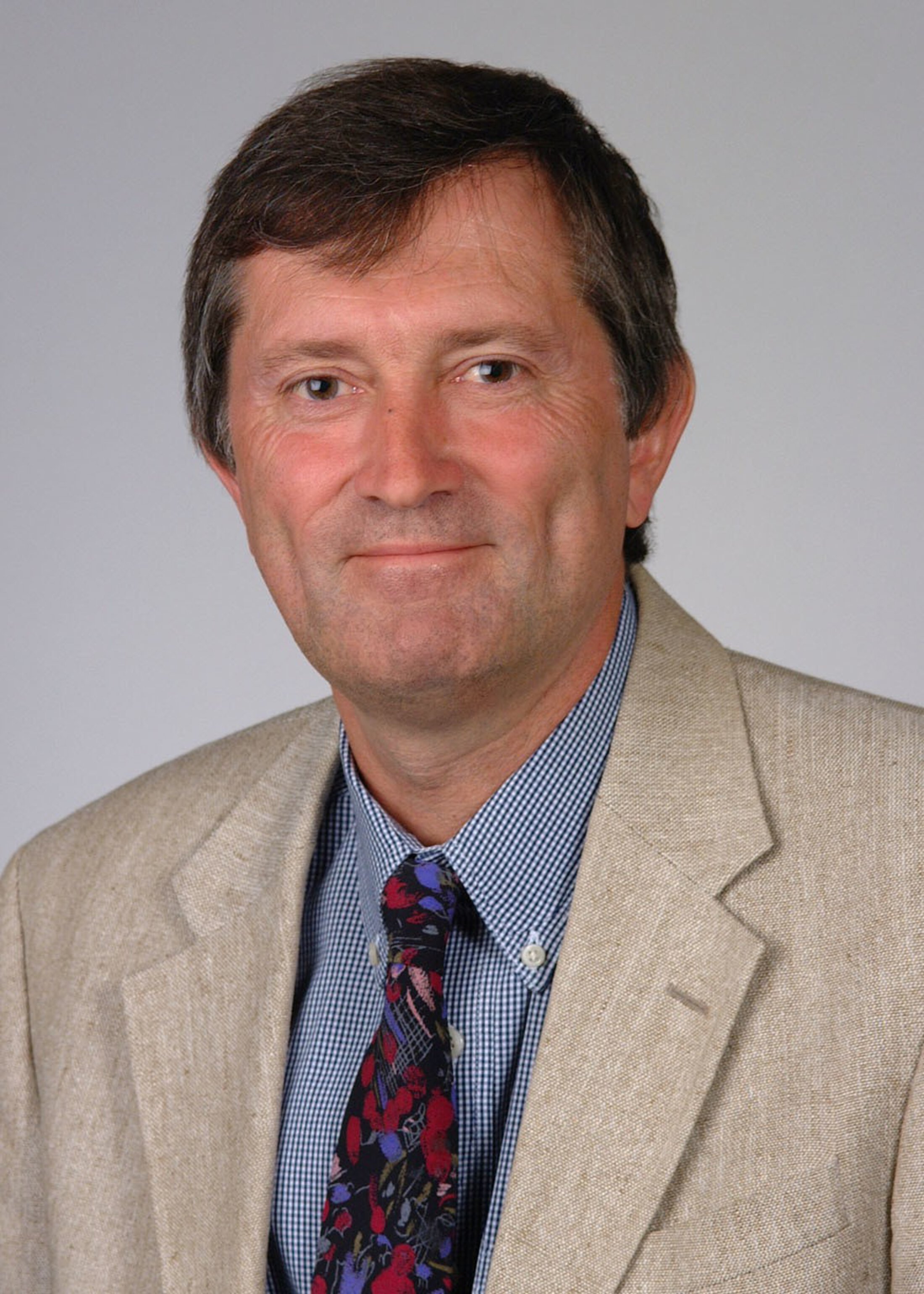
When looking back at the career and legacy of Kenneth Tew, Ph.D., a professor in the MUSC College of Medicine’s Department of Pharmacology and Immunology, it’s important to consider the significant contributions he made to cancer research and the thousands of medical students he educated. However, it would be a mistake not to point out his 20-year tenure chairing MUSC’s participation in South Carolina’s SmartState Program, designed to support South Carolina’s economy by attracting innovation-driven businesses.
Now embarking on retirement, Tew’s chair position with SmartState, a government-backed research-based grant program, will be open to a successor, who would ideally be an innovation-driven leader, like Tew, to continue his many successes.
A look back at Tew’s career
Originally from Scotland, Tew completed his undergraduate and graduate training in the U.K. before moving to the U.S. around 1980. From 1982 to 1984, he led the Basic Pharmacology Program at the Lombardi Comprehensive Cancer Center at Georgetown University, in Washington, D.C. He joined the Fox Chase Cancer Center, in Philadelphia, Pennsylvania, in 1984, where he served as chairman of pharmacology and held the G. Willing Pepper Chair in Cancer Research. During his time at Fox Chase, he also served as an adjunct professor of pharmacology at the University of Pennsylvania. In 1995, the University of London awarded him an honorary Doctor of Science degree.
Tew departed Fox Chase in 2004 to join MUSC that same year, serving as director of the Developmental Cancer Therapeutics Program at Hollings Cancer Center until 2019. He also served as a professor and chair of the Department of Cell and Molecular Pharmacology, remaining with the department until 2024.
His connection to Hollings, however, began years before he formally joined MUSC. In the mid- to late-1990s, Tew served as an informal consultant as the cancer center was taking shape.
“My 20 years-plus at the Fox Chase Cancer Center, which was one of the first stand-alone cancer centers in the country, had provided insights valuable to the functioning of such a center. In 2003, I was asked to apply for a departmental chair position at MUSC. When I was offered the position, it meant that I would be giving up an endowed chair at Fox Chase but was informed that I could apply for one of the new Centers of Economic Excellence chairs at MUSC,” he explained.
In 2004, Tew was named the John C. West Center of Economic Excellence Endowed Chair in Cancer Research.
Since 1993, Tew has served in various editorial roles for medical journals, including senior editor for Cancer Research and editor-in-chief for the Journal of Pharmacology and Experimental Therapeutics, the oldest pharmacology journal in the U.S. Currently, he serves on five editorial boards and is executive editor of Biomedicine & Pharmacotherapy.
Additionally, he has held advisory board appointments for numerous biotechnology companies and has served on the external advisory boards of eight NCI Cancer Centers as well as many other academic programmatic initiatives.
As a researcher, Tew has primarily focused on identifying cancer strategies with strong translational potential, particularly in the context of redox pathways and drug resistance to understand their connections to essential signaling and growth pathways. His research took him into the world of publishing, where he authored, co-authored and edited approximately 400 research articles and books, such as the publication titled Preclinical and Clinical Modulation of Anticancer Drugs and Basic Science of Cancer.
Early in his career, he was the recipient of the Outstanding Investigator Grant from the National Cancer Institute in 1993 and received the 2003 American Cancer Society Scientific Research Award. Later, in 2010, he received the Astellas USA Foundation Award from the American Society for Pharmacology and Experimental Therapeutics.
Tew is also an elected fellow of the American Association for the Advancement of Science and the American Society for Pharmacology and Experimental Therapeutics.
Tew’s role with SmartState
Throughout his career as a professor and researcher, Tew represented MUSC in the SmartState Program. His role was to sustain the program’s momentum by organizing meetings, planning speaking engagements and serving as the liaison between all of the entities involved.
Launched in 2002 through the South Carolina Research Infrastructure Act (Act 221), it was initially designed to boost economic development by attracting highly accomplished, academically oriented scientists and engineers, with a mandate to invest in high-tech research and create knowledge-based jobs within the state. Initially funded with $30 million in state bonds, it was later sustained and enhanced by South Carolina Education Lottery proceeds via the LIFE Scholarship program.
Another goal of the program was to establish a connection among the three major universities in the state – Clemson University, the University of South Carolina and MUSC – through the creation of a cluster of endowed chairs in biomedical sciences, advanced materials, automotive engineering and big data/energy.
Stemming from bipartisan support, the program was successful because it was based on a public-private partnership model, initiated with the goal of transforming South Carolina’s economy from manufacturing-reliant to innovation-driven.
Act 221 of 2002, which launched the program, was championed by politicians from both major parties. Tew said the unique bipartisan coalition of Republican legislators and a Democratic governor aligning behind a vision for economic modernization contributed greatly to the program’s overall success.
Several other states had comparable initiatives aimed at boosting research, innovation and economic growth through stimulating university-industry partnerships. However, South Carolina developed a model that was distinctive in its focus on state-matched endowed chairs tied to private donations and sustainable lottery-based funding.
South Carolina’s planned one-to-one private match requirement for endowed chairs created shared accountability. In addition, the link to lottery revenue established a long-term funding source. South Carolina’s model also featured an academic-led opportunity for the “precision targeting” of chairpersons whose expertise was explicitly aligned with existing industries, such as automotive, aerospace, biotechnology and medical, and developing growth sectors.
At MUSC, the program was linked with the establishment of the Hollings Cancer Center. Commensurate with the growth of the cancer center, Tew said the SmartState Program was pivotal in recruiting oncology researchers and building faculty infrastructure.
Tew’s role as a principal investigator at MUSC has resulted in more than $50 million of NIH-based research support and over $10 million in biotechnology/pharmaceutical support, not including collaborative or Cancer Center Core grant funds.
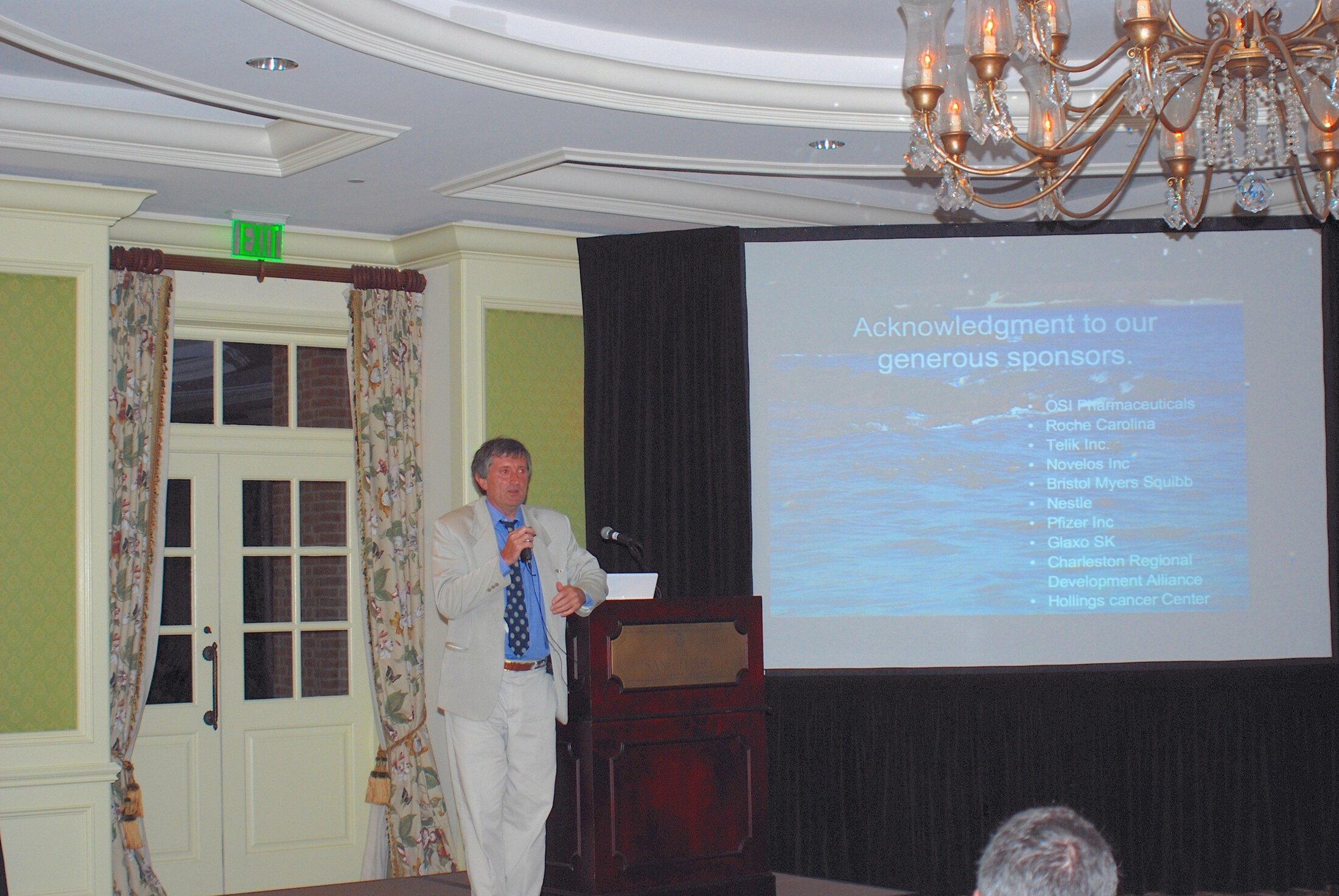
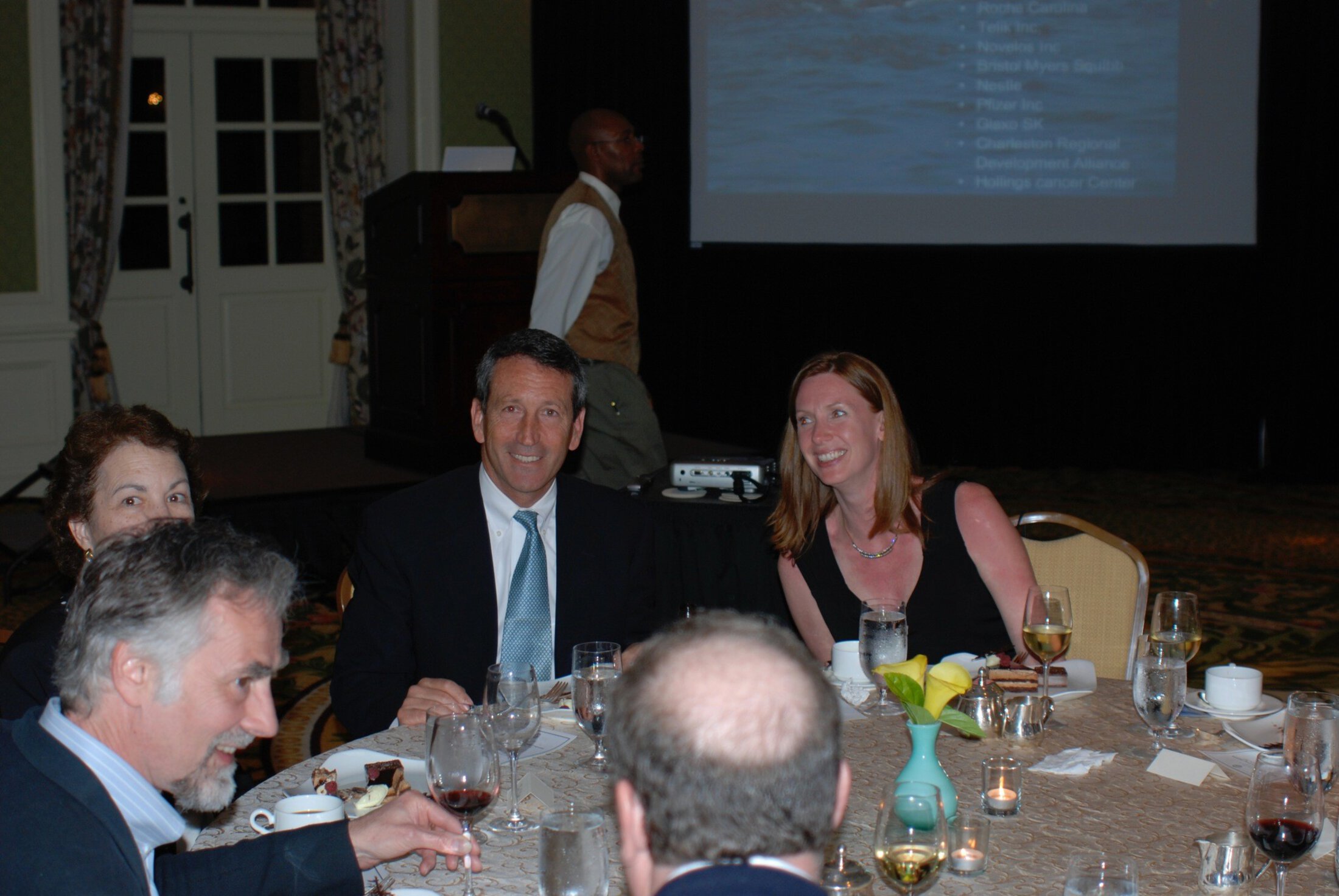
A particular standout memory for Tew occurred in 2007 when he planned a three-day meeting at Kiawah Island, bridging academic and industry drug discovery and development partnerships. This meeting included then-South Carolina Gov. Mark Sanford and then-mayor of Charleston, Joe Riley. This helped to strengthen connectivity. Funds from Tew’s endowed chair have helped to establish an annual International Summer Course on Redox Biology rotating through MUSC, University of Nebraska, Karolinska Institute in Stockholm and the Hungarian Cancer Institute in Debrecen. It also provided early financial support for junior faculty recruitment, secured student training grants and contributed to infrastructural support for two core facilities at MUSC: proteomics and analytical redox.
“As I approach retirement and pass on the chair to my successor, I believe that congratulations should be extended to all the folks who have made the SmartState program such a success. Cross-party legislation and institutional commitments have served to establish and enhance the knowledge economy of South Carolina in essentially the manner it was designed at conception. Few would debate whether the state is better aligned with this role 20 years after program inception than it was at the turn of the century,” Tew said.
Reflecting on his career, Tew pointed to the different ways his work has allowed him to contribute – and to what he hopes will continue beyond it. “I am satisfied with many aspects of my career in medical research. Contributing to society through cancer research, my work as a professor and through my role with SmartState allows me to look back on my career with some degree of accomplishment and hope for the future.”
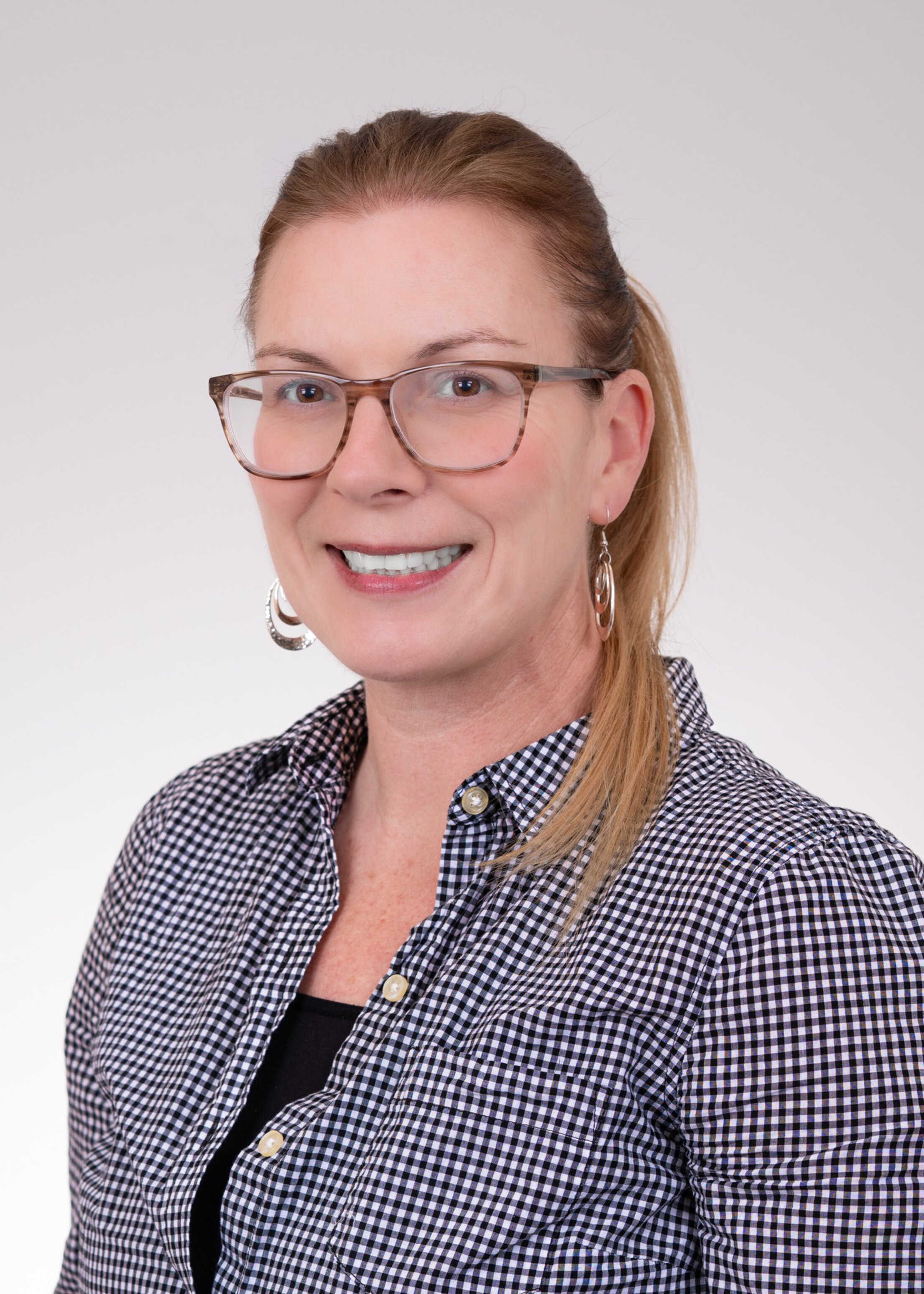
Theresa Stratford
Theresa Stratford is the editor for MUSC’s newspaper, The Catalyst. She has worked as a writer and editor for 25 years since graduating from the University of South Carolina with a Bachelor of Arts degree in journalism and mass communications. As a writer, she has worked for the federal government in cybersecurity and for the Department of Energy. As both a writer and an editor, she has worked for a variety of syndications, including national magazines, such as Vogue Knitting, as well as many local Charleston and South Carolina publications.
Recent MUSC News stories