
Suffering a stroke is a life-changing event that affects approximately 800,000 Americans a year. The numbers are expected only to rise in the coming decades. As anyone familiar with stroke knows, it can diminish quality of life due to nerve deficits, cognitive impairment and pain. In particular, 70% of stroke survivors experience post-stroke pain.
Post-stroke pain can present diversely, including with spasticity, pain syndromes and central pain occurring at the level of the brain. When antidepressants and antiseizure medications like gabapentin or pregabalin fail to provide complete relief, the specialists at the Medical University of South Carolina can treat neuropathic or nerve pain with a variety of tools, depending on pain severity and location.
If you or a loved one struggles with post-stroke pain, these options offer hope.
Neuropathic pain
Neuropsychiatrist Baron Short, M.D., medical director of the MUSC Health Brain Stimulation Service, compares neuropathic pain resulting from injury or insult to a nail being stuck in a person’s foot, with the pain continuing long after the nail was removed.
“The nervous system itself has undergone an aberration or a maladaptive change that's continuing to send a signal in the nervous system that there's something wrong, even though there is no nail.”
Neuromodulation
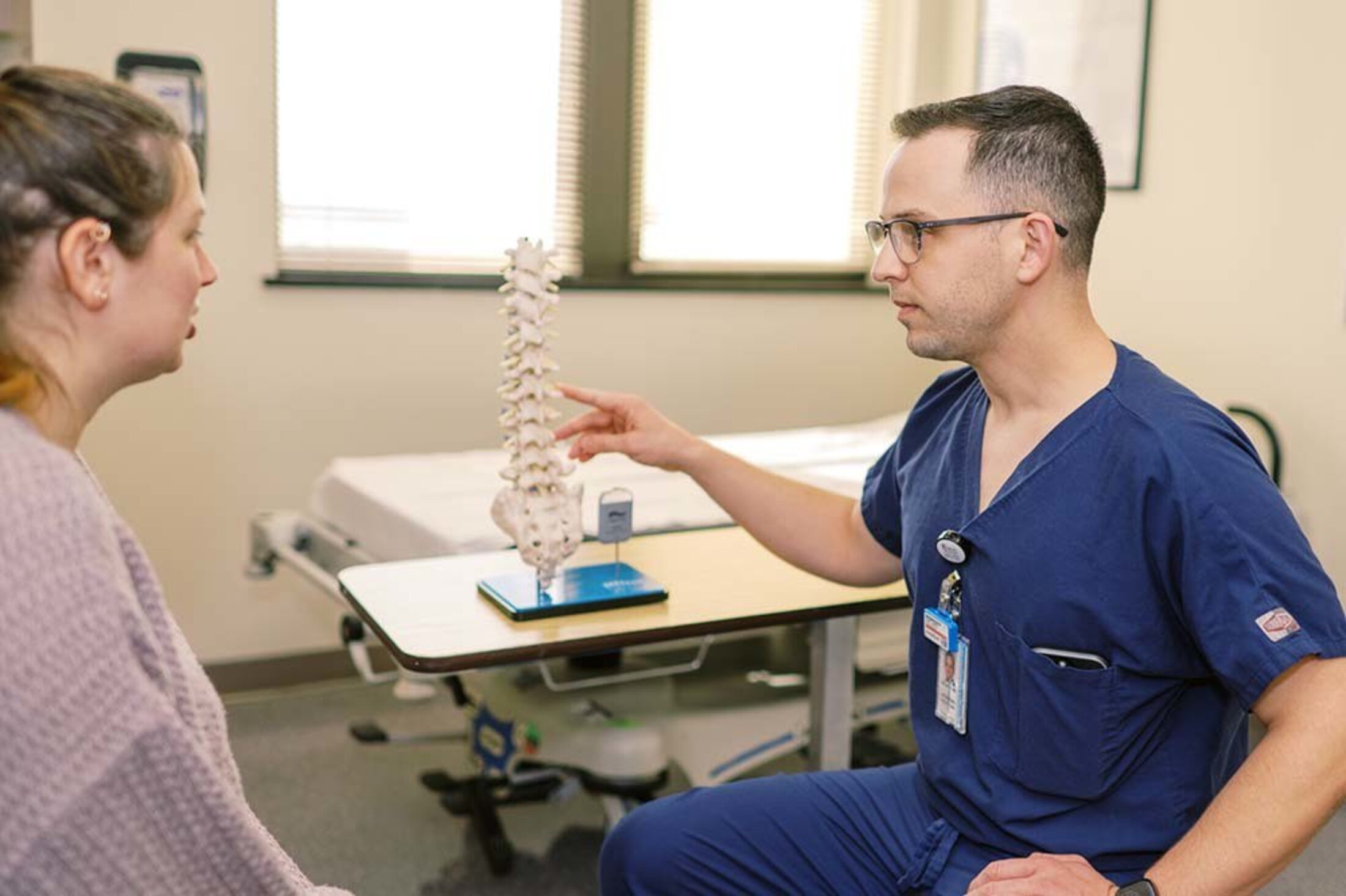
Less severe forms of neuropathic pain that don’t respond adequately to medications can be treated with a noninvasive, or nonsurgical, form of neuromodulation called transcranial magnetic stimulation (TMS).
TMS uses magnetic pulses to stimulate specific areas of the brain responsible for mood, pain or other neurological functions safely. MUSC was a pioneer and remains a world leader in TMS, and Short uses TMS routinely to treat pain disorders, such as post-stroke pain.
It's not uncommon that we'll have people have a pretty profound improvement in their pain.
“It's not uncommon that we'll have people have a pretty profound improvement in their pain,” he said.
Short sees such targeted interventions aimed at improving pain over time.
“As we study this more, we should be able to say what particular circuits are exaggerated or over- or underactive, over- or under-connected and then use the appropriate type of tool."
Spinal cord stimulators
MUSC pain specialist Martin Burke, M.D., stressed that an individual approach is necessary when treating patients’ post-stroke or with other forms of severe neuropathic pain.
“Our pain medicine team offers spinal cord stimulator trials in the appropriately selected candidate who has failed conservative management for neuropathic pain,” he stated. “We perform the spinal cord stimulator trials in which the spinal cord stimulator wires are temporarily placed for five to seven days. And if the trial is successful, our team will also implant those devices a few weeks later for long-term improvement in patients’ neuropathic pain.”
Although the mechanism of action is complex and requires further research, Burke explained that spinal cord stimulators block or modulate pain signals traveling to the brain. Like TMS, spinal cord stimulators are a form of neuromodulation.
“The goal is to ensure that a patient’s pain is adequately controlled, and 50, 60, 70, 80% of their pain is improved,” he said of spinal cord stimulators. “Their function is improved. Quality of life is improved. Sleep is improved.”
Brain pain
Some severe post-stroke pain doesn't respond to spinal cord stimulation because the damaged area causing the pain is at the level of the brain and not the spinal cord. For example, thalamic pain is triggered by the thalamus, a deep brain structure that filters, processes and routes sensory and motor signals to the cerebral cortex on the surface of the brain.
“The thalamus in the brain is what we call the central gateway,” noted MUSC neurosurgeon Nathan Rowland, M.D., executive director of the MUSC Institute for Neuroscience Discovery. “A lot of our pain modulation procedures are targeted toward the thalamus because we think we can get pain to settle down.”
Specifically, Rowland implants electrodes in the thalamus after identifying damaged tissue in these areas that are causing pain.
“In addition to this deep electrode that we put in the thalamus, we also put an electrode on the surface of the brain. And then we allow those two electrodes to talk to each other so that whatever part of the brain is activating the pain, they can then try to treat the pain that way,” he said.
“We start with the noninvasive approaches, and then once it becomes invasive, it kind of comes to my space,” Rowland explained.
Because the use of thalamic and cortex stimulators is so rarely needed and highly complex, there is no definitive guidance on treatment, said Rowland.
“There's no teaching for this. We're sort of thinking outside of the box and being innovative.”
Although post-stroke pain can seem unbearable, as a world leader in neuromodulation, MUSC Health can help, Short said. “Our specialists have controlled even the most severe forms of post-stroke pain.”
There's no teaching for this. We're sort of thinking outside of the box and being innovative.
Martin Burke, M.D.
- Anesthesia & Perioperative Medicine
- Pain Management
- Charleston, SC
- West Ashley, SC
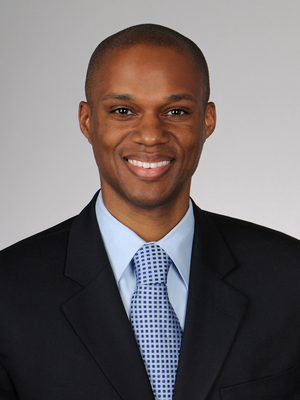
Nathan Rowland, M.D., Ph.D.
- Neurosurgery
- Brain & Spine Cancer
- Mount Pleasant, SC
- North Charleston, SC

Naveed Saleh
Recent MUSC News stories