
After Bob Willis was diagnosed with an enlarged prostate, he wasted no time calling MUSC Health.
As a previous patient at MUSC’s Storm Eye Institute, Willis said he was confident that he would receive guidance and proper treatment at MUSC.
And, nearly six months later, he confirmed his decision was spot on.
“I feel great,” Willis said. “The entire process was seamless and efficient, and when you have the kind of outstanding results that I had, what else can I say?”
Within days of his call in early 2026, Willis was meeting with urologist Robert Grubb, M.D. After a lengthy conversation with Willis about his condition, his symptoms and his treatment goals, Grubb referred Willis to his colleague, urologist Jay Chavali, M.D.
Chavali is one of only a few urologists in South Carolina who perform single-port (SP) robotic simple prostatectomies through the bladder. Unlike a radical prostatectomy, a simple prostatectomy is performed on patients who have a seriously enlarged prostate, a condition known as benign prostatic hyperplasia, but show no sign of cancer. The entire prostate is not removed, but the prostate blockage is opened to improve urinary flow.
Willis’ prostate was 250 grams – five times the size of a normal prostate for his age. He was experiencing frequent urination, a feeling of inability to empty his bladder fully and a weak stream.
After discussing procedure options, Chavali and Willis agreed that Willis was an ideal candidate for a simple robotic prostatectomy. Extensive tests, including a biopsy and an MRI, showed no lesions or cancer, and at age 75, he was in excellent health.
Willis, who lives in Bluffton eight months of the year and summers in Kennebunkport, Maine, scheduled the procedure for early February at MUSC Health University Medical Center. As the owner of several businesses in Maine, a thrice-a-week golfer and a competitive bridge player, he was eager to put the inconvenience and discomfort behind him.
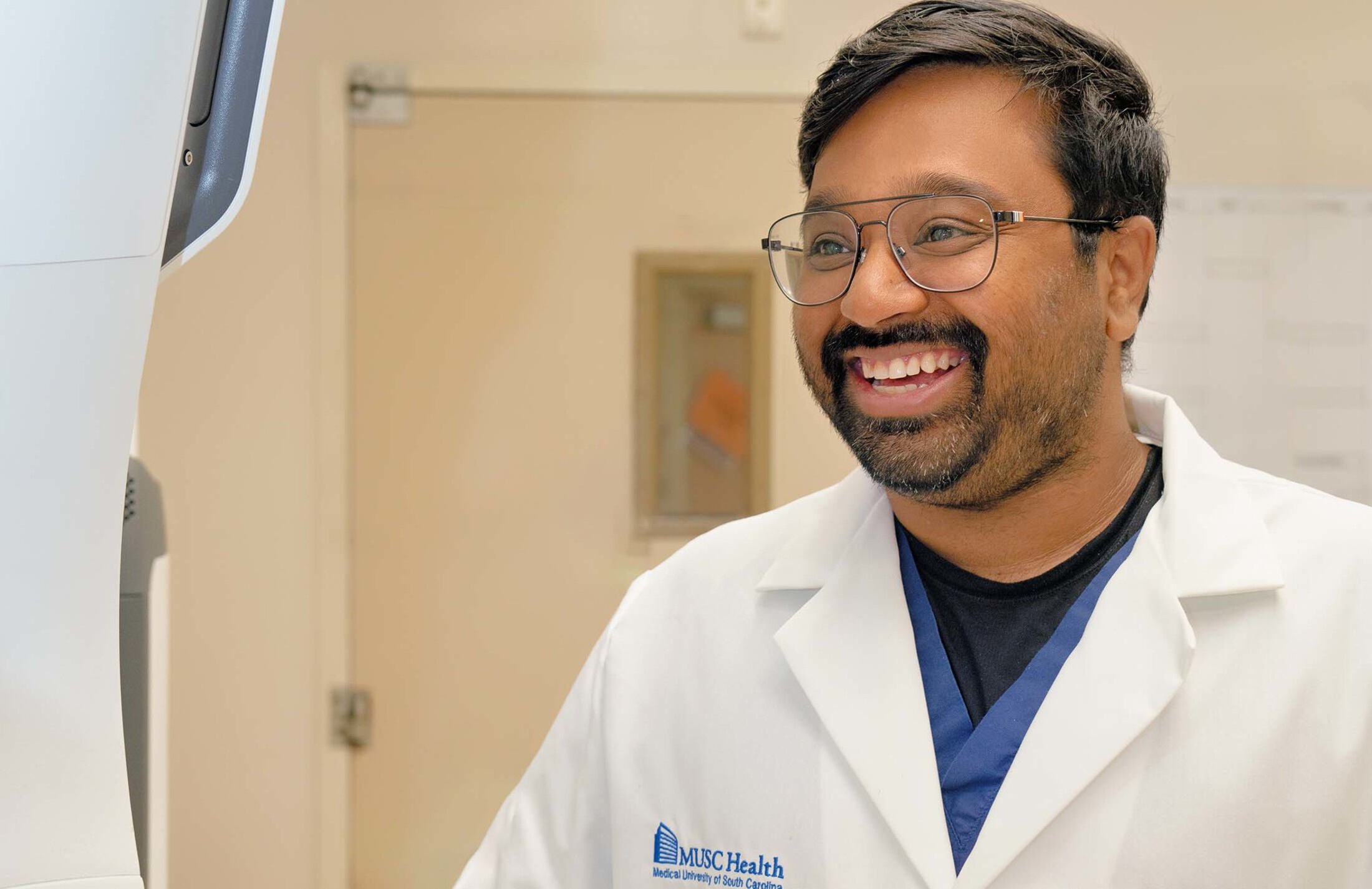
“Dr. Chavali’s thorough explanation of the procedure and his attention to detail sealed the deal for me,” Willis said. “I had total confidence in him.”
During a simple robotic prostatectomy, which lasts about three hours and is performed under general anesthesia, Chavali makes a single incision, about 3 centimeters, just above the pubic bone. Using a single-port robotic platform, he goes through the bladder to remove the blockage by scooping out the prostate’s interior. The outer part of the prostate remains intact, and no nerves are affected. The patient lies flat instead of in an inverted position, which lessens the potential for edema and stress on the cardiovascular system.
“The benefits for the patient are less pain, minimal blood loss and quicker recovery,” Chavali said. “Patients typically don’t need opioids, are discharged the same day and the catheter can be removed a few days after the surgery.”
Although prostate growth is due to a combination of genetics, natural hormonal shifts and aging, the results of a simple prostatectomy last about 10 years, Chavali said. “The more we remove, the longer it takes for the prostate to grow,” he said.
An enlarged prostate does not, however, increase the risk for prostate cancer, he said.
Chavali offers three options available to treat enlarged, noncancerous prostates: Simple prostatectomy, holmium laser enucleation of the prostate (HoLEP) and aquablation. Chavali said the decision on the type of procedure to pursue is individualized and based on a patient’s prostate size and health.
“We must choose the right tool for the right patient,” Chavali said. “With anyone whose prostate size is above 80 grams, we have a thorough conversation about the best option. The good news is that the field is evolving rapidly, and newer technologies have increased the options for patients.”
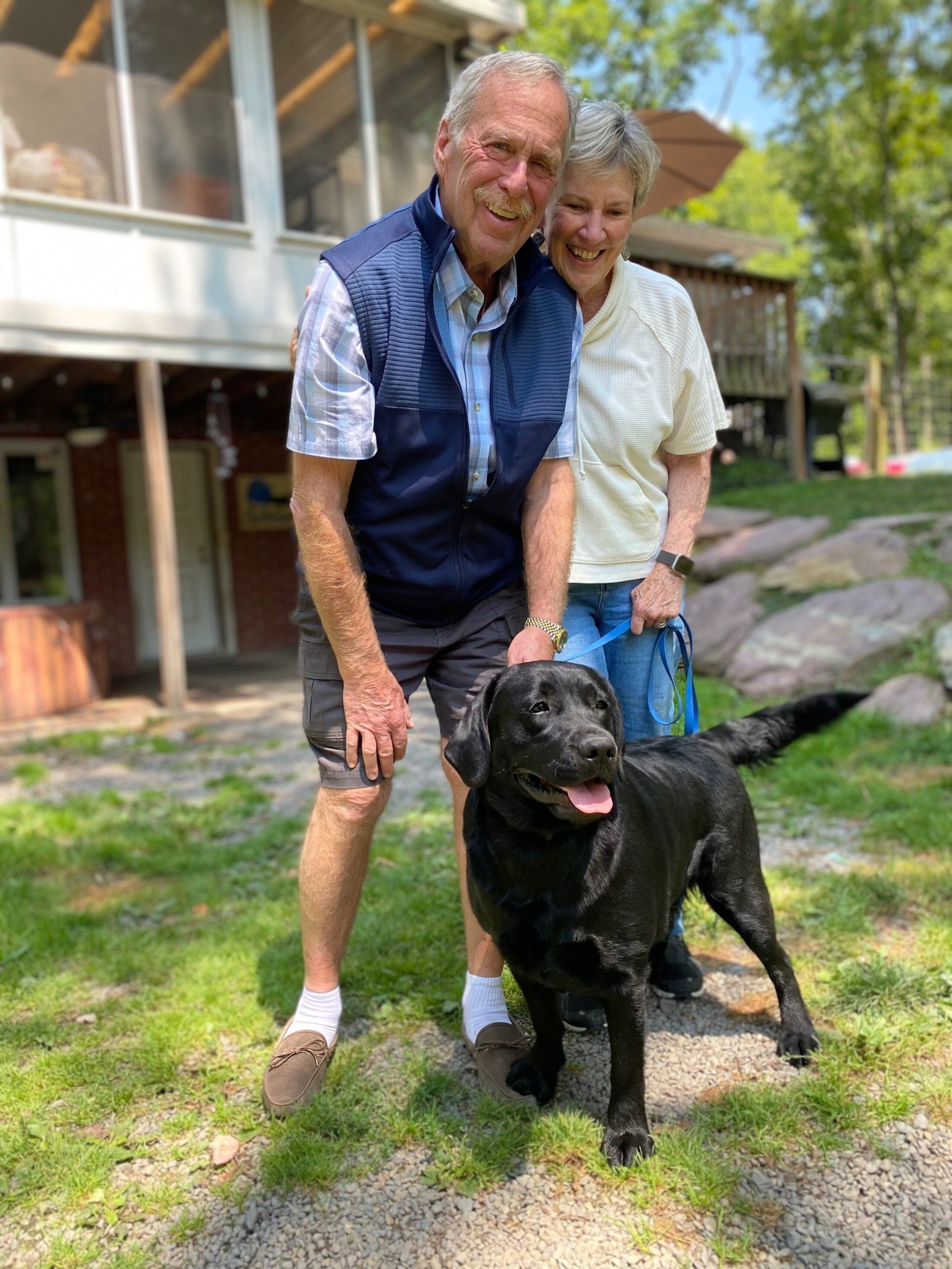
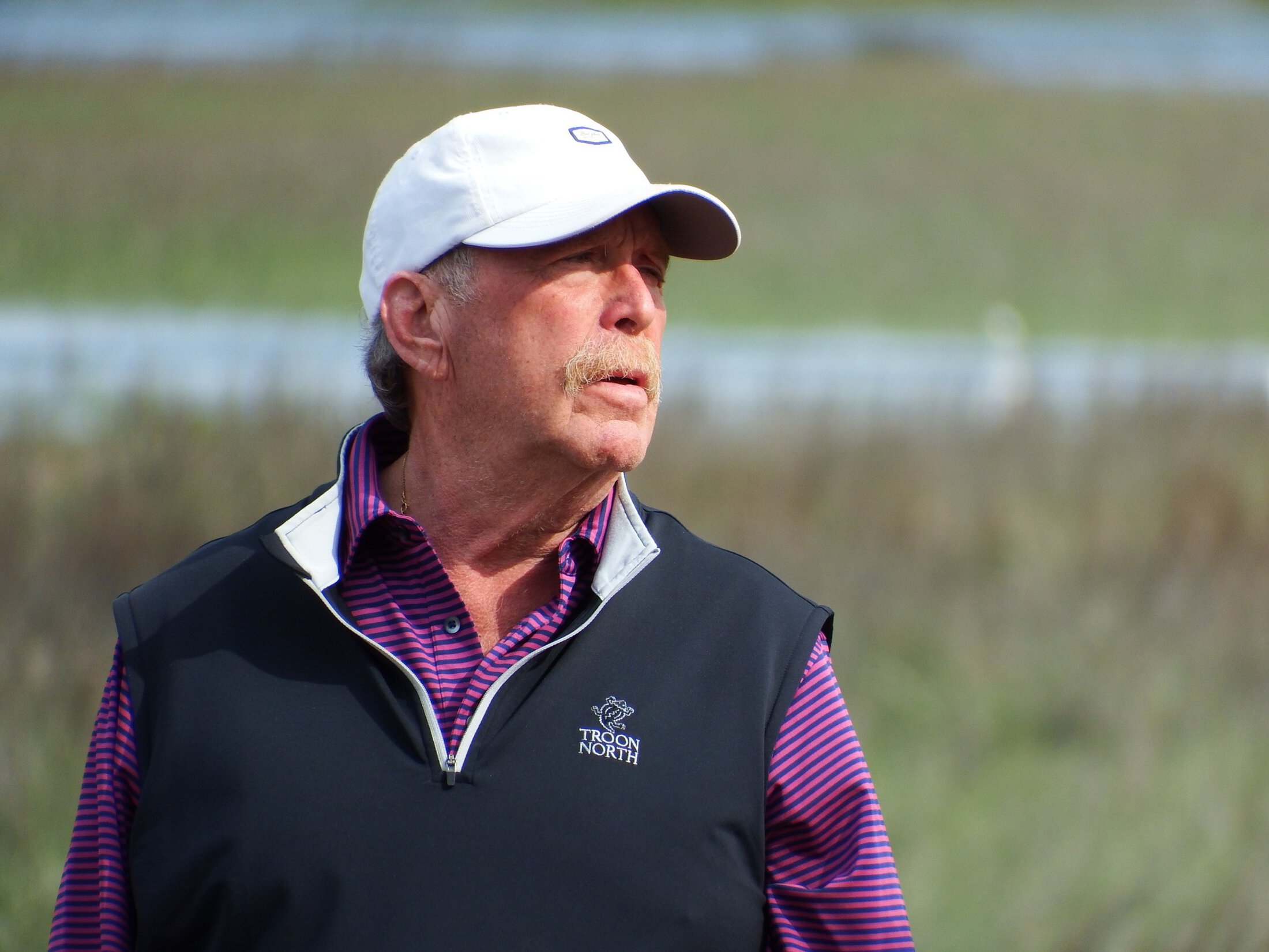
Willis, who’s back to puttering around the house and enjoying life with his wife, Nancy, and their English lab, Cricket, is convinced that a simple robotic prostatectomy was the right decision for him.
“My experience was remarkable because I’d heard so much about prostate surgery, and that the going might be a little rough after the procedure, but I had only mild discomfort. In fact, I drove myself back to Charleston from Bluffton four days after surgery, and 10 days after, I was 90% back to normal. I can’t believe how good I feel.”

Margaret Lamb
Margaret Lamb has extensive experience in higher education, health, medical and wellness communications as a writer, editor, spokesperson and manager. A graduate of the University of South Carolina (USC) with a degree in political science, she has worked for USC and Clemson University as well as Hill & Knowlton Public Relations and The Atlanta Constitution.
Recent MUSC News stories